
Jegeren kommer hjem — History & Facts
What draws the eye first in Jegeren kommer hjem is the moment of reunion, caught in a shaft of afternoon light slanting through the window. The hunter, still in his heavy coat and boots, holds up his prize—a bird, its feathers catching the sun—as his young son reaches out in delight, mouth open in a cry of excitement. The mother, seated with a younger child on her knee, watches with a quiet smile, her body turned protectively toward both children.
Every detail, from the rough-hewn floorboards to the basket of yarn and the scattered toys, roots the scene in the warmth and hardship of rural family life. The composition leads the viewer from the darkened threshold where the father stands, through the golden-lit faces of his family, and finally to the sunlit window, suggesting a world of labor and reward outside these walls. Painted in 1854, this work by Adolph Tidemand belongs to a period when Norwegian artists sought to capture the rhythms and rituals of everyday life. Such genre scenes were prized in the nineteenth century, both as celebrations of national identity and as reminders of changing times—industrialization was beginning to alter the countryside, and images like this one served as both documentation and idealization of rural traditions.
While little is recorded about the specific journey of this painting, its presence in the DigitaltMuseum collection today places it among the many works that helped define Norwegian visual culture. The careful attention to gesture and domestic detail invites viewers to linger, searching for echoes of their own stories in the play of light and shadow.
More Artworks by Adolph Tidemand

Bridal Procession on the Hardangerfjord
Adolph Tidemand
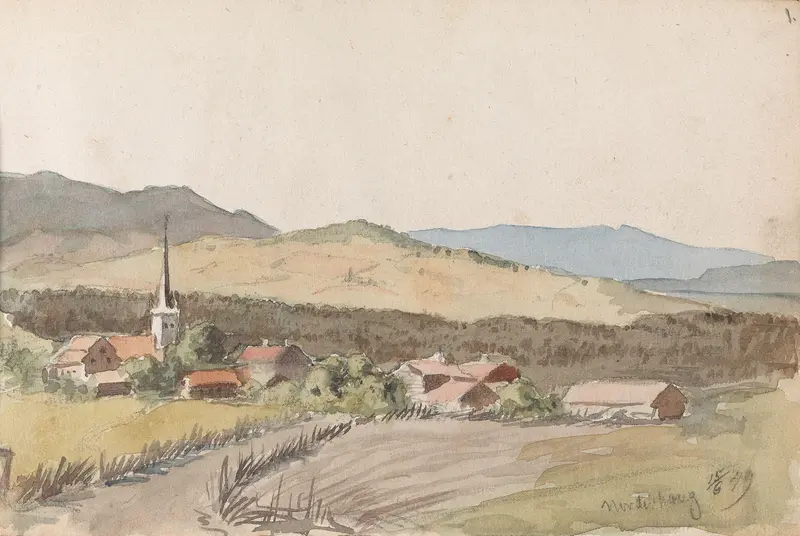
Fra Haugsbygd
Adolph Tidemand
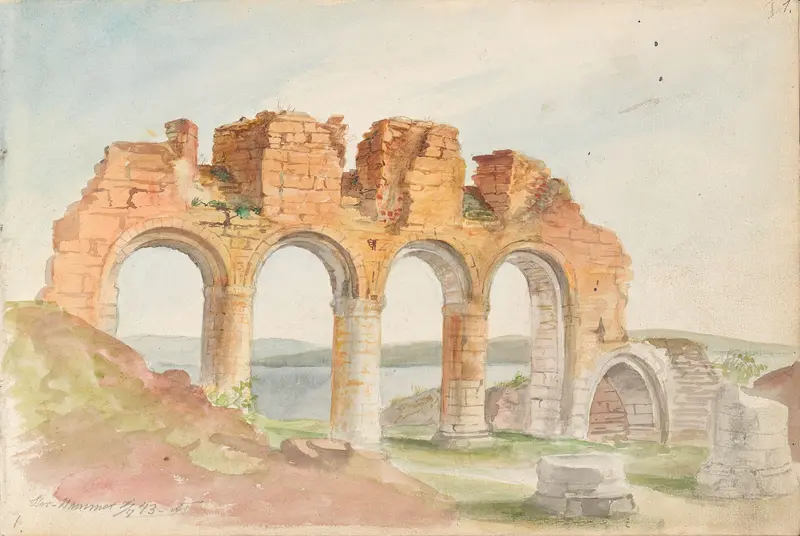
Domkirkeruinen, Hamar
Adolph Tidemand
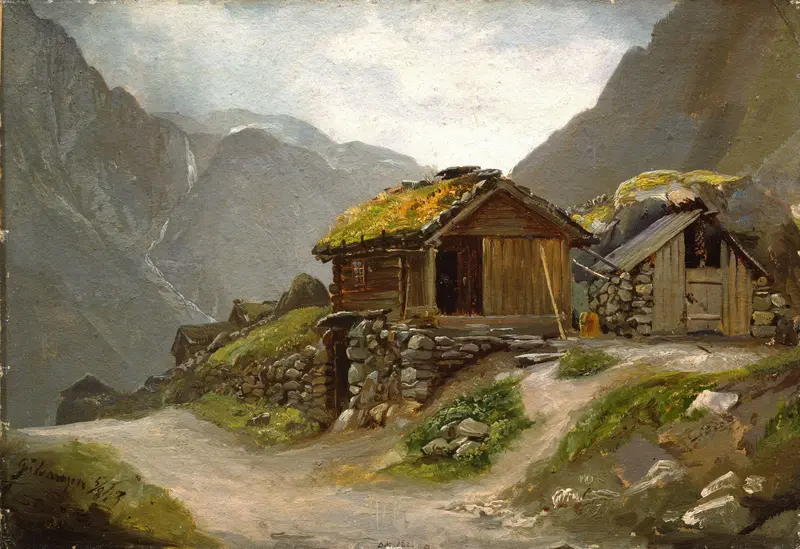
View from Gudvangen
Adolph Tidemand
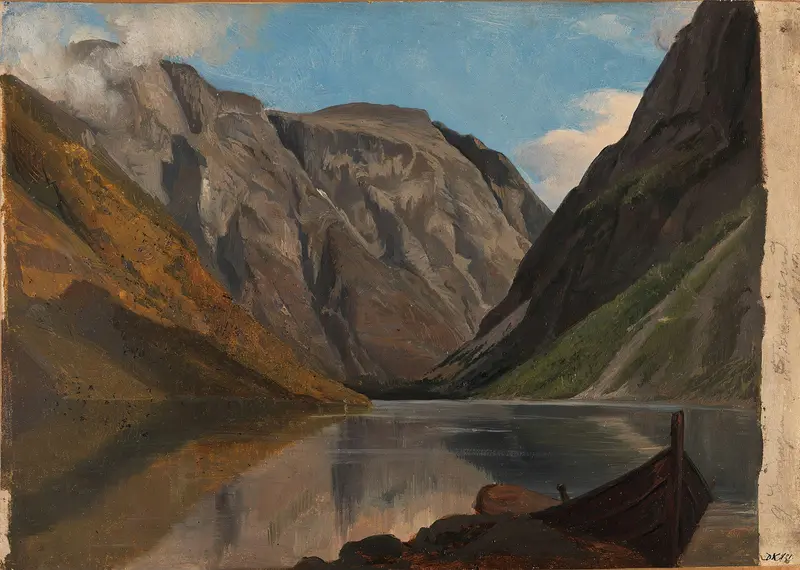
View of Gudvangen
Adolph Tidemand
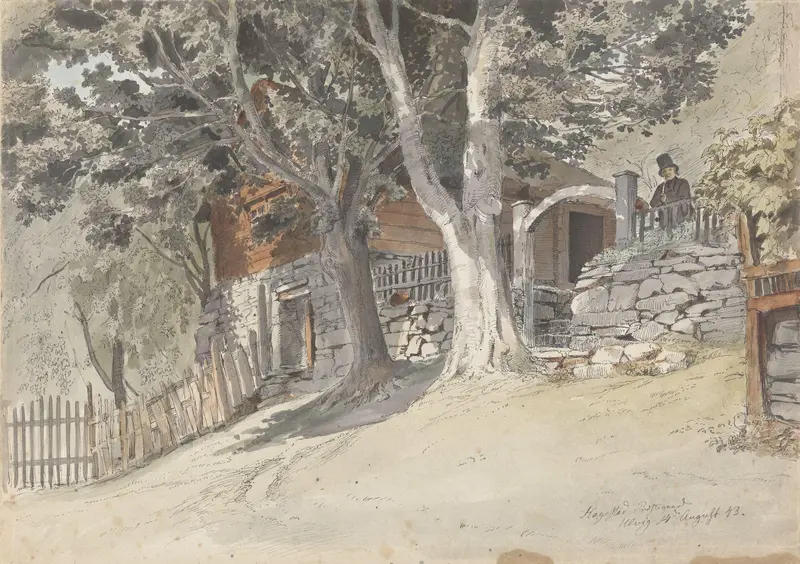
Hagestad prestegård, Ulvik i Hardanger
Adolph Tidemand
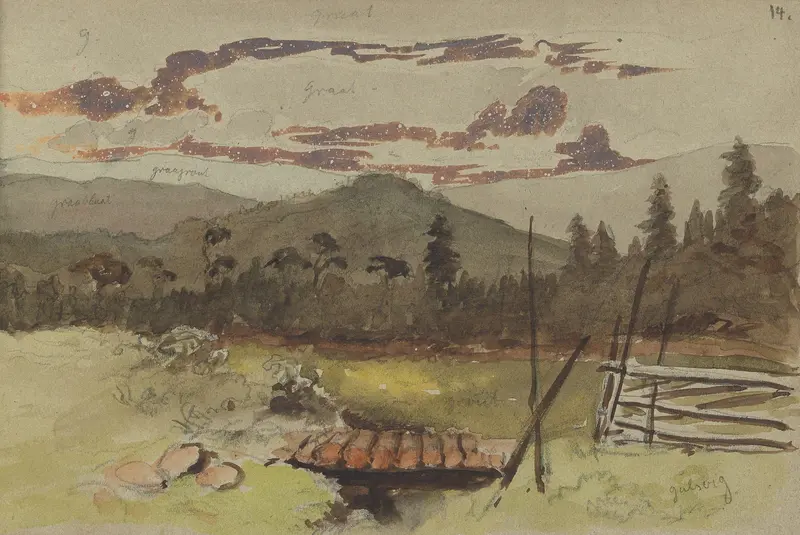
Fra Gulsvik
Adolph Tidemand
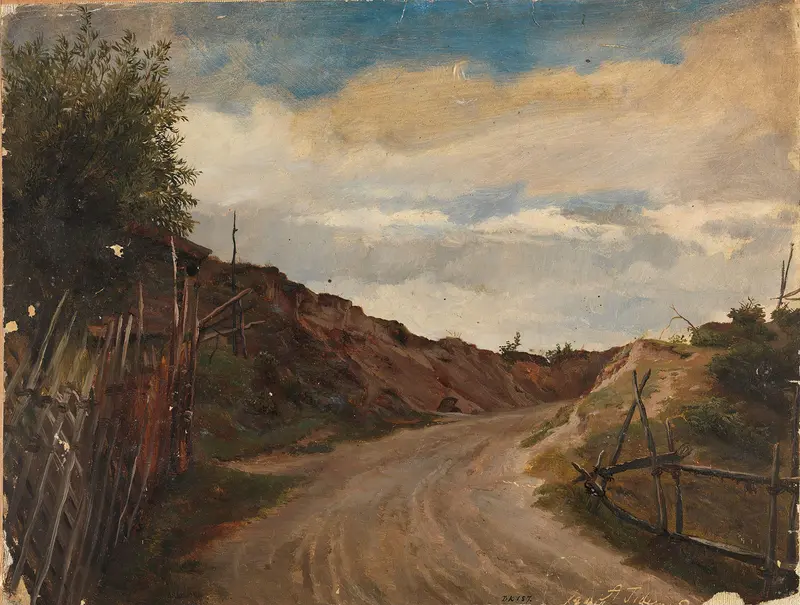
Country Road
Adolph Tidemand
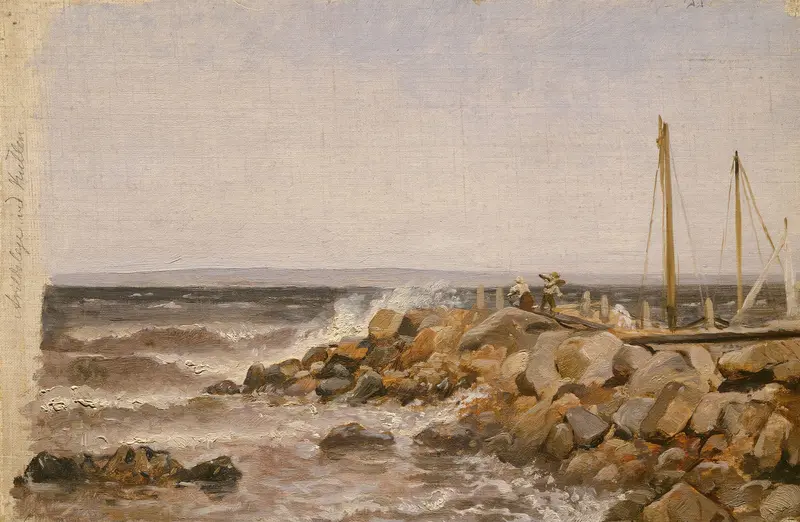
From Kullen in Sweden
Adolph Tidemand
Untitled
Adolph Tidemand
More Genre Scene Art

Banquet of the Officers of the St George Civic Guard
Frans Hals

Rembrandt and Saskia in the Scene of the Prodigal Son
Rembrandt van Rijn

Bal du moulin de la Galette
Pierre-Auguste Renoir

Quadrille at the Moulin Rouge
Henri de Toulouse-Lautrec

A Burial at Ornans
Gustave Courbet

When Will You Marry?
Paul Gauguin