
Jemima Puddle-Duck and Her Ducklings — History & Facts
The first thing that draws the eye in this illustration is the gentle dignity of Jemima Puddle-Duck herself, leading her ducklings across a patch of pale green grass. The palette is delicate, almost washed in sunlight, with soft yellows and browns that create a feeling of calm and safety. The mother duck’s careful posture, head slightly turned, suggests both watchfulness and pride, while her ducklings—three small, downy figures—trail behind her in a loose, trusting line.
In the background, a farmhouse and a pair of cows anchor the scene in the everyday world of the English countryside, their forms rendered with just enough detail to feel real but never to distract from the central family. Every line and wash of color seems chosen to invite the viewer into a world where the ordinary is quietly cherished. Created in 1908 as an illustration for The Tale of Jemima Puddle-Duck, this work belongs to the golden age of British children’s literature, when artists like Beatrix Potter transformed the illustrated book into a cherished object for families and young readers. Such images were not only meant to delight, but to teach gentleness and observation—qualities prized in Edwardian England, where the countryside was both a real and an idealized place.
Potter’s work, transferred here from an early edition now preserved by The Gutenberg Project, stands as a testament to the era’s faith in the moral power of nature and narrative. The quiet charm of this scene invites us to linger, noticing how even the humblest farmyard moment can be made memorable through a careful eye and a loving hand.
More Artworks by Beatrix Potter

The Invitation
Beatrix Potter
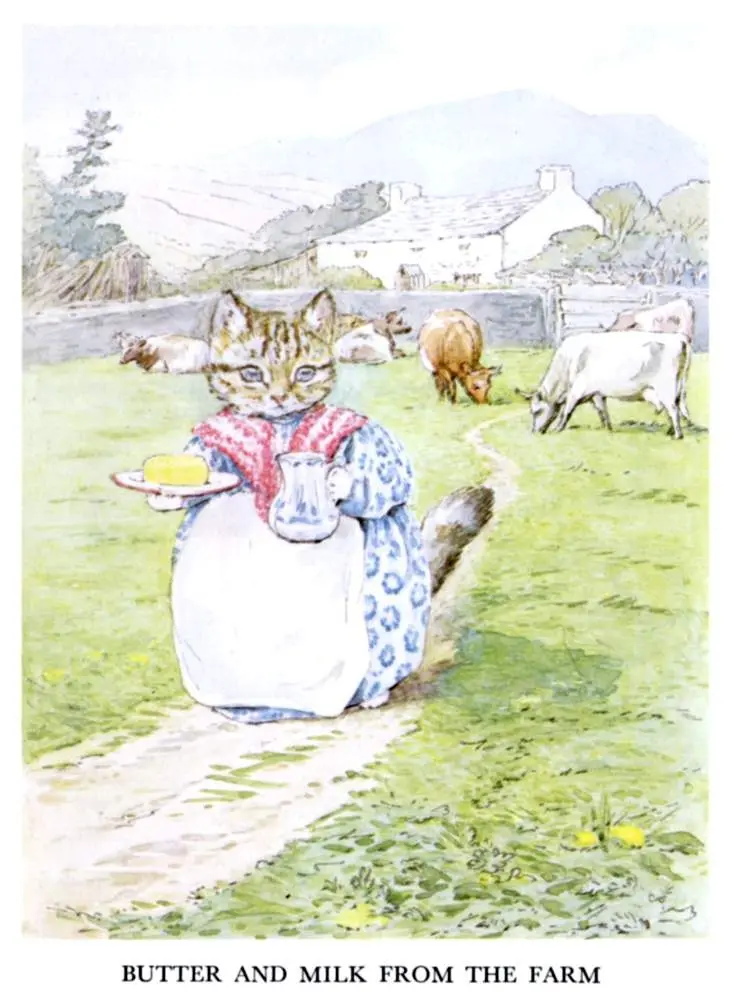
Butter and Milk from the Farm
Beatrix Potter
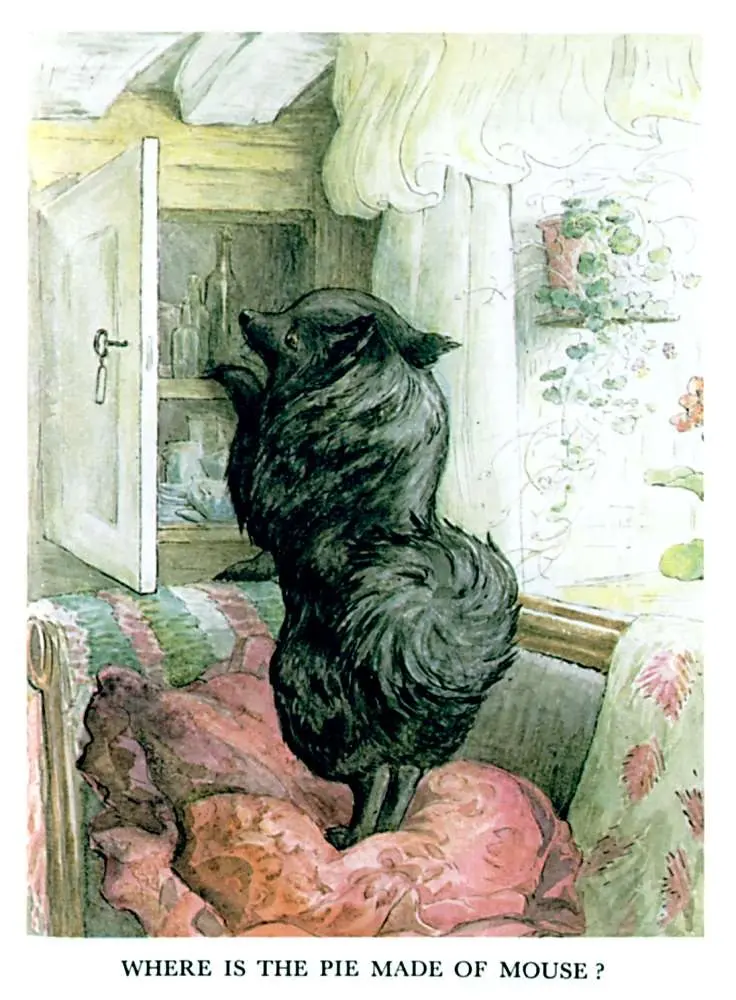
Where Is the Pie Made of Mouse?
Beatrix Potter
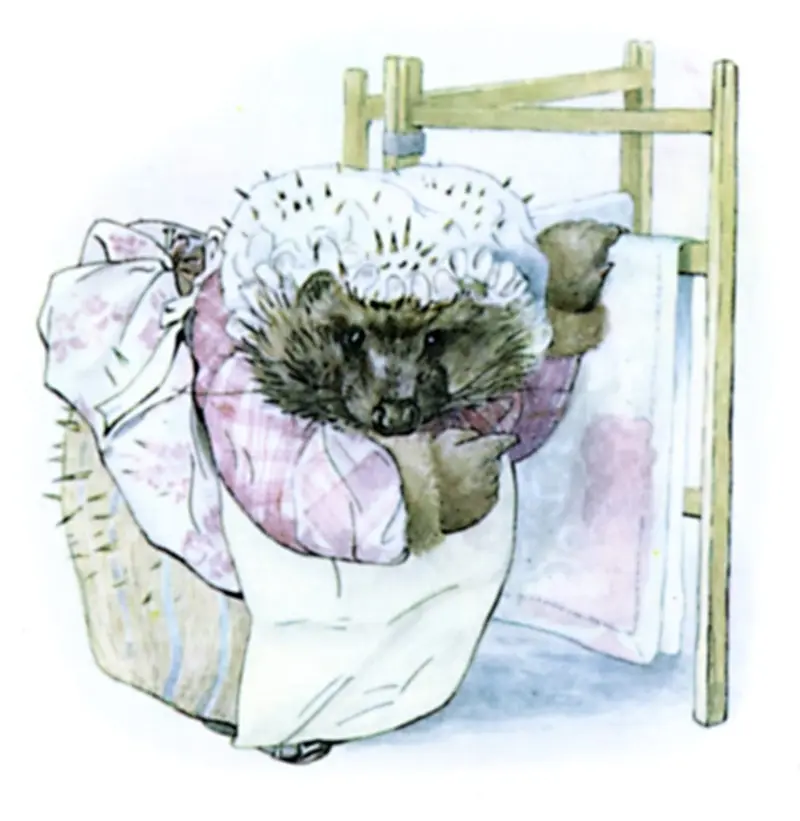
Mrs Tiggy-Winkle and the Clothes Horse
Beatrix Potter

Jemima Puddle-Duck and the Foxy Gentleman
Beatrix Potter
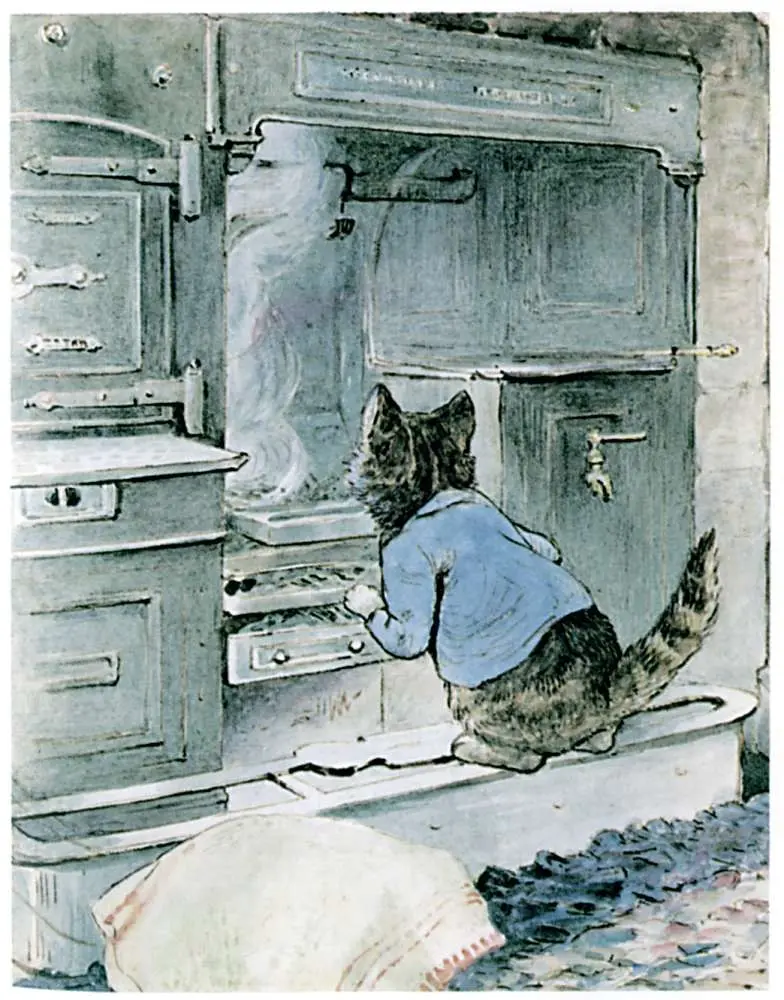
Tom Kitten and the Kitchen Range
Beatrix Potter
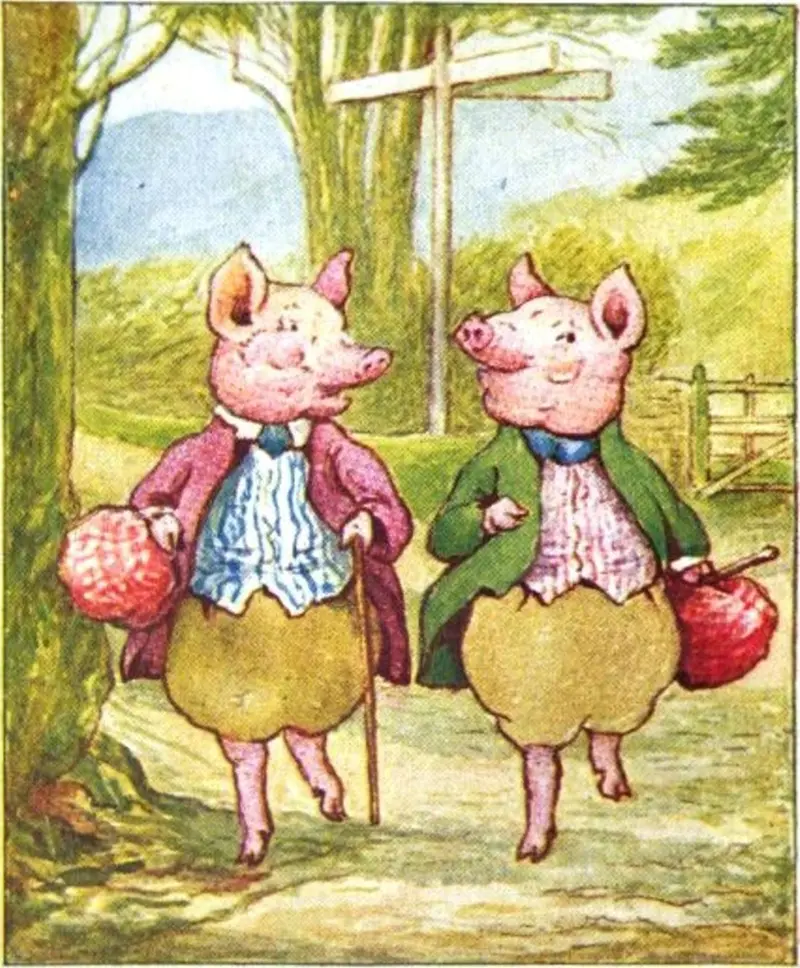
Pigling Bland and Alexander
Beatrix Potter
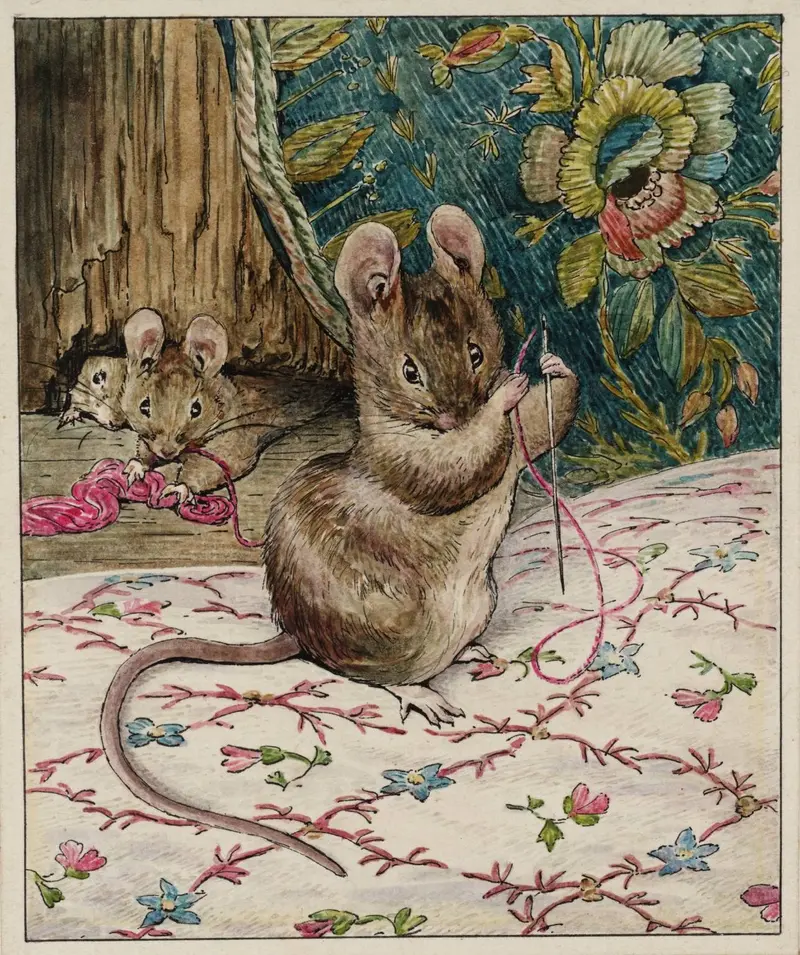
The Tailor's Mice at Work
Beatrix Potter
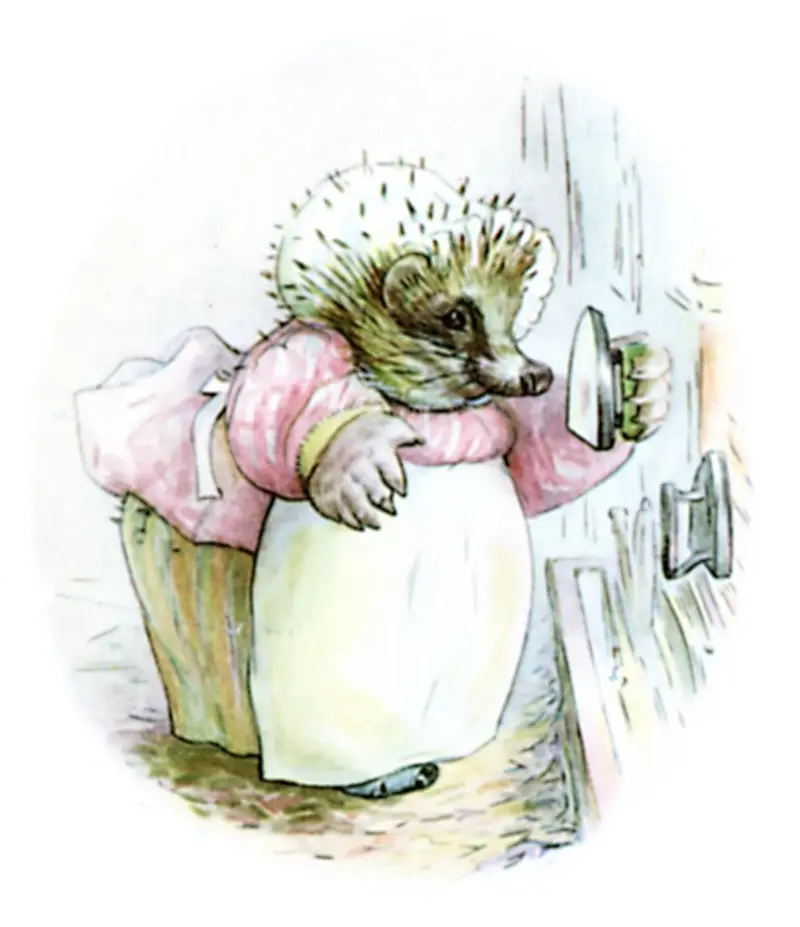
Mrs Tiggy-Winkle the Washerwoman
Beatrix Potter
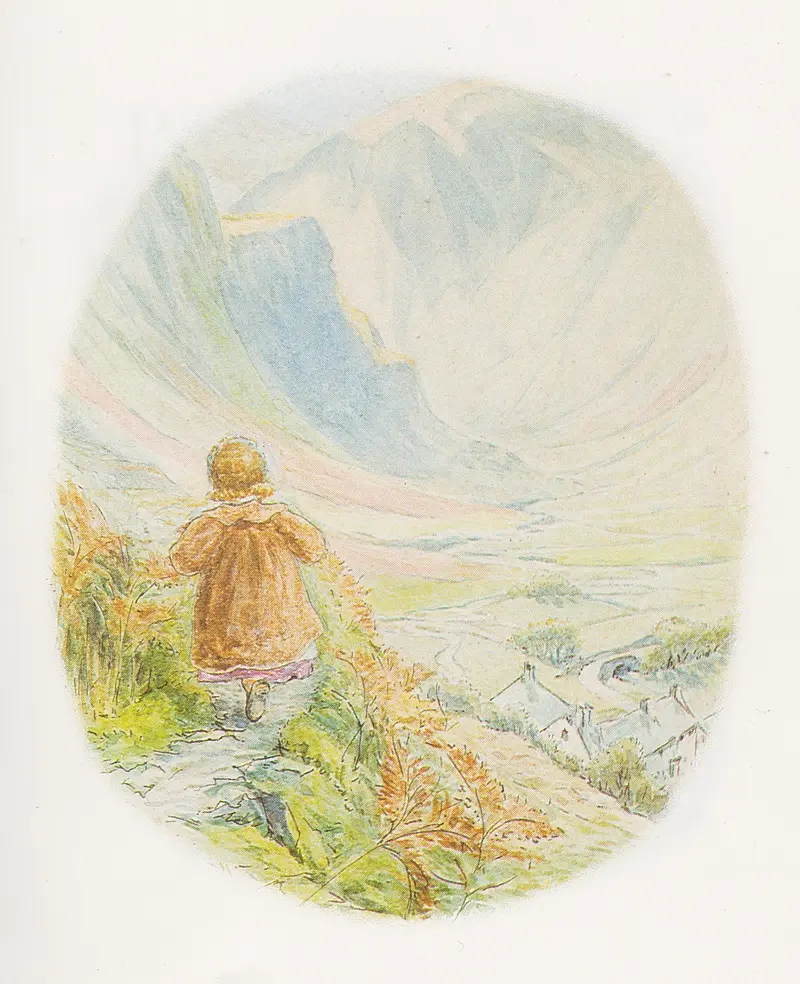
Lucie on the Path to Cat Bells
Beatrix Potter





