
Mrs Tiggy-Winkle the Washerwoman — History & Facts
A hedgehog in a starched apron and pink striped dress stands poised with an iron in her paw, caught in the gentle act of her daily work. The artist’s hand lingers on the details: the curve of Mrs. Tiggy-Winkle’s prickly back, the careful grip on the iron, the soft folds of her apron.
Light washes in from the left, illuminating the pale wood beneath her feet and drawing the eye to the glint of metal in her hand. There is a quiet pride in her stance, a sense that this domestic labor is both ritual and performance. The palette is tender, all soft browns and faded pinks, inviting the viewer into a world where the ordinary is made quietly magical. Created in 1905 as the frontispiece for The Tale of Mrs.
Tiggy-Winkle, this illustration belongs to the golden age of British children’s literature, when artists like Beatrix Potter transformed animals into characters brimming with personality and dignity. Such works were often intended for young readers but found their way onto nursery walls and into family albums, treasured for their blend of whimsy and realism. The Edwardian era saw a surge in illustrated books, prized both for their artistry and their moral lessons wrapped in gentle storytelling.
History has kept few traces of the individual journey of this particular image, but its enduring charm lies in the way it invites us to pause and notice the care in the smallest acts—an invitation as fresh now as it was in Potter’s day.
More Artworks by Beatrix Potter
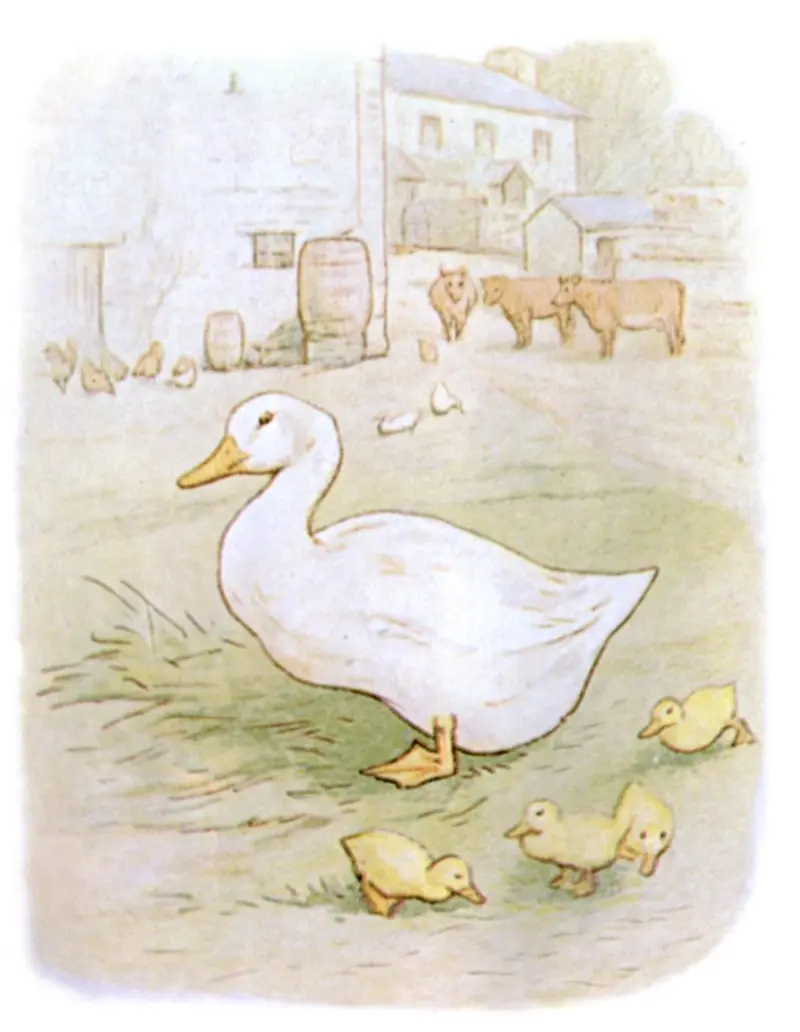
Jemima Puddle-Duck and Her Ducklings
Beatrix Potter

The Invitation
Beatrix Potter
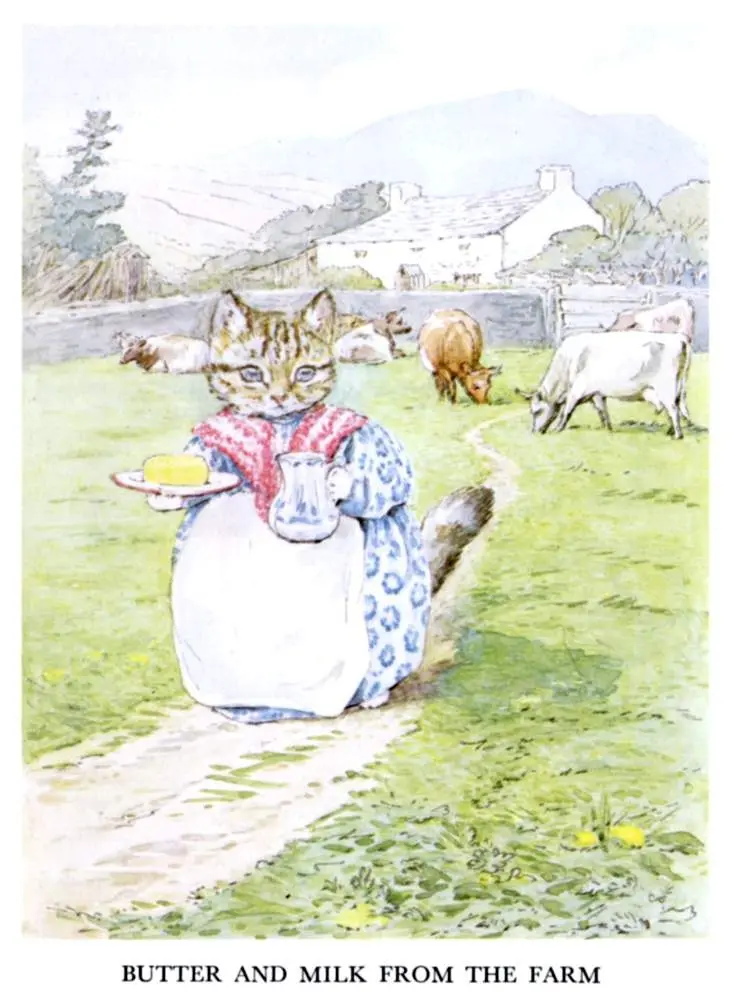
Butter and Milk from the Farm
Beatrix Potter
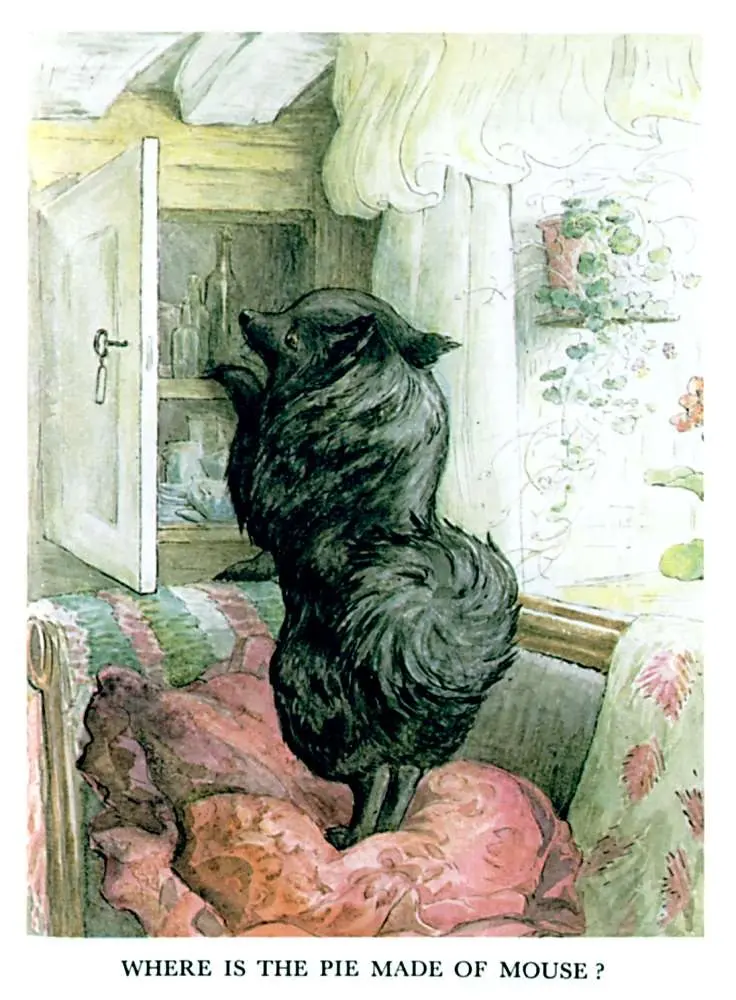
Where Is the Pie Made of Mouse?
Beatrix Potter
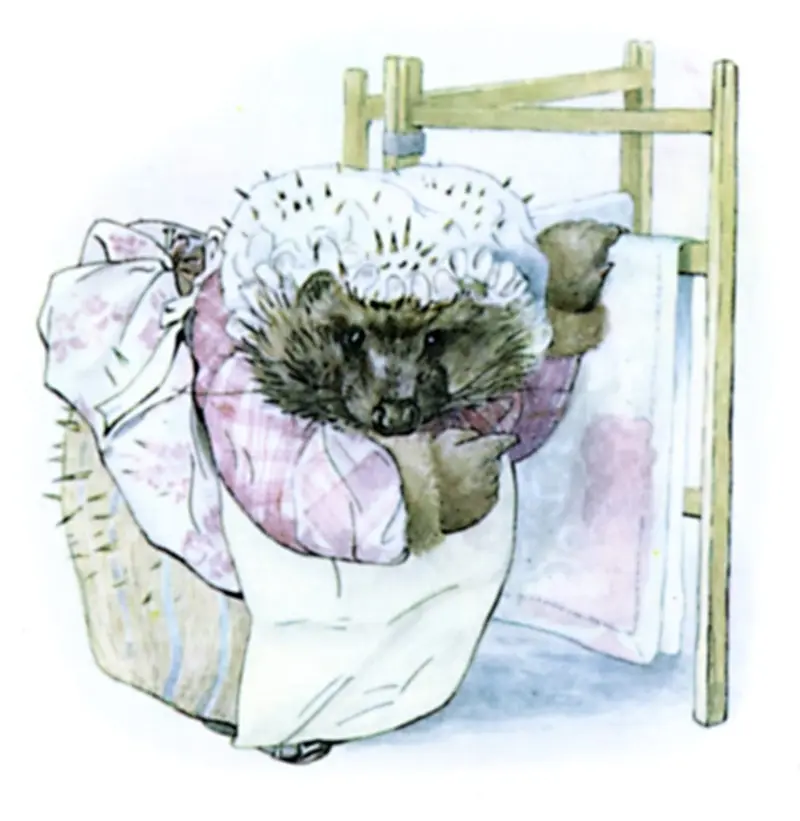
Mrs Tiggy-Winkle and the Clothes Horse
Beatrix Potter

Jemima Puddle-Duck and the Foxy Gentleman
Beatrix Potter
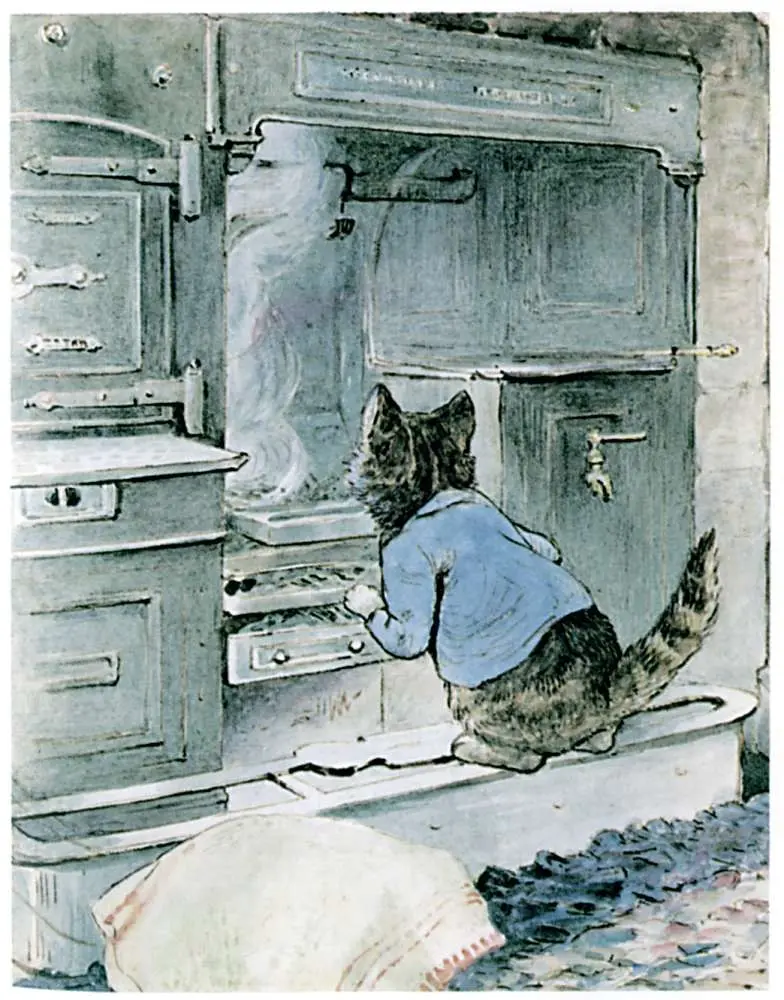
Tom Kitten and the Kitchen Range
Beatrix Potter
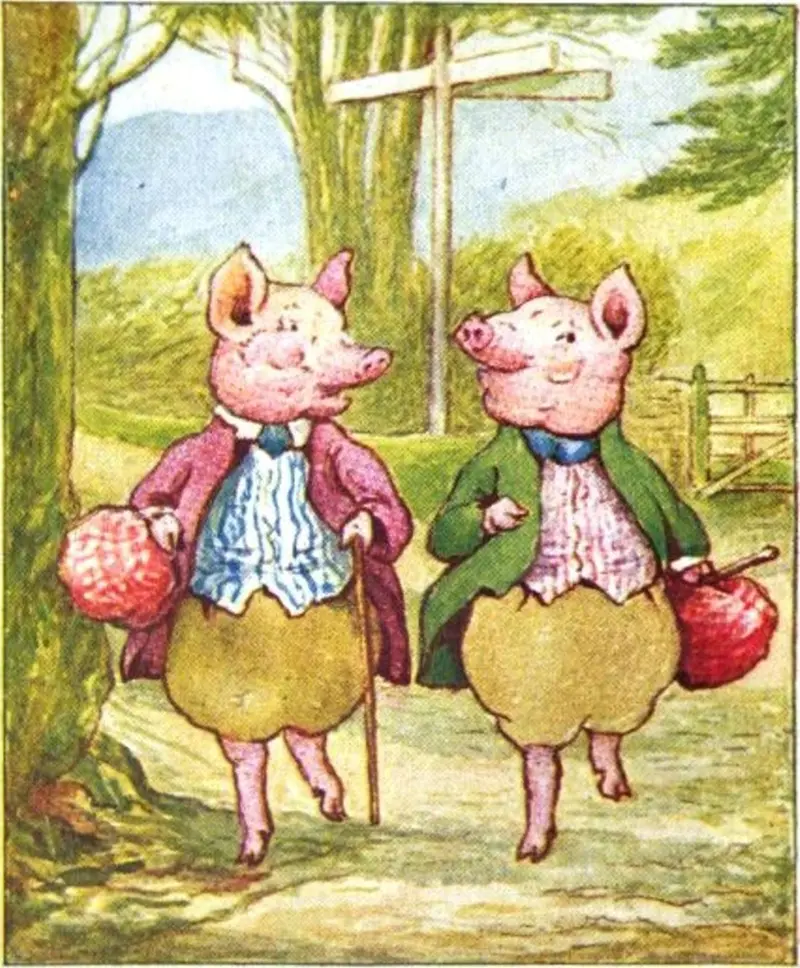
Pigling Bland and Alexander
Beatrix Potter
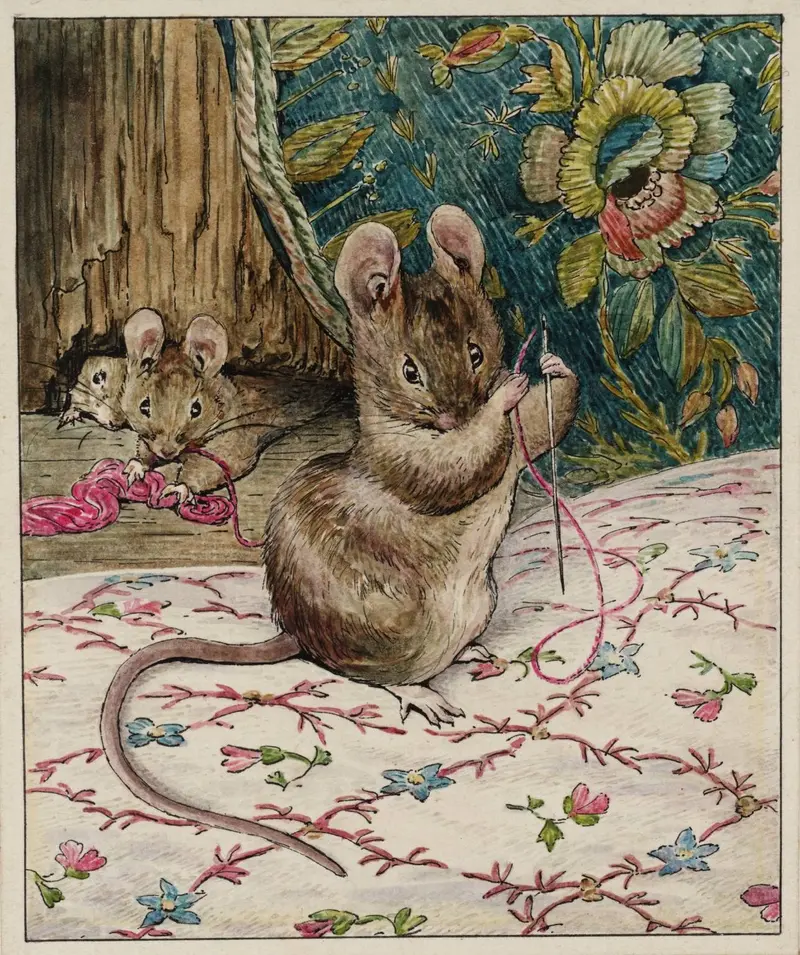
The Tailor's Mice at Work
Beatrix Potter
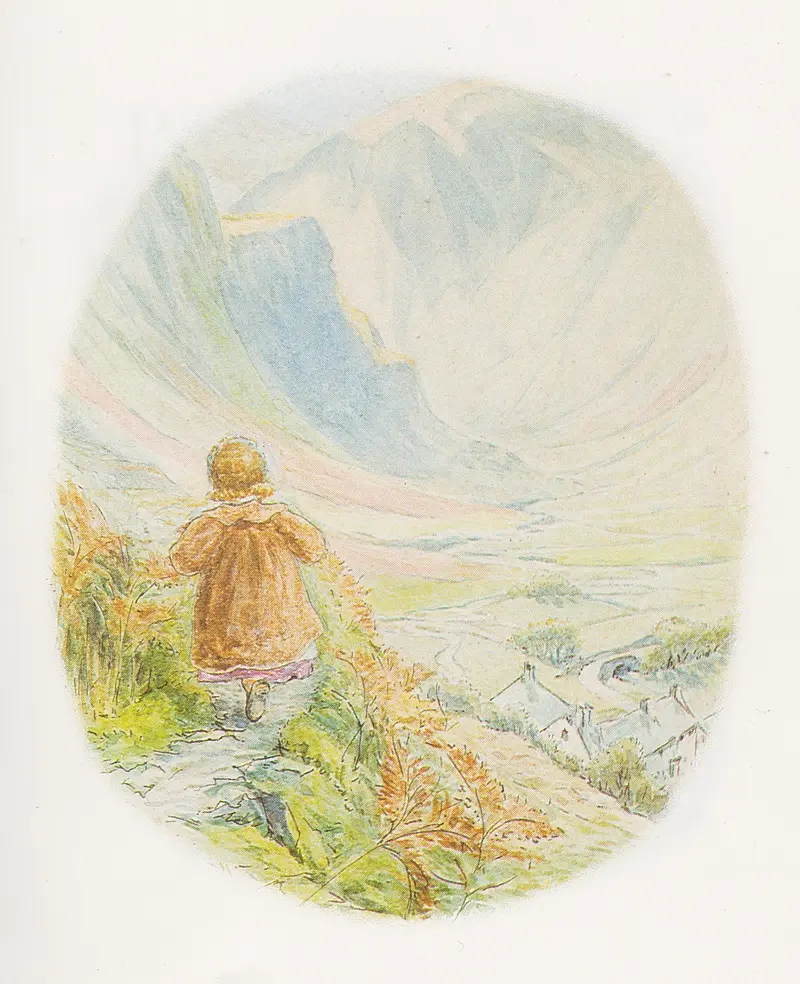
Lucie on the Path to Cat Bells
Beatrix Potter





