
Lucie on the Path to Cat Bells — History & Facts
The sweep of the hills draws the eye upward, but it is the small figure in russet, determinedly climbing, that holds the story in Lucie on the Path to Cat Bells. The child, seen from behind, is dwarfed by the vastness of the Lake District landscape, yet her presence is unmistakably the heart of the scene. The path she follows winds through bracken and grass, its pale stones echoing the distant, sunlit slopes.
The artist uses gentle washes of color to soften the mountains, suggesting both their grandeur and their gentleness, while the foreground ferns and grasses bristle with detail, as if to welcome Lucie into their world. The composition invites us to follow her—upward, onward—into a space where adventure and comfort seem to meet. Created in 1905 as an illustration for The Tale of Mrs. Tiggy-Winkle, this work belongs to the golden age of British children's book illustration, when artists like Beatrix Potter transformed everyday countryside into realms of gentle enchantment.
Such images were often commissioned for storybooks intended to delight and reassure young readers, blending real landscapes with a sense of quiet magic. The Lake District, where Potter lived and worked, was not just a backdrop but a character in her tales, rendered with loving accuracy and a naturalist’s eye. Few traces remain of the individual histories of these illustrations, but their enduring charm lies in how they open a window onto a world where the ordinary becomes quietly extraordinary—a world still waiting for us, just beyond the next bend in the path.
More Artworks by Beatrix Potter
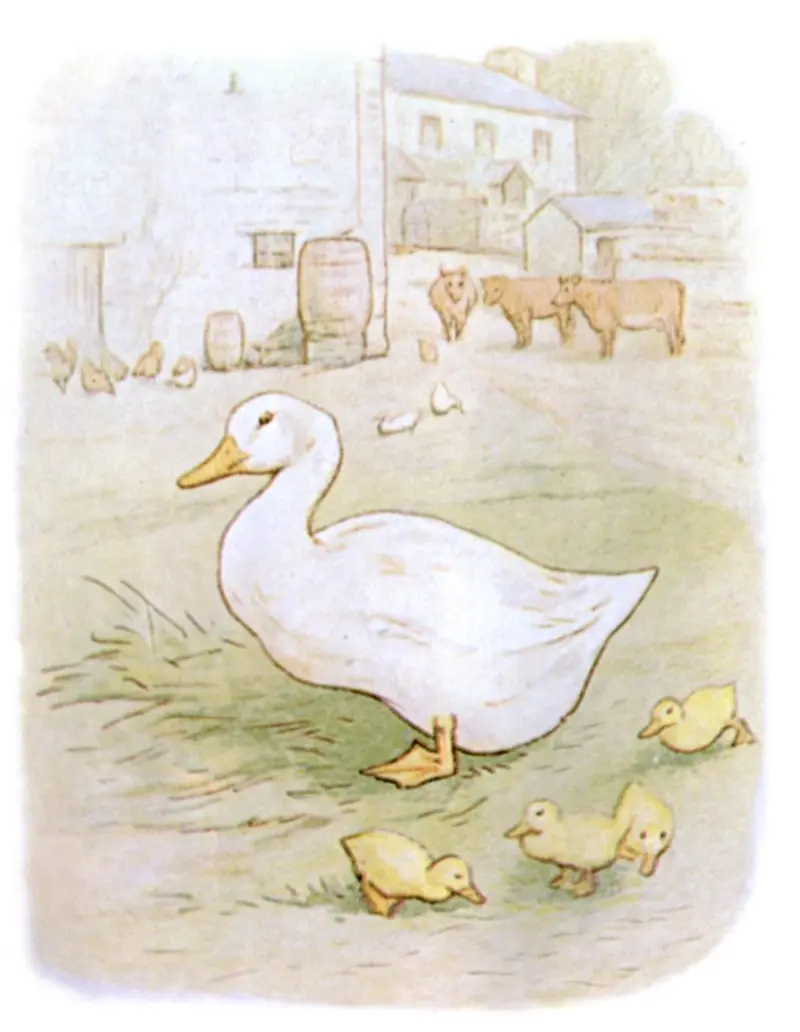
Jemima Puddle-Duck and Her Ducklings
Beatrix Potter

The Invitation
Beatrix Potter
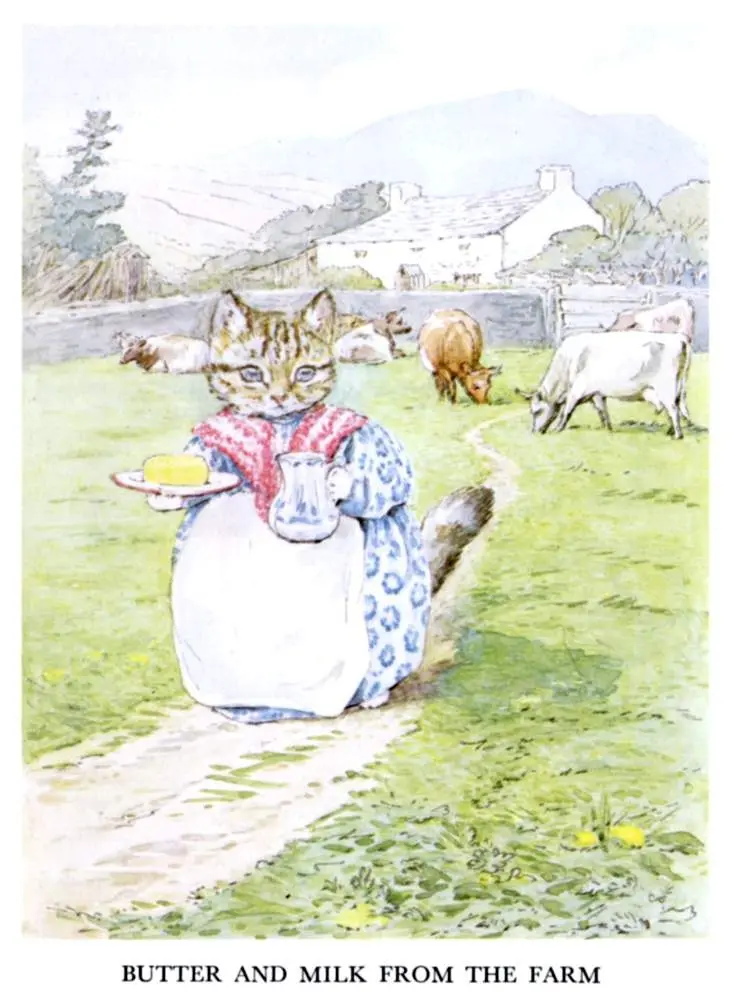
Butter and Milk from the Farm
Beatrix Potter
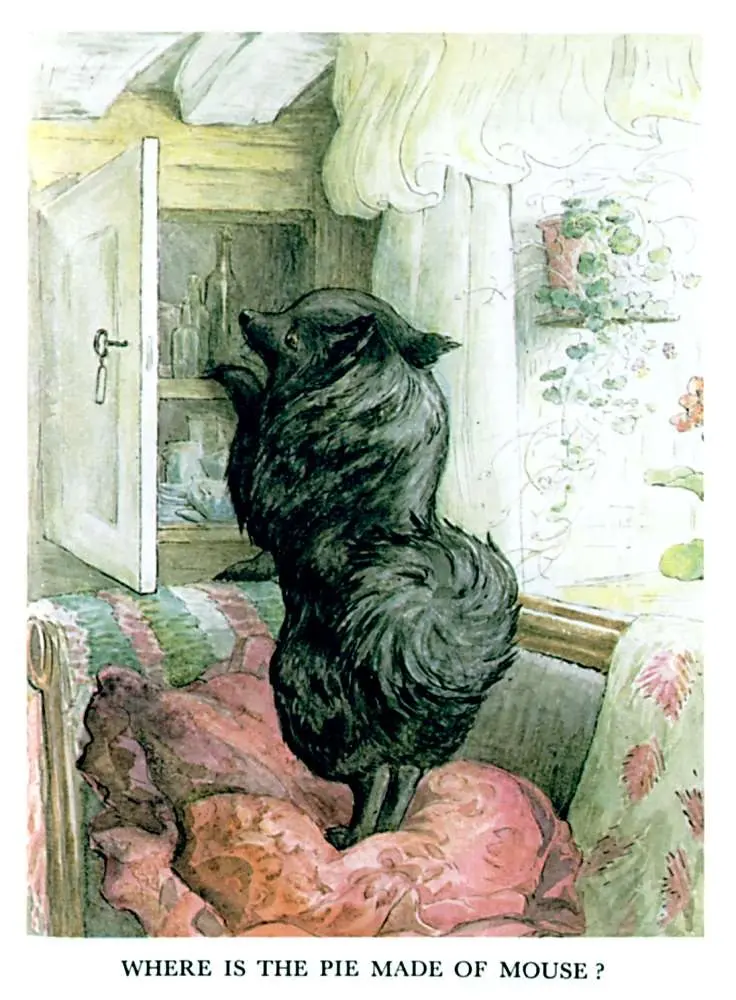
Where Is the Pie Made of Mouse?
Beatrix Potter
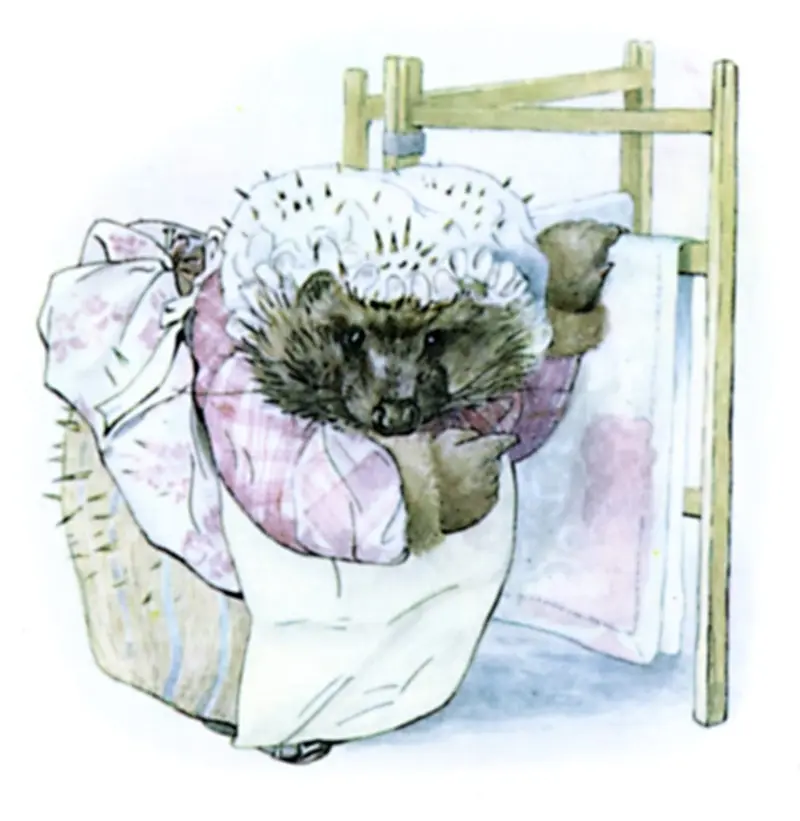
Mrs Tiggy-Winkle and the Clothes Horse
Beatrix Potter

Jemima Puddle-Duck and the Foxy Gentleman
Beatrix Potter
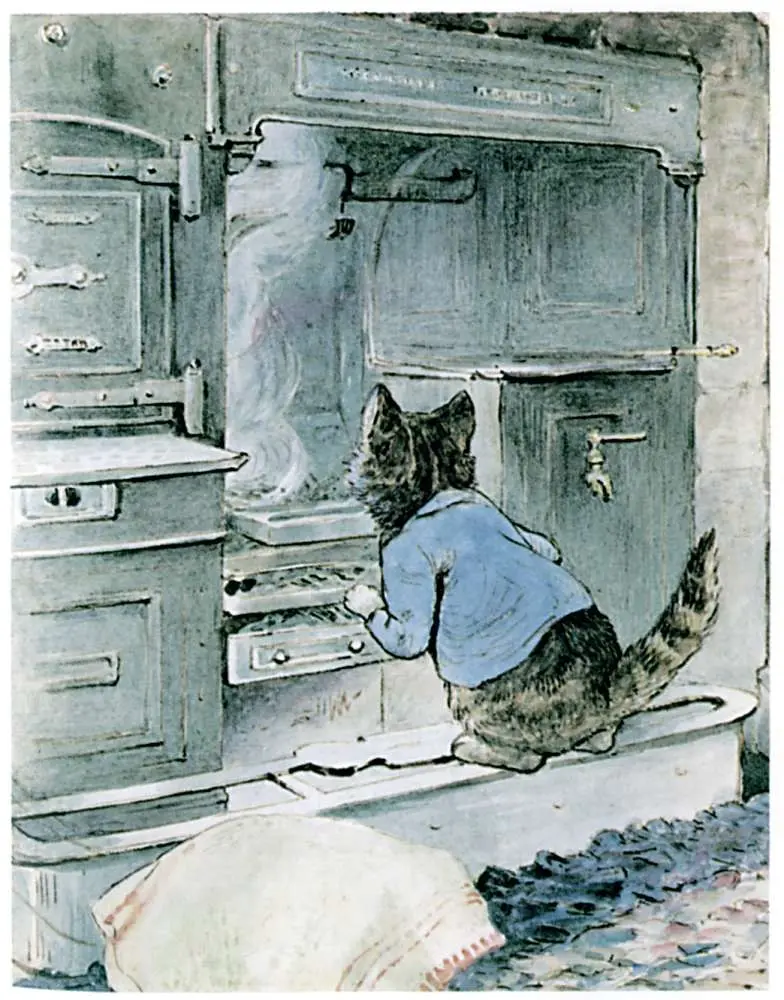
Tom Kitten and the Kitchen Range
Beatrix Potter
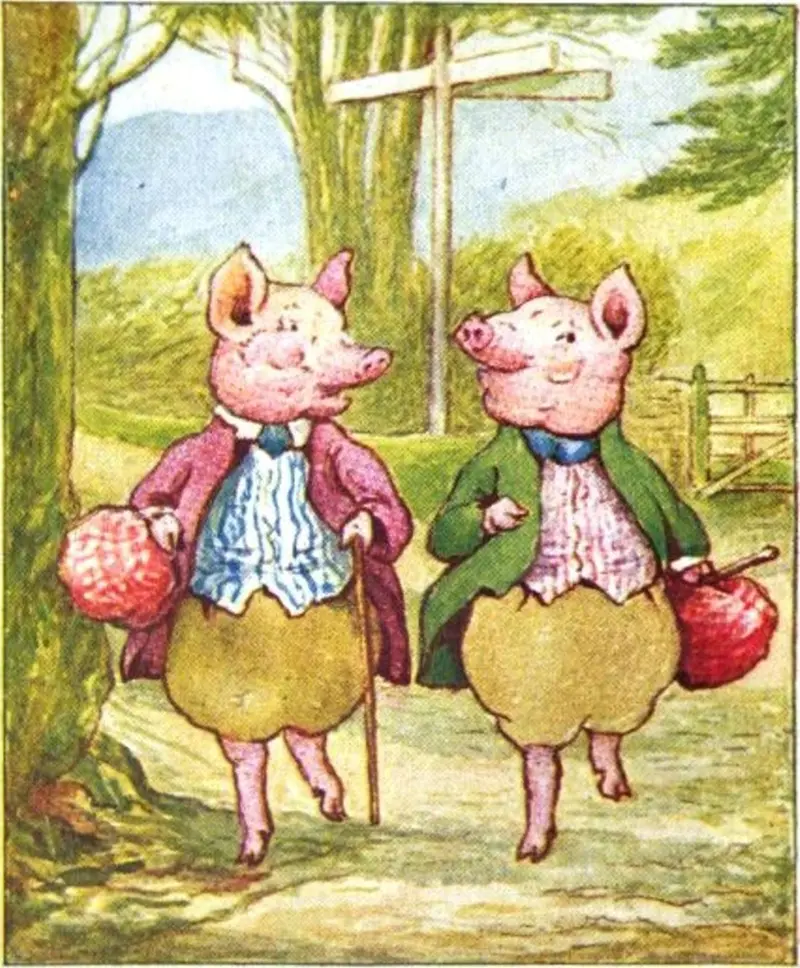
Pigling Bland and Alexander
Beatrix Potter
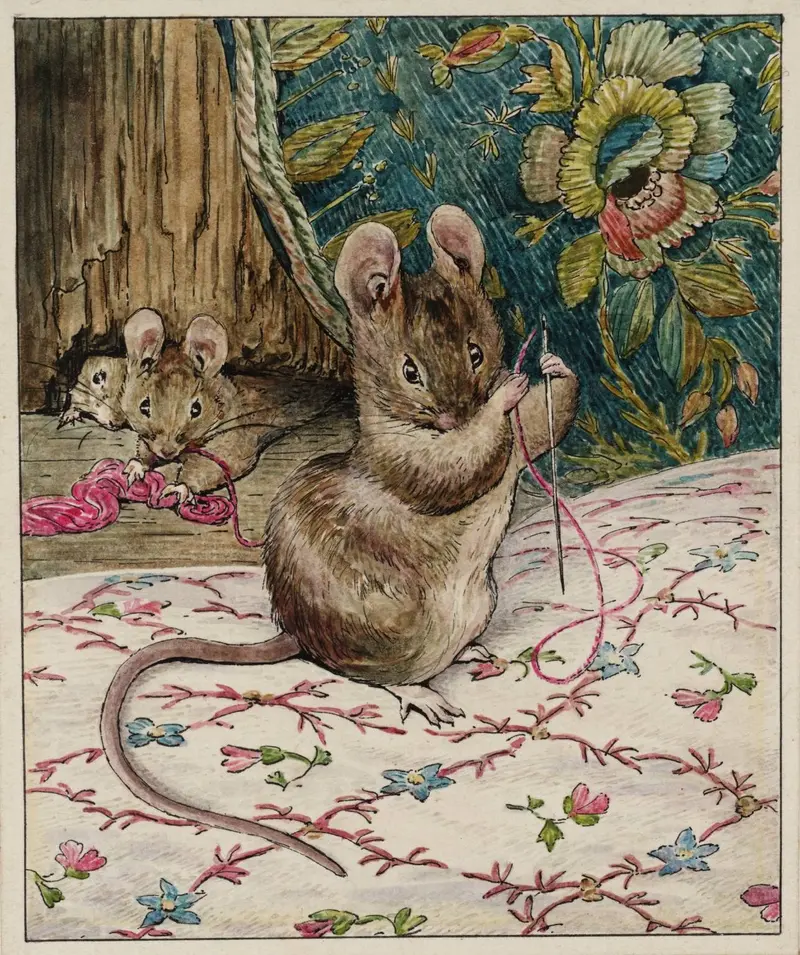
The Tailor's Mice at Work
Beatrix Potter
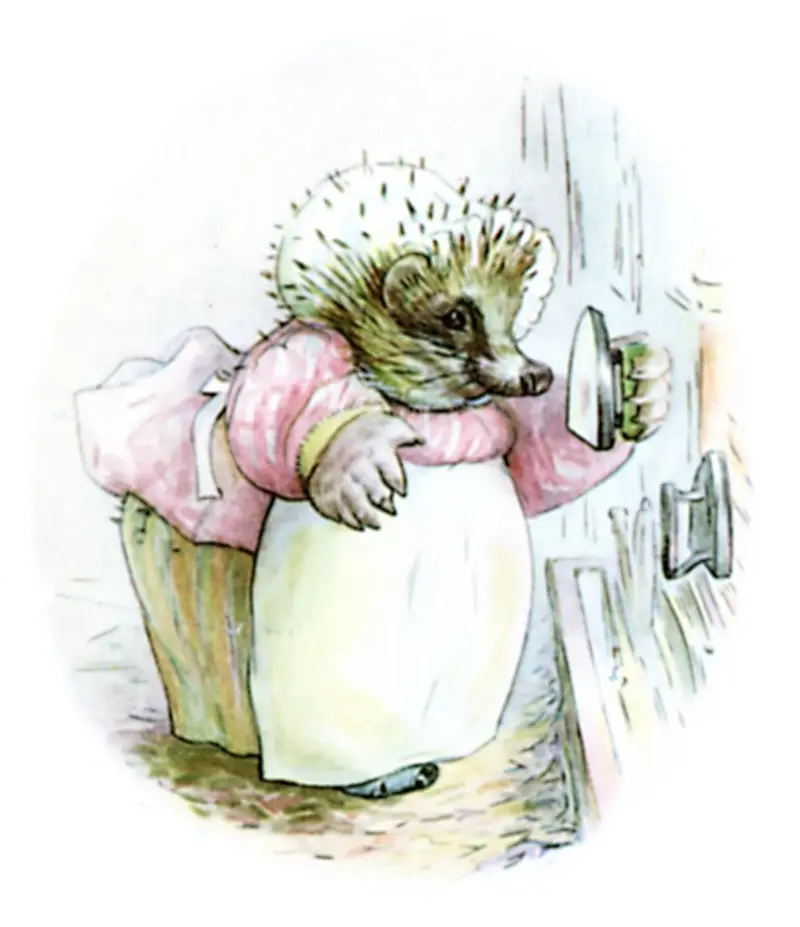
Mrs Tiggy-Winkle the Washerwoman
Beatrix Potter
More Landscape Art

The Starry Night
Vincent van Gogh

View of Delft
Johannes Vermeer

Water Lilies
Claude Monet

The Grand Canal, Venice, looking north-west from the Ca' Corner to the Ca' Contarini degli Scrigni, with the campanile of Santa Maria della Carità
Canaletto

Windsor Castle
Canaletto

The Grand Canal looking North-East from the Palazzo Dolfin-Manin to the Rialto Bridge
Canaletto