Jeseň — History & Facts
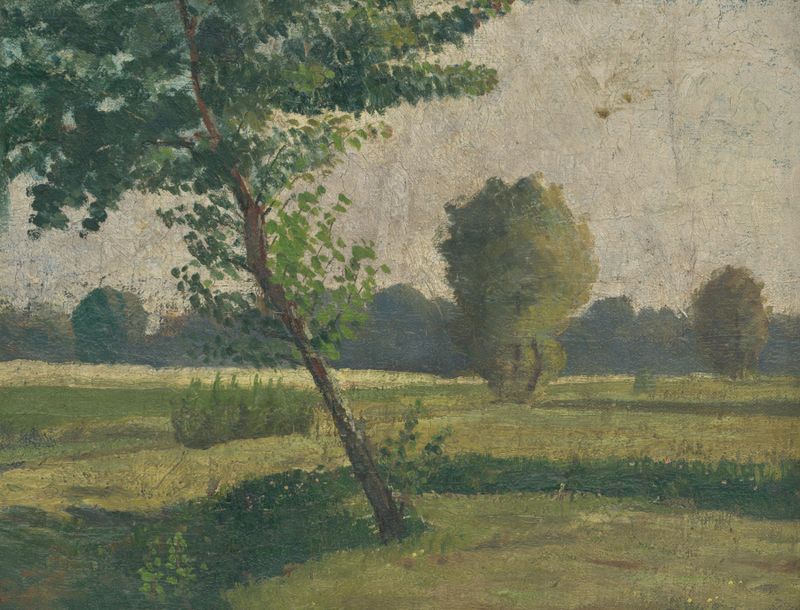
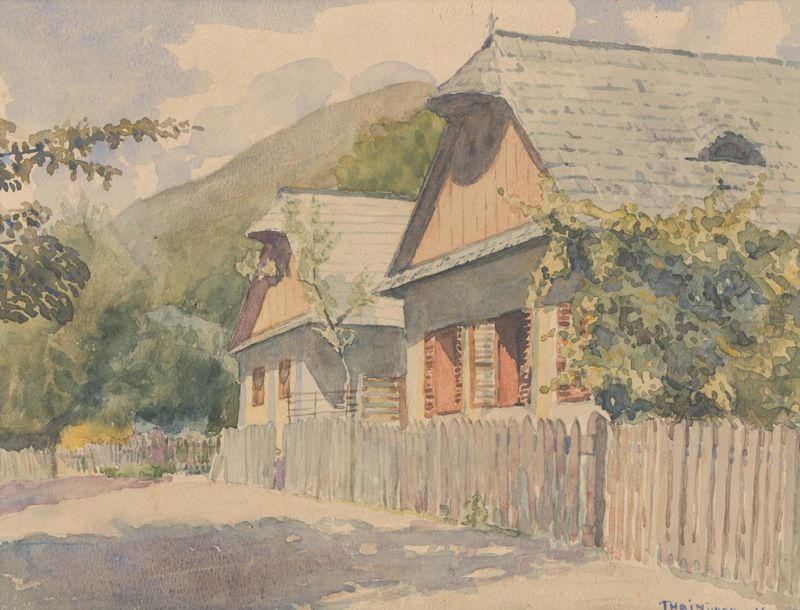
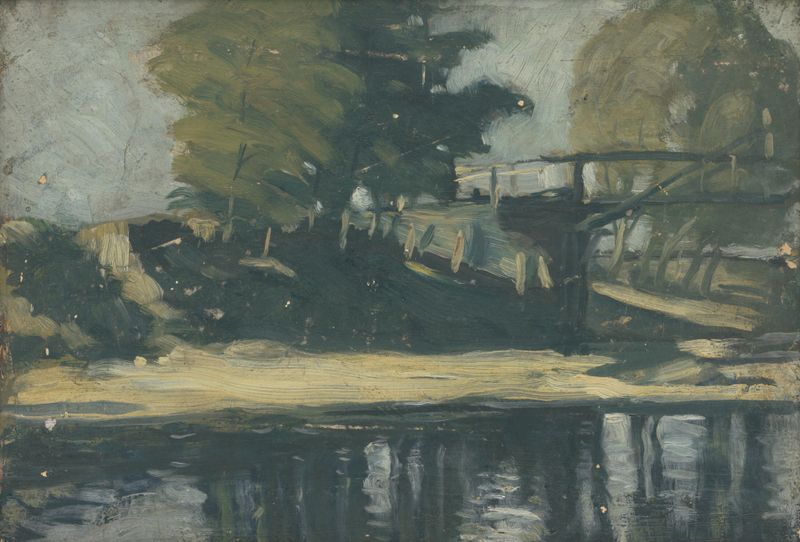
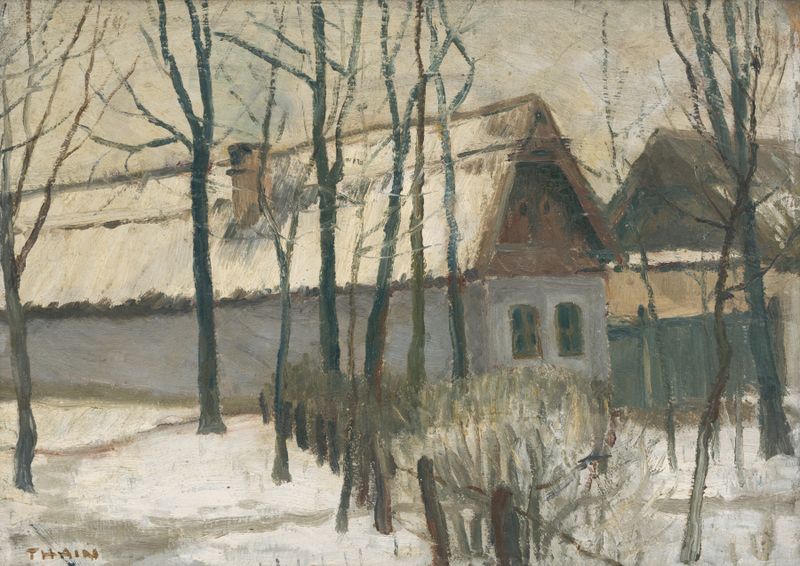
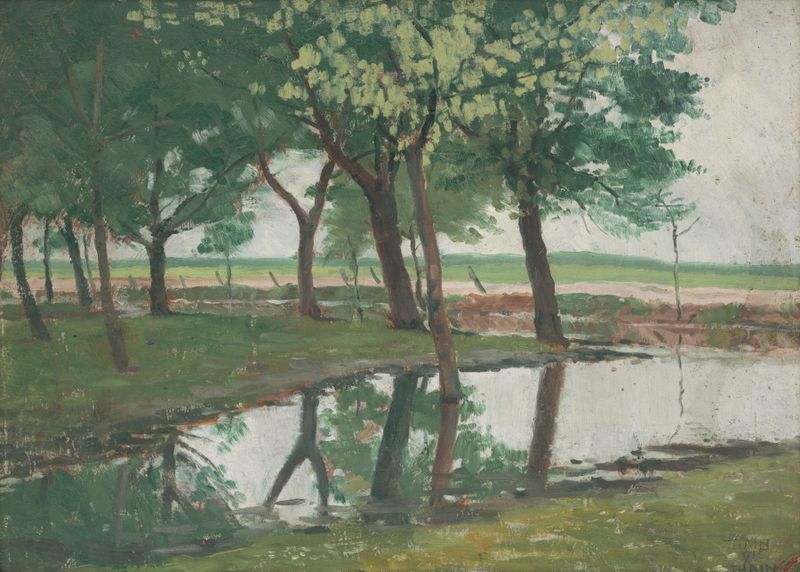
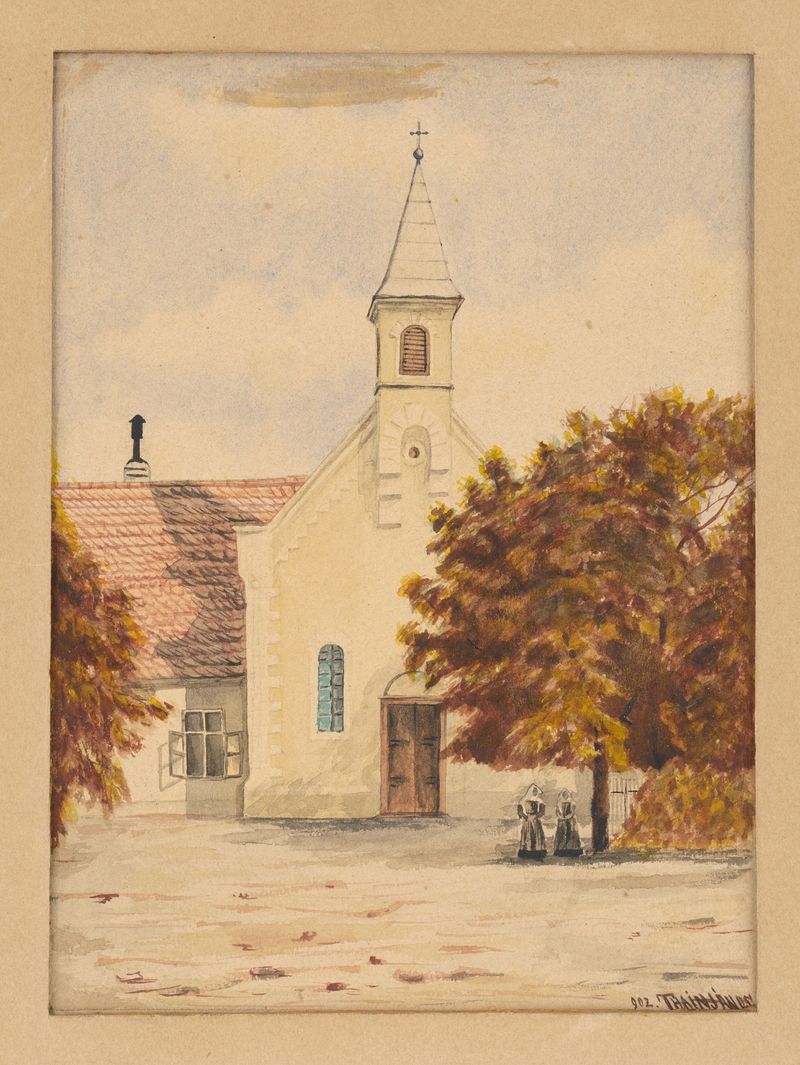
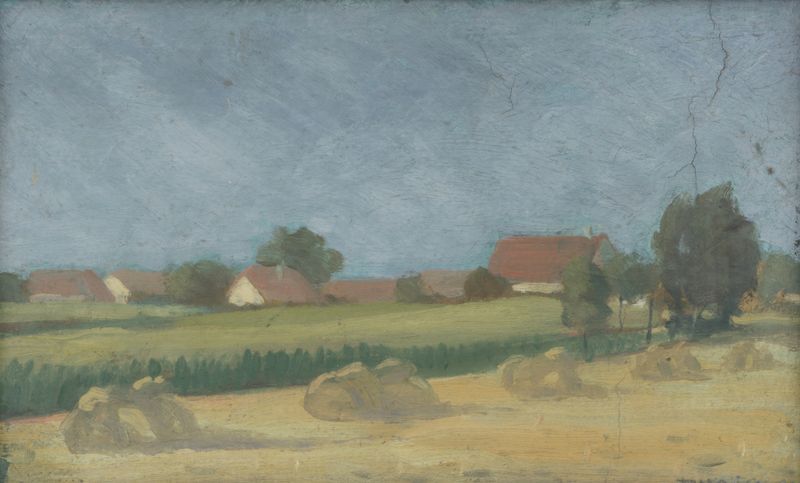
What if beauty was never meant to be finished? In the brushstrokes of a master artist, we find a tender longing interwoven with the essence of autumn. Look to the center of the canvas where warm, golden hues blend seamlessly with deep russets and vibrant ochres. The trees shimmer, their leaves caught in an eternal dance as whispers of wind ripple through the branches. Notice how the soft light bathes the landscape, creating a gentle chiaroscuro that accentuates the textures of the bark and the delicate fall of foliage, inviting the viewer to breathe in the moment captured on the canvas. Delve deeper, and you'll uncover a poignant interplay between nostalgia and transience.
The scattered leaves symbolize the ephemeral nature of time, each one a reminder of what has passed, while the lush earth beneath speaks of renewal and the promise of rebirth. The horizon, slightly blurred, evokes a sense of yearning for what lies beyond, creating a tension between the present beauty and the inevitable passage into winter. Ján Thain painted Jeseň in 1916 during a tumultuous period in Europe, marked by World War I. Living in a politically charged atmosphere, he sought solace in nature, reflecting on the cycles of life and death through his work.
This piece, created in his homeland of Slovakia, encapsulates his deep connection to the landscape and the emotional weight it carried during such uncertain times in art and society.