
Jesus Returning the Keys to St. Peter — History & Facts
When Jean Auguste Dominique Ingres submitted Jesus Returning the Keys to St. Peter to the 1820 Prix de Rome competition, he was staking his reputation on a subject that had challenged generations of artists before him. The contest, a prestigious gateway for young painters seeking recognition and state patronage, demanded a biblical theme rendered with clarity and grandeur.
Ingres, then only in his late twenties, chose the pivotal moment when Christ entrusts Peter with the keys to the kingdom of heaven—a scene loaded with theological weight and artistic precedent. The judges, steeped in the traditions of the French Neoclassical movement, would have recognized both the ambition and the risk in Ingres's selection. At the heart of the composition, Christ stands in gentle authority, his right hand extended as he places a pair of golden keys into the hands of a kneeling Peter. This is the moment described in the Gospel of Matthew (16:19), when Jesus proclaims, "I will give you the keys of the kingdom of heaven." Ingres isolates the two figures, allowing the viewer to focus on Peter's astonished humility and Christ’s serene assurance.
The keys themselves, rendered with precise metallic gleam, symbolize spiritual authority and the foundation of the papacy. Unlike Raphael’s crowded and architectural The Delivery of the Keys, Ingres opts for a spare, almost sculptural clarity, emphasizing the psychological exchange over narrative detail. The original medium of Jesus Returning the Keys to St. Peter is not firmly documented, though it is likely to be oil on canvas, the standard for academic submissions of the time.
The painting’s subsequent history is less well known; it did not achieve the fame of Ingres’s later works, and its whereabouts have sometimes been uncertain, with some sources suggesting it remains in a French institutional collection. For Ingres, this early work marked a critical step in his evolution from student to celebrated master, foreshadowing the precision and linear grace that would define his mature style. Today, it stands as a testament to the ambitions and anxieties of a young artist vying for recognition on the grand stage of early nineteenth-century French art.
More Artworks by Jean Auguste Dominique Ingres
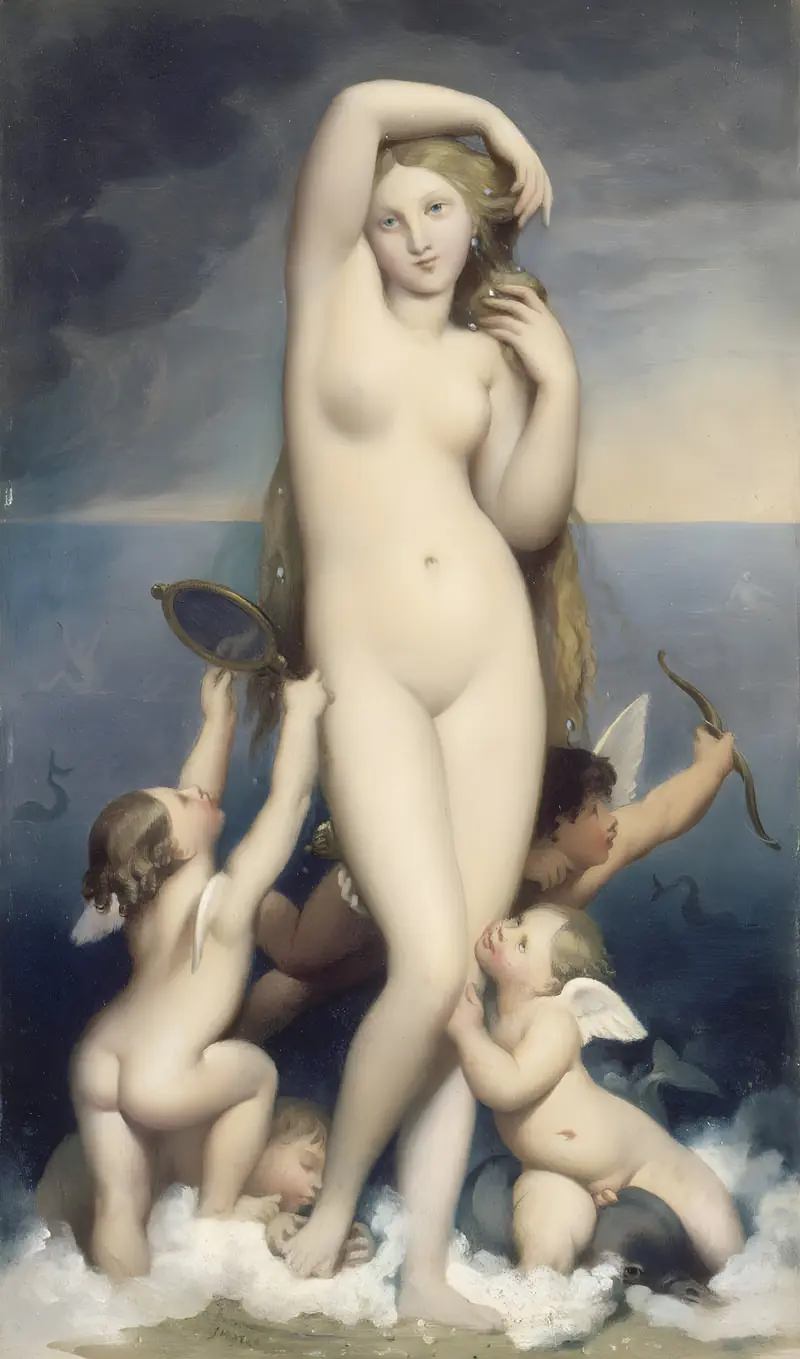
Vénus anadyomène
Jean Auguste Dominique Ingres
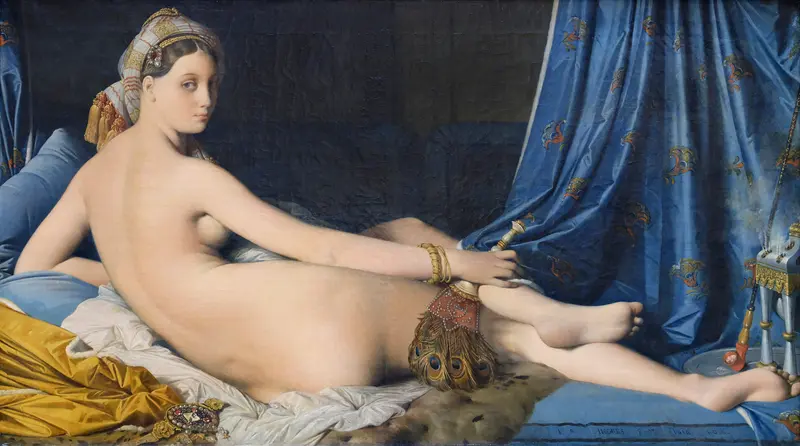
Grande Odalisque
Jean Auguste Dominique Ingres
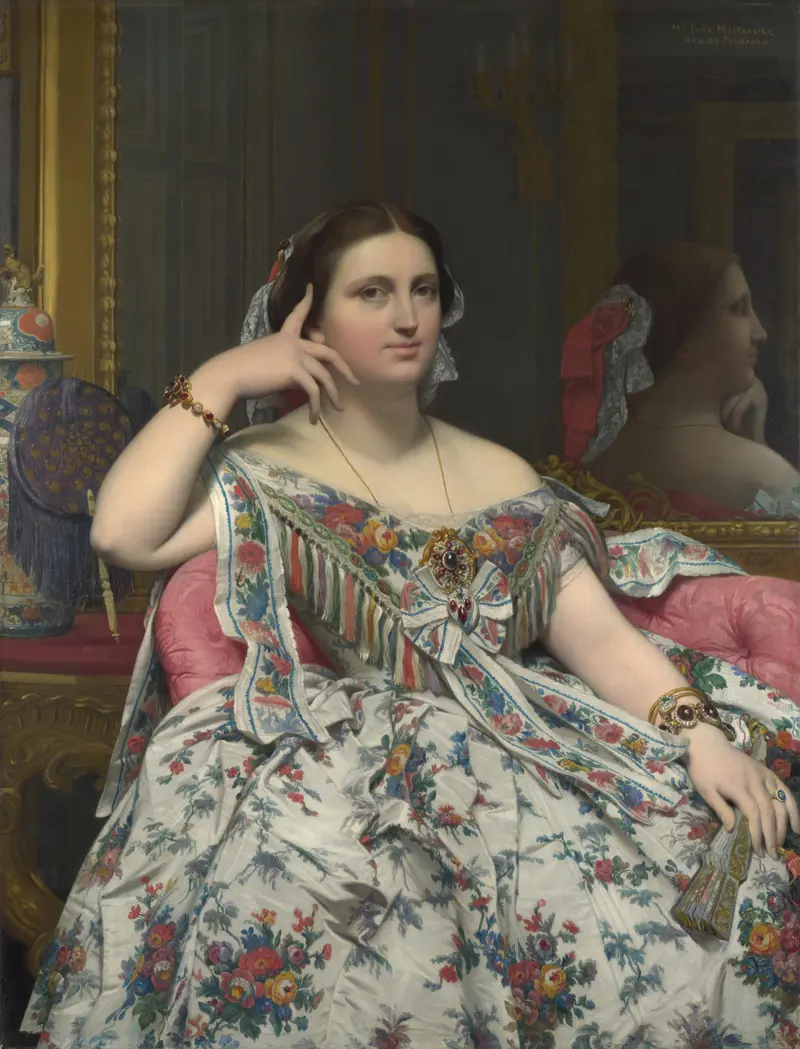
Madame Moitessier (seated)
Jean Auguste Dominique Ingres
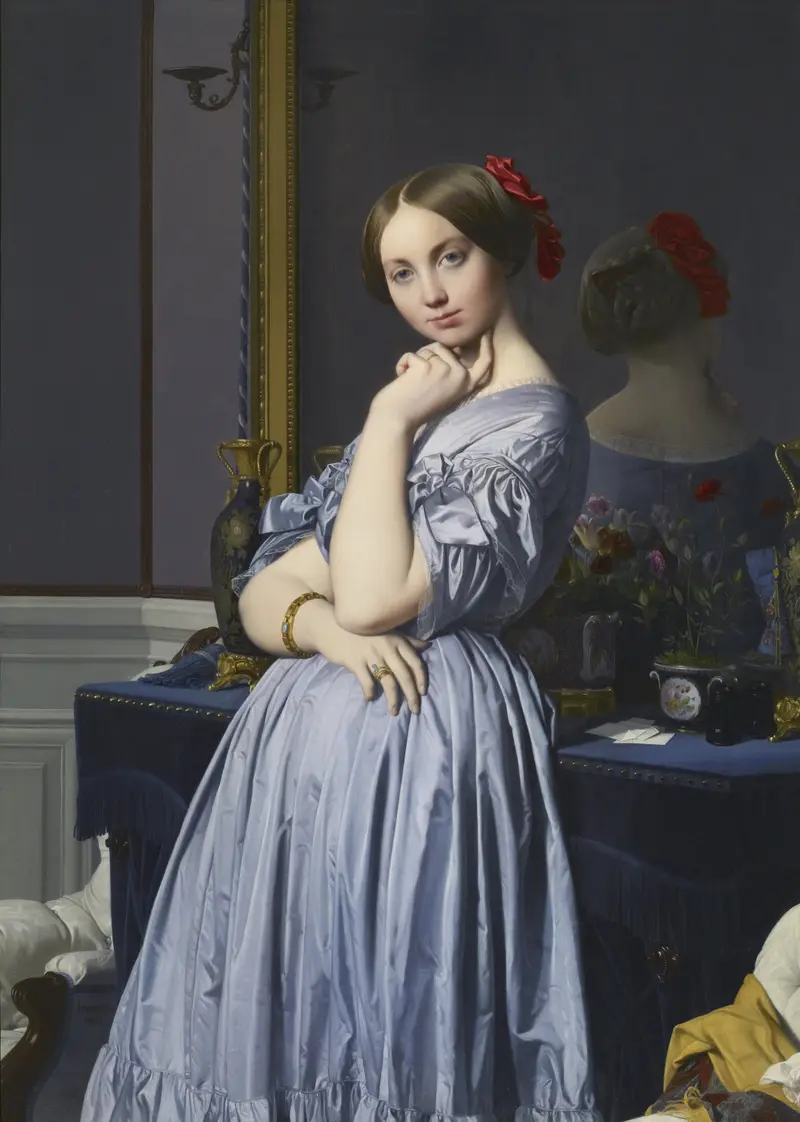
Portrait of Comtesse d’Haussonville
Jean Auguste Dominique Ingres
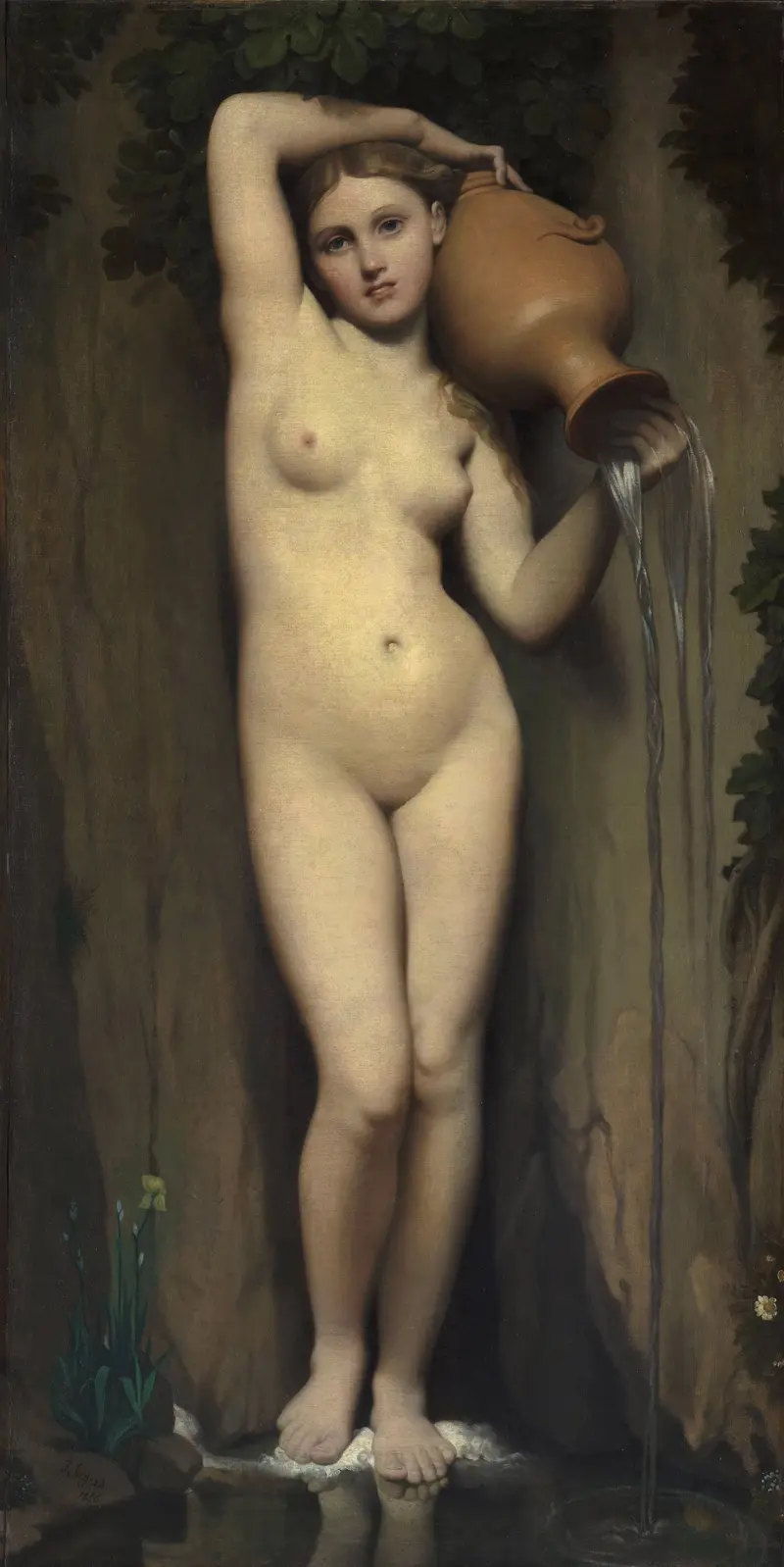
The Source
Jean Auguste Dominique Ingres
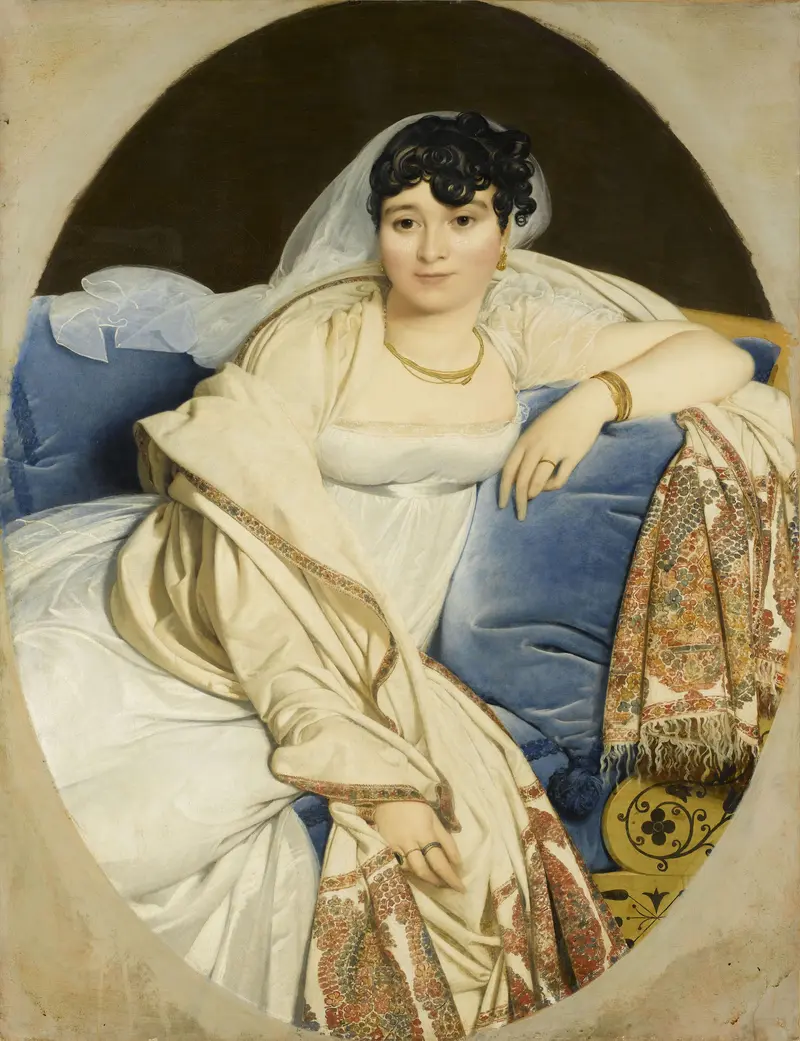
Madame Rivière
Jean Auguste Dominique Ingres

Madame Jean-Auguste-Dominique Ingres, née Madeleine Chapelle
Jean Auguste Dominique Ingres

Portrait of a Lady
Jean Auguste Dominique Ingres
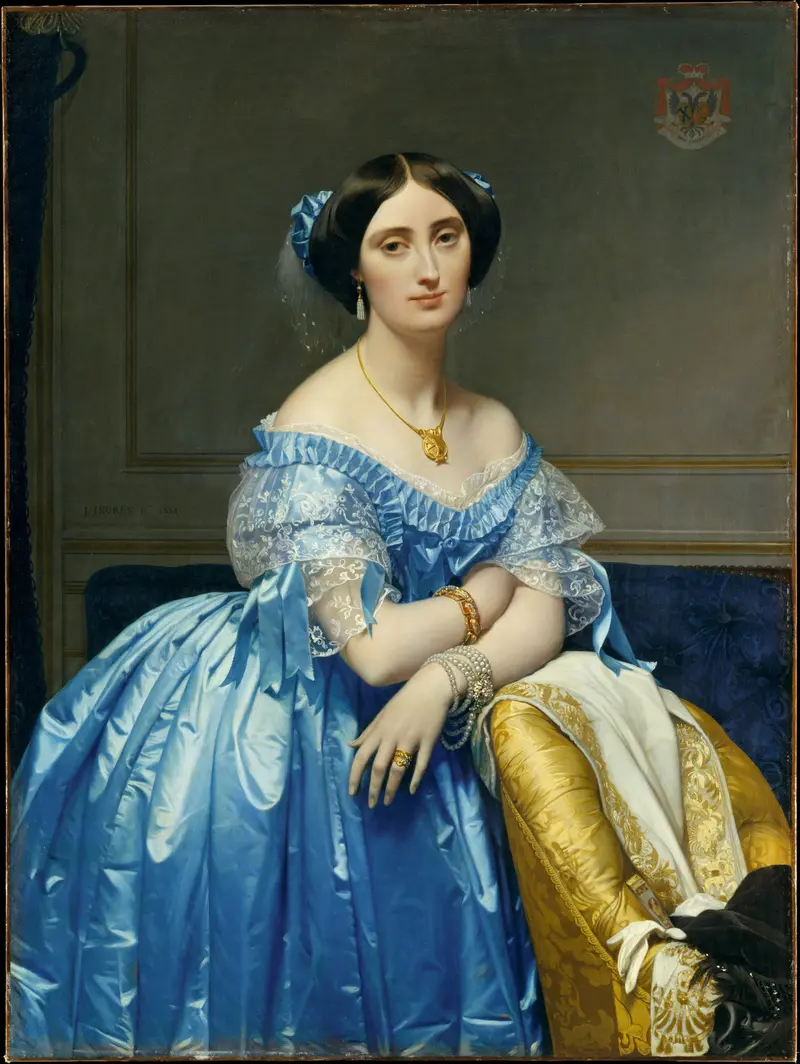
Joséphine-Éléonore-Marie-Pauline de Galard de Brassac de Béarn (1825–1860), Princesse de Broglie
Jean Auguste Dominique Ingres
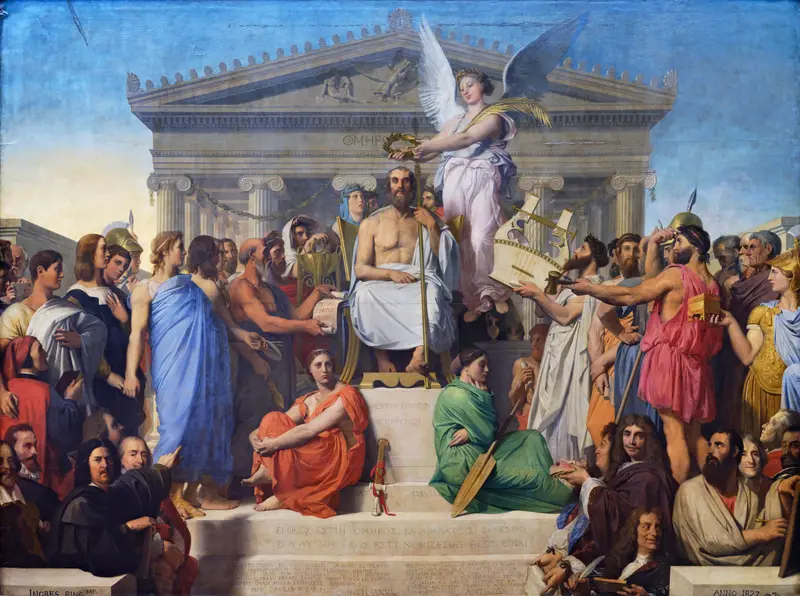
The Apotheosis of Homer
Jean Auguste Dominique Ingres





