Jeune cuisinier — History & Facts
The first thing that catches the eye is the quiet gravity of the young cook’s gaze, half-shadowed, steady, and utterly present. Light pours across the white of his uniform, sculpting the folds and creases with thick, textured brushwork that seems almost hurried—yet every stroke finds its mark. He sits slightly turned, as if caught in a moment between duties, the weight of a heavy platter and spoon anchoring him to the world of work.
The background recedes into darkness, isolating the figure and drawing all attention to the interplay of flesh, linen, and the earthy tones of the jug and cup at his feet. The scene is hushed, yet the painter’s hand is vigorous, the paint alive with the energy of observation. Painted in the mid-19th century, Jeune cuisinier belongs to a time when artists like Augustin Théodule Ribot found poetry in the lives of ordinary people. This was the era of Realism, when French painters turned their attention from grand mythologies to the dignity of everyday labor.
Works like this were rarely made for the salons of the elite; instead, they spoke to a growing taste for honest, unvarnished scenes, often destined for the homes of the rising bourgeoisie or collectors drawn to the new sincerity in art. Now held in the Museum of Fine Arts of Reims, this painting stands as a quiet testament to a world in transition—one in which even a young cook, momentarily at rest, could become the hero of his own story. Let your eyes linger on the cook’s hands and the glint of light on the jug: here, the ordinary becomes quietly monumental.
More Artworks by Augustin Théodule Ribot

The Scullion
Augustin Théodule Ribot
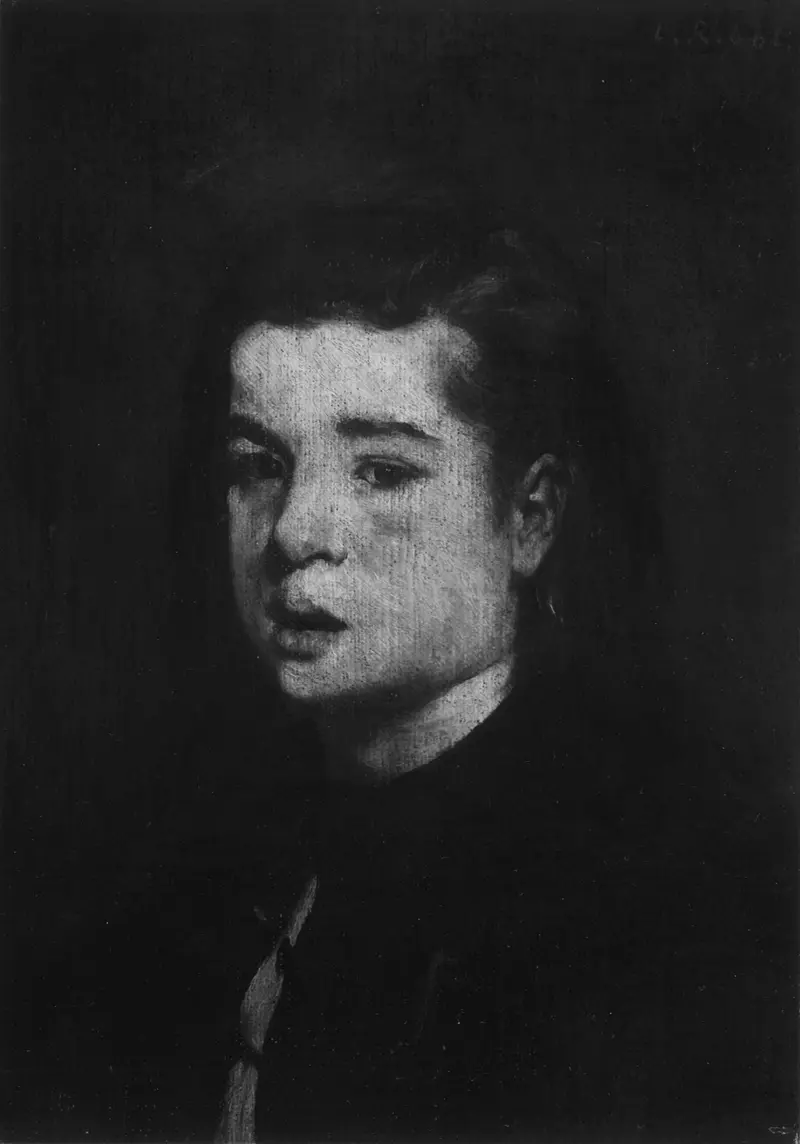
The Artist's Daughter
Augustin Théodule Ribot
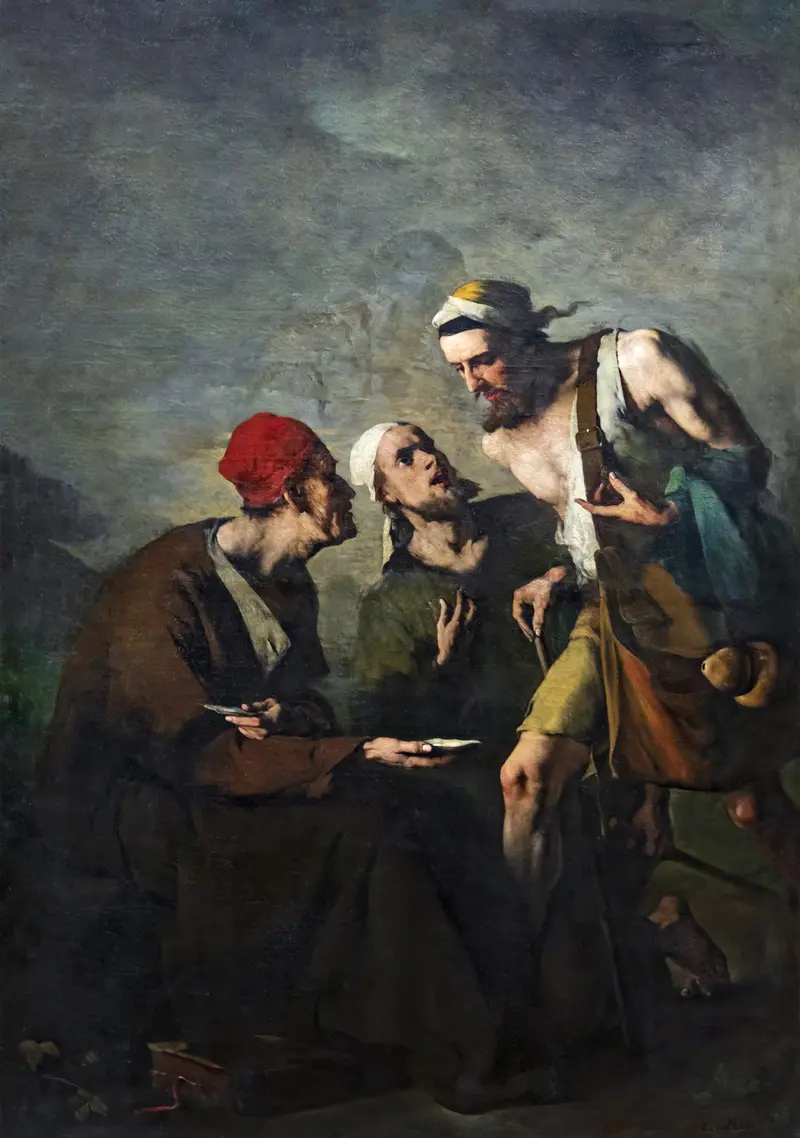
The oyster and the Litigant's
Augustin Théodule Ribot
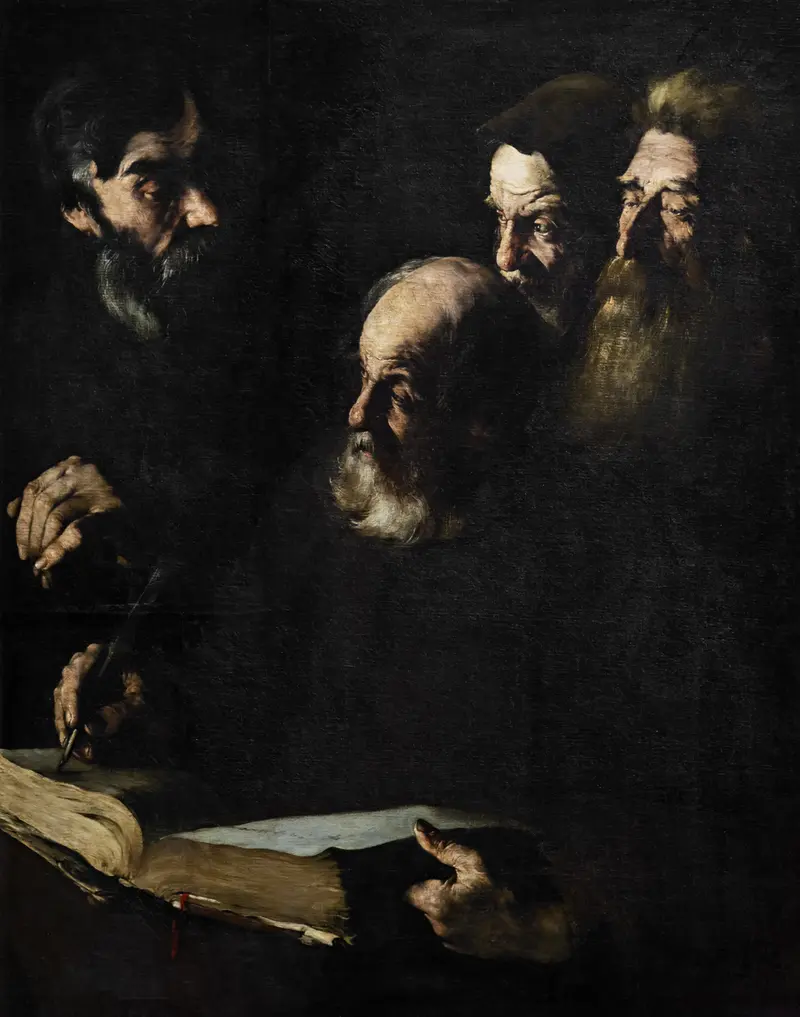
The philosophers
Augustin Théodule Ribot
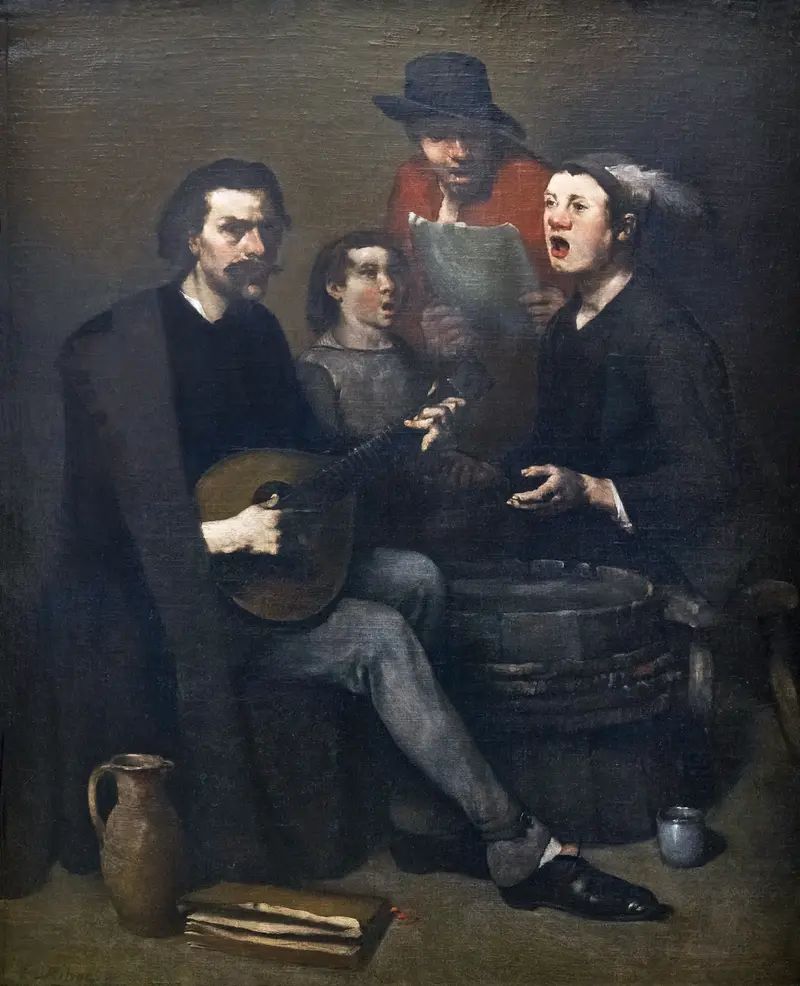
Singers
Augustin Théodule Ribot
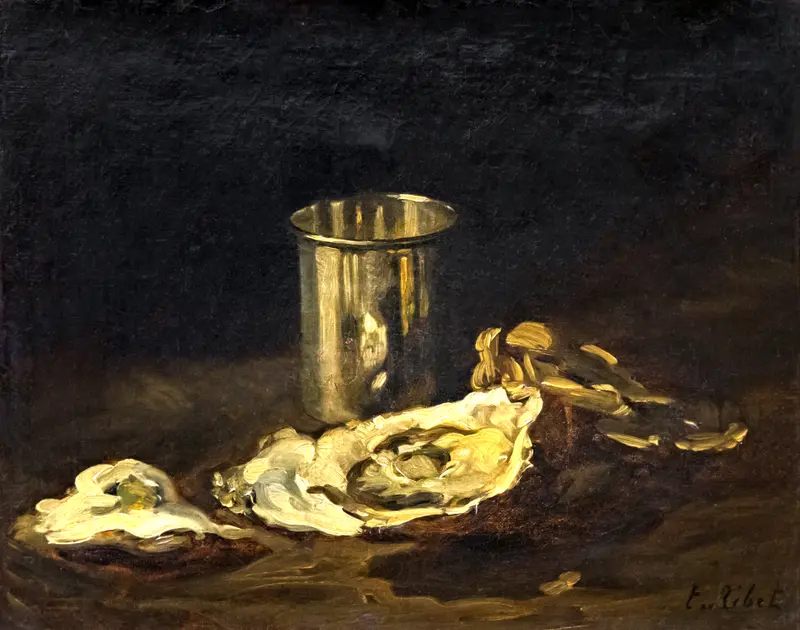
Oyster and timbale
Augustin Théodule Ribot
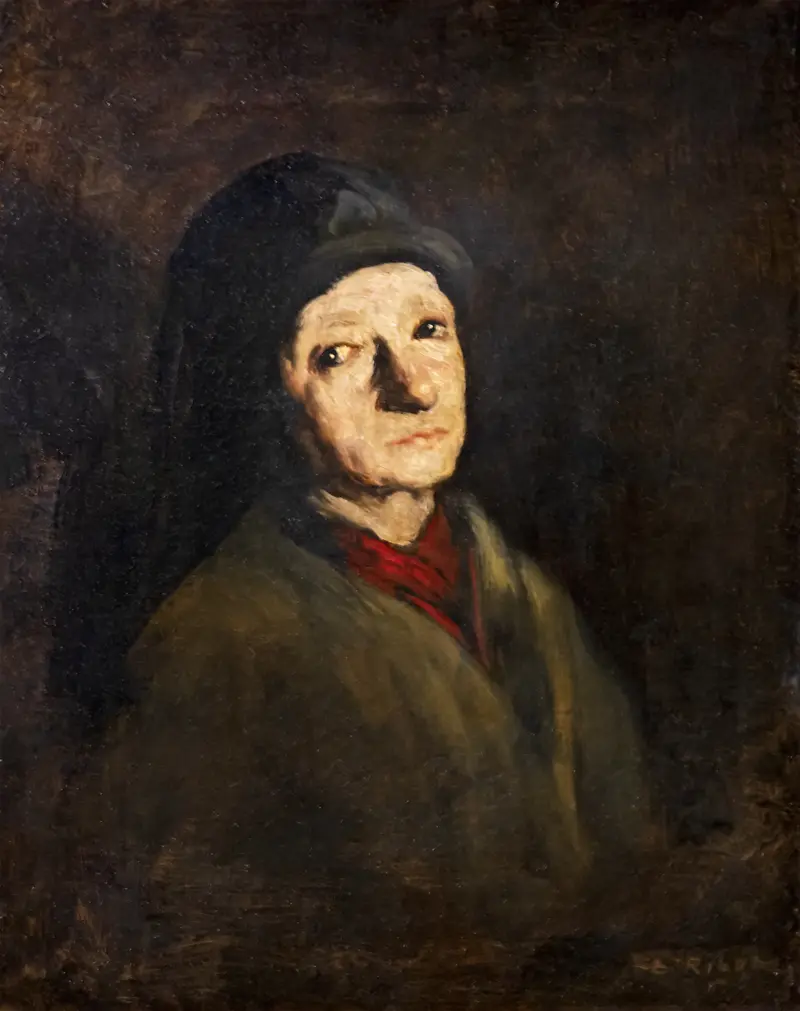
Portrait of the artist's mother
Augustin Théodule Ribot
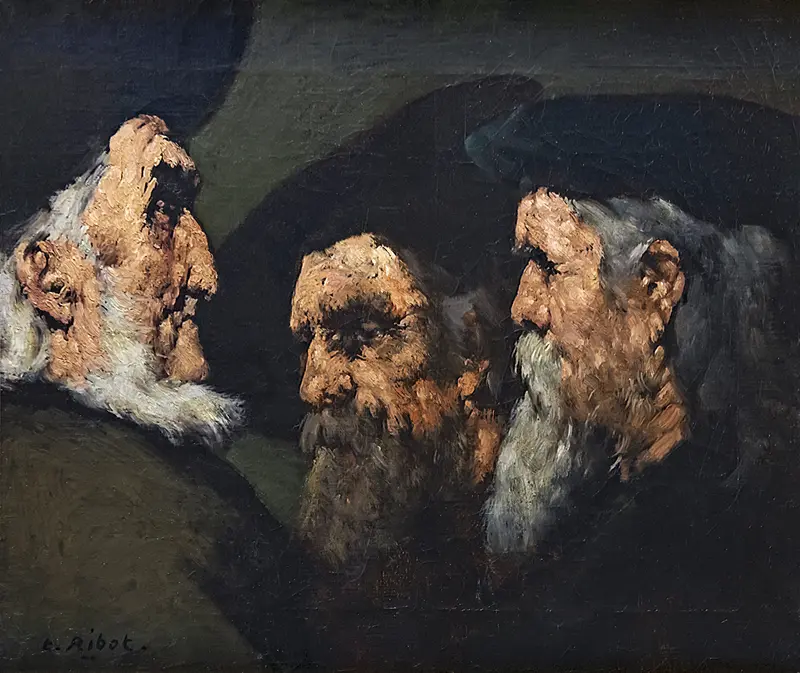
Three old jews
Augustin Théodule Ribot
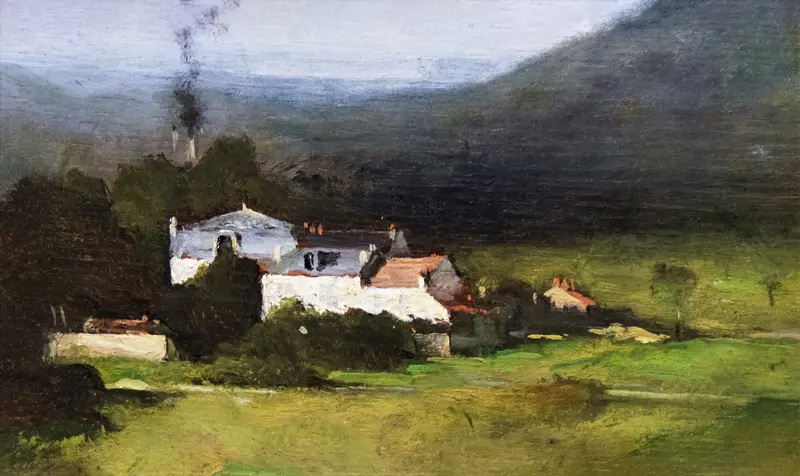
' Landscape ', known as ' La Maison de Corot in Ville-d'Avray '
Augustin Théodule Ribot
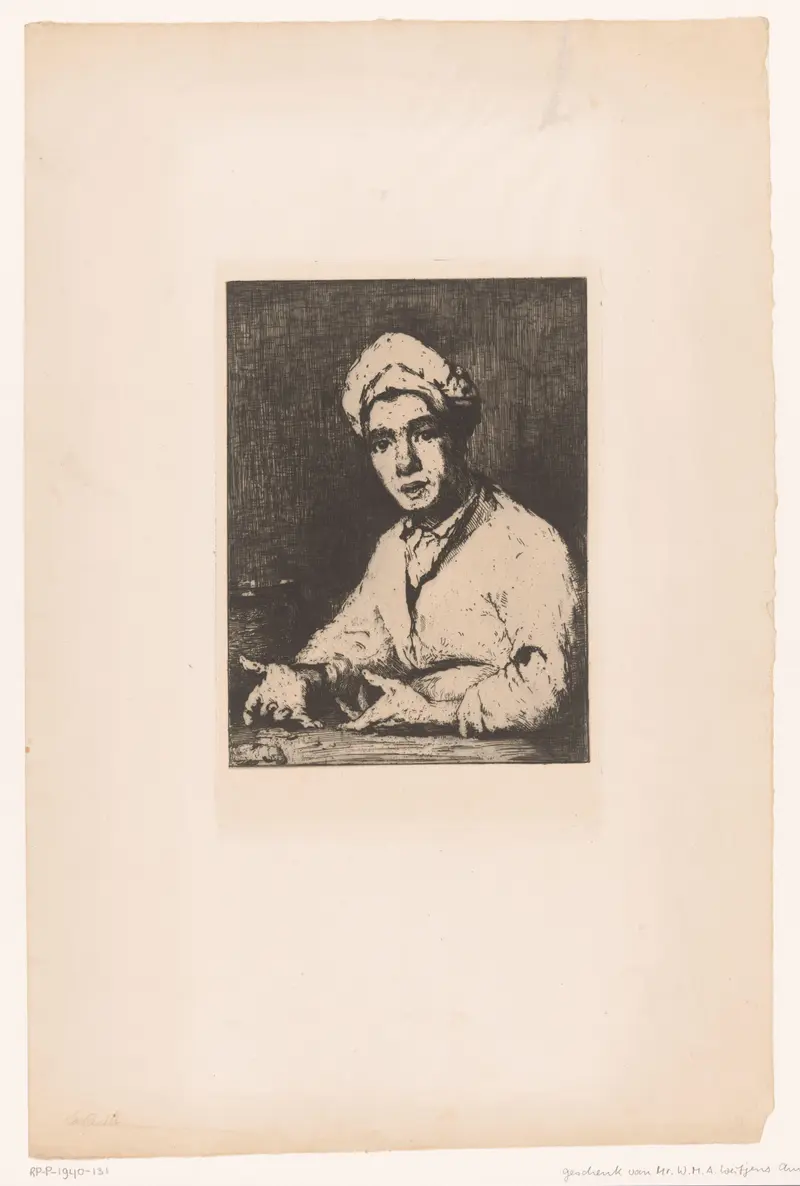
La recette du cuisinier
Augustin Théodule Ribot