
Johannes de Doper predikt tot de menigte — History & Facts
The weight of unspoken words hangs like a fog over the gathering, a moment steeped in nostalgia and reverence. The past lingers in the air, as onlookers transition from the noise of their daily lives to a solemn communion with faith and humanity. Look to the center of the canvas, where John the Baptist, draped in earthy tones, stands in commanding contrast to the muted crowd. The delicate brushwork captures the fervor of his gestures, arms raised, inviting all to listen.
Notice how the light cascades softly from above, illuminating the figure while leaving the throng in shadows, suggesting both isolation and collective experience. The varying shades of browns and grays evoke a sense of antiquity, connecting the viewer to a world steeped in tradition and spiritual longing. Delve deeper into the faces that surround him; each one tells a story of yearning and contemplation. The wrinkles of age, the furrows of worry, and the brightness in the youth's eyes all reflect an emotional tapestry woven with hope and despair.
This juxtaposition of the sacred and the ordinary captures a poignant truth about the human condition, reminding us that in the silence of faith, there exists a profound vulnerability. In the early 1630s, Jacques Callot was entrenched in a world of shifting artistic paradigms, innovating within the realms of printmaking and painting. Living in Nancy, France, during a tumultuous period marked by the Thirty Years' War, he sought solace in themes of spirituality and community. Johannes de Doper predikt tot de menigte emerged from this context, reflecting his deep engagement with the human experience and his desire to portray the intersection of the divine and the mundane.
More Artworks by Jacques Callot
Browse all →
Titelprent voor de prentreeks 'De kleine apostelen' (Het martelaarschap van de apostelen)
Jacques Callot
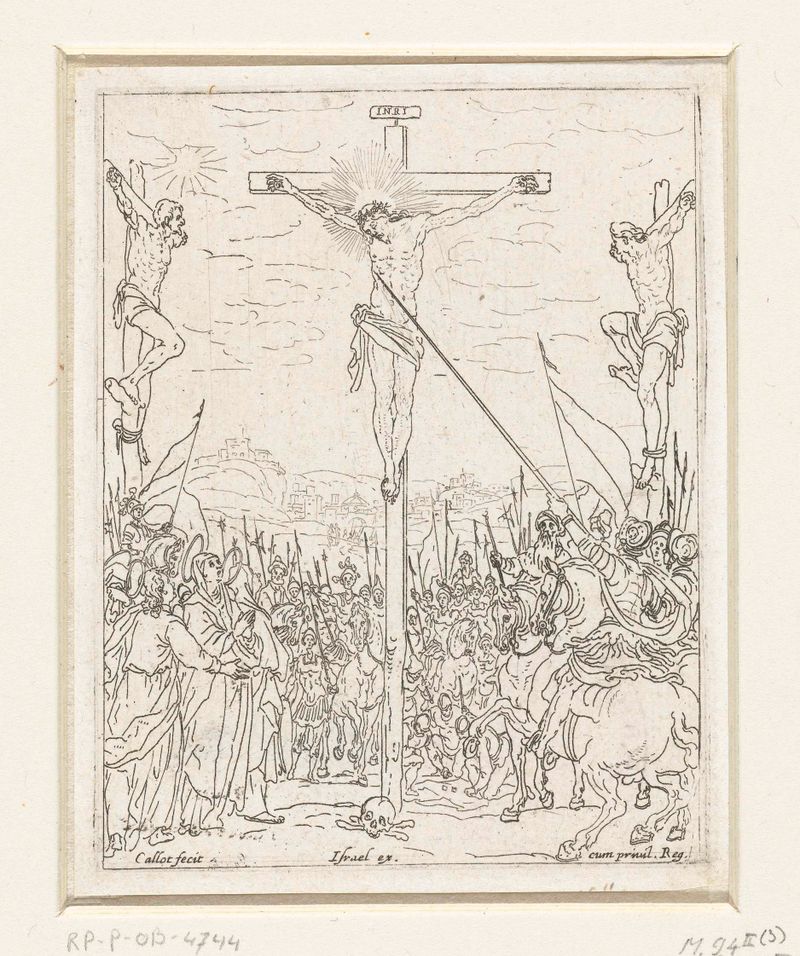
Kruisiging
Jacques Callot

De doortocht door de Rode Zee
Jacques Callot

De verloren zoon als zwijnenhoeder
Jacques Callot

Annunciatie
Jacques Callot
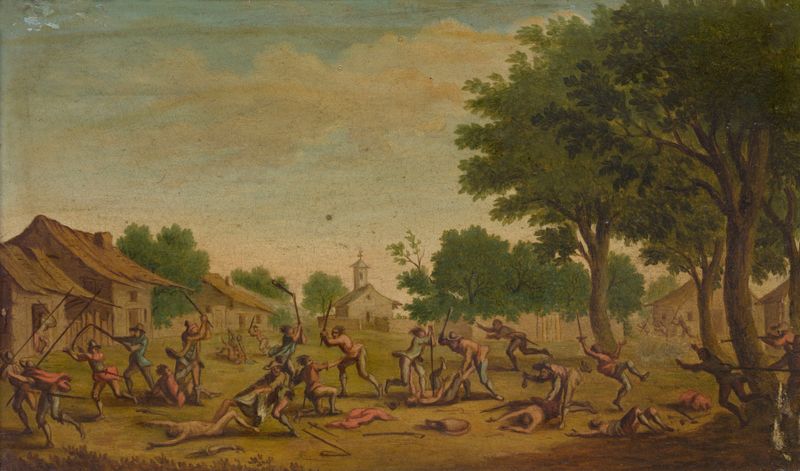
Village Fight
Jacques Callot

Titelprent voor prentreeks 'Het leven van Maria'
Jacques Callot
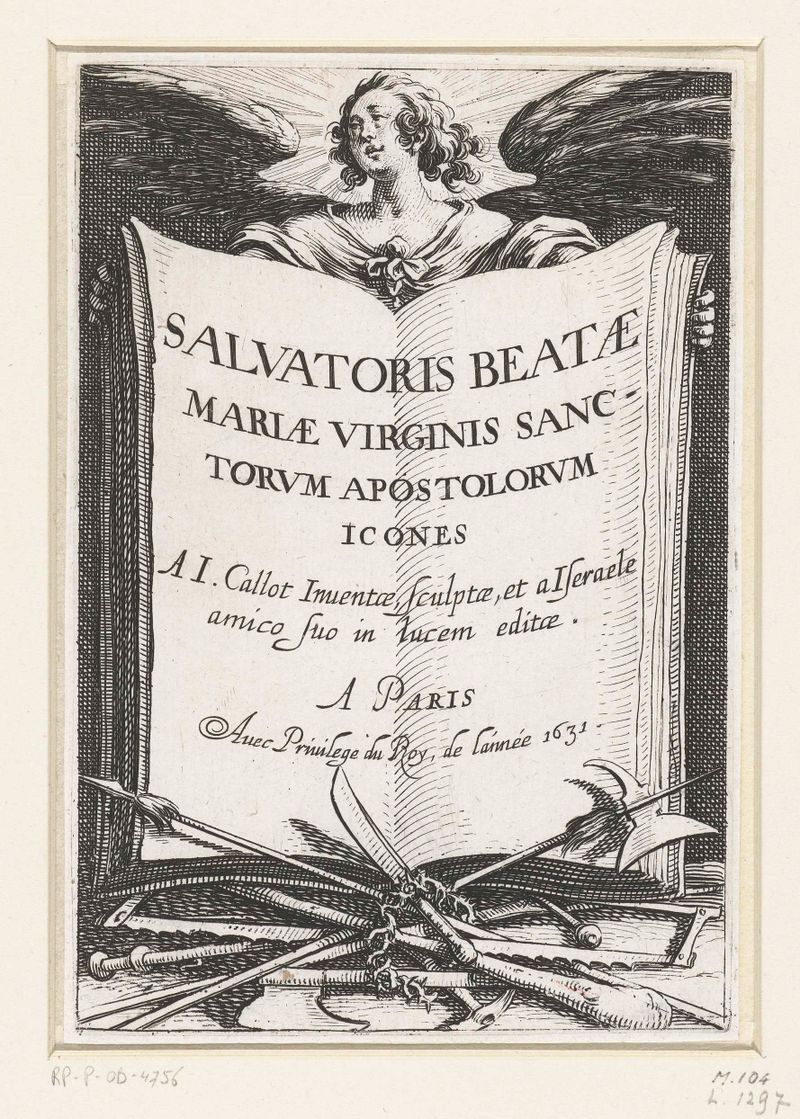
Titelprent voor de prentreeks 'De grote apostelen' (Christus, Maria en de apostelen)
Jacques Callot

Christus aan het volk getoond (Ecce homo)
Jacques Callot
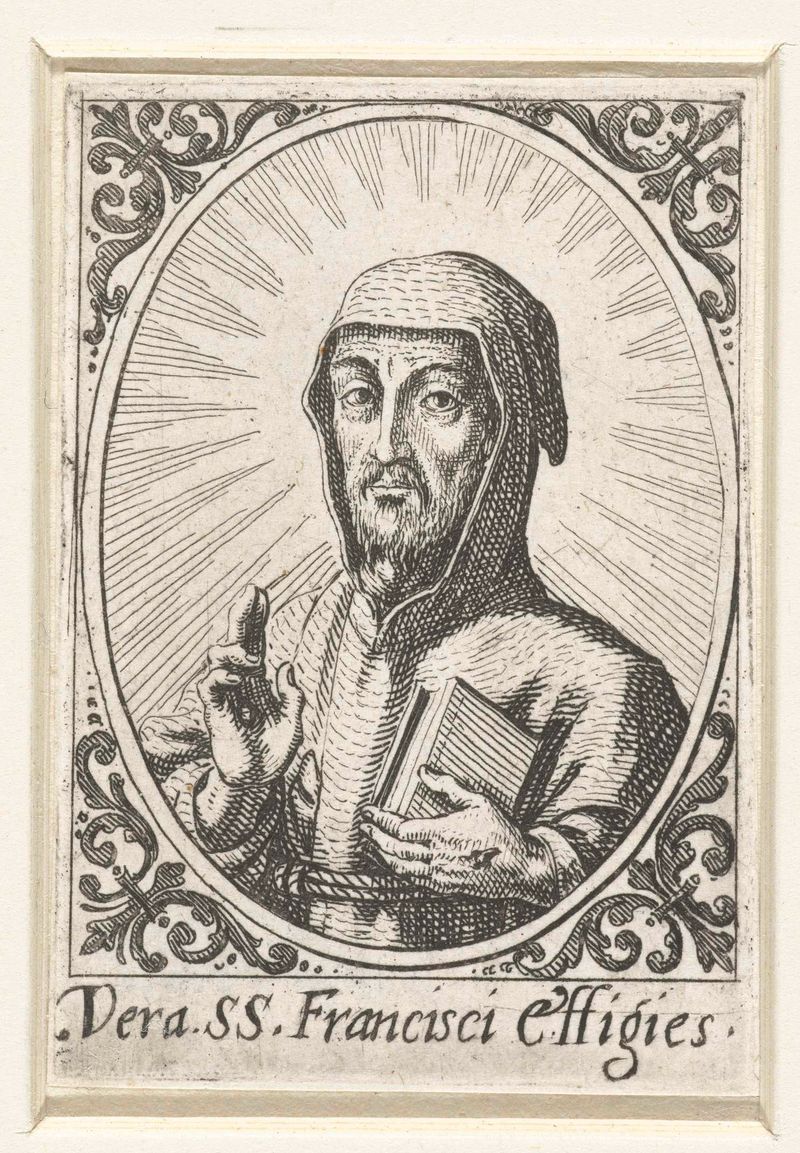
Portret van de Heilige Franciscus
Jacques Callot
More Religious Art
Browse all →
The Return of the Prodigal Son
Rembrandt van Rijn

The Garden of Earthly Delights
El Bosco

Count Orgaz’ funeral
El Greco

The Hundred Guilder Print: the central piece with Christ preaching, the plate arched
Rembrandt van Rijn

The Descent from the Cross
Rogier van der Weyden

The return of the prodigal son
Rembrandt van Rijn