
Johannes de Evangelist op Patmos — History & Facts
Could beauty survive in a century of chaos? The question lingers as we contemplate the intricate world captured in Johannes de Evangelist op Patmos. Here, the delicate balance of faith and turmoil unfolds, offering a glimpse into the profound depths of the human spirit during turbulent times. Look closely at the figure of St. John, positioned at the center of the composition, bathed in an otherworldly light that seems to emanate from the heavens.
Focus on the subtle hues of blue and gold that envelop him, contrasting sharply with the darker, more chaotic elements that surround his serene presence. The careful detailing of his garments and the scroll in his hand draw your gaze, hinting at the weight of divine revelation amidst the stormy backdrop of nature and swirling clouds. Embedded within the painting are layers of meaning that evoke the tension between peace and disruption. The tumultuous sea crashing against the rocks symbolizes the violent upheavals of the era, while the angelic figures above here promise hope and guidance.
One cannot ignore the careful interplay between light and shadow, where illumination represents spiritual insight wrestling against the encroaching darkness of doubt and despair. During the years 1621 to 1635, Jacques Callot was deeply immersed in the artistic landscape of Baroque Europe, a period marked by both religious fervor and political upheaval. Living in France during the Thirty Years' War, he captured the essence of a world struggling between belief and conflict, translating his societal observations into a visual language that transcended the chaos of the time.
More Artworks by Jacques Callot
Browse all →
Titelprent voor de prentreeks 'De kleine apostelen' (Het martelaarschap van de apostelen)
Jacques Callot
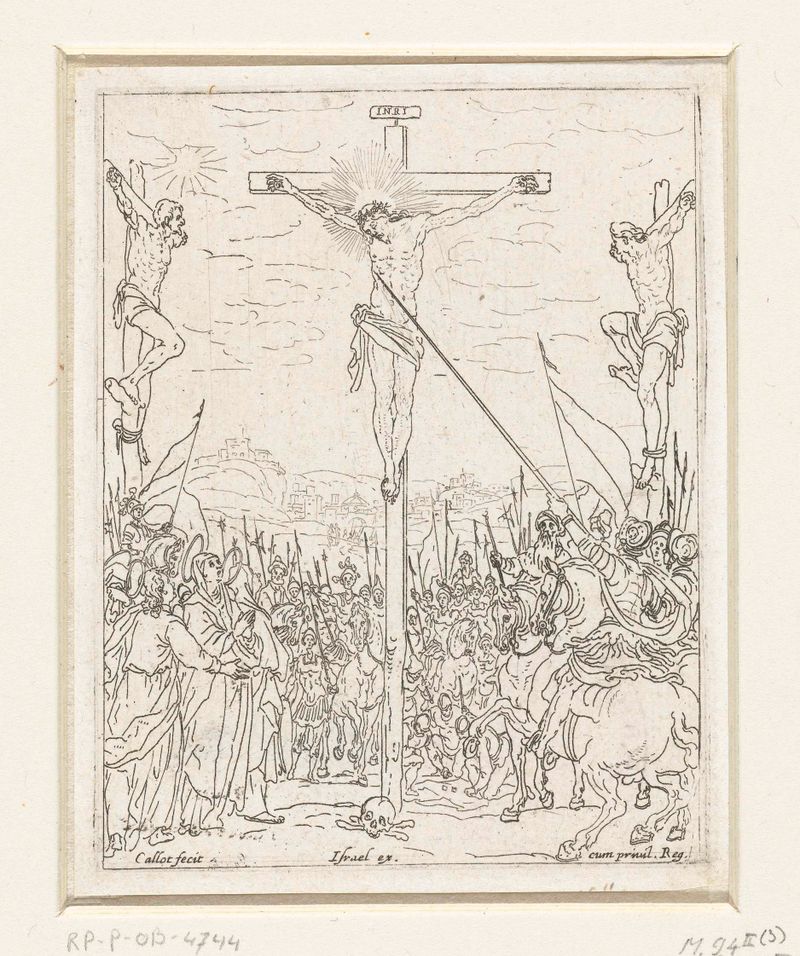
Kruisiging
Jacques Callot

De doortocht door de Rode Zee
Jacques Callot

De verloren zoon als zwijnenhoeder
Jacques Callot

Annunciatie
Jacques Callot
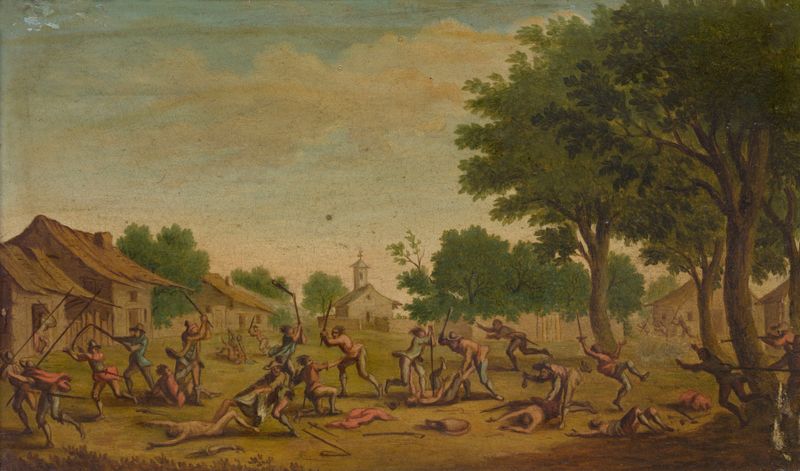
Village Fight
Jacques Callot

Titelprent voor prentreeks 'Het leven van Maria'
Jacques Callot
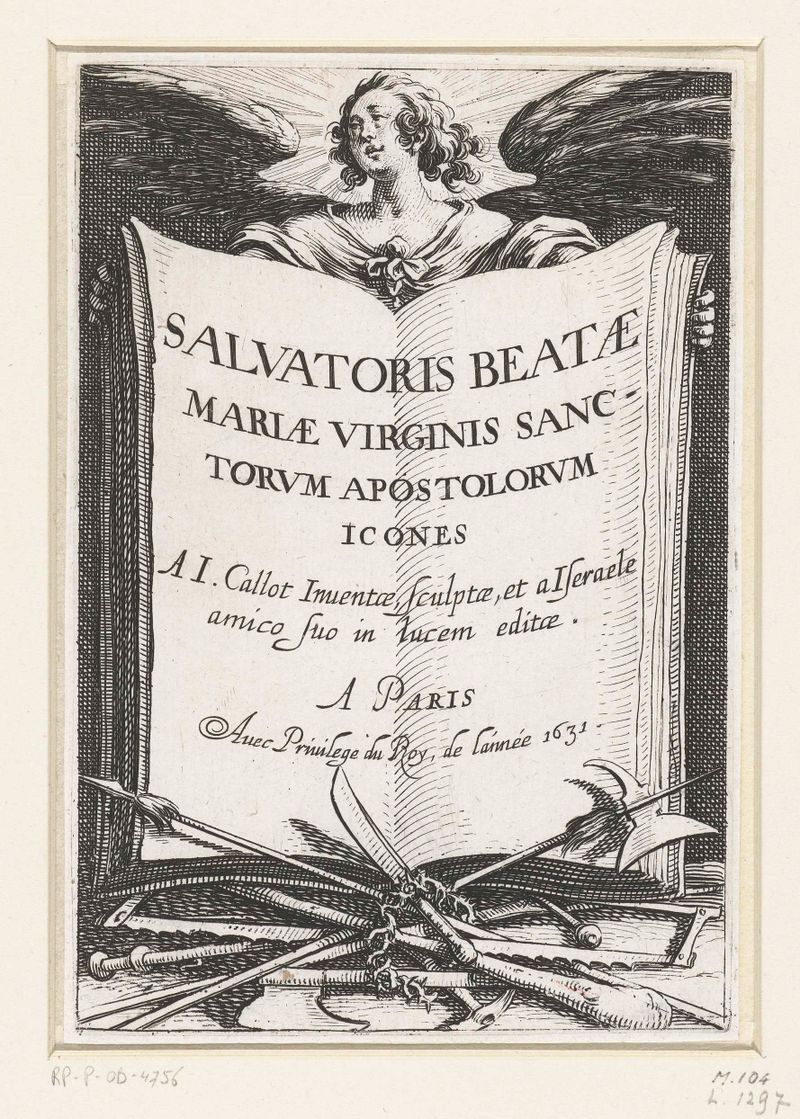
Titelprent voor de prentreeks 'De grote apostelen' (Christus, Maria en de apostelen)
Jacques Callot

Christus aan het volk getoond (Ecce homo)
Jacques Callot
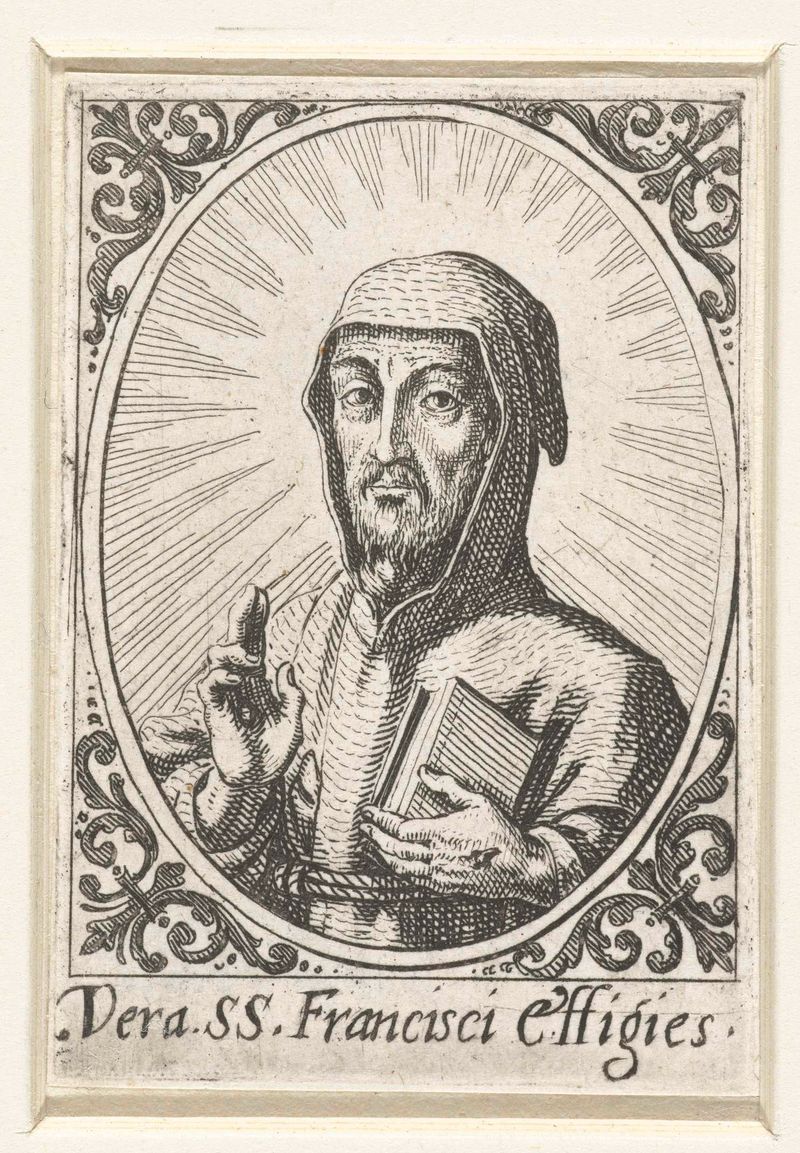
Portret van de Heilige Franciscus
Jacques Callot
More Religious Art
Browse all →
The Return of the Prodigal Son
Rembrandt van Rijn

The Garden of Earthly Delights
El Bosco

Count Orgaz’ funeral
El Greco

The Hundred Guilder Print: the central piece with Christ preaching, the plate arched
Rembrandt van Rijn

The Descent from the Cross
Rogier van der Weyden

The return of the prodigal son
Rembrandt van Rijn