
Jona zit onder de wonderboom in de buurt van Nineve — History & Facts
What if silence could speak through light? In Jona zit onder de wonderboom in de buurt van Nineve, the stillness of the moment invites a contemplative hush, as if time itself has held its breath, waiting for the viewer to engage. Focus first on the figure of Jonah, reclining beneath a lush, oversized tree. His weary posture speaks volumes; the interplay of shadows and light captures the tension between desolation and introspection. Notice how the vibrant greens of the tree contrast with Jonah's muted attire, drawing attention to his isolation.
The way light filters through the leaves creates a dappled effect, emphasizing the sanctuary yet also the weight of expectation resting upon him. Delve deeper into the painting's emotional layers, where the wonder tree serves as a dual symbol — both comfort and the ephemeral nature of existence. The contrast between Jonah's serenity and the looming shadows hints at his internal struggle, reflecting humanity's universal search for meaning amidst despair. Each brushstroke captures a fleeting moment, inviting an exploration of the relationship between revelation and solitude. During the years 1538 to 1543, Hans Holbein (II) was navigating the complexities of a shifting artistic landscape in Europe.
Settled in England, his work reflected the growing influence of humanism and the Protestant Reformation. This period of his career was marked by a search for profound themes that resonated with spiritual depth, positioning him as a pivotal figure in the transition of art from medieval conventions to more personal narratives.
More Artworks by Hans Holbein (II)
Browse all →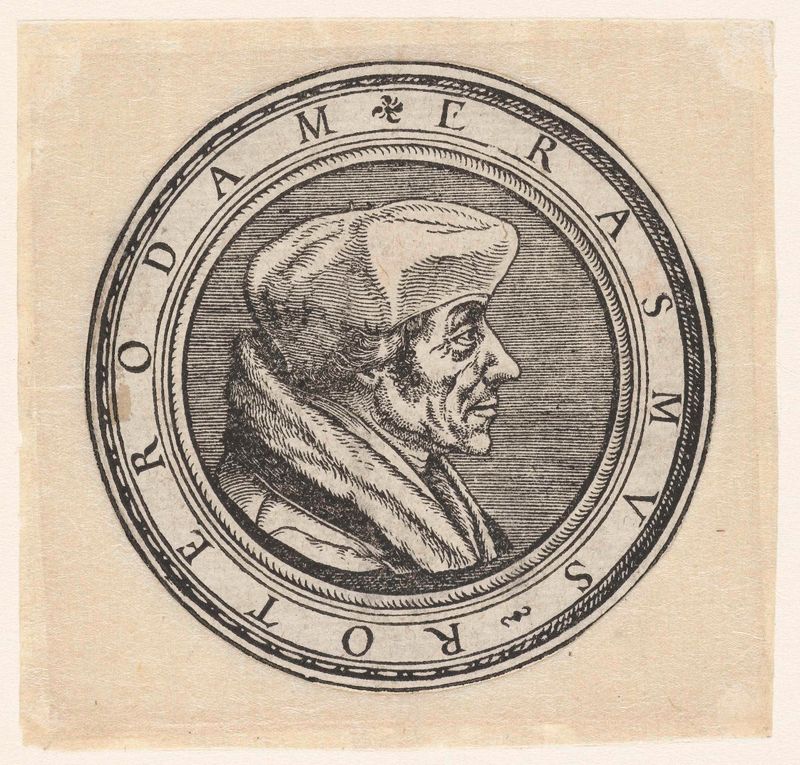
Portret van Erasmus
Hans Holbein (II)
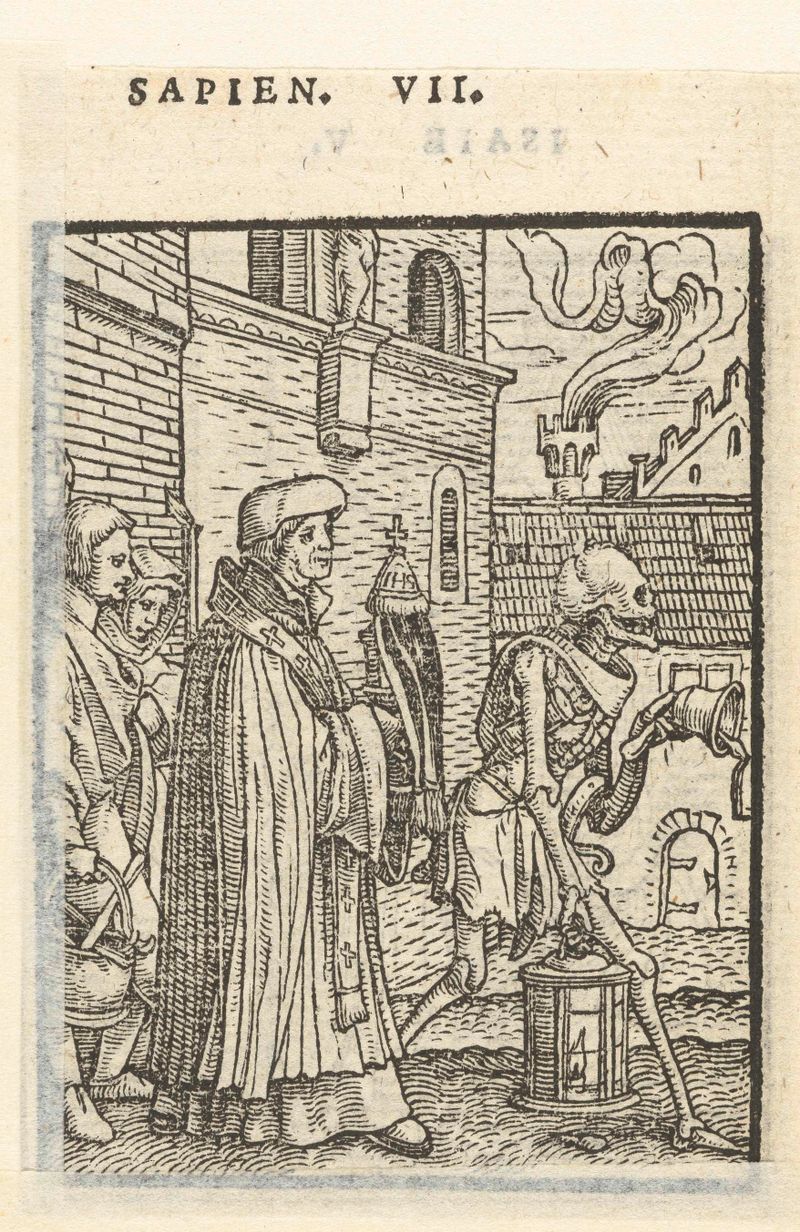
Priester en de Dood
Hans Holbein (II)
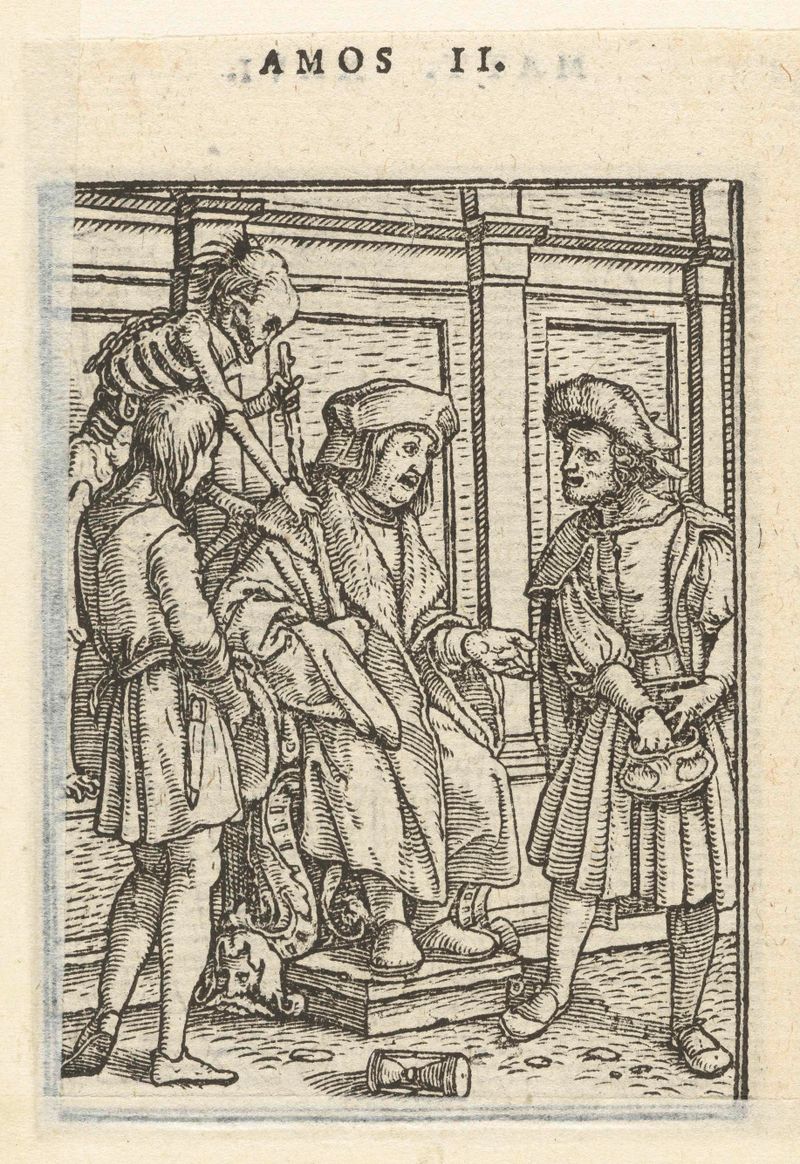
Rechter en de Dood
Hans Holbein (II)
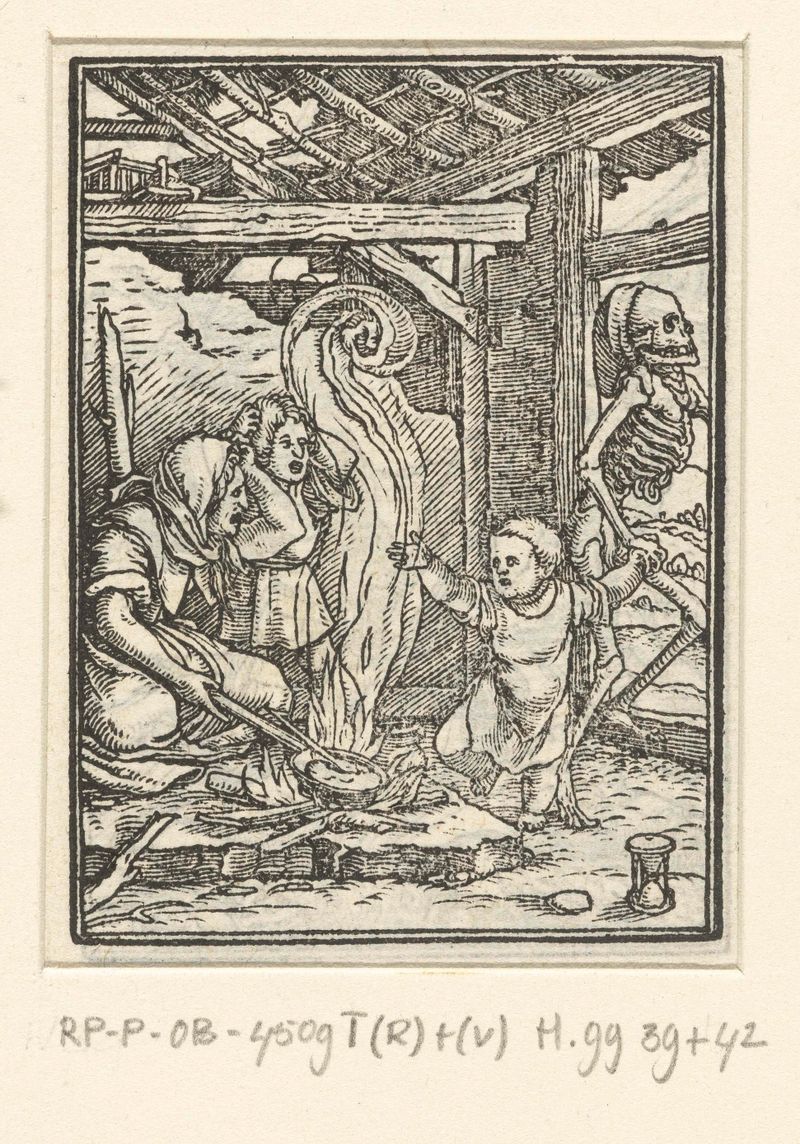
Kind en de Dood
Hans Holbein (II)
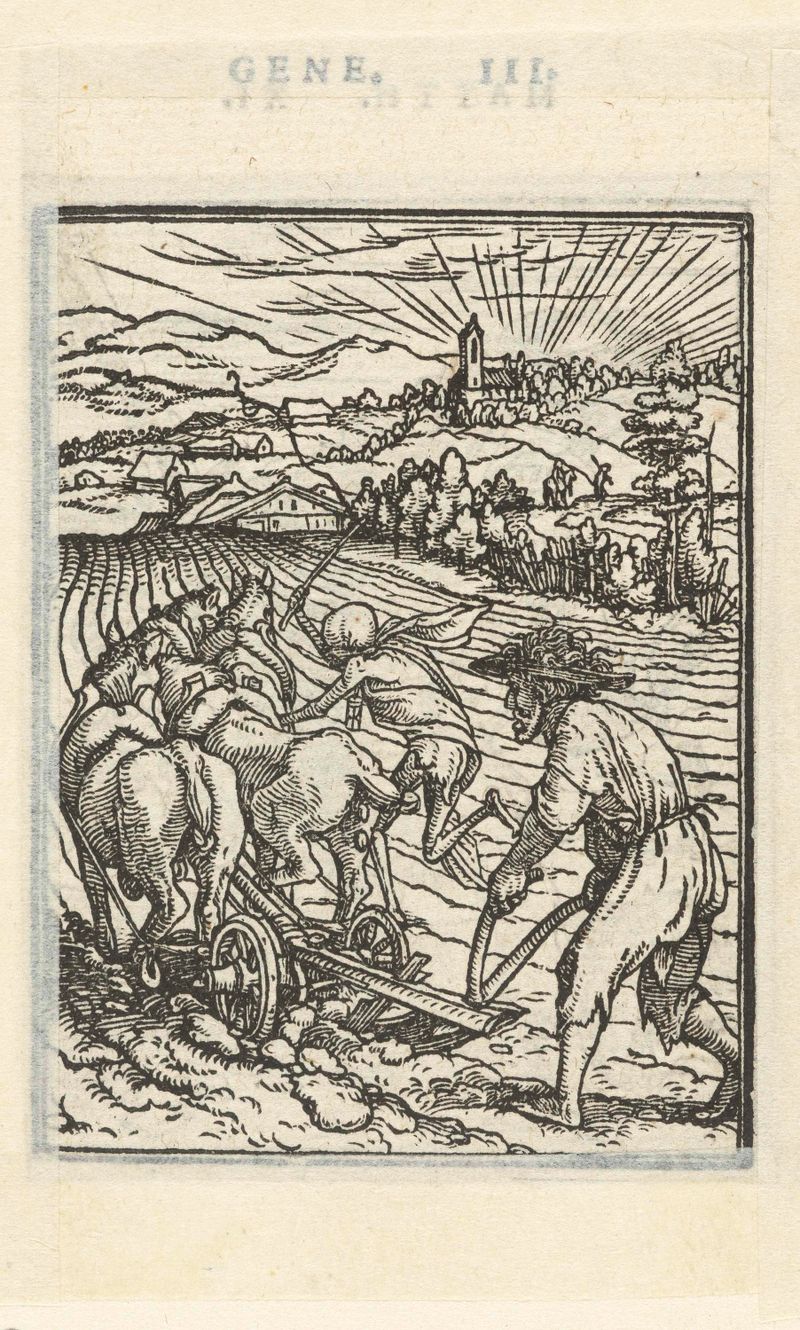
Boer en de Dood
Hans Holbein (II)
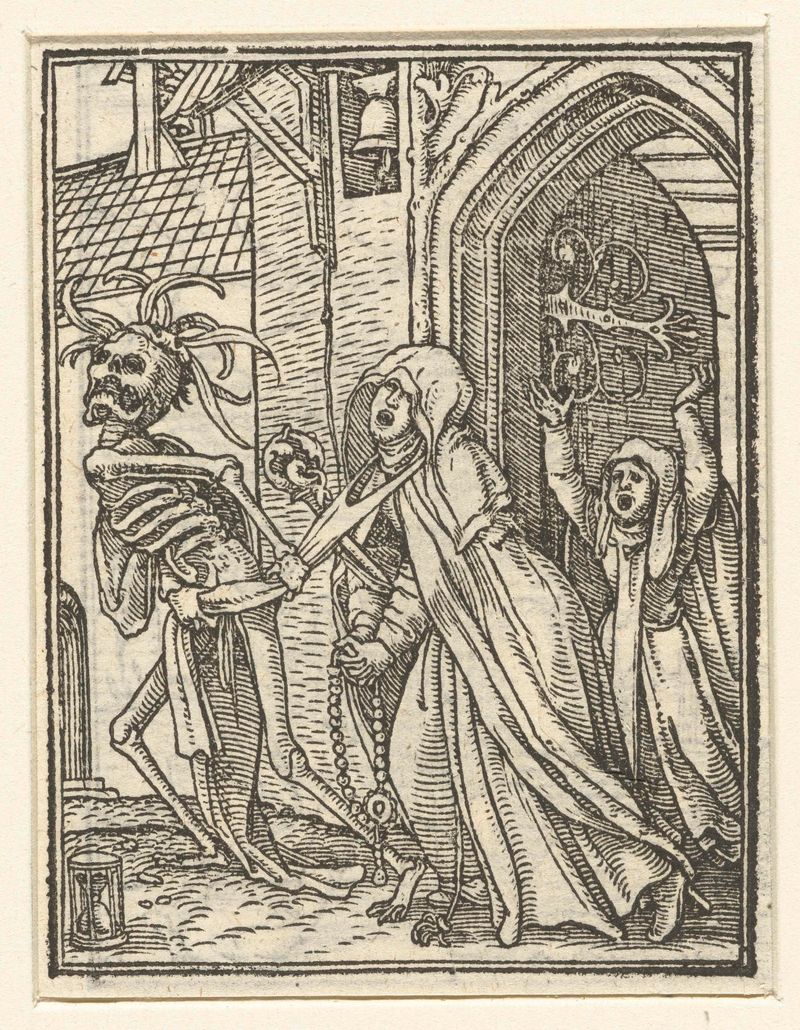
Abdis en de Dood
Hans Holbein (II)
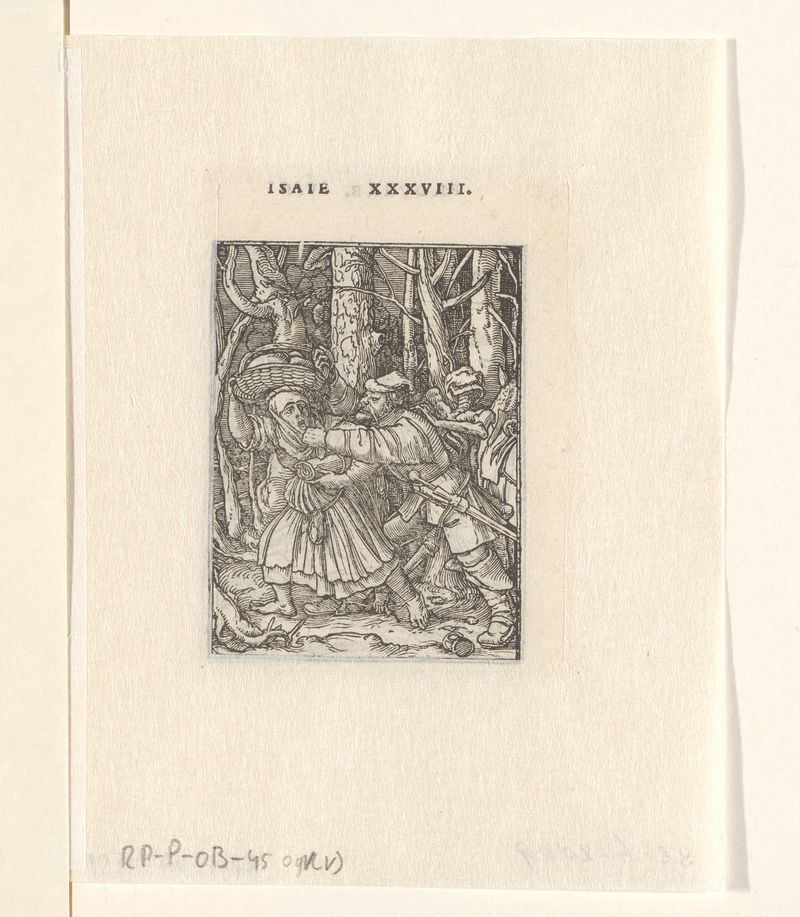
Dief en de Dood
Hans Holbein (II)
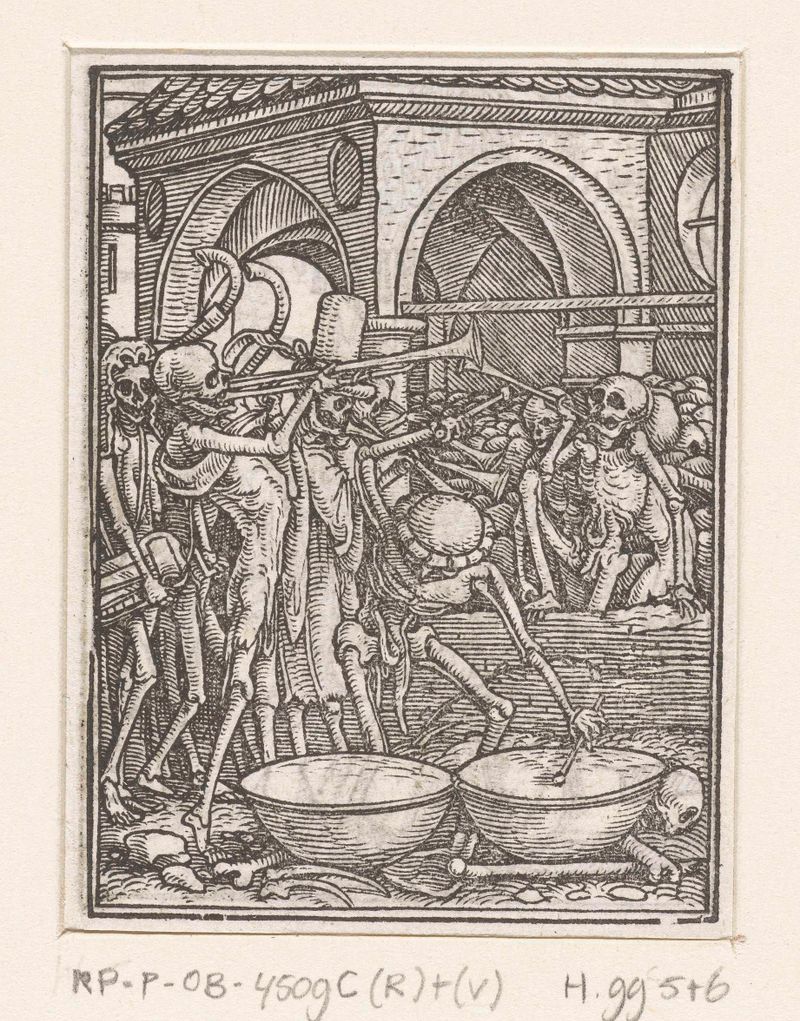
Skeletons Making Music from Dance of the Dead
Hans Holbein (II)
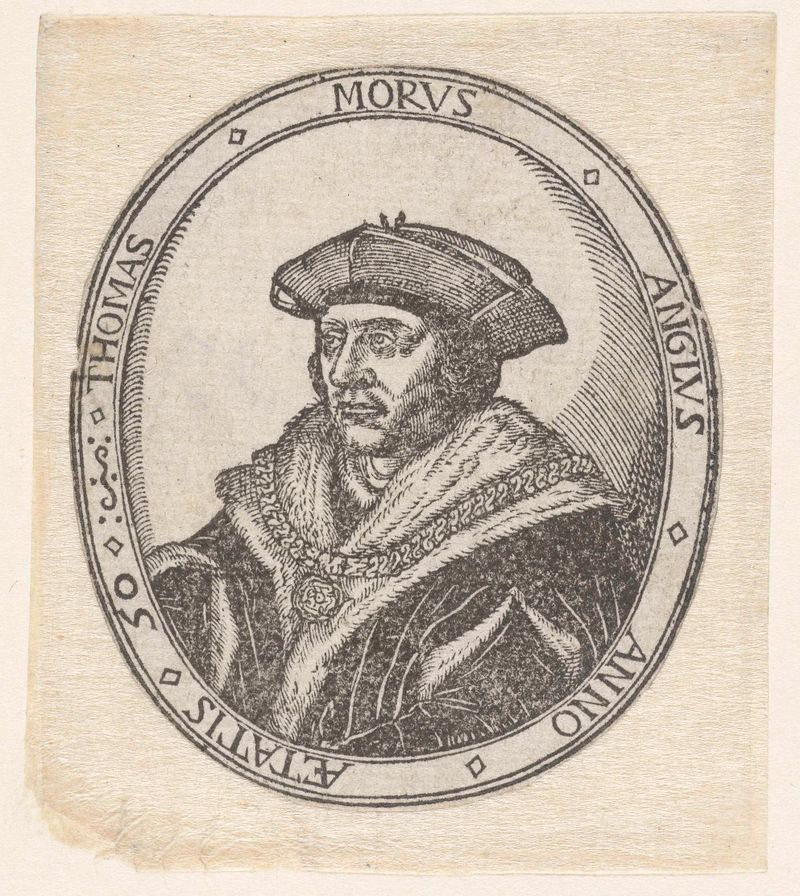
Portret van Thomas More
Hans Holbein (II)
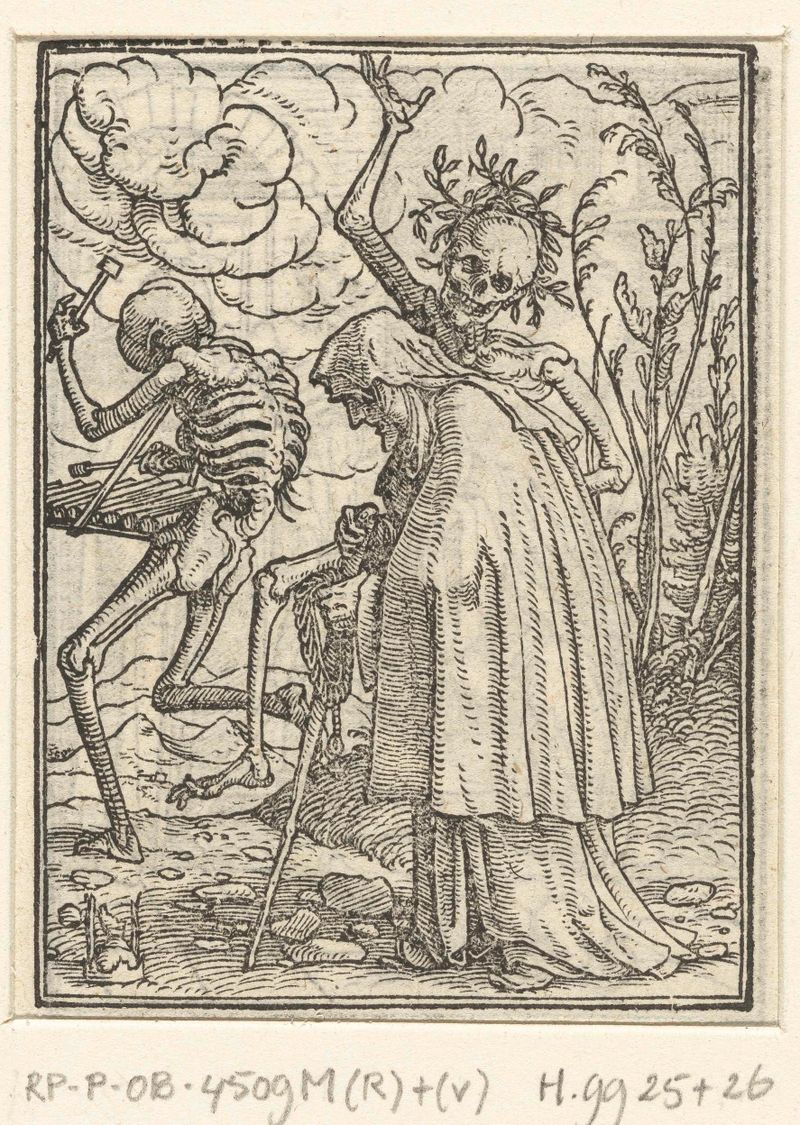
Oude vrouw en de Dood
Hans Holbein (II)
More Religious Art
Browse all →
The Return of the Prodigal Son
Rembrandt van Rijn

The Garden of Earthly Delights
El Bosco

Count Orgaz’ funeral
El Greco

The Hundred Guilder Print: the central piece with Christ preaching, the plate arched
Rembrandt van Rijn

The Descent from the Cross
Rogier van der Weyden

The return of the prodigal son
Rembrandt van Rijn