
Jongen te paard — History & Facts
The delicate balance between youth and fragility is captured in a moment that evokes a melancholic reflection on the passage of time. How do we hold on to our innocence when the world demands we let go? Look toward the center of the composition, where a young boy rides a majestic horse, both exuding an air of serenity. The intricate details of the horse’s mane, painted with soft strokes, invite the viewer to appreciate the textures of the animal, contrasting sharply with the smoothness of the boy’s pale skin.
Notice how the subtle hues of blue in the boy’s attire resonate with the earthy tones of the background, blending seamlessly to create a harmonious yet poignant ambiance. Beneath the surface, the painting pulses with emotional tension. The boy’s gaze is distant, suggesting a yearning for a world beyond the canvas, a world filled with unspoken dreams and quiet sorrows. The juxtaposition of the horse’s strength and the boy’s vulnerability speaks to the universal experience of growing up—where the weight of expectations can overshadow the lightness of youth.
Moreover, the lush but muted landscape serves as a backdrop for this poignant narrative, hinting at the solitude that often accompanies the journey towards adulthood. Lucas Cranach (I) painted this work in 1506 during a period of vibrant artistic exploration in Europe. Working in Wittenberg, he was deeply influenced by the burgeoning Renaissance, which emphasized human emotion and natural beauty. This piece reflects his commitment to merging idealized forms with emotional depth, showcasing the tension between innocence and experience that characterized both his life and the broader cultural landscape of the time.
More Artworks by Lucas Cranach (I)
Browse all →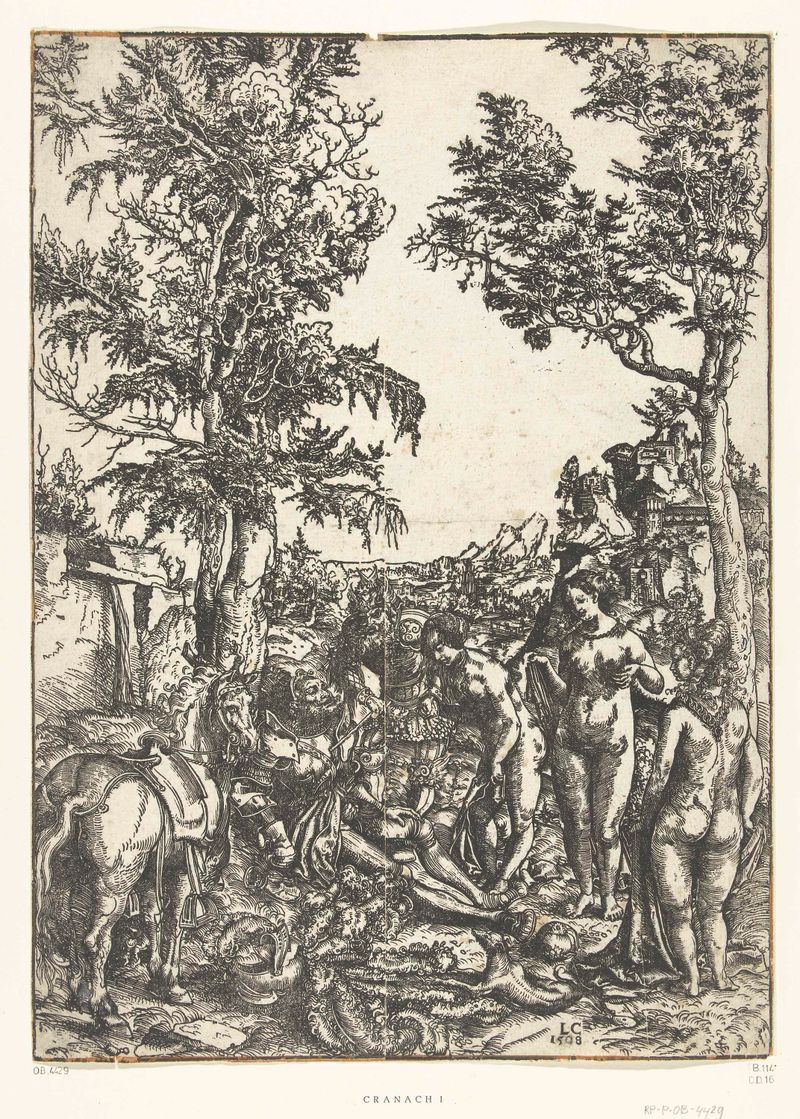
Oordeel van Paris
Lucas Cranach (I)
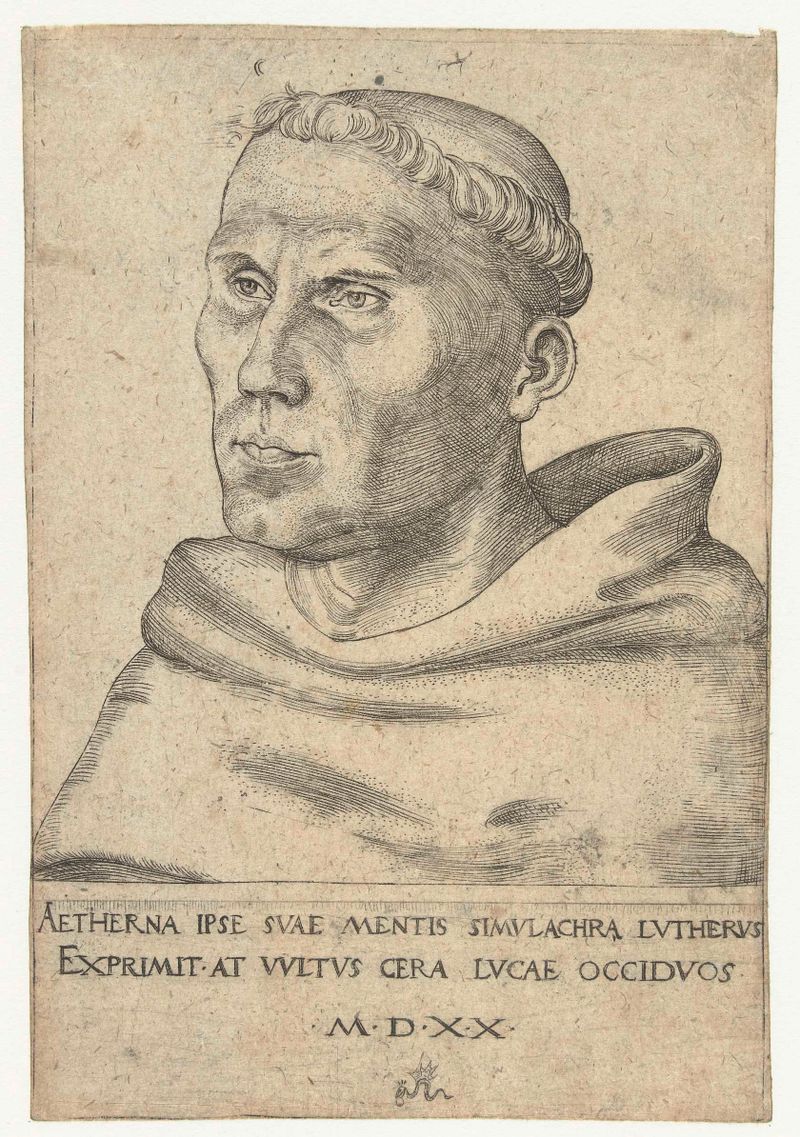
Portret van Martin Luther als Augustijner monnik
Lucas Cranach (I)
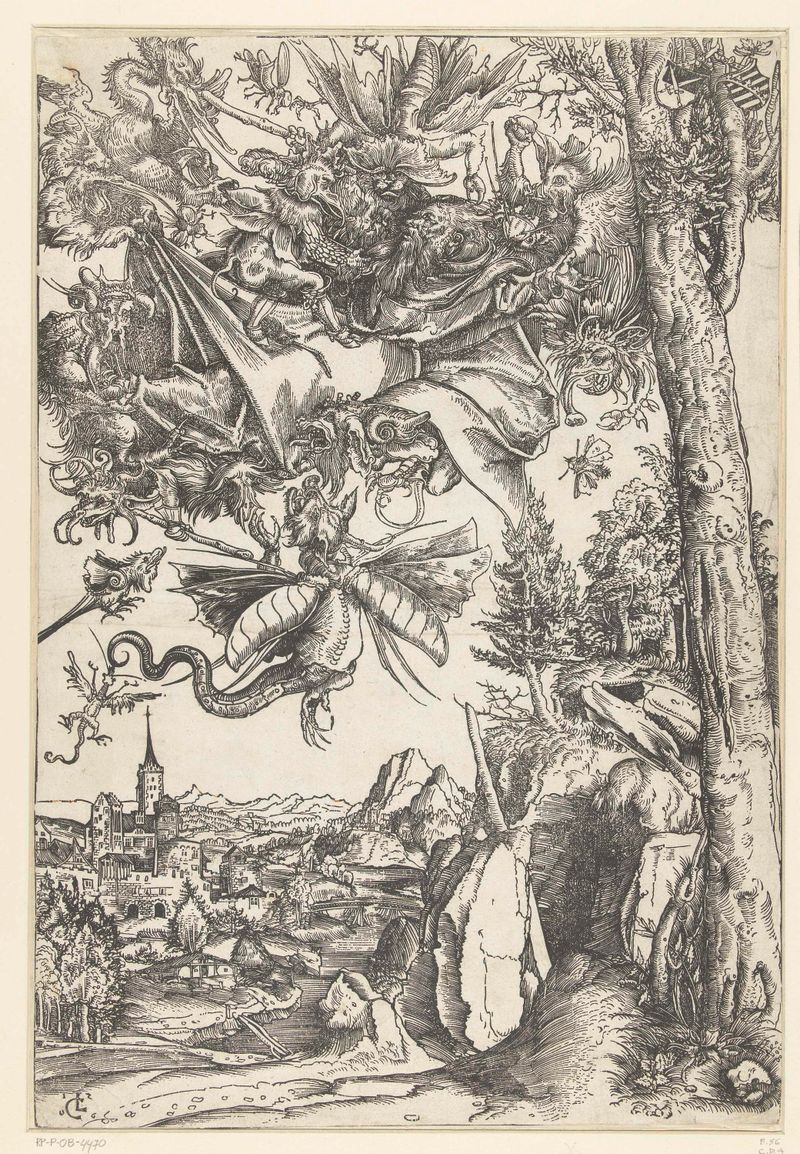
Verzoeking van Antonius met aanval door demonen
Lucas Cranach (I)

Christus en de Samaritaanse vrouw
Lucas Cranach (I)

Duits toernooi met twee edelmannen als ridders te paard
Lucas Cranach (I)
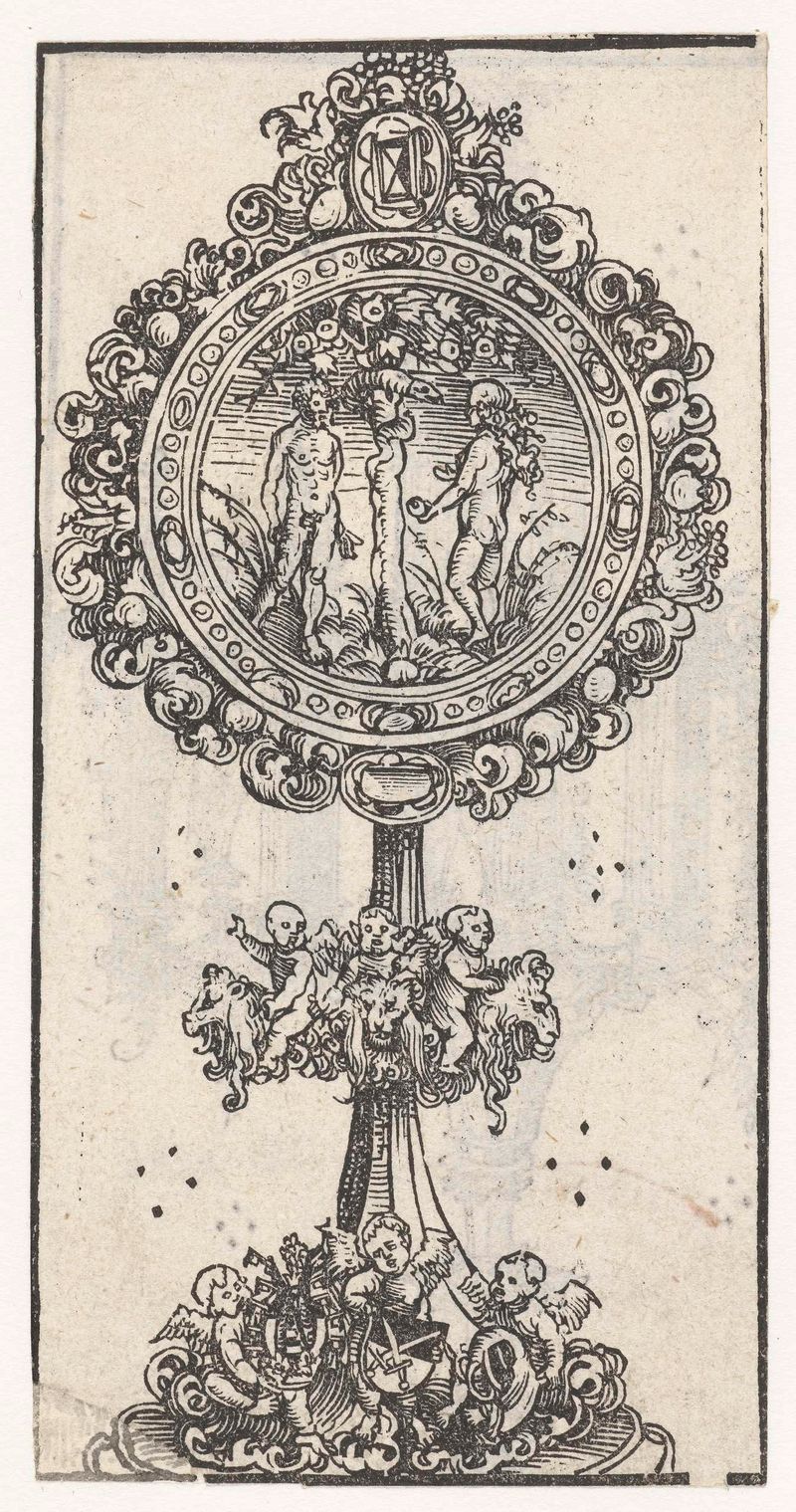
Reliekhouder met de verzoeking van Adam en Eva
Lucas Cranach (I)

Intocht van Christus in Jerusalem
Lucas Cranach (I)
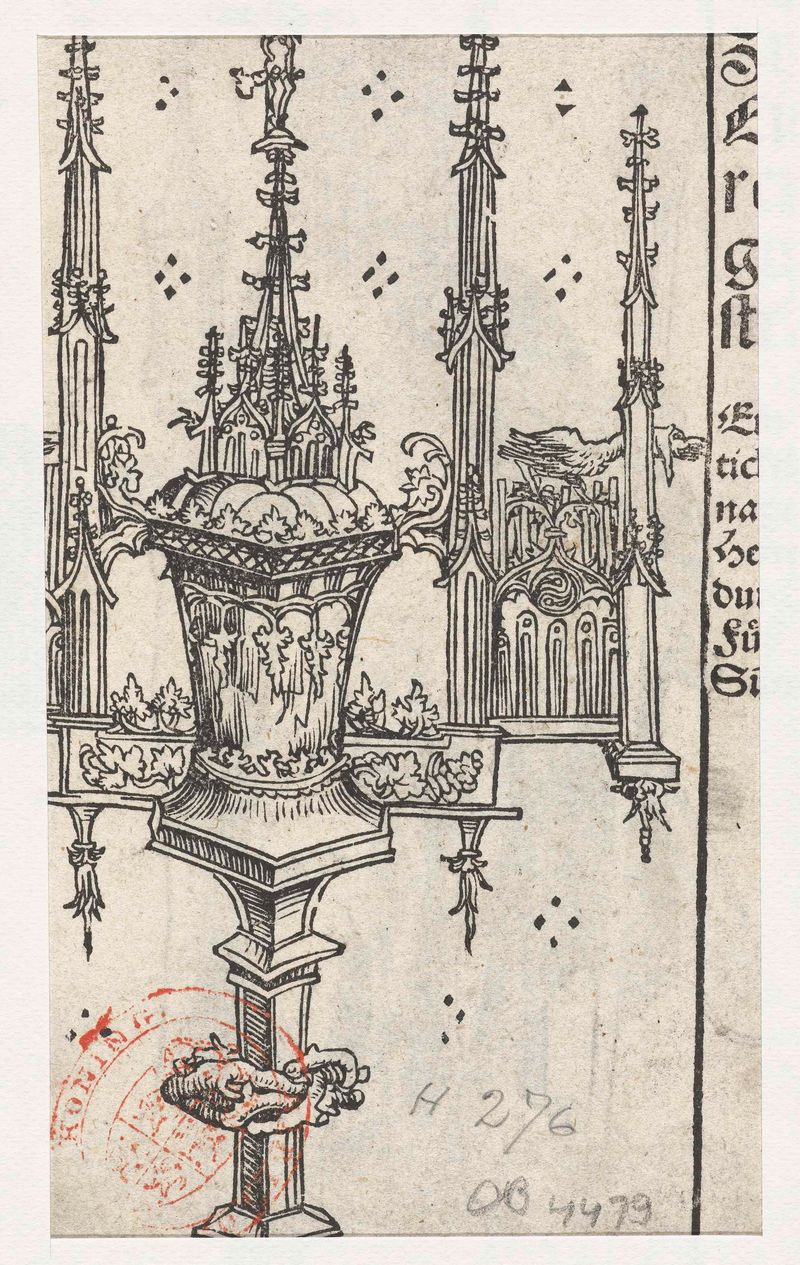
Monstrans met vogel (pelikaan)
Lucas Cranach (I)
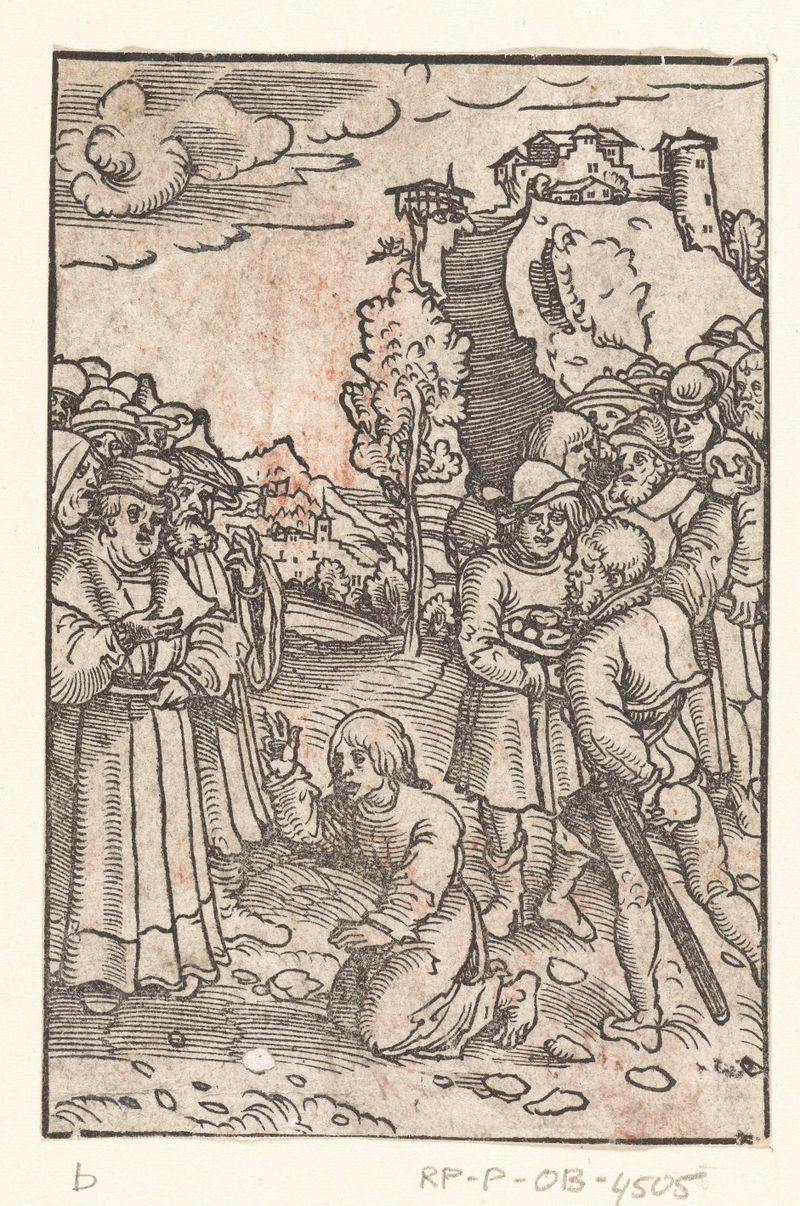
Steniging van Stefanus
Lucas Cranach (I)
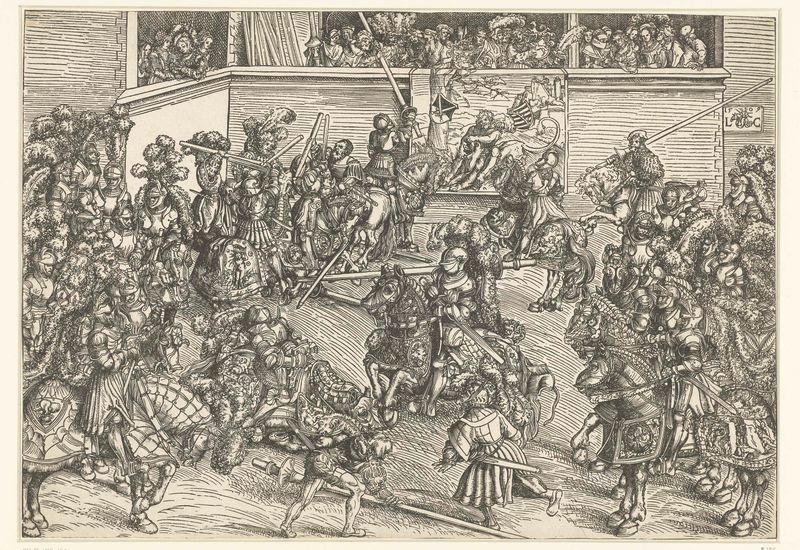
Toernooi van het keurvorstelijk hof van Saksen met wandtapijt Simson doodt de leeuw
Lucas Cranach (I)





