
Josephsplatz — History & Facts
In a world where fleeting moments slip through our fingers, a canvas can grasp the essence of melancholy with haunting clarity. Look closely at the foreground; the muted tones of ochre and gray instantly evoke a sense of nostalgia. Notice how the delicate brushstrokes create an almost ethereal atmosphere, softly blurring the edges of reality. The central architecture looms large, inviting the viewer’s gaze to linger on its intricate details, while the surrounding figures, mere silhouettes, are shrouded in ambiguity.
The interplay of light and shadow imbues the scene with a contemplative stillness, urging us to ponder the stories unfolding within this quiet plaza. Beneath the surface, the artwork speaks of contrasts: the solidity of the stone structures juxtaposed against the transience of human existence. Each figure, lost in thought, embodies a shared yet solitary experience, hinting at the universal themes of longing and introspection. The subtle interplay of cold and warm hues reinforces the emotional weight, suggesting that while the scene appears serene, it is laden with unspoken history and unrealized dreams. In 1835, while living in Germany, Balthasar Wigand created Josephsplatz during a period marked by burgeoning Romanticism in art.
This movement sought to express individual emotions and the sublime aspects of nature, reflecting a cultural shift toward personal expression. As Europe grappled with rapid industrial changes, Wigand’s work captures both the beauty and the sorrow of a time poised between tradition and modernity, inviting us to reflect on the enduring nature of memory.
More Artworks by Balthasar Wigand
Browse all →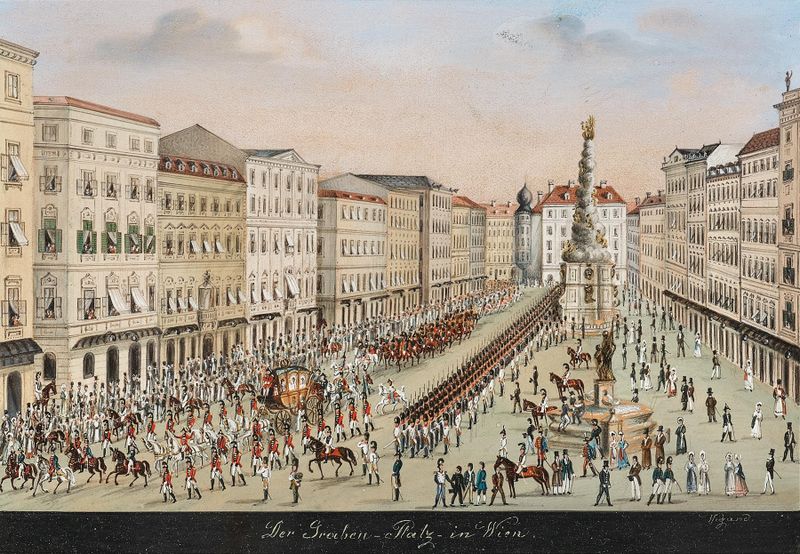
Graben in Vienna with Plague Column, an Imperial coach and a military event
Balthasar Wigand

Wiener Hofburg
Balthasar Wigand

Sewing case
Balthasar Wigand
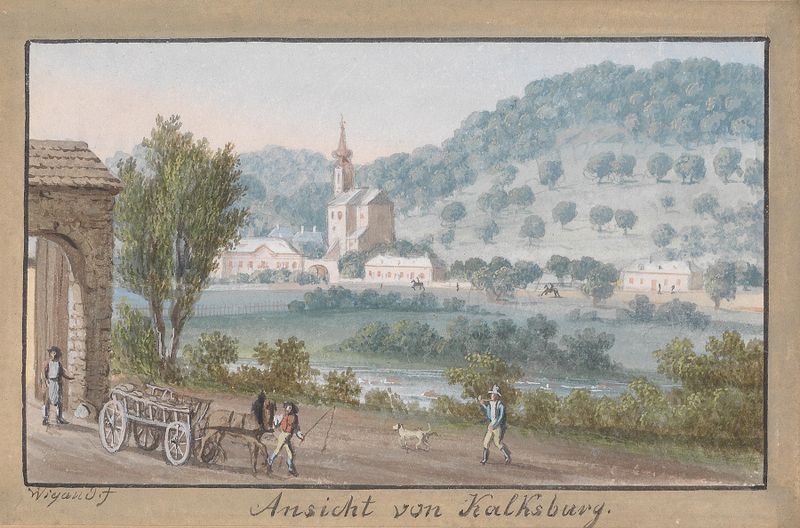
Ansicht von Kalksburg
Balthasar Wigand

Lerchenfelder Linie Große Kirchenparade
Balthasar Wigand
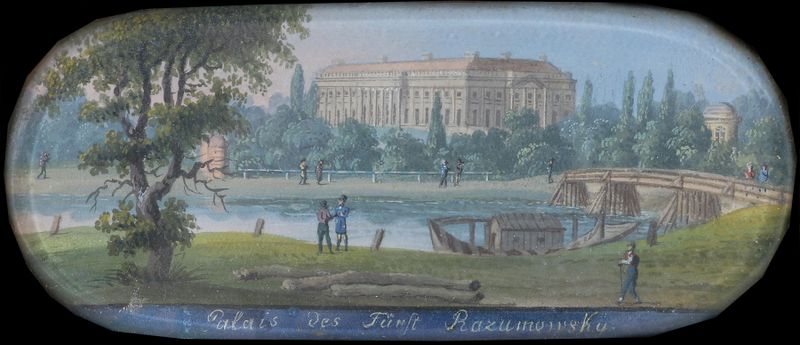
Palais des Fürst Razumowsky
Balthasar Wigand
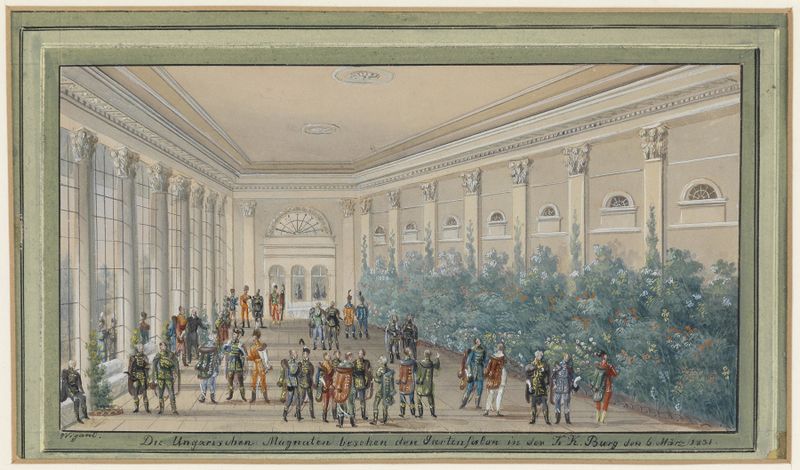
Die Ungarischen Magnaten besuchen den Gartensalon in der Burg
Balthasar Wigand
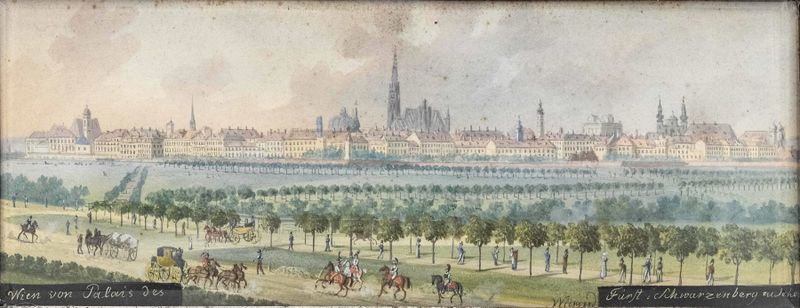
Wien vom Palais Schwarzenberg aus gesehen
Balthasar Wigand
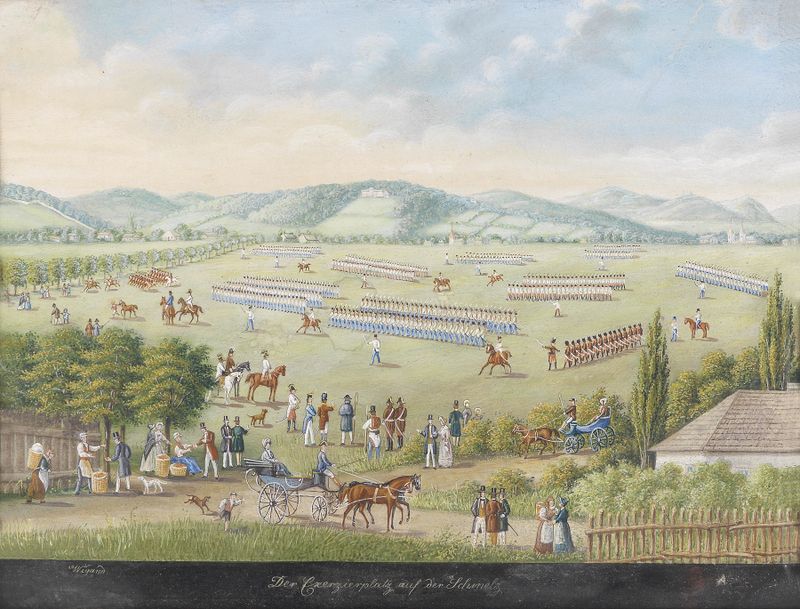
Exerzierplatz auf der Schmelz
Balthasar Wigand
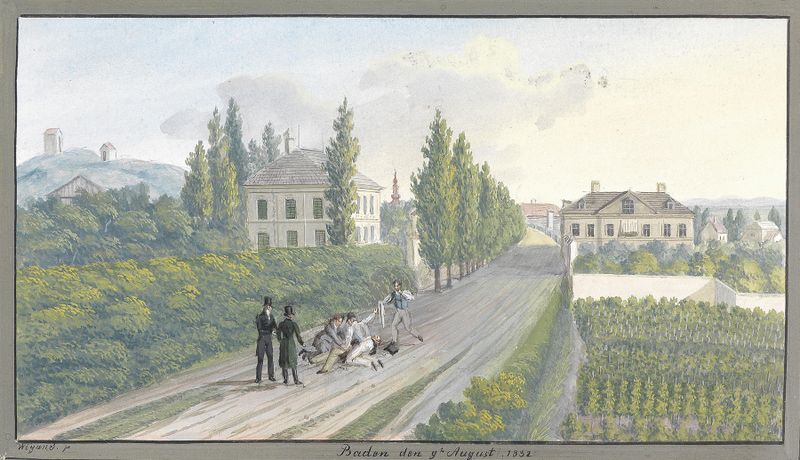
Duell Baden
Balthasar Wigand





