
Journée des Régions Libérées — History & Facts
A single bird sings atop a rough wooden cross, silhouetted against the rising sun—a moment of fragile hope in a landscape still marked by war. The cross, wreathed in withered leaves and surrounded by wild thistles, stands as a makeshift grave in a scarred, empty field. Barbed wire snakes through the foreground, a reminder of the violence that once swept these lands, while the bird’s open beak and upright stance suggest a call or a song that pierces the silence.
The sun’s rays, radiating behind the cross, cast a gentle light over the devastation, inviting the viewer to search for renewal amid loss. Every brushstroke in the earth and sky seems to weigh the cost of conflict against the possibility of rebirth. Created in 1919, just after the First World War, this poster by Théophile Alexandre Steinlen belongs to a tradition of public appeals for aid and remembrance. Such images were commissioned to rally support for devastated regions and the survivors left behind, their purpose both practical and deeply emotional.
The French text at the bottom—“Que votre aide à nos frères malheureux soit généreuse!”—calls directly to the viewer’s conscience, urging generosity for those who suffered in the liberated regions. History has kept few traces of the individual stories behind these appeals, but the poster’s presence in the Bibliothèque nationale de France ensures that its message, and its quiet power, remain visible to us. To stand before it is to feel the weight of a nation’s mourning—and its hope for renewal—pressed into a single, unforgettable image.
More Artworks by Théophile Alexandre Steinlen

Village et charrette
Théophile Alexandre Steinlen
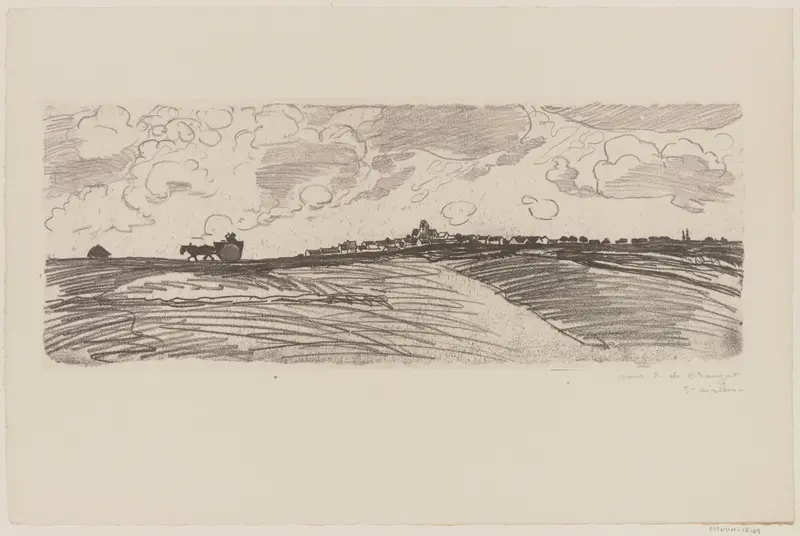
Village et charrette
Théophile Alexandre Steinlen
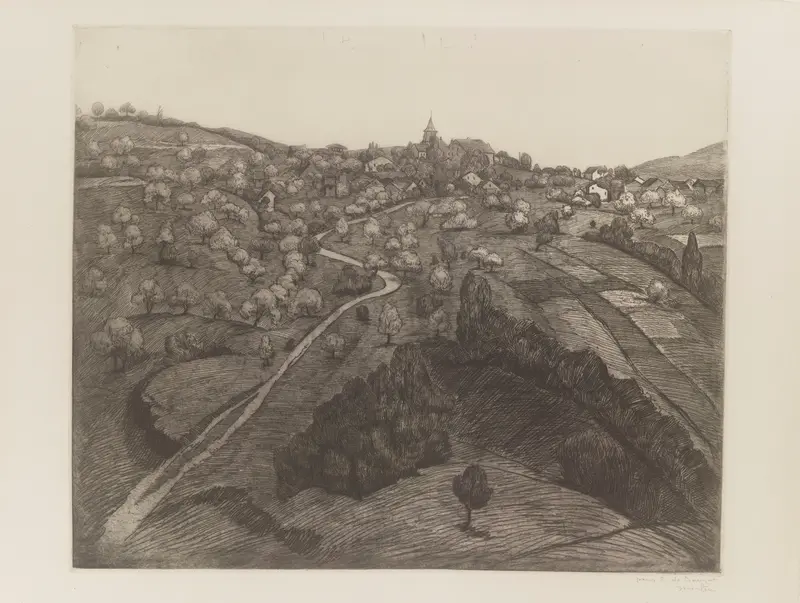
Vue de Belmont, près de Lausanne
Théophile Alexandre Steinlen
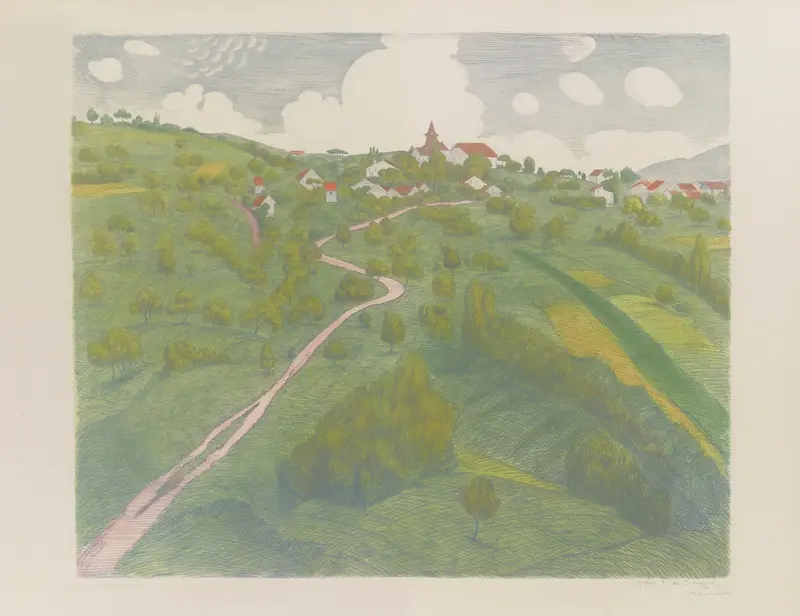
Vue de Belmont, près de Lausanne
Théophile Alexandre Steinlen
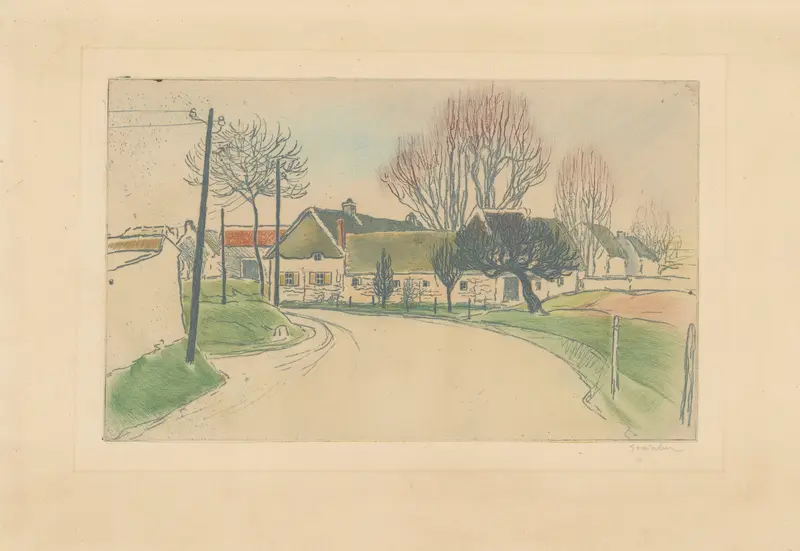
La maison à l’entrée du village
Théophile Alexandre Steinlen
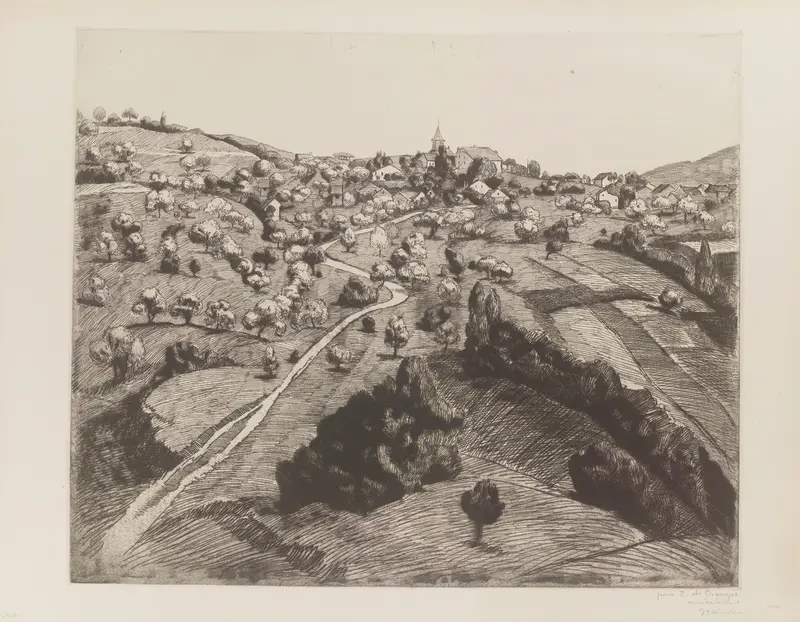
Vue de Belmont, près de Lausanne
Théophile Alexandre Steinlen
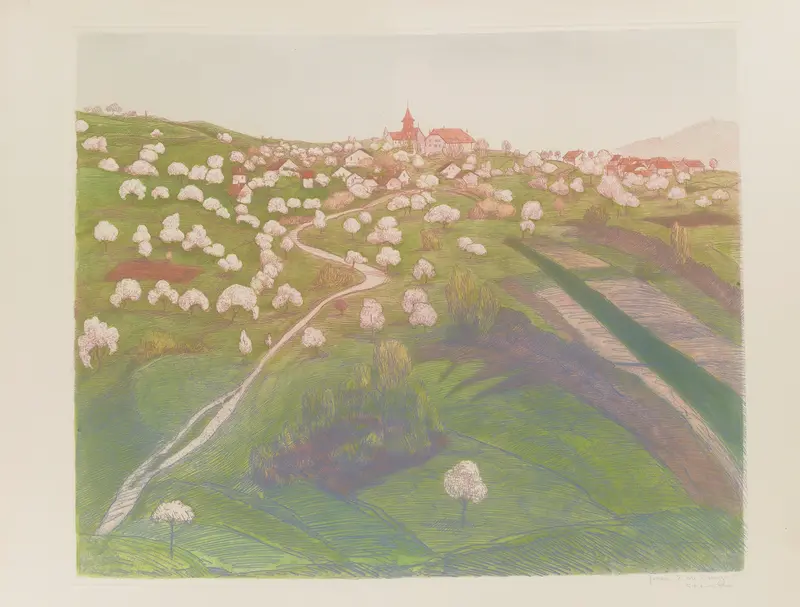
Vue de Belmont, près de Lausanne, n° 2
Théophile Alexandre Steinlen
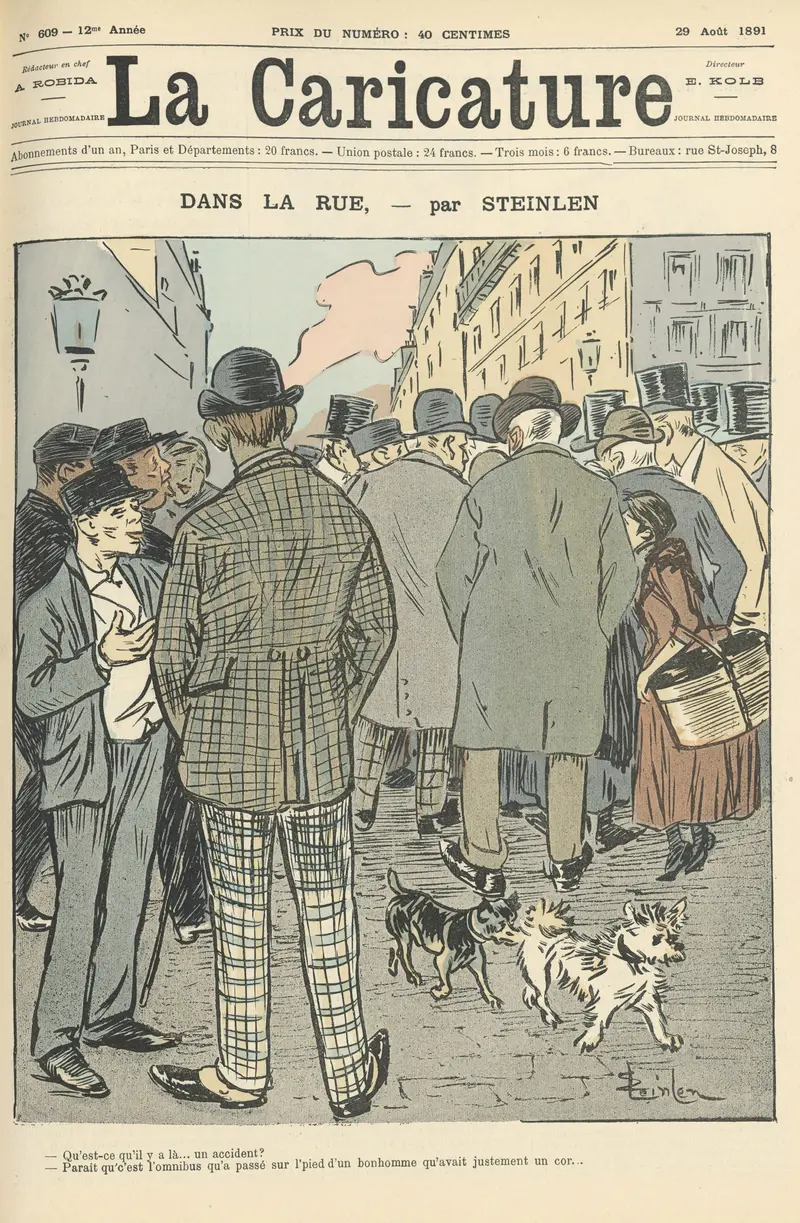
Dans la rue (La Caricature, 29 août 1891)
Théophile Alexandre Steinlen
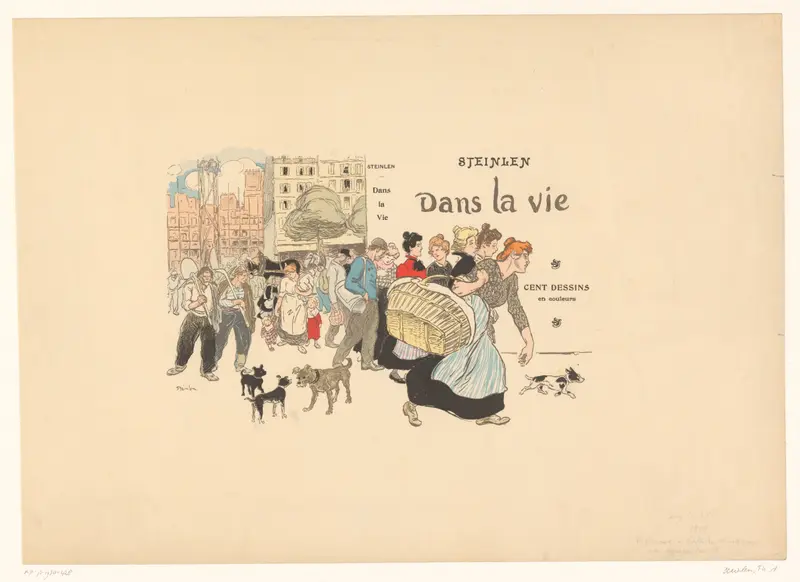
Dans la vie
Théophile Alexandre Steinlen
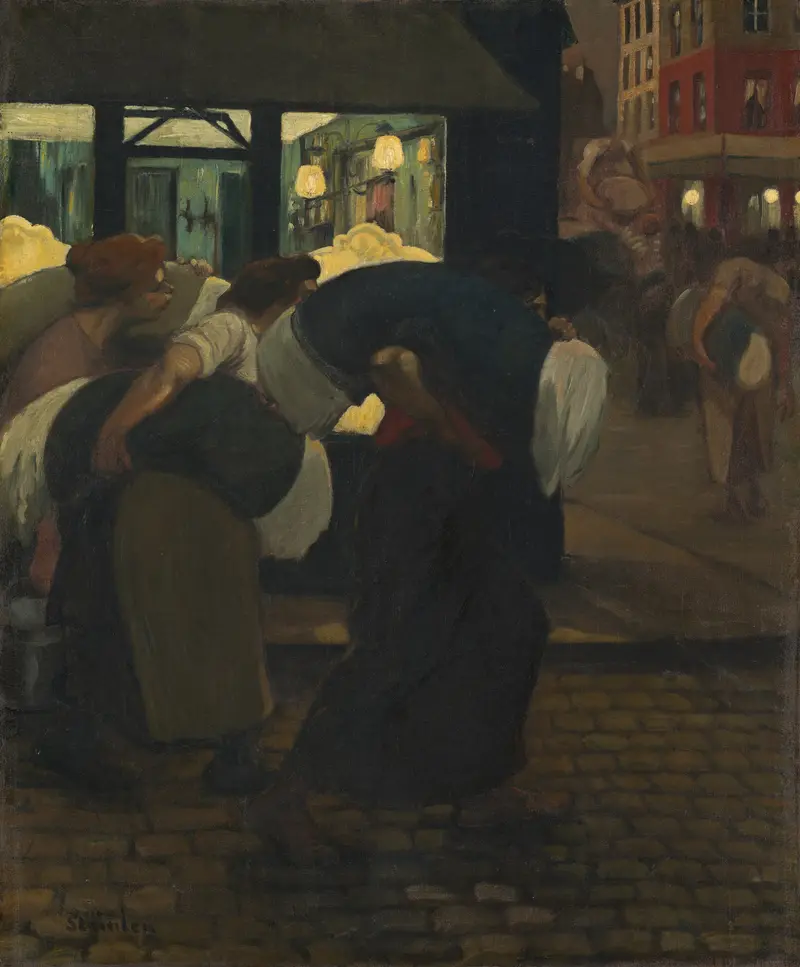
The Laundresses
Théophile Alexandre Steinlen





