
Jéricho — History & Facts
What secret hides in the quiet of the canvas? The stillness within Jéricho invites viewers to peel back layers of meaning, revealing a world where the mundane touches the transcendent. Look closely at the intricate brushwork that defines the architectural forms, each stroke meticulously layered to convey depth and dimension. Notice how the warm ochres contrast with cool blues, creating a symphony of color that brings the scene to life. Your gaze is drawn first to the towering structures, their silhouettes softened by light that seems to spill from an unseen source, imbuing the scene with both warmth and mystery. Delve deeper into the painting's quietude, where the stillness masks a wealth of emotional tension; the juxtaposition of man-made structures against the vast expanse of sky speaks to humanity’s struggle between aspiration and limitation.
Each archway and pathway suggests a journey—not solely in the physical sense, but a metaphorical passage through thought and existence. The shadows hint at stories untold, characters unseen, and the powerful notion that transcendence often resides in stillness. François Stroobant painted Jéricho in 1852, during a period marked by artistic exploration and a fascination with the sublime. Living in Belgium, he was part of a movement that sought to elevate landscape painting to new heights, infusing it with emotional depth and philosophical inquiry.
The mid-19th century was a time of profound changes, as industrialization reshaped societies and artists began to grapple with their place in a rapidly evolving world.
More Artworks by François Stroobant
Browse all →
Interior of the church of Notre Dame du Sablon at Brussels
François Stroobant
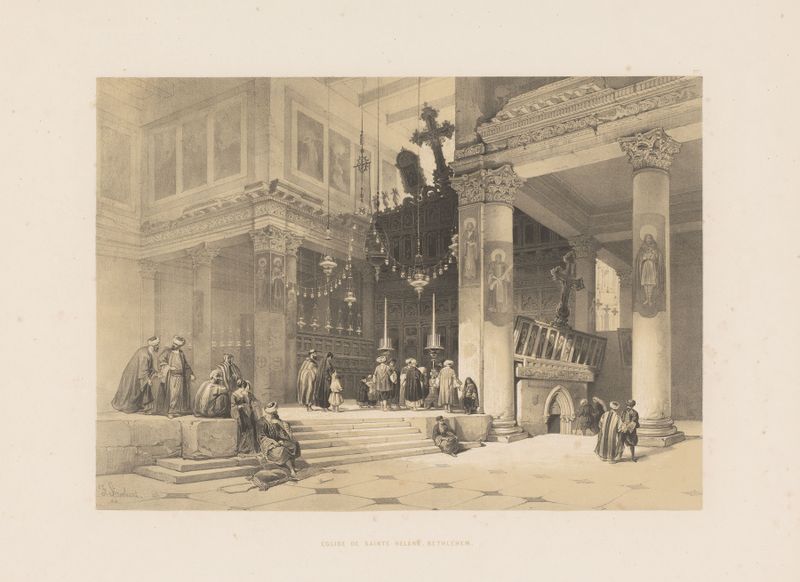
Église de sainte Hélène. Bethléhem
François Stroobant
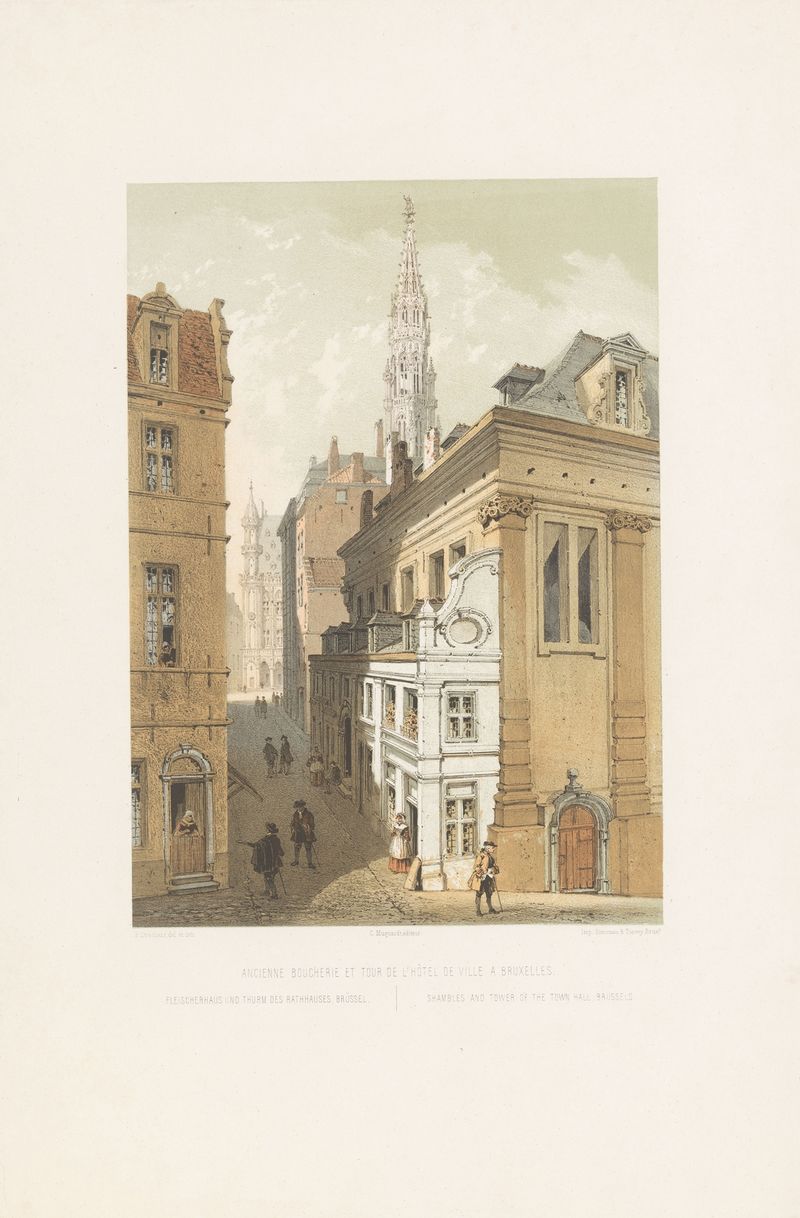
Shambles and tower of the town hall, Brussels
François Stroobant

Intérieur de l’église Grecque du Saint-Sépulcre
François Stroobant
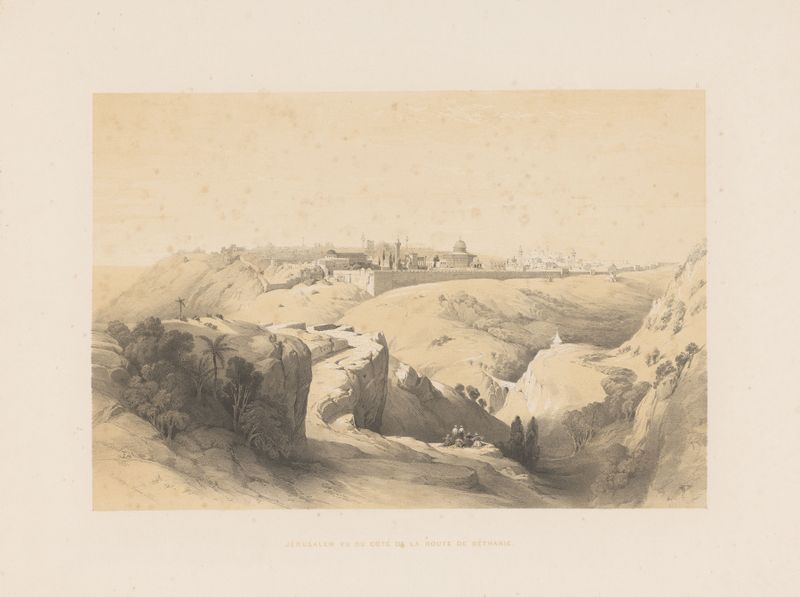
Jérusalem vu du coté de la route de Béthanie
François Stroobant

Le tabernacle du Saint-Sépulcre
François Stroobant

Town hall Brussels
François Stroobant

Fontaine de Jacob à Sichem
François Stroobant
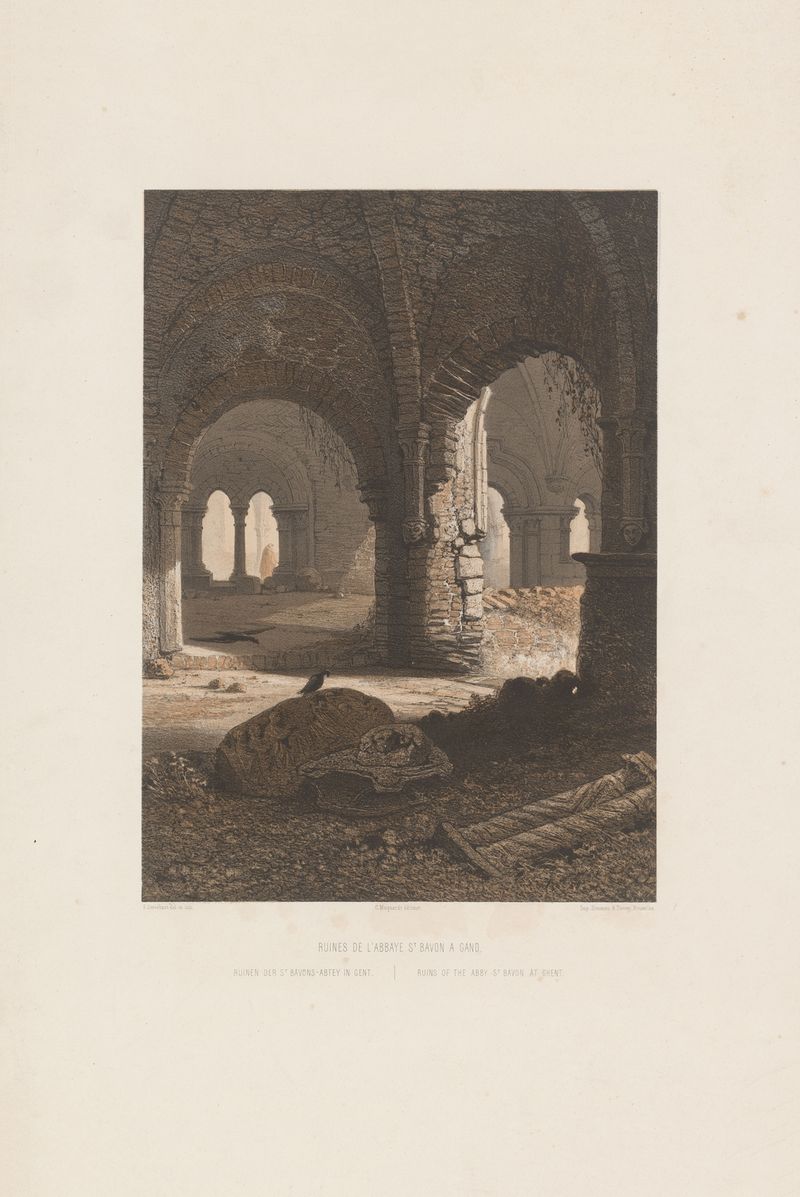
Ruins of the abby St Bavon at Ghent
François Stroobant

Vue de Naplouse
François Stroobant
More Architecture Art
Browse all →
The statue of Liberty
Frédéric Auguste Bartholdi

View of Houses in Delft, Known as ‘The Little Street’
Johannes Vermeer

View of Houses in Delft, Known as ‘The Little Street’
Johannes Vermeer

The Cathedral in Rouen. The portal, Grey Weather
Claude Monet

The yellow house
Vincent van Gogh

The Church in Auvers-sur-Oise, View from the Chevet
Vincent van Gogh