
Jérusalem du cote du Nord — History & Facts
In a world where memories fade like whispers in the wind, the canvas stands as a tribute to the lingering traces of our past, bathed in the soft glow of nostalgia. Focus on the horizon where the sun begins its descent, casting warm golden hues over the ancient city. The intricate architecture emerges, each stone imbued with history, while shadows stretch and mingle, suggesting the passage of time. Notice how the artist employs a delicate interplay of light and muted colors, creating an atmosphere that feels both eternal and ephemeral, inviting the viewer to linger. As you delve deeper, observe the juxtaposition of the sacred and the mundane, where the holy city meets the lives of its inhabitants.
The serene atmosphere is punctuated by undertones of melancholy, hinting at the losses and joys experienced within its walls. There’s an emotional resonance in the details—the worn paths, the distant silhouettes—that whisper stories of devotion and despair, inviting reflection on the weight of memory and the inevitability of change. In 1852, François Stroobant painted this evocative work during a period marked by profound shifts in European art. Settled in France, he was influenced by Romanticism and sought to capture the essence of place and emotion.
This painting not only reflects his artistic ambitions but also the broader societal yearning for connection to heritage amidst rapid modernization, encapsulating a poignant moment in both his life and the world around him.
More Artworks by François Stroobant
Browse all →
Interior of the church of Notre Dame du Sablon at Brussels
François Stroobant
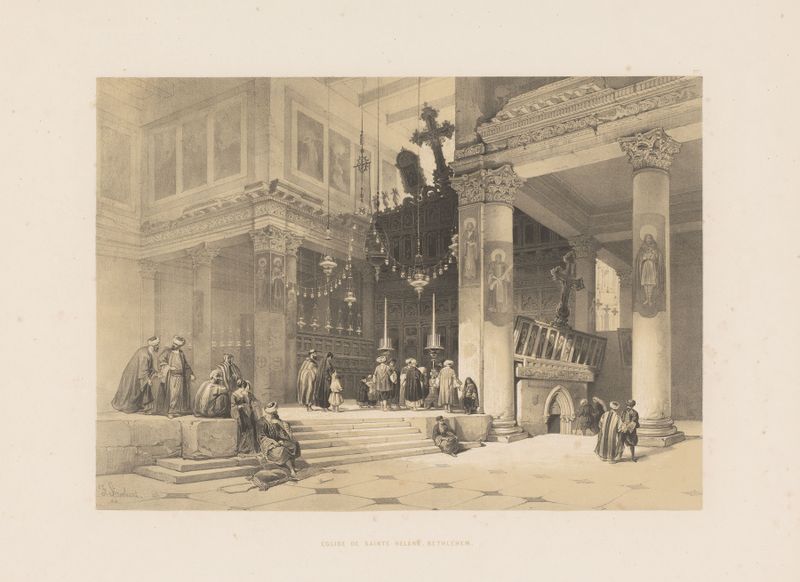
Église de sainte Hélène. Bethléhem
François Stroobant
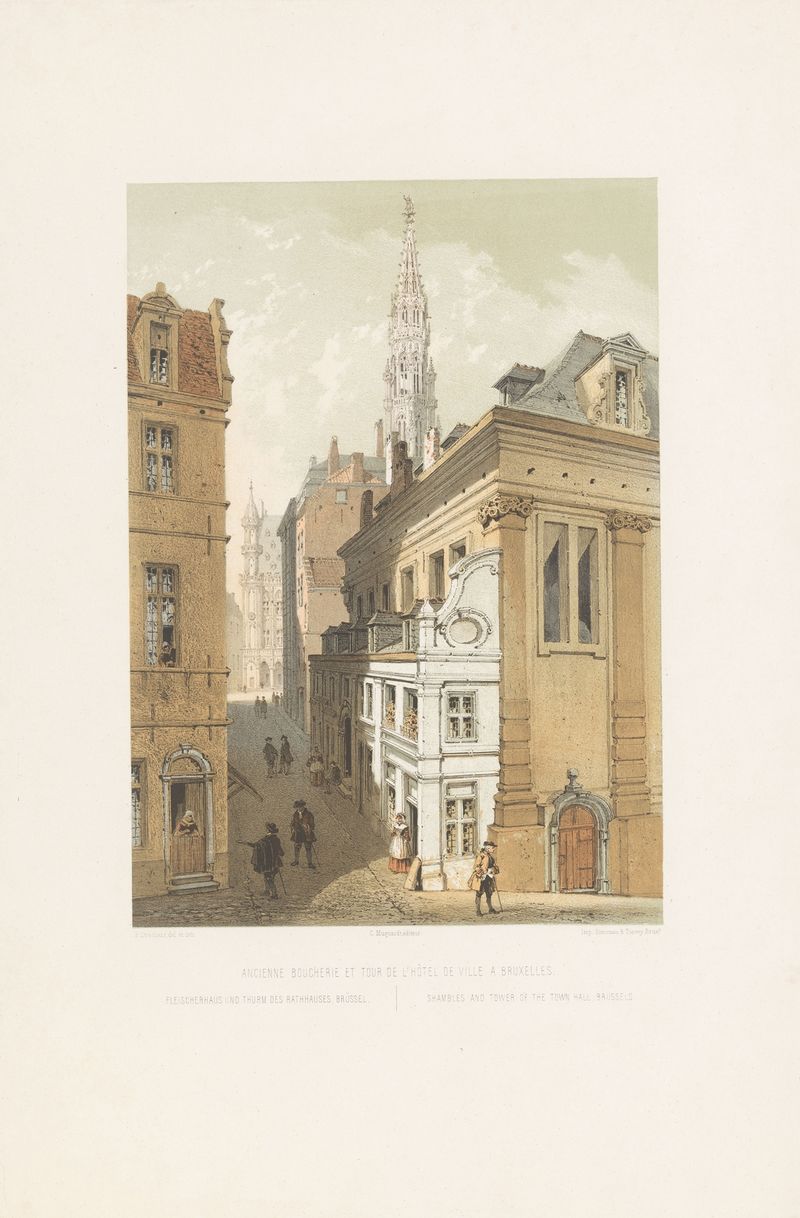
Shambles and tower of the town hall, Brussels
François Stroobant

Intérieur de l’église Grecque du Saint-Sépulcre
François Stroobant
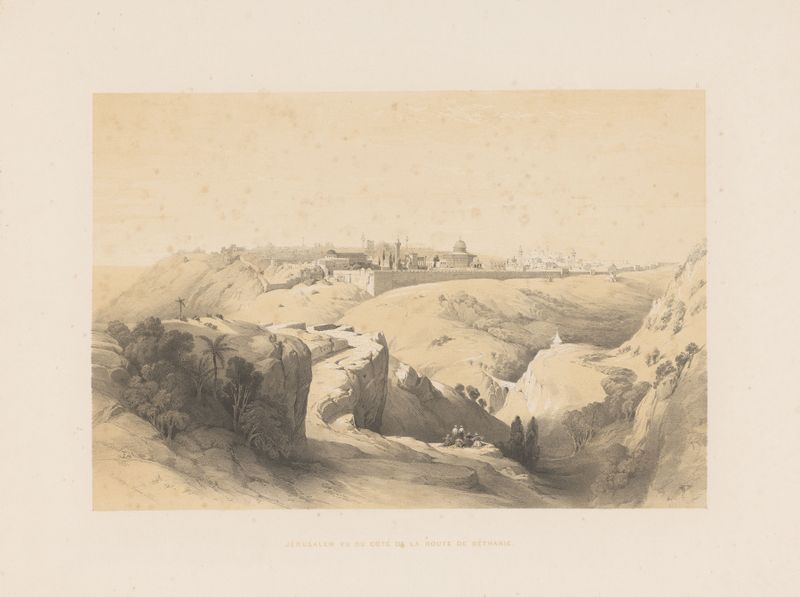
Jérusalem vu du coté de la route de Béthanie
François Stroobant

Le tabernacle du Saint-Sépulcre
François Stroobant

Town hall Brussels
François Stroobant

Fontaine de Jacob à Sichem
François Stroobant
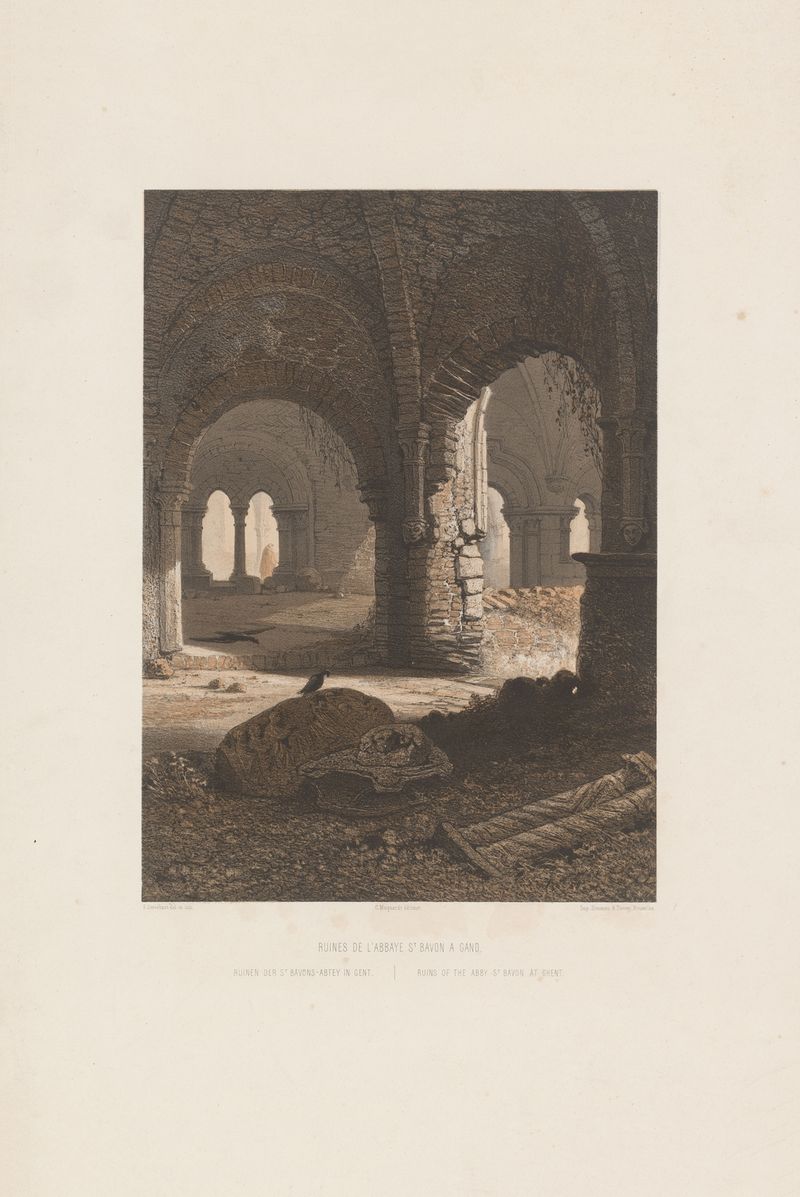
Ruins of the abby St Bavon at Ghent
François Stroobant

Vue de Naplouse
François Stroobant





