
Jérusalem vu de la montagne des oliviers — History & Facts
In the quiet embrace of dawn, the sacred city unfurls like a dream, waiting to be discovered. Each stroke of the brush reveals a tapestry of history, emotions, and spirituality intertwined in the landscape. Look to the left, where the delicate interplay of light and shadow casts a soft glow on the ancient stone walls of Jerusalem. Notice how the warm ambers and cool blues harmonize, inviting you to explore the contours of the hills that cradle the city.
The towering olive trees, their gnarled branches reaching for the sky, seem to whisper secrets of the past, grounding the viewer in a moment both timeless and fleeting. Beneath this serene surface lies a contrast of faith and history, a visual dialogue between nature and the divine. The way the sunlight dances over the olive grove hints at reverence, while the distant silhouettes of domes and spires speak to the tumult of culture and conflict that has shaped this sacred place. Each element evokes an emotional tension, suggesting a revelation waiting to unfold to those who pause and truly see. In 1852, while immersed in the changing tides of the European art scene, François Stroobant painted this evocative view from the Mount of Olives, reflecting a surge of Romantic interest in scenery and spirituality.
Nestled in a world grappling with modernization, he sought to capture not just the physicality of Jerusalem but its profound essence, inviting viewers to witness the city's soul through his eyes.
More Artworks by François Stroobant
Browse all →
Interior of the church of Notre Dame du Sablon at Brussels
François Stroobant
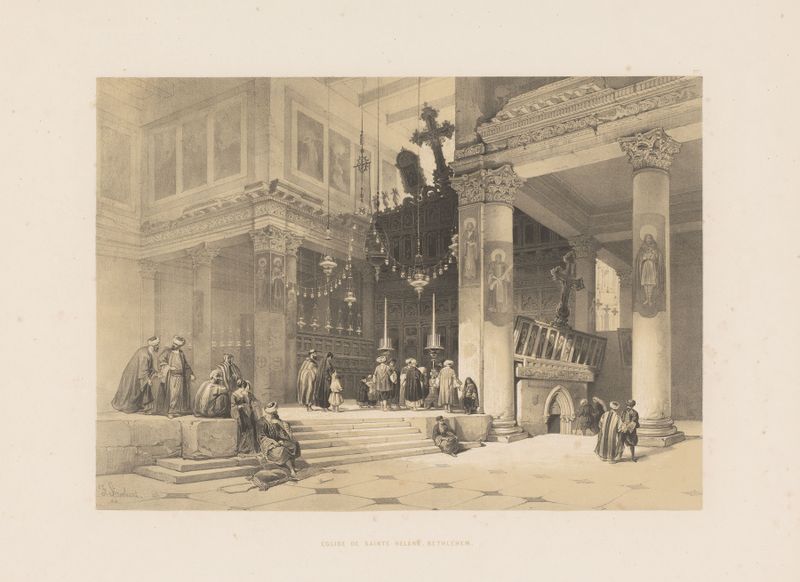
Église de sainte Hélène. Bethléhem
François Stroobant
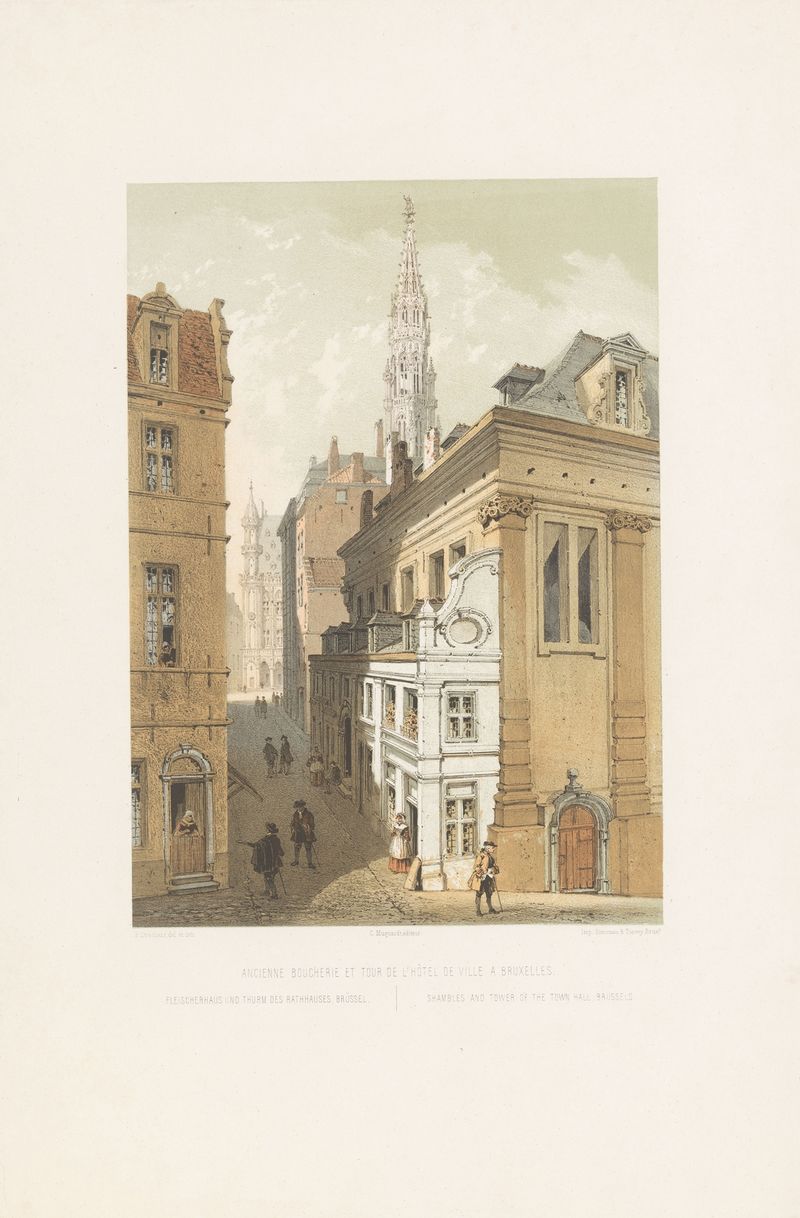
Shambles and tower of the town hall, Brussels
François Stroobant

Intérieur de l’église Grecque du Saint-Sépulcre
François Stroobant
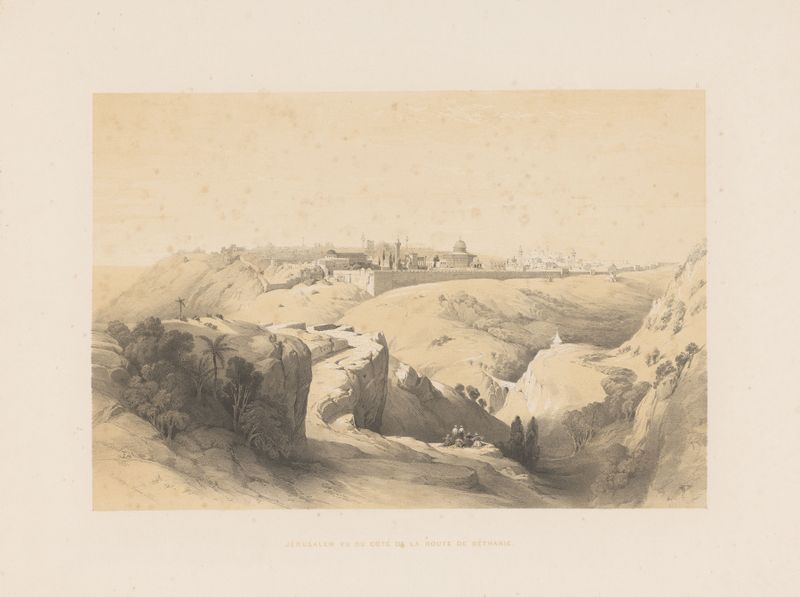
Jérusalem vu du coté de la route de Béthanie
François Stroobant

Le tabernacle du Saint-Sépulcre
François Stroobant

Town hall Brussels
François Stroobant

Fontaine de Jacob à Sichem
François Stroobant
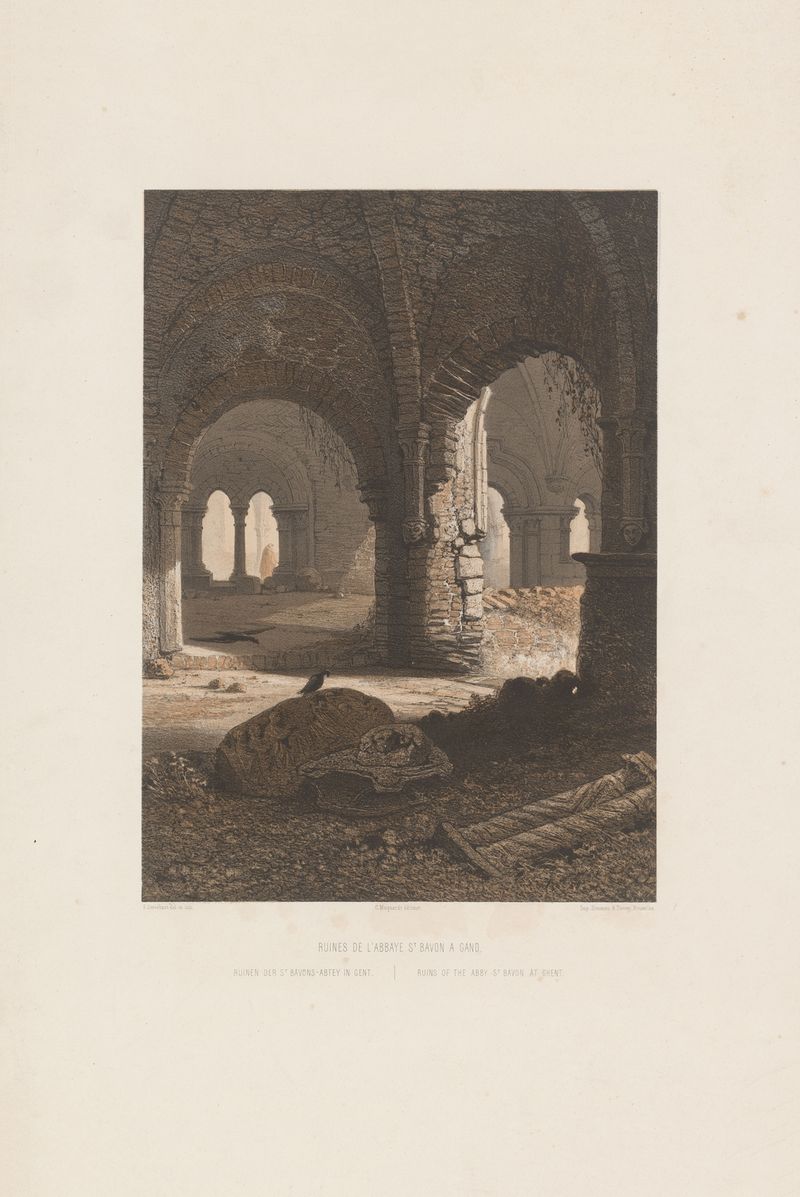
Ruins of the abby St Bavon at Ghent
François Stroobant

Vue de Naplouse
François Stroobant





