
Juan Legua — History & Facts
Juan Legua is an oil painting on canvas created by Juan Gris in 1911. The work dates from the early years of Gris's engagement with Cubism, a period marked by his exploration of geometric forms and the fragmentation of the picture plane. The painting is held in the collection of the Metropolitan Museum of Art. The composition presents a male figure rendered in a series of angular, interlocking planes.
The face and upper torso are constructed from faceted shapes in muted tones of brown, beige, and grey, with strong black outlines emphasizing the structure. The subject's features are abstracted, yet a pipe is clearly visible in the mouth, and the background is built from overlapping geometric forms, contributing to the sense of depth and spatial ambiguity characteristic of early Cubist portraiture. Painted in Paris during the formative years of the Cubist movement, Juan Legua reflects Juan Gris's close association with artists such as Pablo Picasso and Georges Braque. The work demonstrates Gris's analytical approach to form and his interest in the depiction of modern subjects.
The painting came to the Metropolitan Museum of Art with the Jacques and Natasha Gelman Collection.
More Artworks by Juan Gris
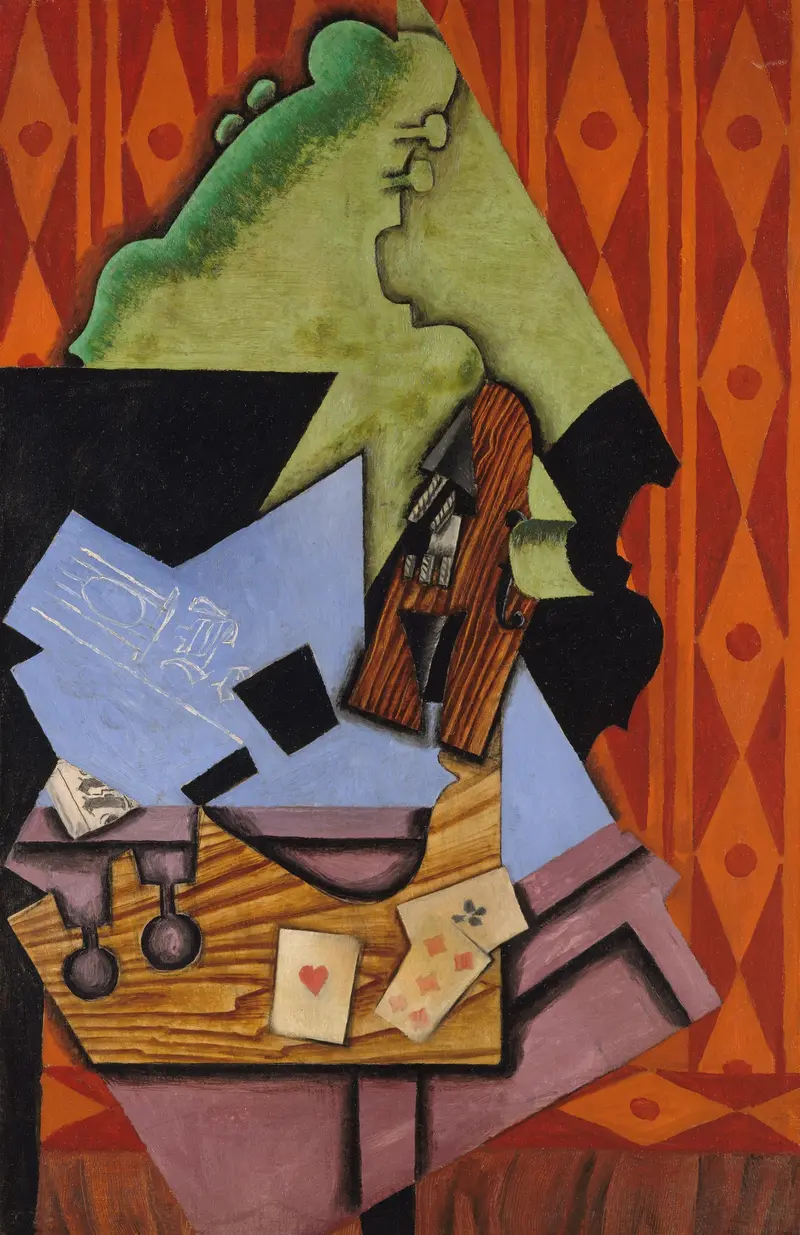
Violin and Playing Cards on a Table
Juan Gris

Portrait of Picasso
Juan Gris
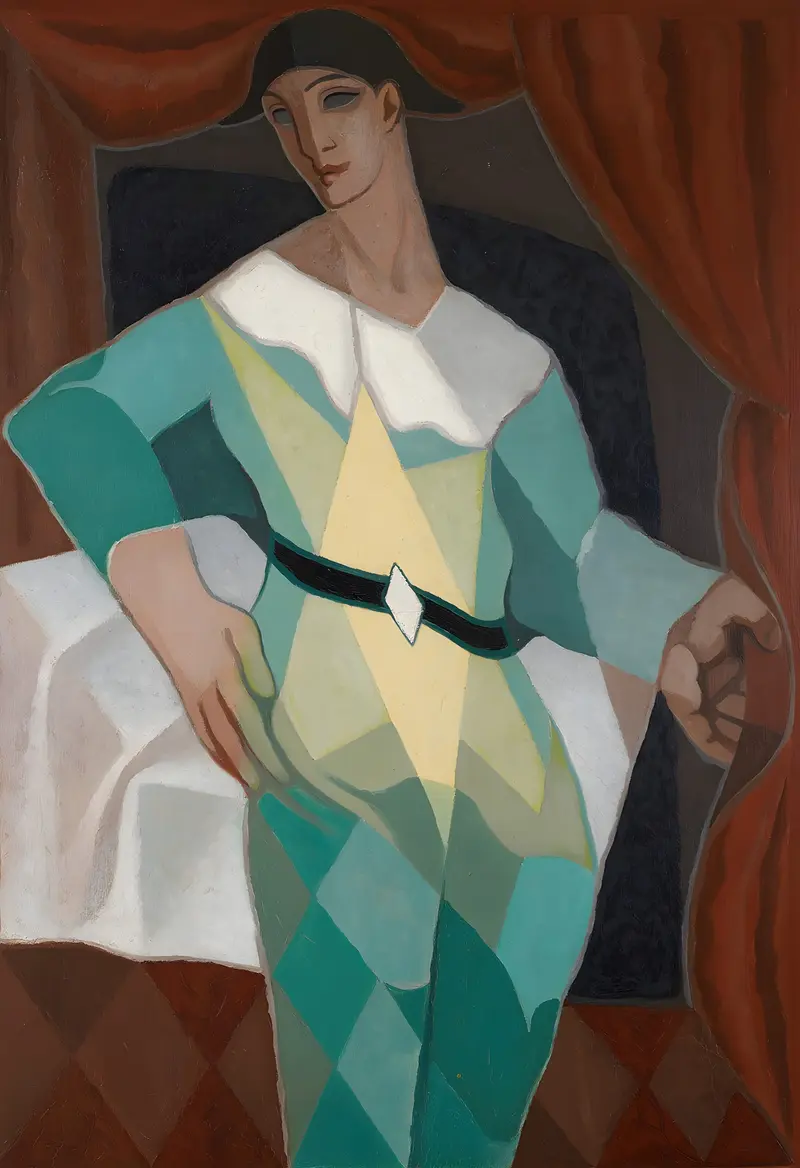
Arlequin
Juan Gris

A Guitar, Glasses and a Bottle
Juan Gris
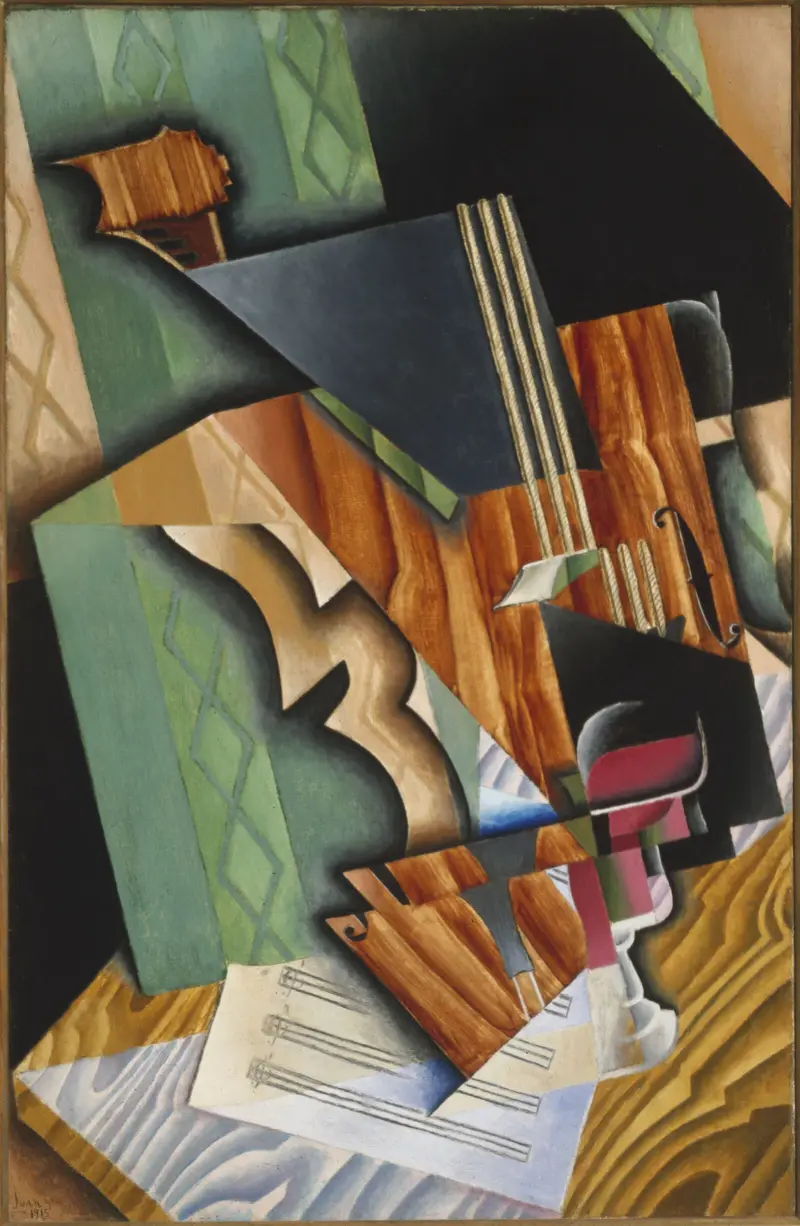
Violin and Glass
Juan Gris

Bottle and fruit bowl
Juan Gris
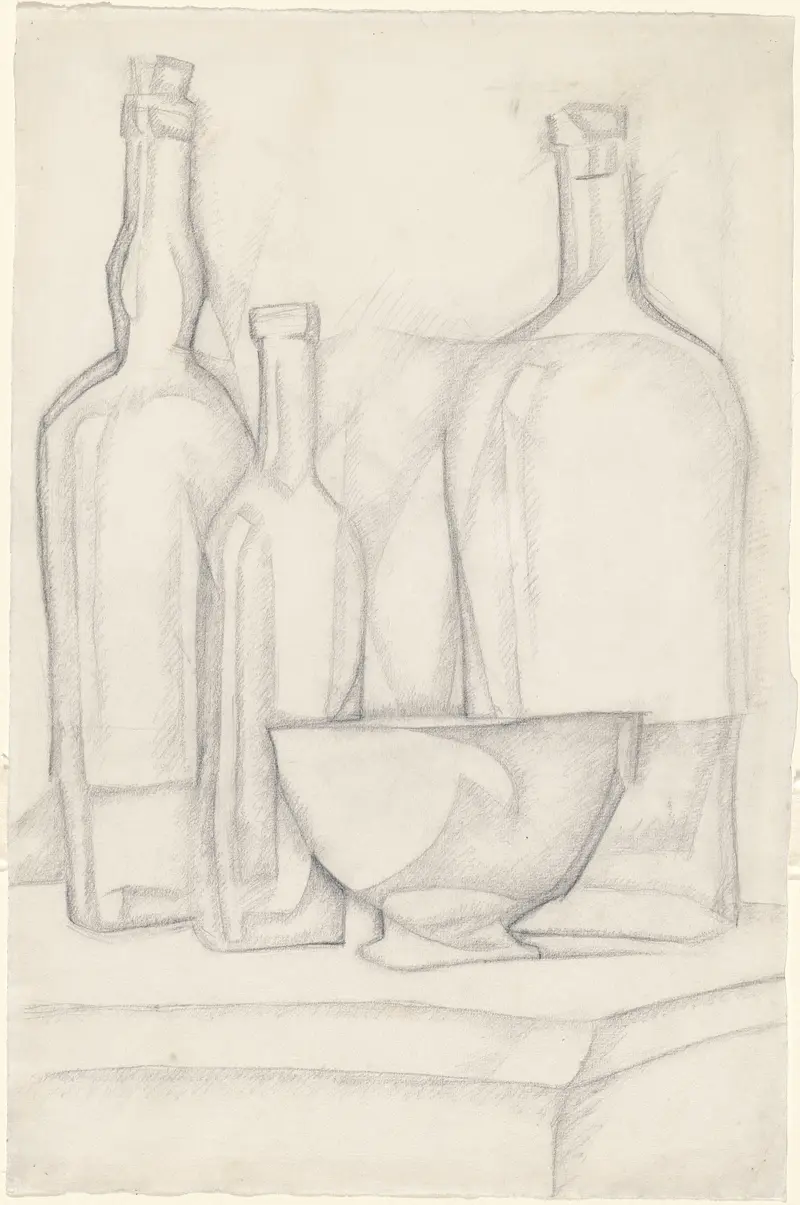
Bottles and Bowl
Juan Gris
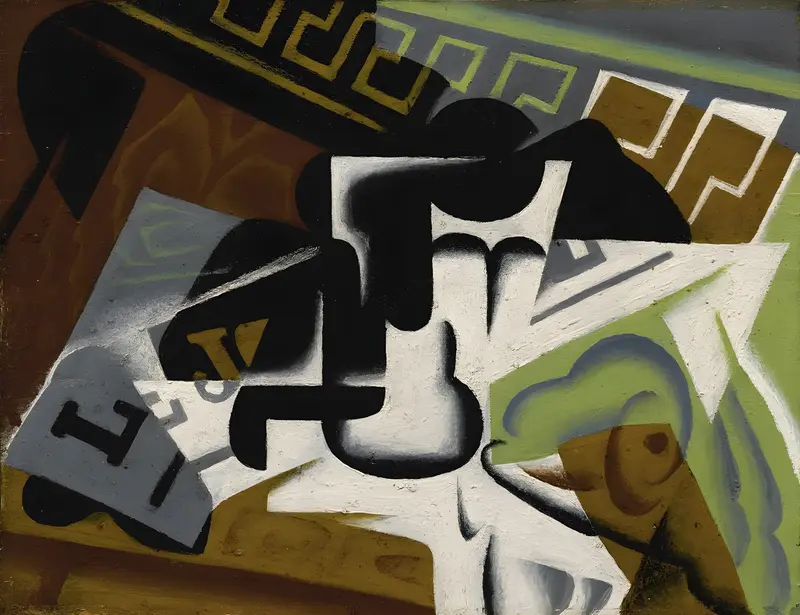
Journal et compotier
Juan Gris
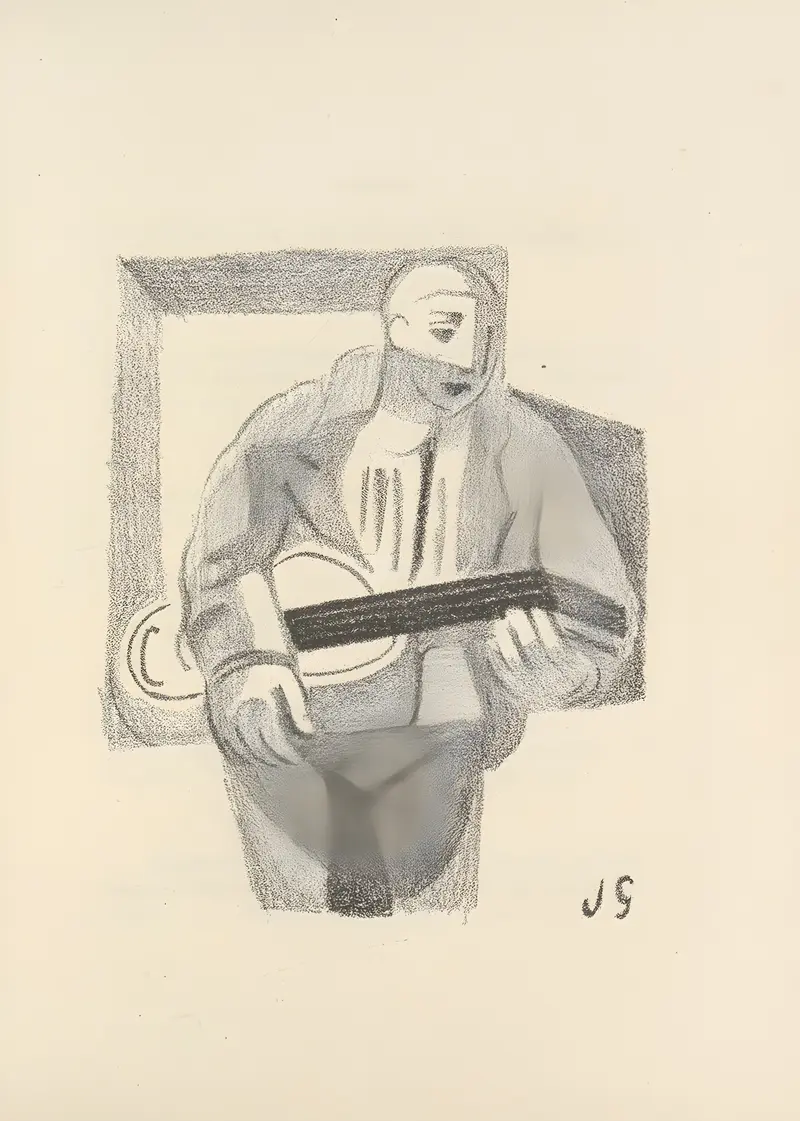
As a wife has a cow Pl.2
Juan Gris
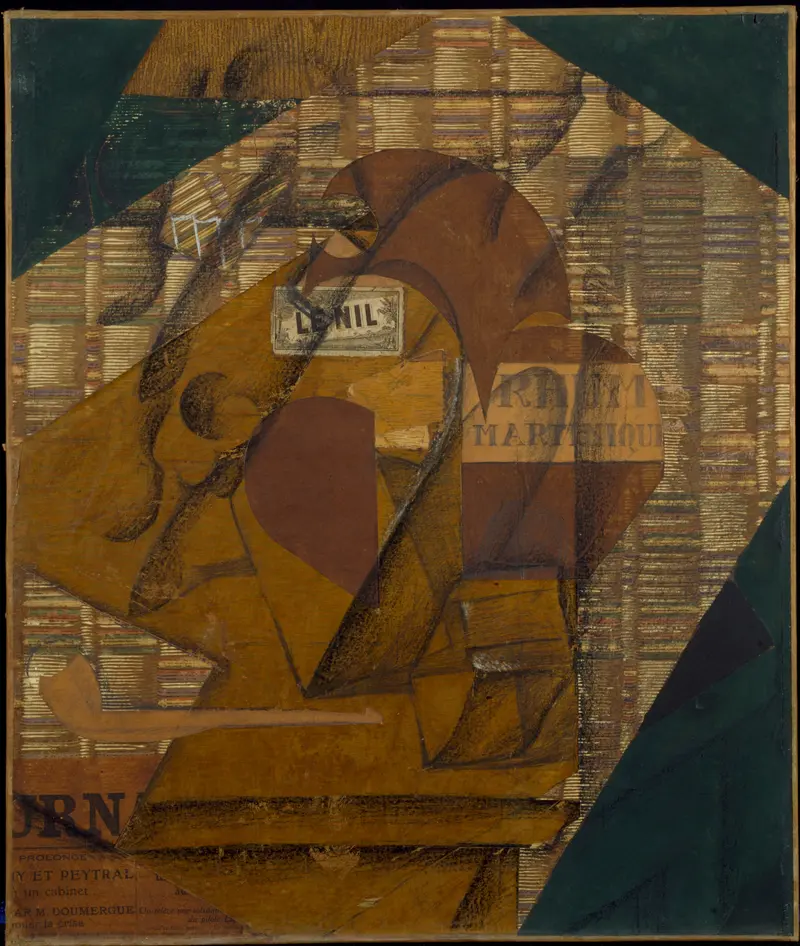
Bottle of Rum and Newspaper
Juan Gris





