
Juana la Loca (Joanna the Mad) — History & Facts
A single, upright figure commands the eye, her black dress tugged by the wind, her gaze fixed on a coffin lit by flickering candles. The world around her seems to pause, suspended between grief and ritual: a priest reads, women cluster in mourning, and a crowd hovers at the edge of the scene, their faces a mixture of curiosity, respect, and unease. The sky is heavy, pressing down on the procession, while a smoky fire in the foreground hints at the chill and discomfort of the moment.
Every gesture in Juana la Loca is loaded with meaning—the queen's isolation, the tension in her hands, the uneasy stillness of those who watch her vigil. The painter draws you into the drama not with grand gestures, but with the quiet, relentless weight of sorrow and duty. Painted in 1878 by Francisco Pradilla y Ortiz, this large oil on canvas belongs to the tradition of 19th-century Spanish historical painting, a genre that flourished as artists and patrons sought to reimagine the nation's past for a modern audience. Such works were often commissioned for public institutions or national competitions, intended to inspire reflection on identity and history.
The painting now resides in the collection of the Museo Nacional de Bellas Artes, a reminder of how history painting once served as both spectacle and lesson. Look again at the queen’s haunted face, and consider how the painter’s world—one of political uncertainty and revived interest in Spain’s royal legends—shaped the way he told her story.
More Artworks by Francisco Pradilla

Spring Mist in Italy
Francisco Pradilla
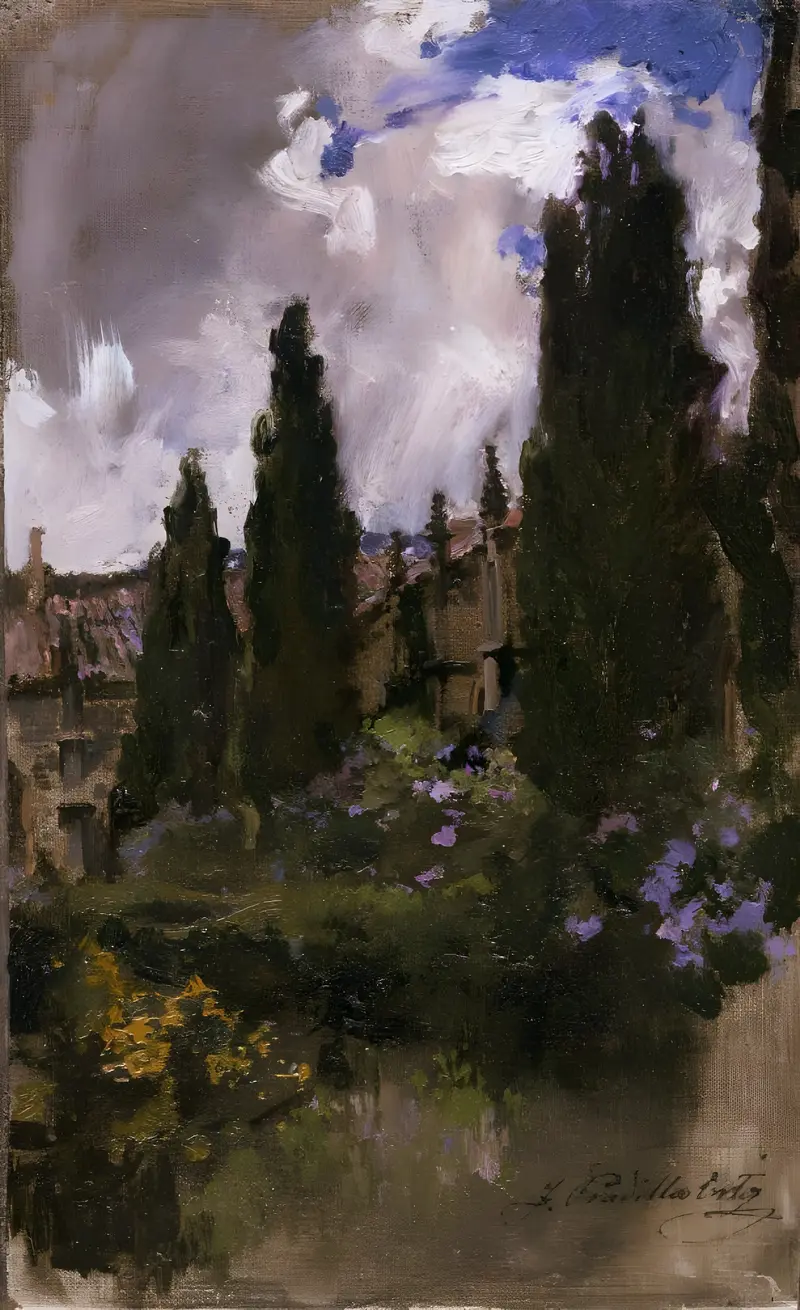
Among the Bulls of Guisando
Francisco Pradilla
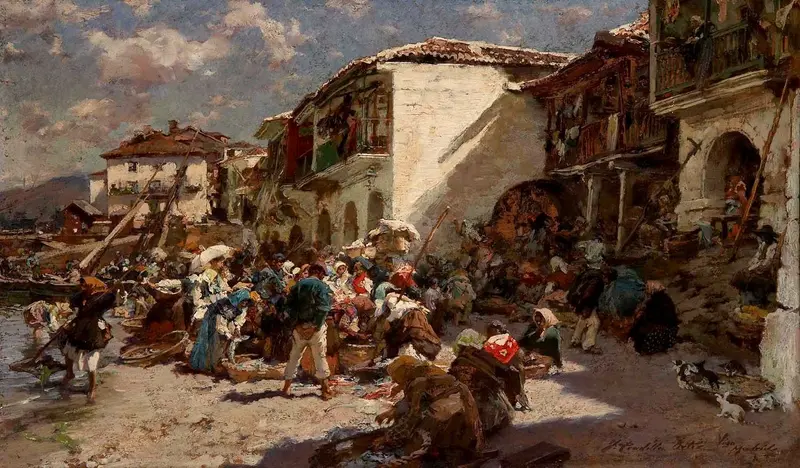
Selling Fish on Vigo Beach
Francisco Pradilla
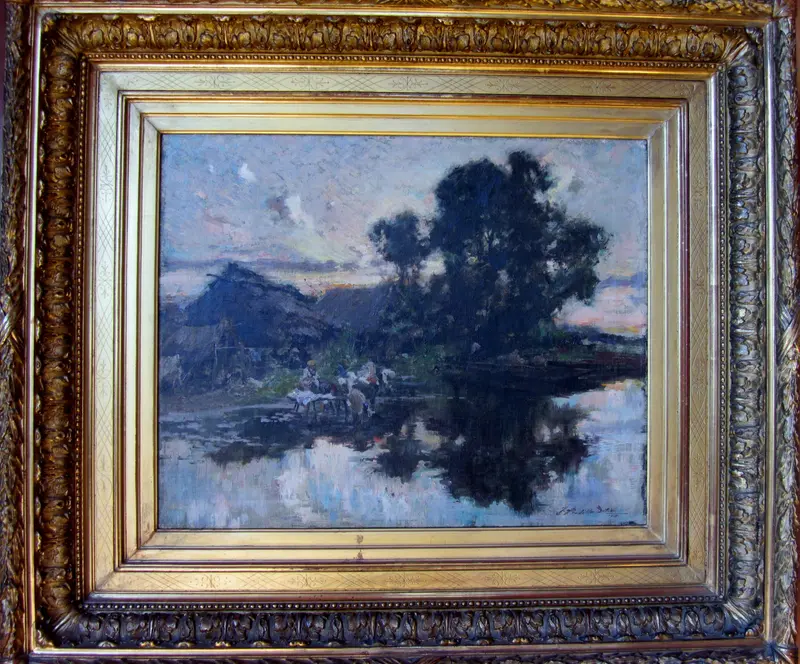
On the Riverbank
Francisco Pradilla

Raimunda Osorio, Marchioness of Linares
Francisco Pradilla
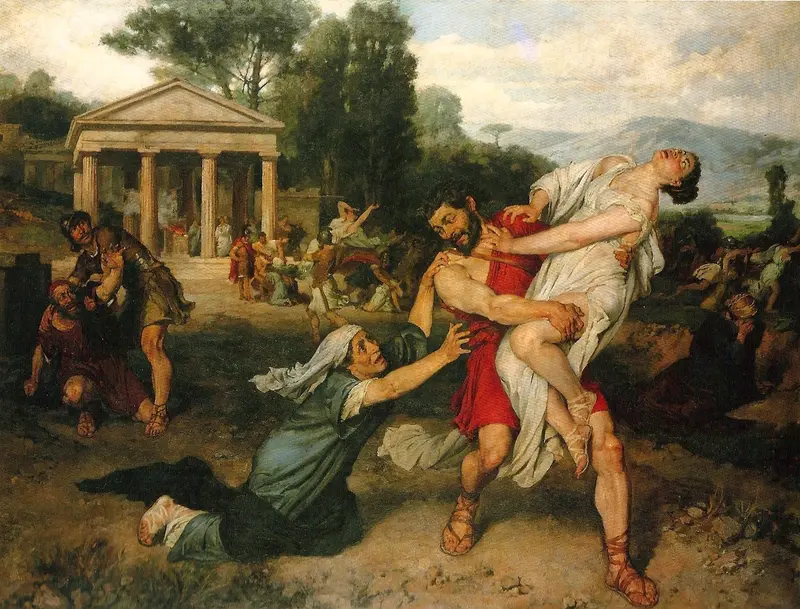
The Rape of the Sabine Women
Francisco Pradilla
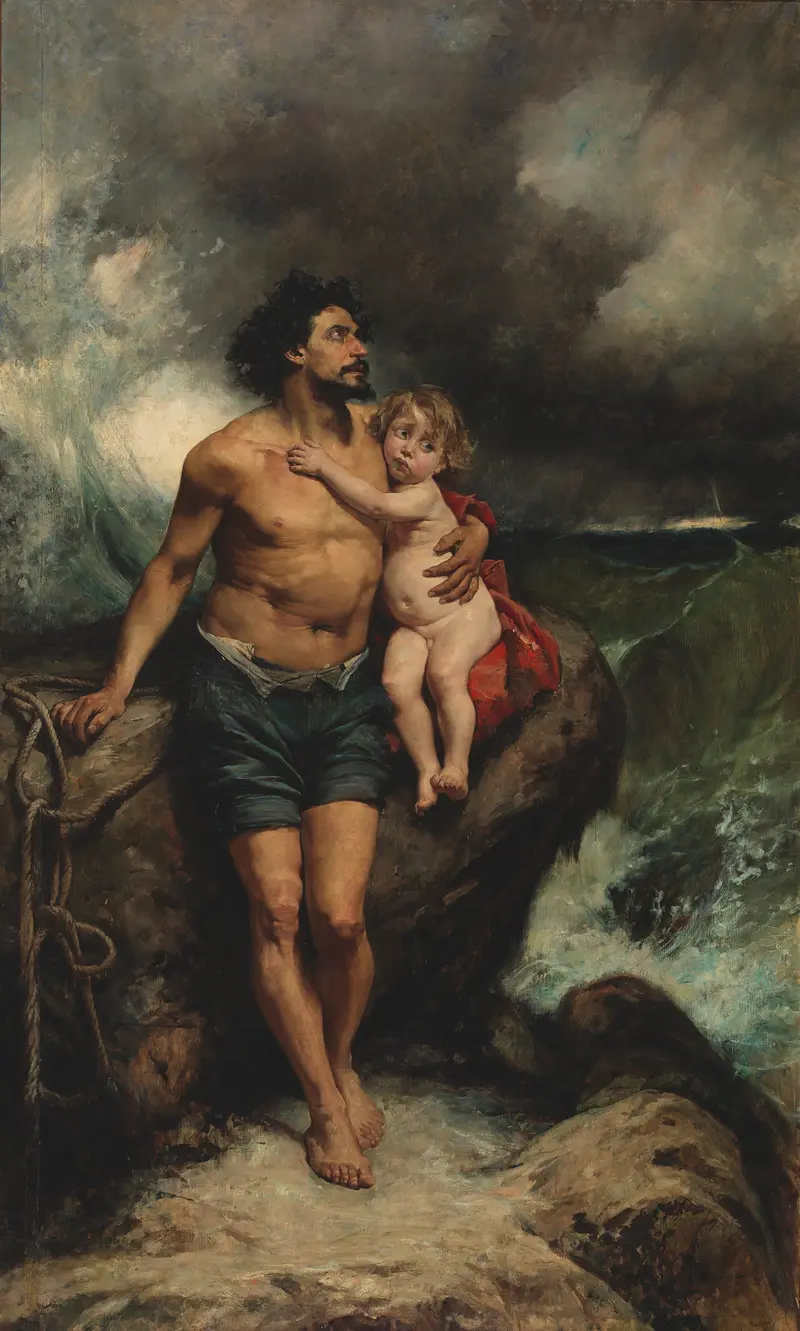
The Shipwrecked
Francisco Pradilla
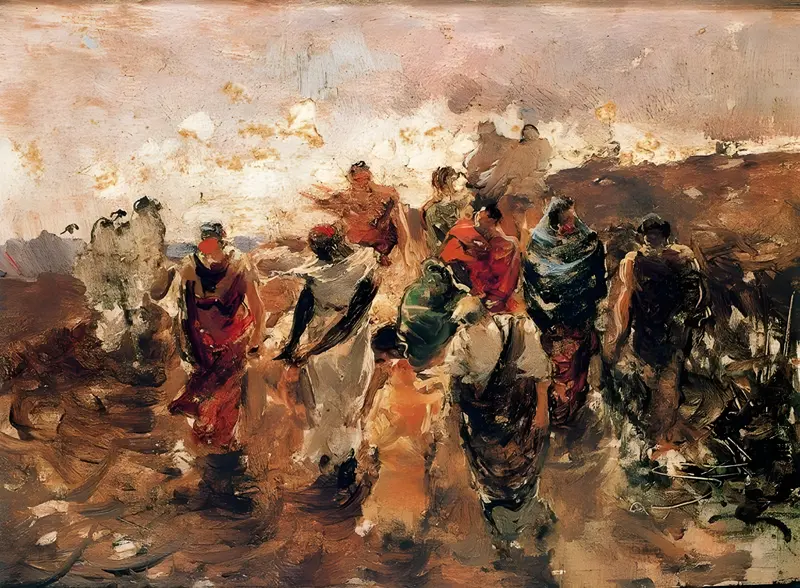
Impression
Francisco Pradilla
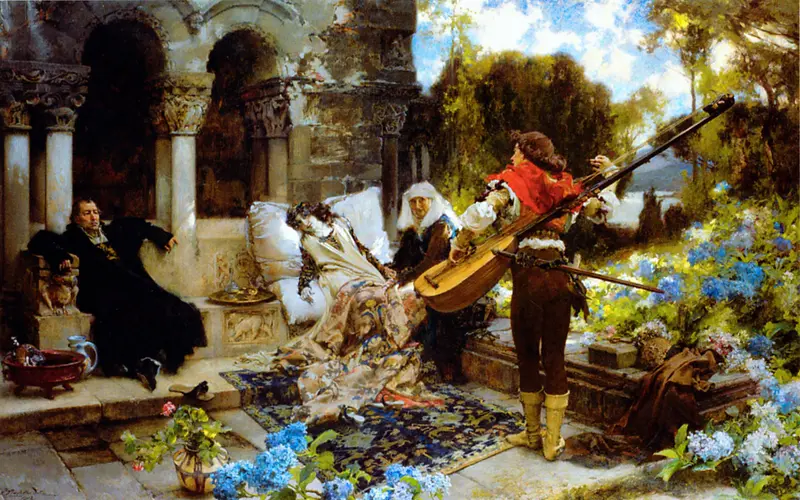
Lovesickness
Francisco Pradilla
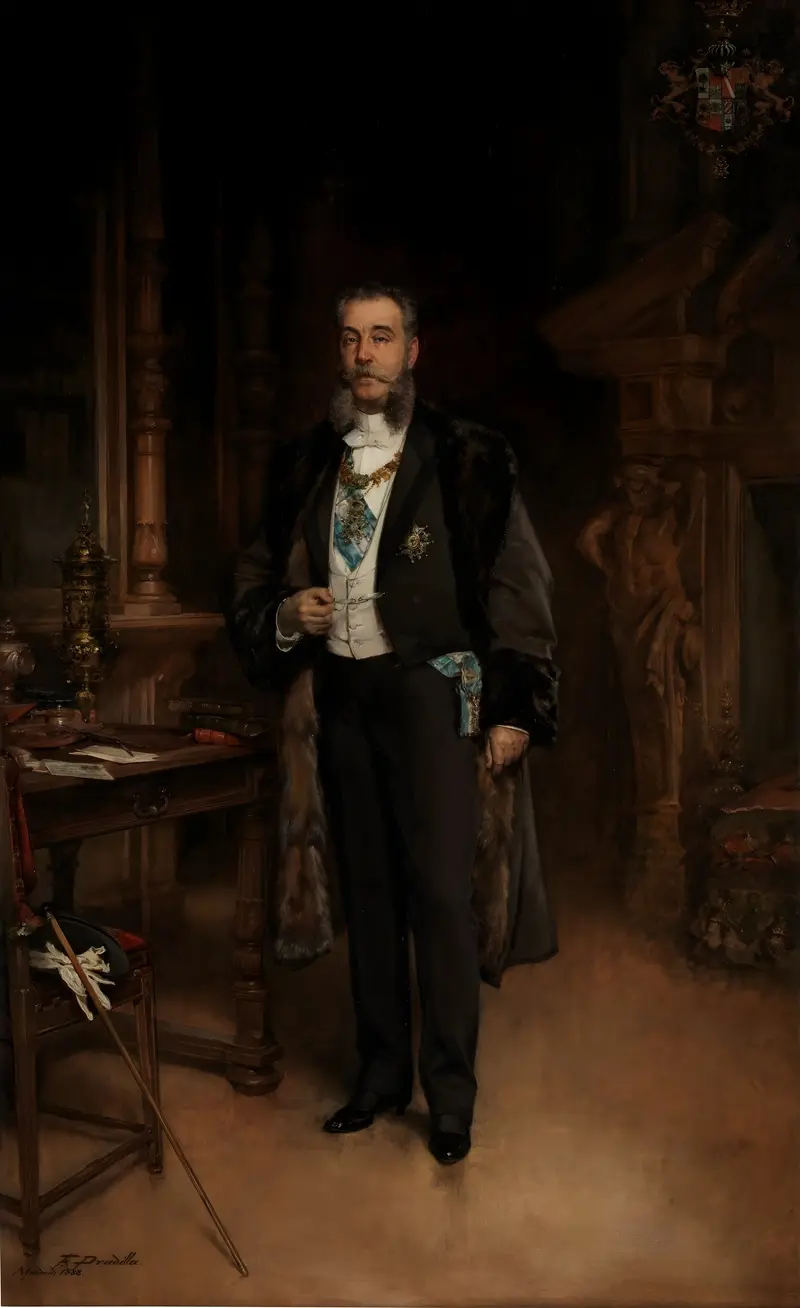
José María de Murga, Marquis of Linares
Francisco Pradilla





