
The Shipwrecked — History & Facts
What holds your gaze first in The Shipwrecked is not the storm, but the bond between the two survivors: a man and a child, pressed together on a barren rock as the sea still churns around them. The man’s body, muscular yet weary, leans protectively over the child, whose small arms cling to him in instinctive trust. Their bare skin stands out against the cold palette of the storm, drawing the eye to the warmth of human connection amid chaos.
The man’s gaze, lifted toward the horizon, suggests a search for hope or rescue, while the child’s wide eyes meet the viewer’s directly, inviting us into their moment of uncertainty. Every detail—the taut rope, the battered shorts, the swirl of clouds—serves to heighten the sense of survival and the raw vulnerability of being cast ashore. Painted in the 19th century, The Shipwrecked belongs to an era when artists across Europe were drawn to stories of peril and endurance, often as metaphors for the human condition. This was a time when Romantic and Realist painters alike explored the drama of nature and the resilience of ordinary people, responding to a world in the throes of industrial and social change.
Little is recorded about the specific journey of this canvas, now housed in the Museo Nacional del Prado, but its subject echoes the anxieties and aspirations of its age. Works like this were often intended to stir empathy and contemplation in their viewers—reminding us, as this painting still does, of the fragile line between disaster and hope.
More Artworks by Francisco Pradilla

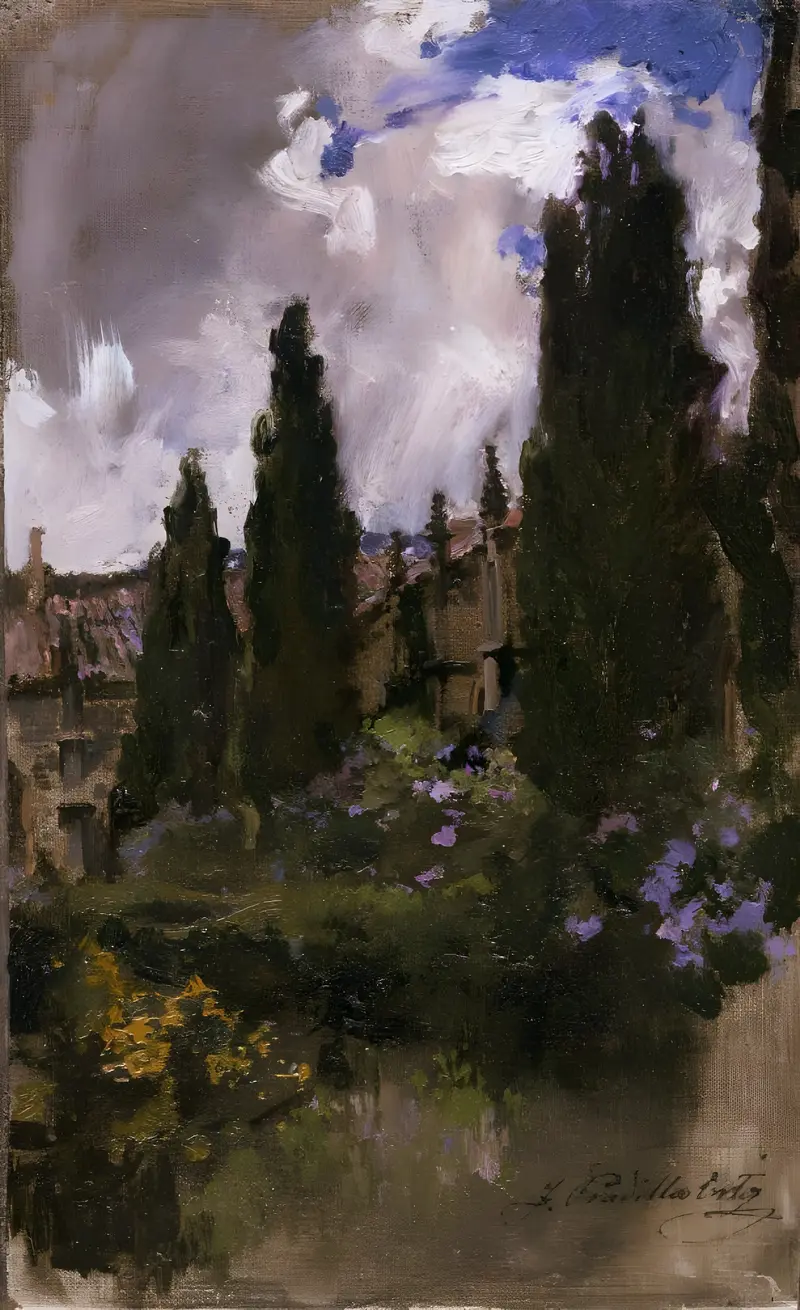
Spring Mist in Italy
Francisco Pradilla
Among the Bulls of Guisando
Francisco Pradilla
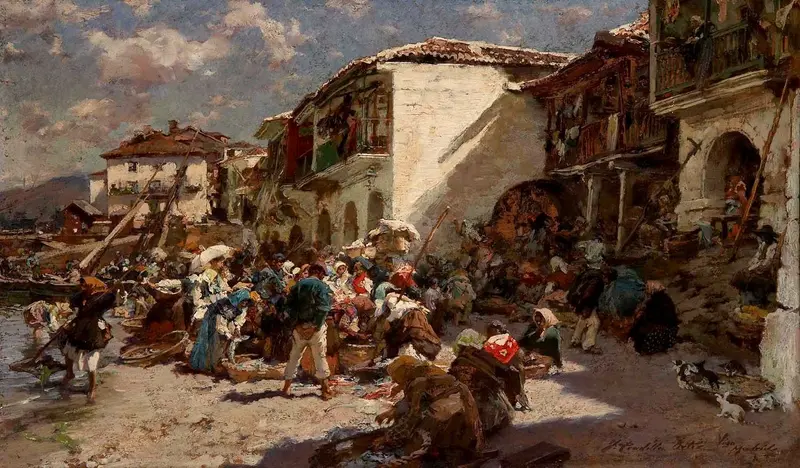
Selling Fish on Vigo Beach
Francisco Pradilla
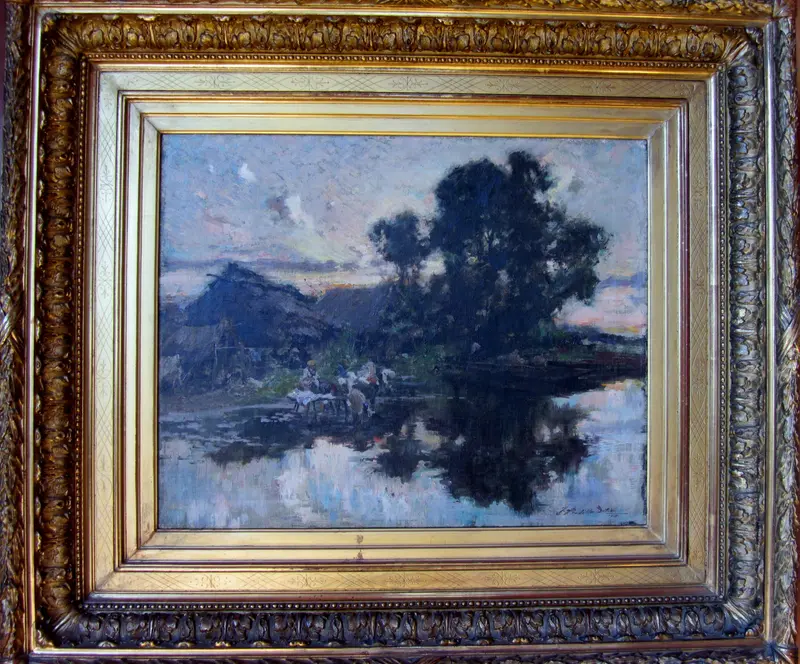
On the Riverbank
Francisco Pradilla

Raimunda Osorio, Marchioness of Linares
Francisco Pradilla
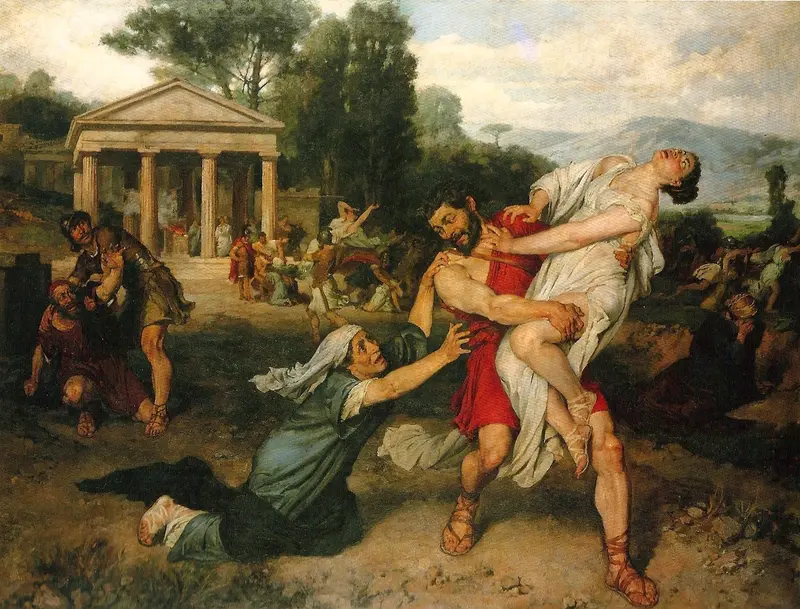
The Rape of the Sabine Women
Francisco Pradilla
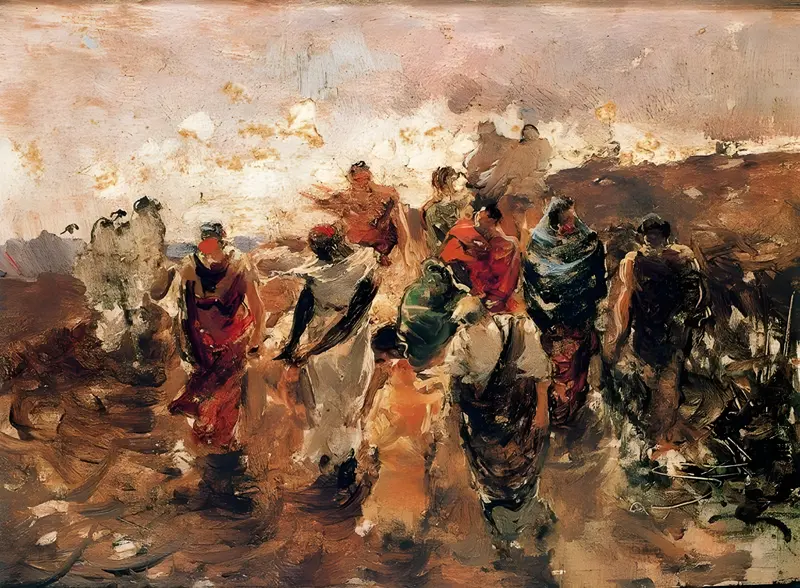
Impression
Francisco Pradilla
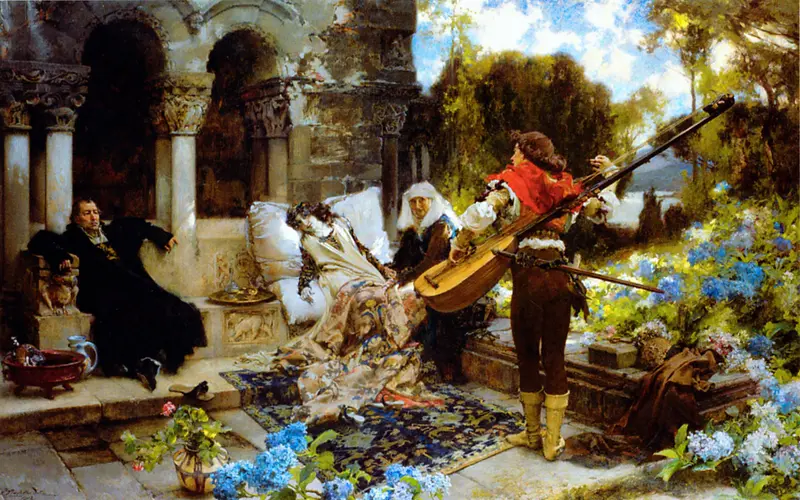
Lovesickness
Francisco Pradilla
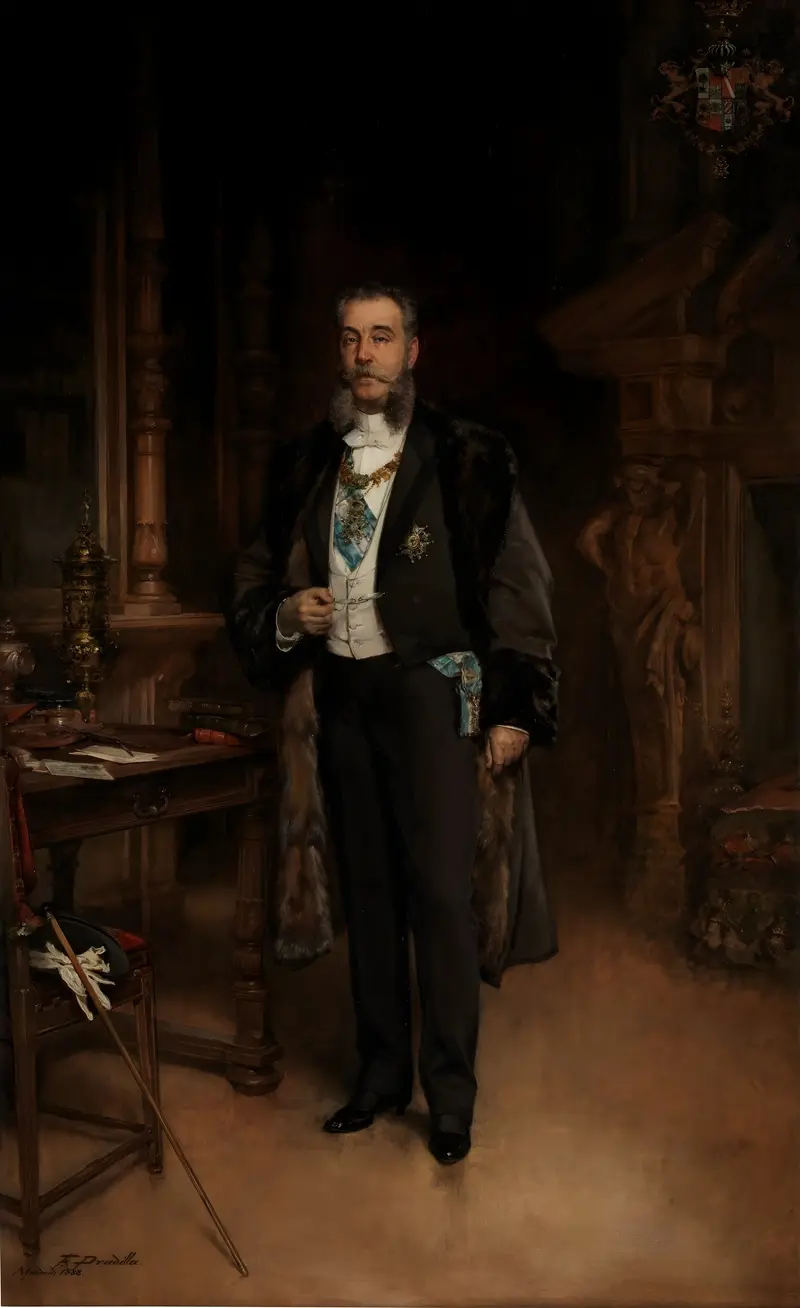
José María de Murga, Marquis of Linares
Francisco Pradilla
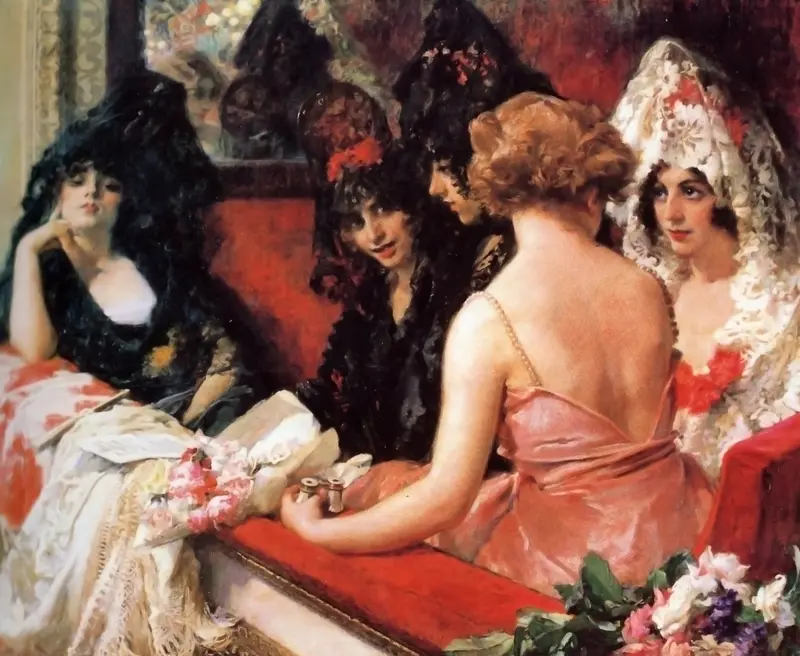
Manolas in the Theatre Box
Francisco Pradilla



