
Lovesickness — History & Facts
The first thing to catch the eye in Lovesickness is the vivid contrast between the languor of the central figure and the lush, sunlit garden that surrounds her. A young woman, pale and faint, reclines on a bank of pillows, her body limp as if weighed down by invisible burdens. The painter draws us into her private drama: an older woman leans in with concern, while a somber man sits apart in shadow, perhaps a physician or a father, his posture heavy with resignation.
At the edge of the scene, a young man in bright attire stands poised with a lute, his gesture mid-strum, as if music might yet reach her. The garden’s riot of blue flowers and the intricate rug beneath her feet set a stage of opulence, but the light falls most tenderly on the woman’s face, making her suffering the true center of gravity. Painted in 1912 by Francisco Pradilla, this oil on canvas belongs to a tradition that delighted in theatrical storytelling and historical costume, a genre prized by collectors and public institutions in late nineteenth- and early twentieth-century Spain. Such works often found homes in salons or illustrated books, where they offered viewers a window onto imagined pasts and the emotional lives of their characters.
While little is recorded about this specific painting beyond its reproduction in an art book, its grand scale and elaborate detail speak to the continued appetite for narrative scenes even as modernism was reshaping European art. The viewer is left to wonder: is the cure for her lovesickness to be found in the music, the garden, or the attentive company—or is the real story in the silent spaces between them?
More Artworks by Francisco Pradilla

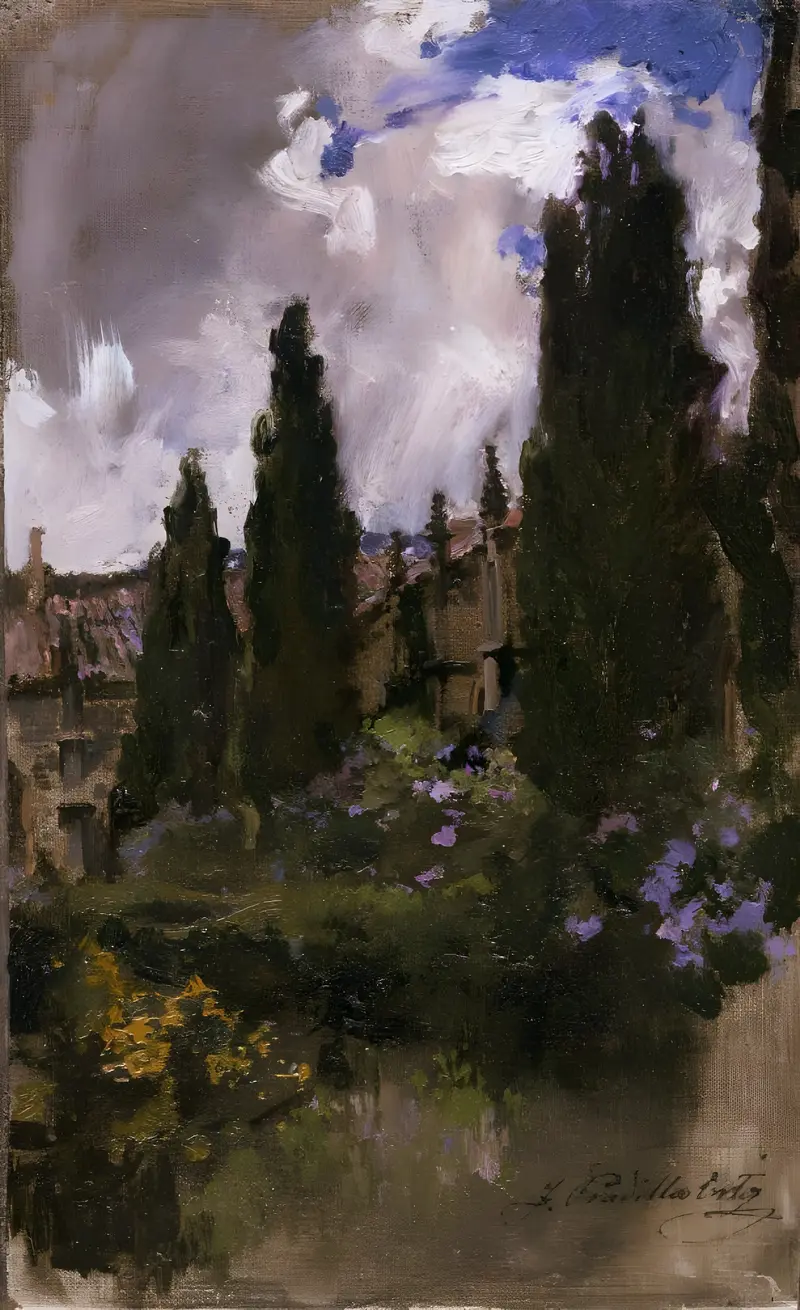
Spring Mist in Italy
Francisco Pradilla
Among the Bulls of Guisando
Francisco Pradilla
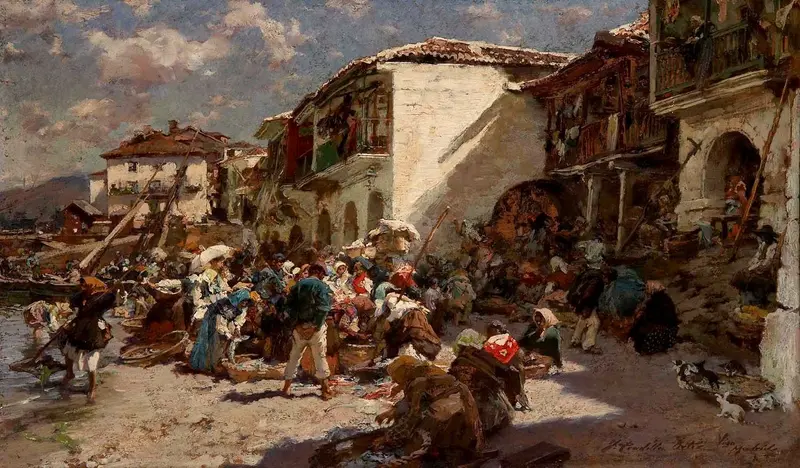
Selling Fish on Vigo Beach
Francisco Pradilla
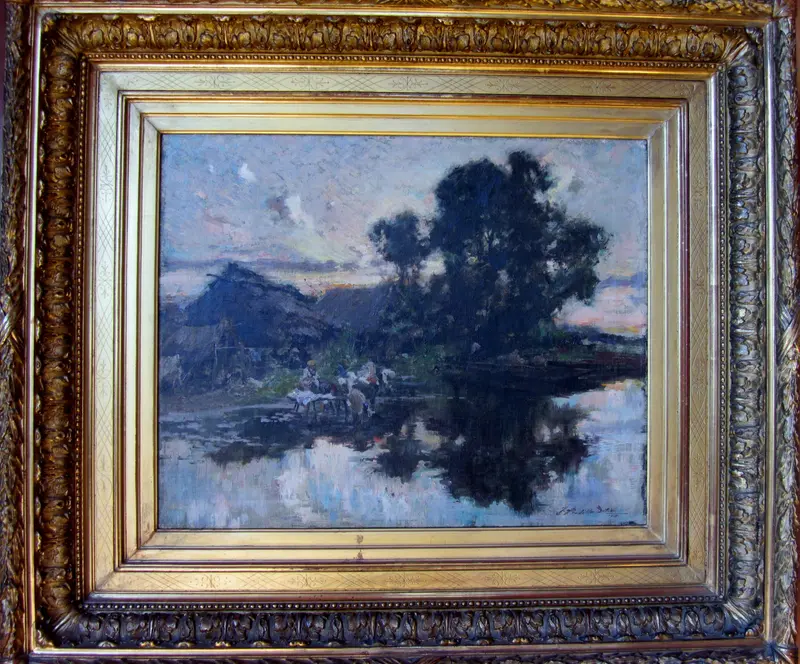
On the Riverbank
Francisco Pradilla

Raimunda Osorio, Marchioness of Linares
Francisco Pradilla
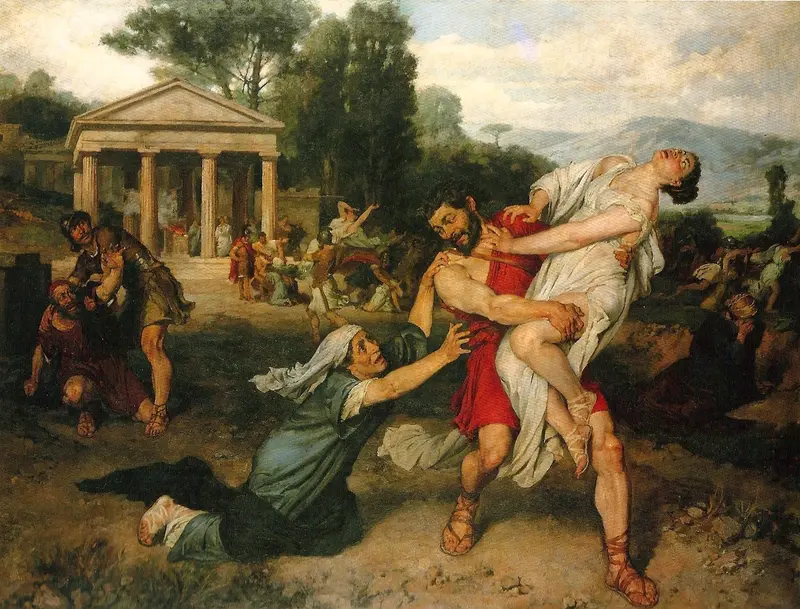
The Rape of the Sabine Women
Francisco Pradilla
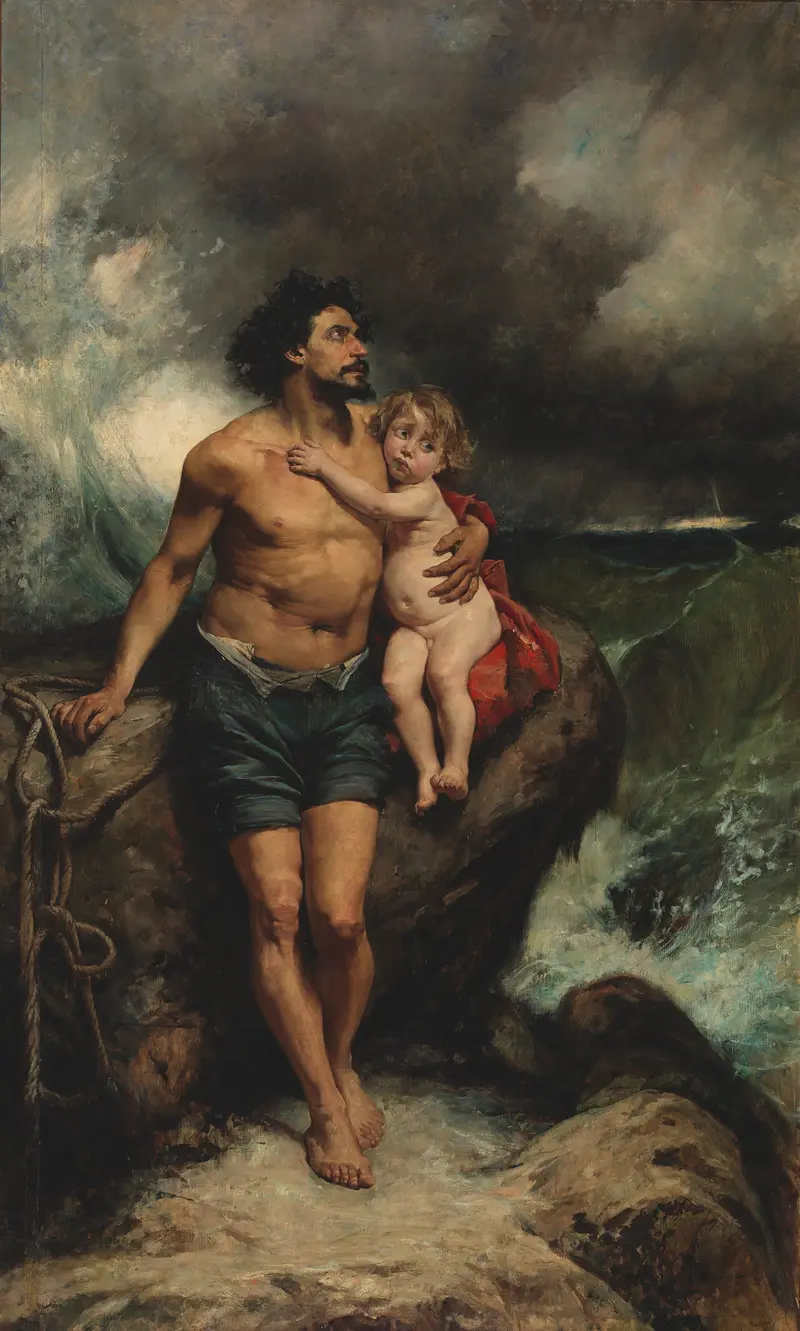
The Shipwrecked
Francisco Pradilla
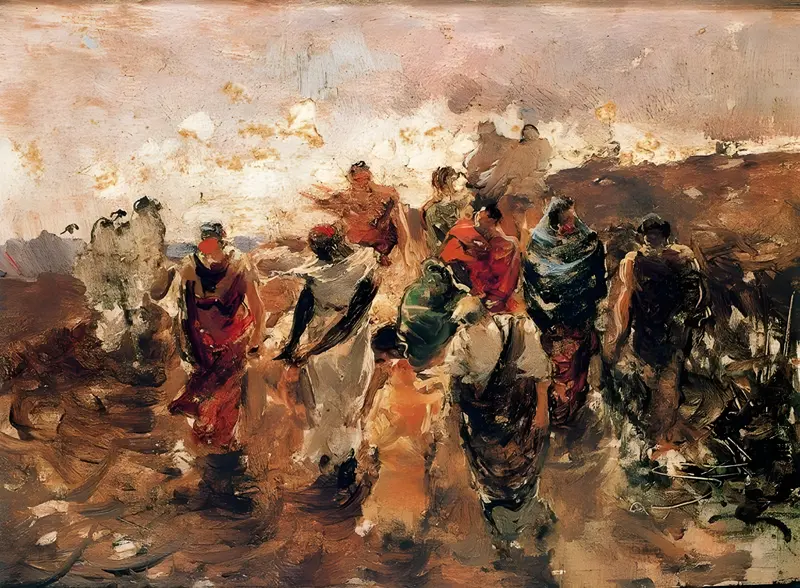
Impression
Francisco Pradilla
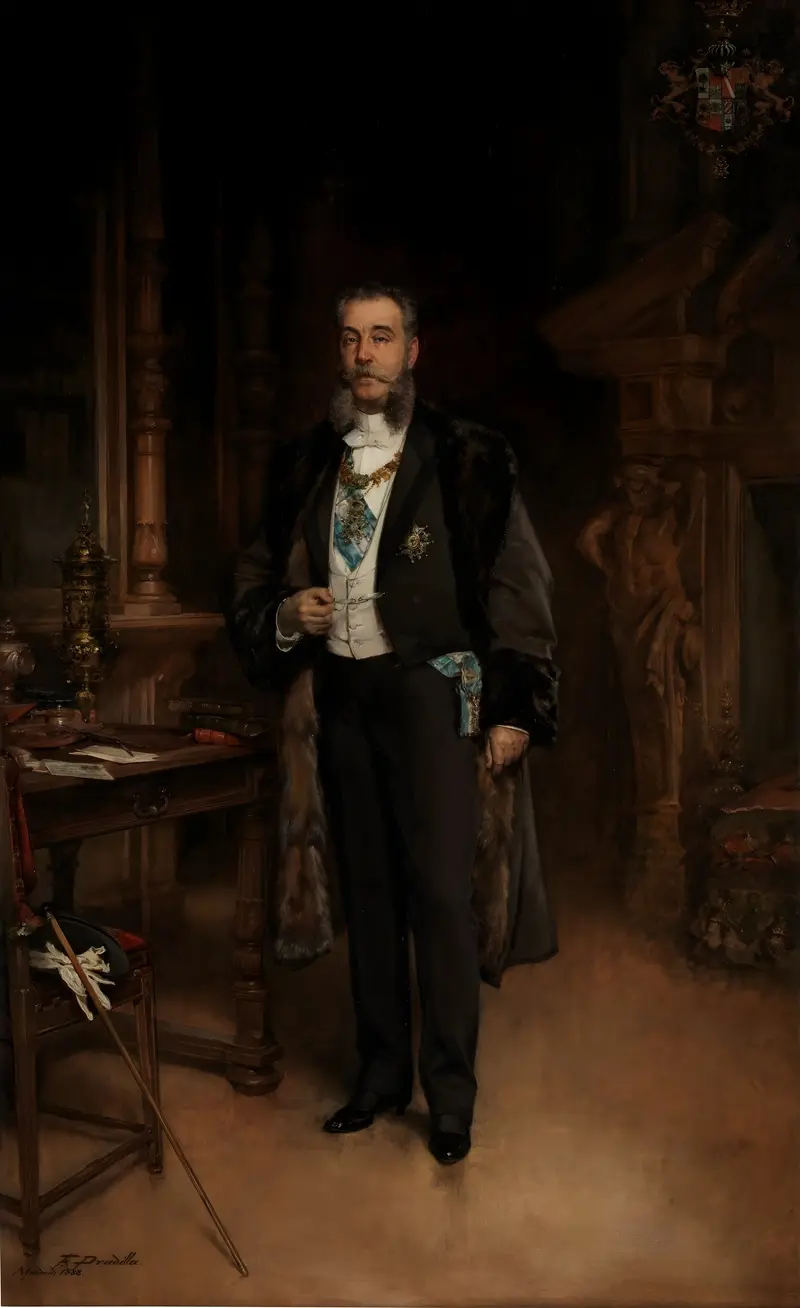
José María de Murga, Marquis of Linares
Francisco Pradilla
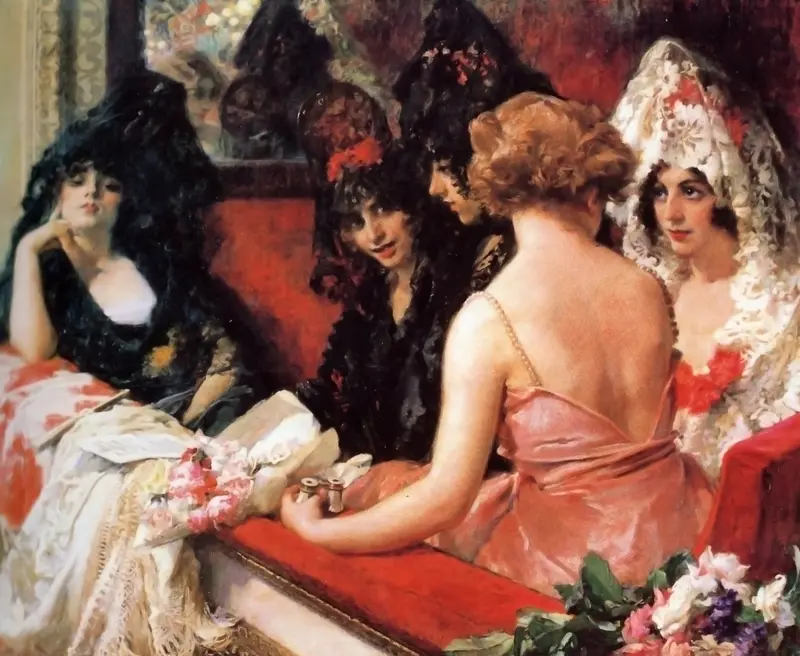
Manolas in the Theatre Box
Francisco Pradilla
More Genre Scene Art

Banquet of the Officers of the St George Civic Guard
Frans Hals

Rembrandt and Saskia in the Scene of the Prodigal Son
Rembrandt van Rijn

Bal du moulin de la Galette
Pierre-Auguste Renoir

Quadrille at the Moulin Rouge
Henri de Toulouse-Lautrec

A Burial at Ornans
Gustave Courbet

When Will You Marry?
Paul Gauguin