
Raimunda Osorio, Marchioness of Linares — History & Facts
The first thing to catch the eye is the confident presence of the sitter, her gaze steady and her posture deliberate, as if she has just paused in the midst of a grand occasion. The sweep of her gown, with its intricate gold embroidery and deep velvet, draws the viewer into a world of ceremony and status. Every detail—the lace gloves, the delicate fan, the subtle jewelry—signals both wealth and a precise attention to the rituals of high society.
Behind her, a dramatic red curtain and a sculpted figure clutching a coat of arms reinforce the sense of lineage and power, while the marble balustrade and classical ornament anchor her in a space designed for display. Light falls directly on her face and bodice, ensuring that, despite the opulence of her surroundings, it is her individuality that commands the scene. Painted in 1888, this portrait by Francisco Pradilla belongs to a tradition that flourished in late nineteenth-century Spain, when the aristocracy sought to assert their place in a rapidly modernizing society. Such works were often commissioned to commemorate status, marriage, or public service, and were intended for prominent display in private palaces or civic institutions.
The artist’s careful rendering of costume and setting reflects the period’s fascination with both historical grandeur and contemporary fashion. Now in the collection of the Museo del Prado, the painting stands as a testament to a world where appearances mattered deeply, and where the brush could immortalize both the trappings and the temperament of a vanished elite. The longer you look, the more the sitter’s self-possession seems to reach out across the years, inviting you to imagine the life behind the pose.
More Artworks by Francisco Pradilla

Spring Mist in Italy
Francisco Pradilla
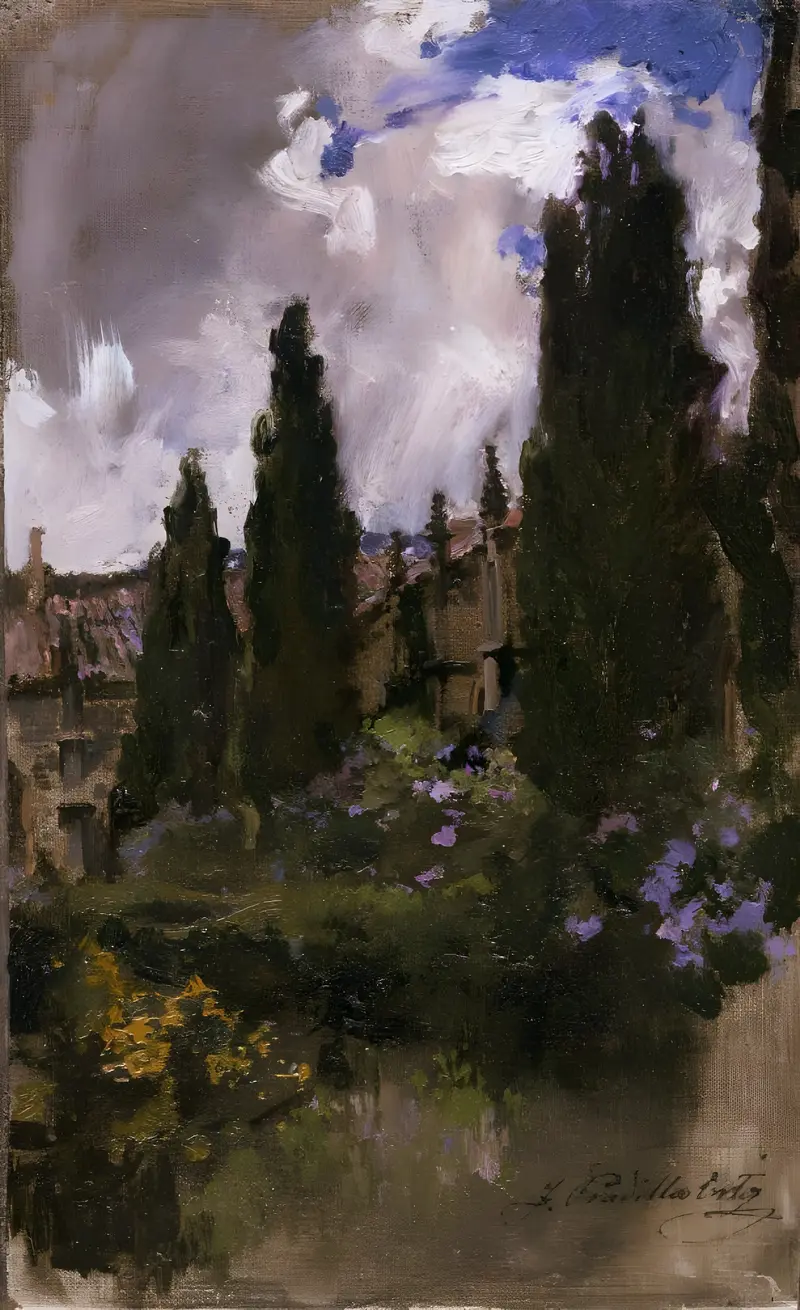
Among the Bulls of Guisando
Francisco Pradilla
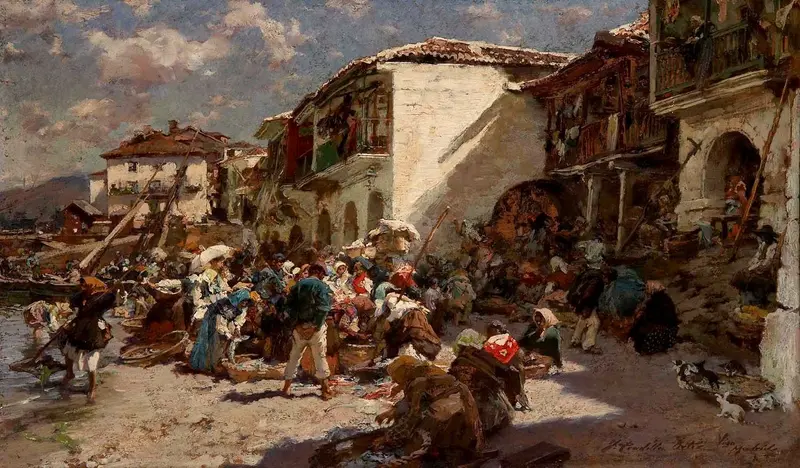
Selling Fish on Vigo Beach
Francisco Pradilla
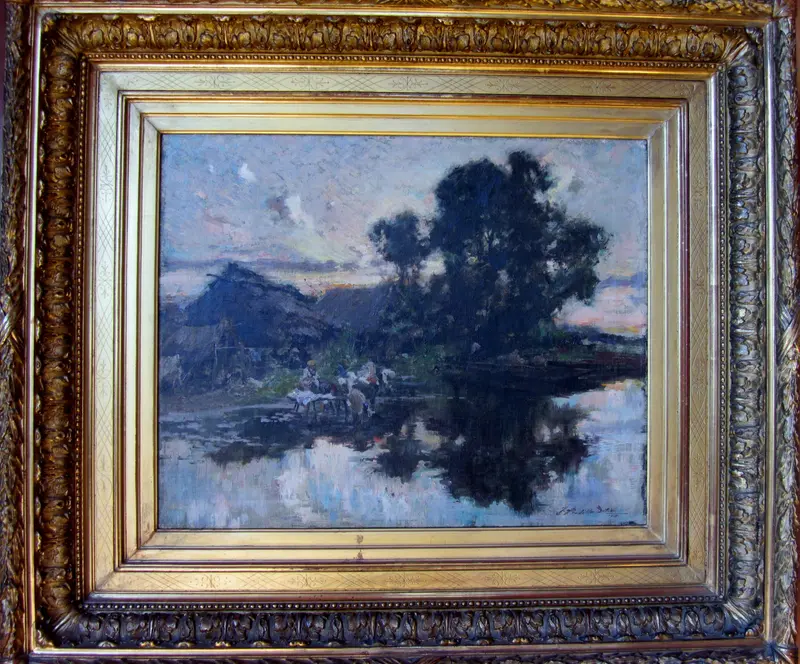
On the Riverbank
Francisco Pradilla
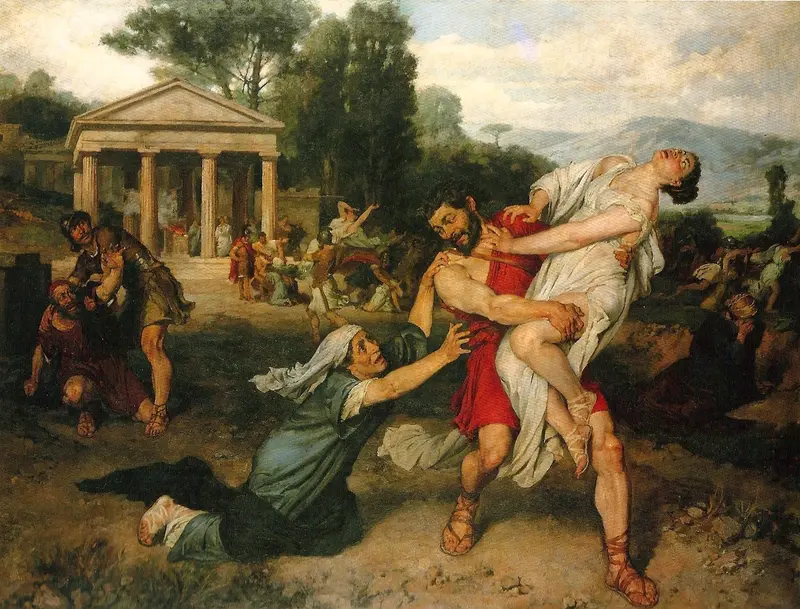
The Rape of the Sabine Women
Francisco Pradilla
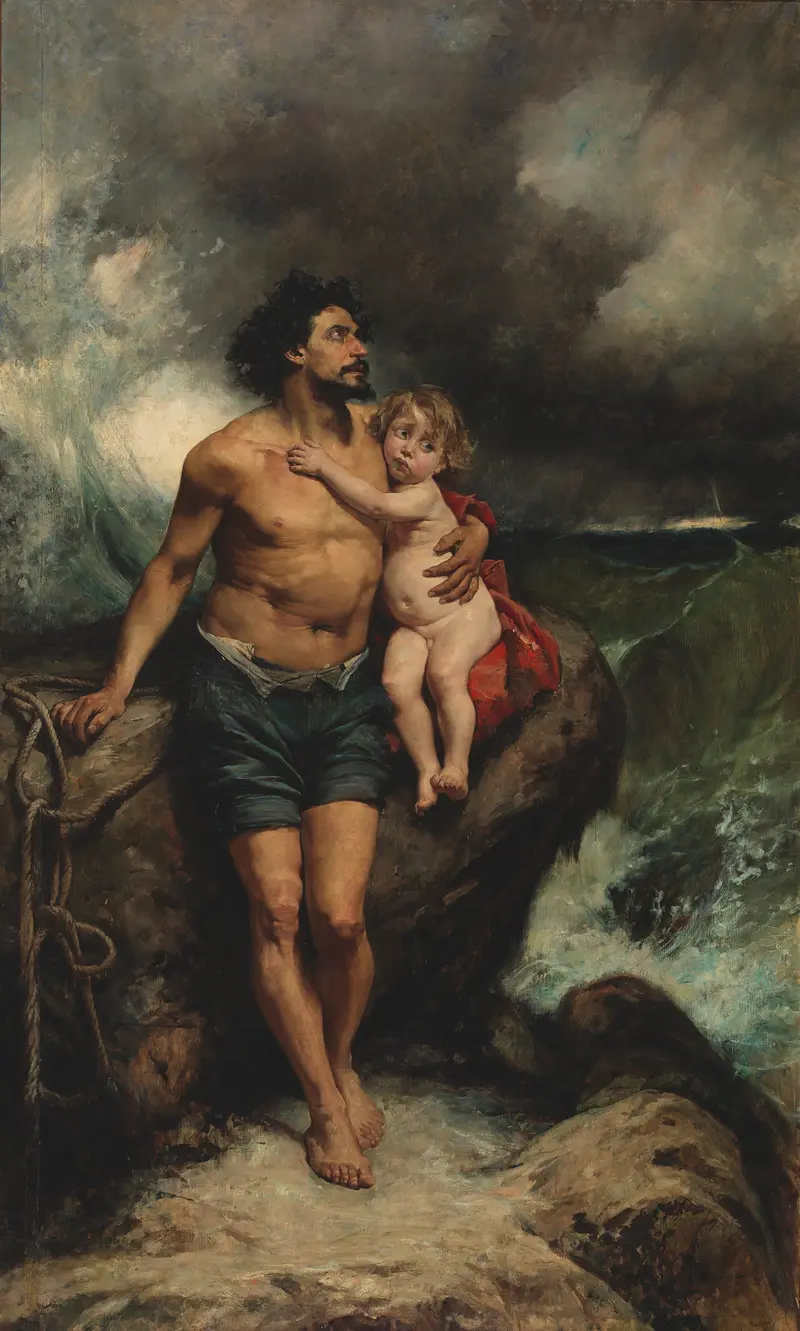
The Shipwrecked
Francisco Pradilla
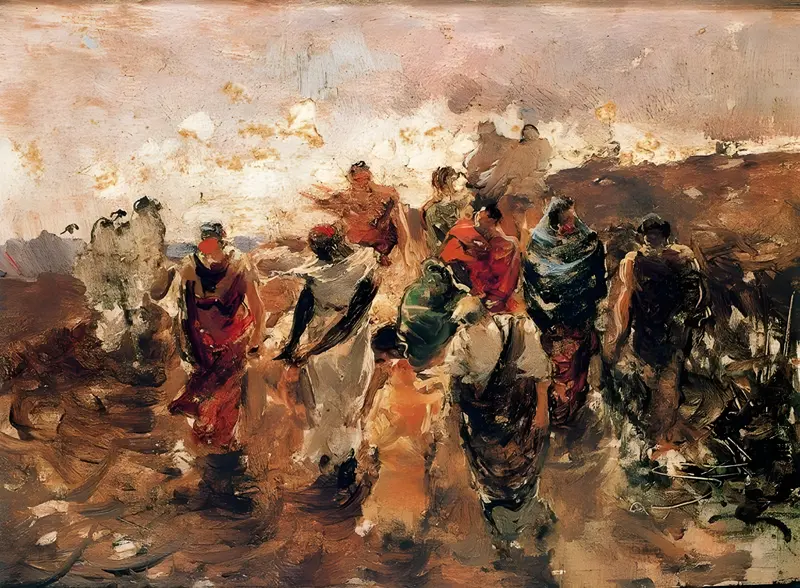
Impression
Francisco Pradilla
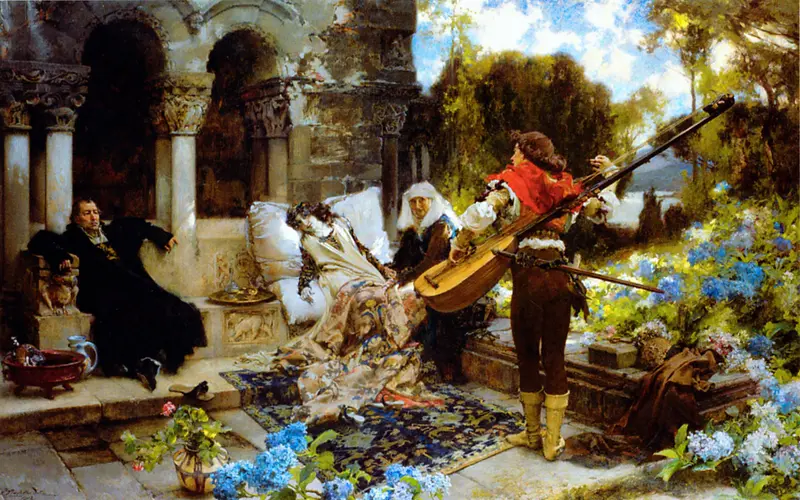
Lovesickness
Francisco Pradilla
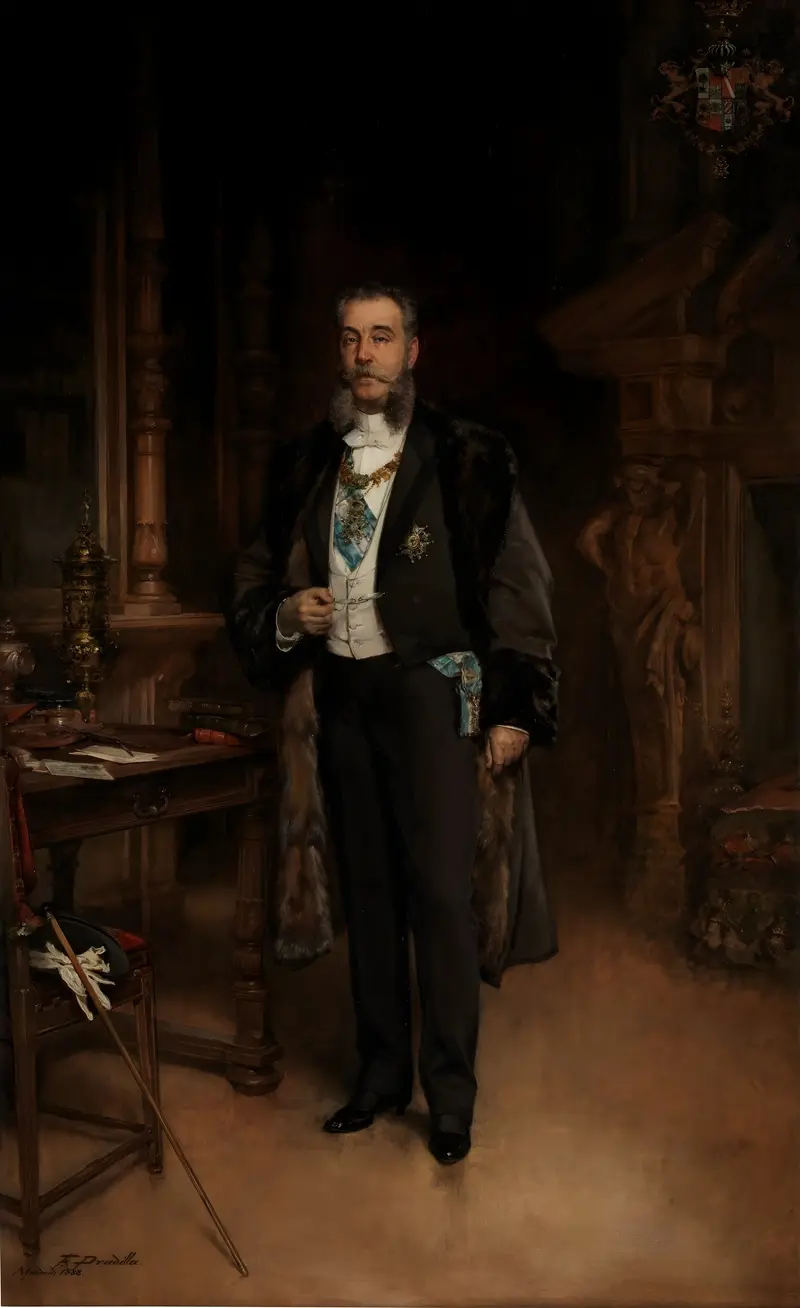
José María de Murga, Marquis of Linares
Francisco Pradilla
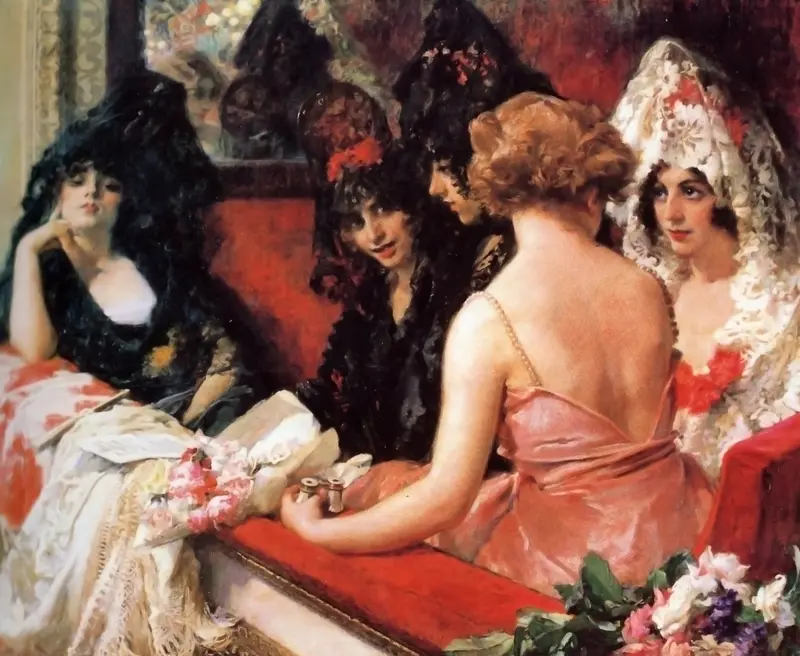
Manolas in the Theatre Box
Francisco Pradilla





