
José María de Murga, Marquis of Linares — History & Facts
What first draws the eye is the quiet authority of the sitter, José de Murga y Reolid, standing amid the trappings of power and culture. The artist, Francisco Pradilla, gives us not just a likeness but a stage: the Marquis of Linares is framed by heavy architecture and a richly appointed desk, his fur-lined coat and glittering honors signaling both wealth and public service. The play of light falls directly on his face and chest, illuminating the star-shaped insignia and the blue sash—a visual shorthand for his rank and achievements.
Every detail, from the gold chain to the carefully placed documents, is a clue to the sitter’s world, inviting us to read the painting as a record of status and ambition. Painted in 1888, this portrait belongs to a tradition that flourished in late nineteenth-century Spain, when aristocrats and political leaders commissioned grand likenesses to assert their place in a rapidly changing society. Such works were not mere decoration; they were declarations, meant to hang in salons and official chambers as evidence of lineage and accomplishment. Little is recorded about the specific journey of this canvas, but its presence in a documented collection speaks to the enduring power of portraiture in the age of empire and industrialization.
The world that produced this painting was one where image and identity were closely entwined—look again at the Marquis’s steady gaze, and consider what he wished history to remember.
More Artworks by Francisco Pradilla

Spring Mist in Italy
Francisco Pradilla
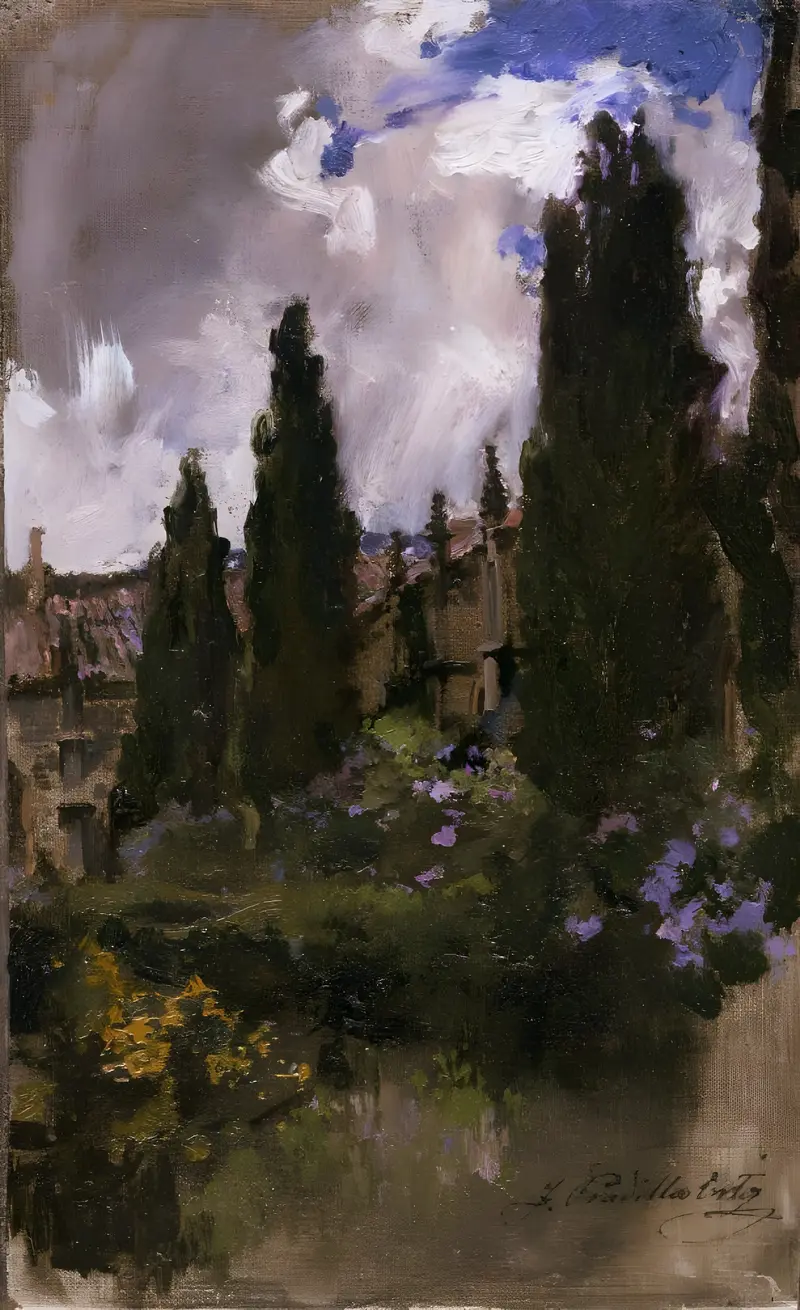
Among the Bulls of Guisando
Francisco Pradilla
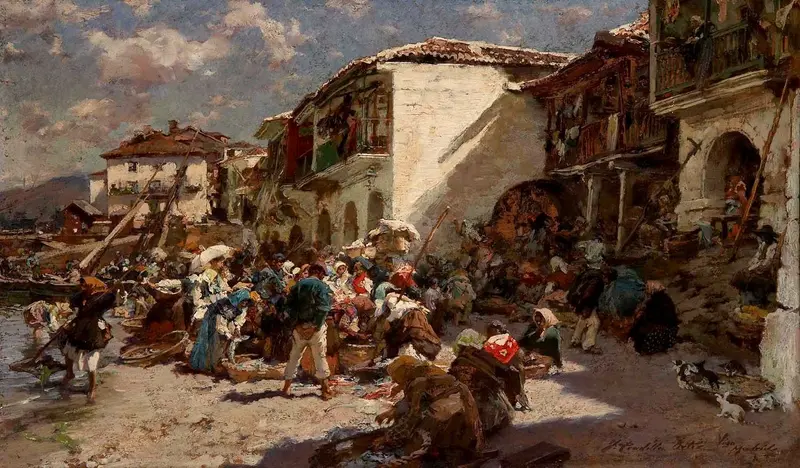
Selling Fish on Vigo Beach
Francisco Pradilla
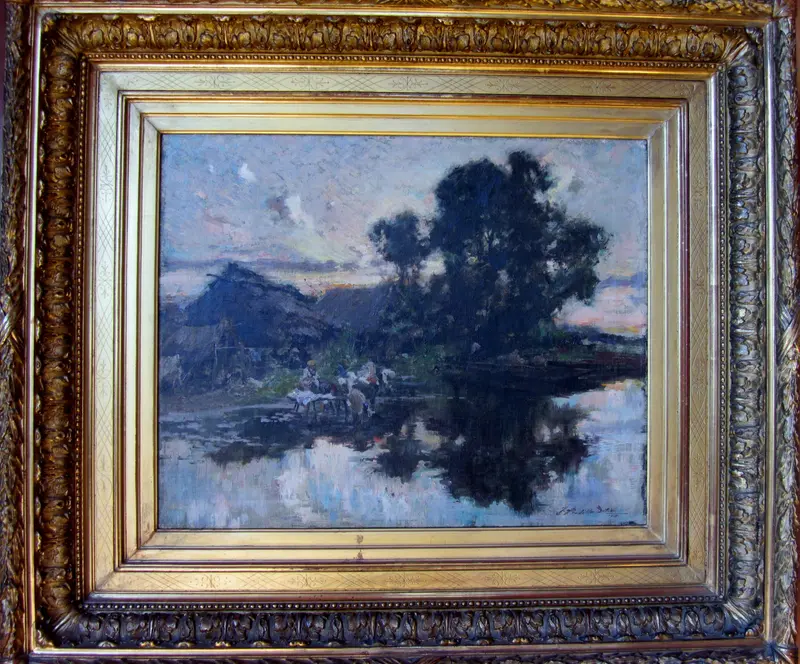
On the Riverbank
Francisco Pradilla

Raimunda Osorio, Marchioness of Linares
Francisco Pradilla
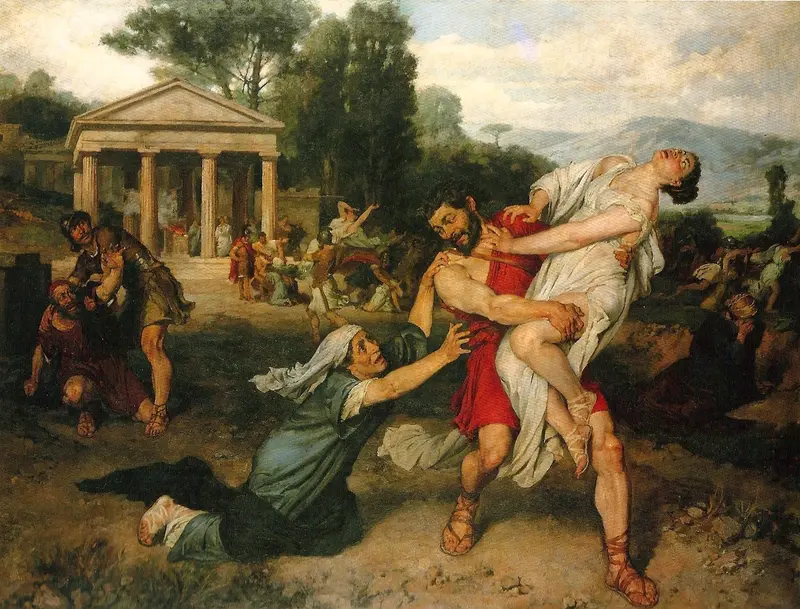
The Rape of the Sabine Women
Francisco Pradilla
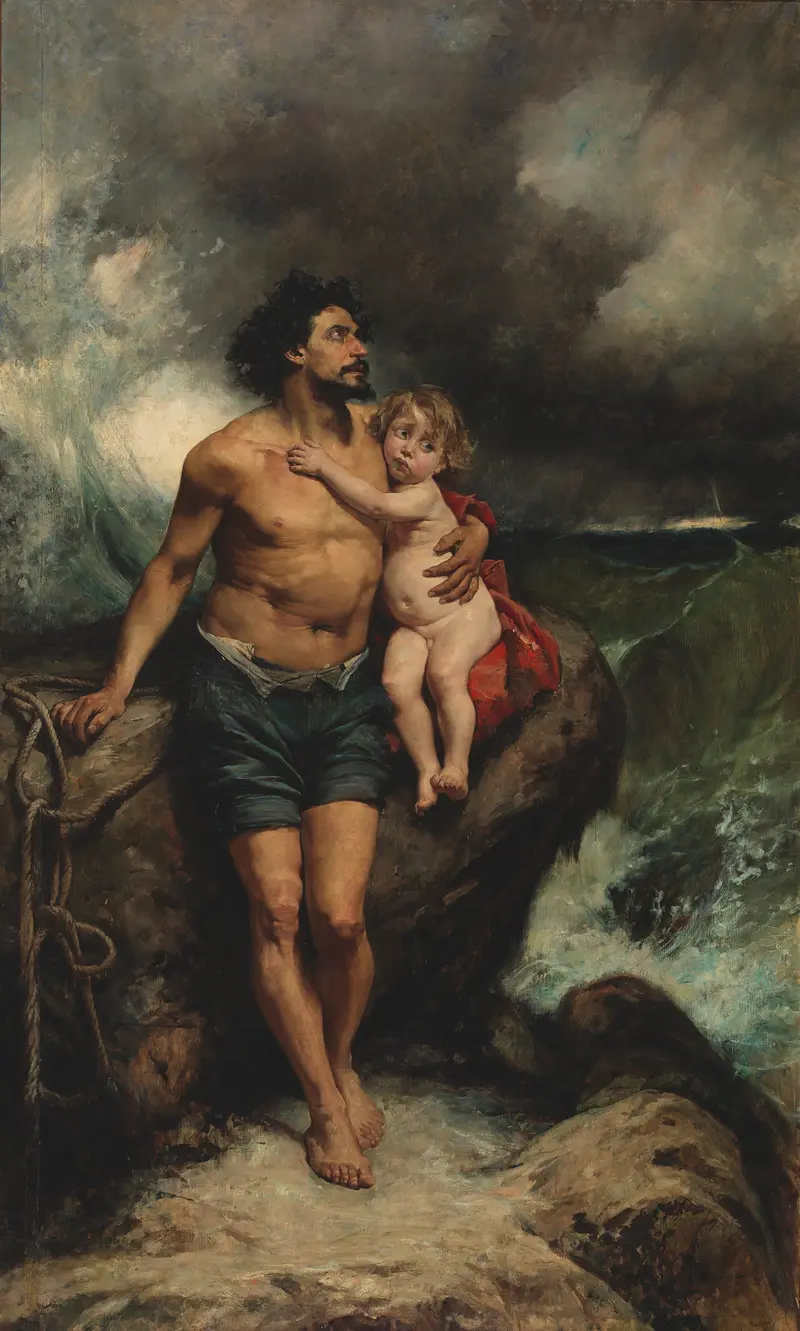
The Shipwrecked
Francisco Pradilla
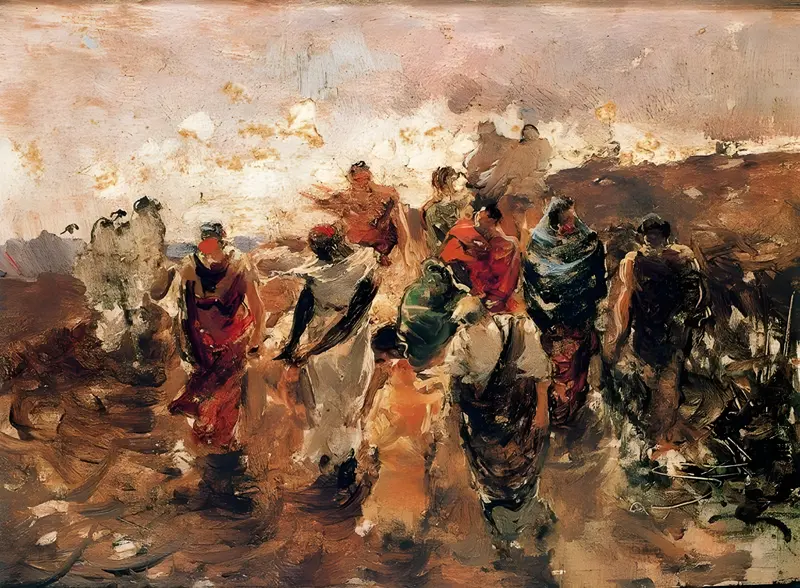
Impression
Francisco Pradilla
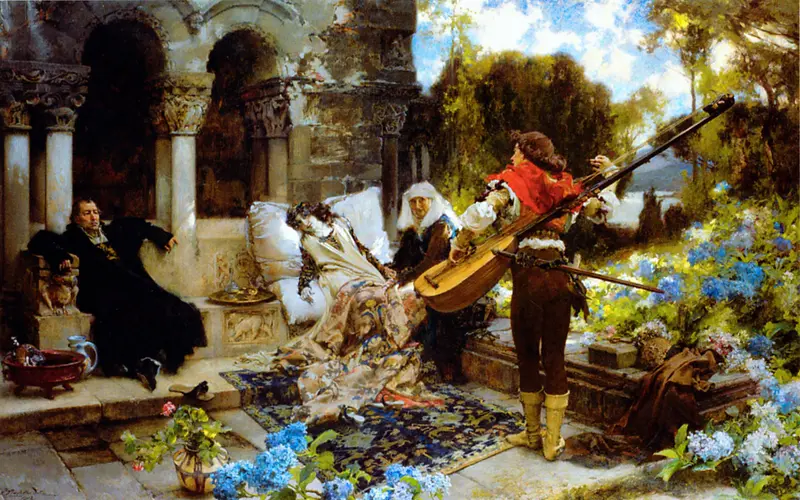
Lovesickness
Francisco Pradilla
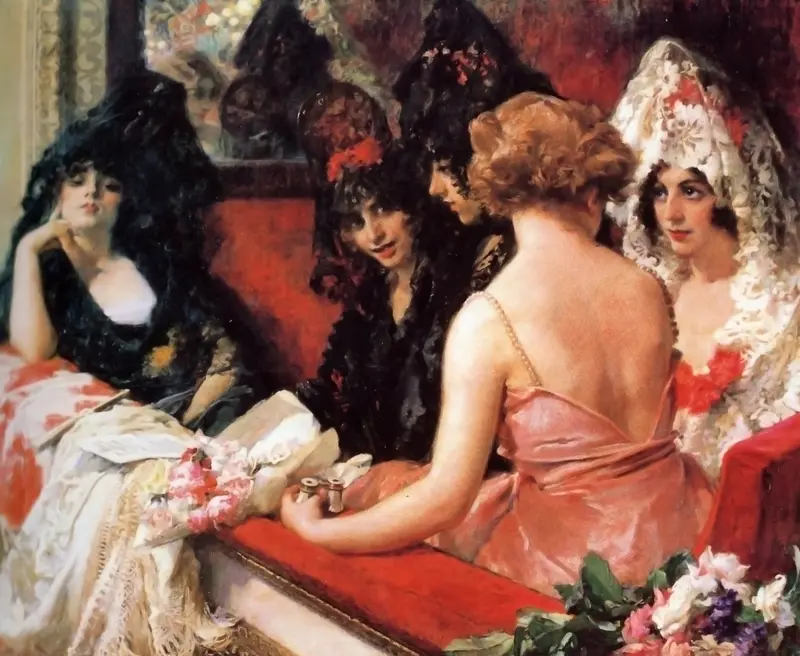
Manolas in the Theatre Box
Francisco Pradilla





