
The Rape of the Sabine Women — History & Facts
A single desperate gesture commands attention: a woman, her face twisted in anguish, reaches for the figure being carried away in the foreground. The man’s grip is unyielding, his red cloak a jarring flash against the earth tones and classical stone. All around, chaos unfolds—bodies struggle, arms flail, the very ground seems unsettled.
The painter draws the eye from the drama at the front to the architectural calm of the temple behind, where other figures are locked in their own battles. The palette is earthy and raw, the brushwork urgent, heightening the sense that this is a moment of rupture, not just in myth but in the very order of the world. Painted in 1874 as part of an audition for a scholarship to study in Rome, this work belongs to a tradition of grand historical painting that dominated European academies in the nineteenth century. Artists like Francisco Pradilla were expected to demonstrate not only technical skill but also the ability to animate ancient stories with contemporary feeling.
Scenes from Roman legend—especially those involving the founding violence of nations—were favored subjects, serving as both moral lesson and spectacle. While history has kept few traces of this particular canvas’s later journey, its ambition and scale speak to the fierce competition and high stakes of academic art in Pradilla’s time. Look again at the faces: each one a study in loss, resolve, or fear, each one inviting the viewer to imagine what comes next.
More Artworks by Francisco Pradilla

Spring Mist in Italy
Francisco Pradilla
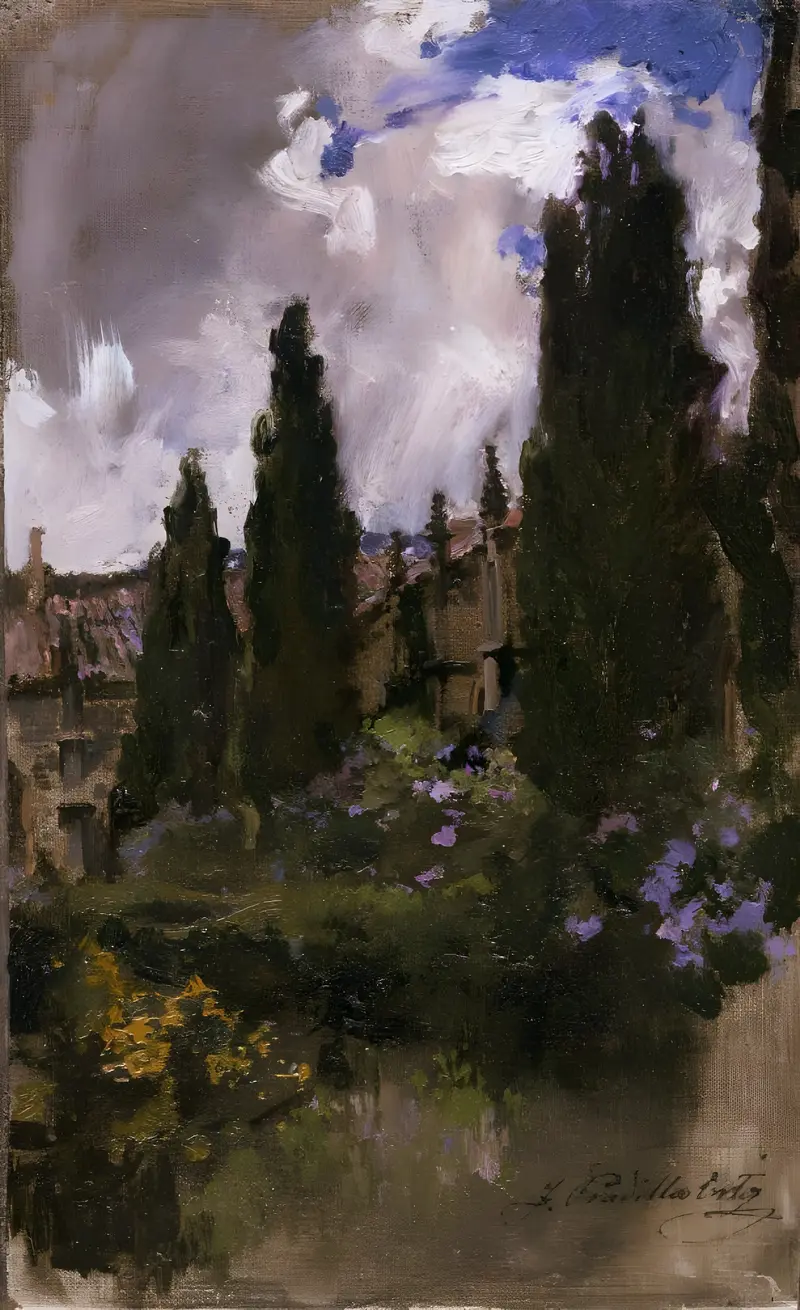
Among the Bulls of Guisando
Francisco Pradilla
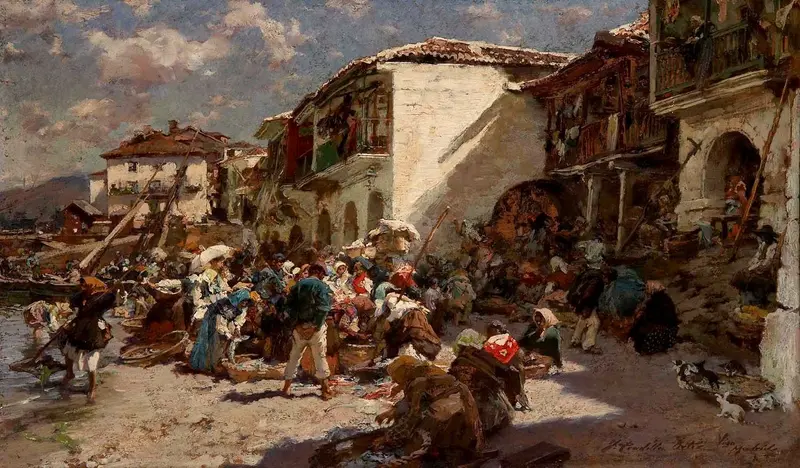
Selling Fish on Vigo Beach
Francisco Pradilla
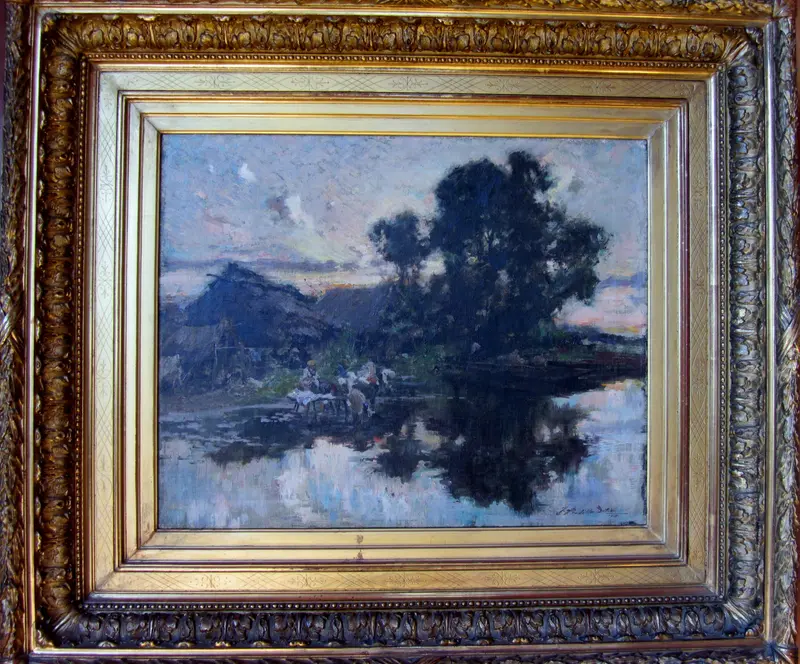
On the Riverbank
Francisco Pradilla

Raimunda Osorio, Marchioness of Linares
Francisco Pradilla
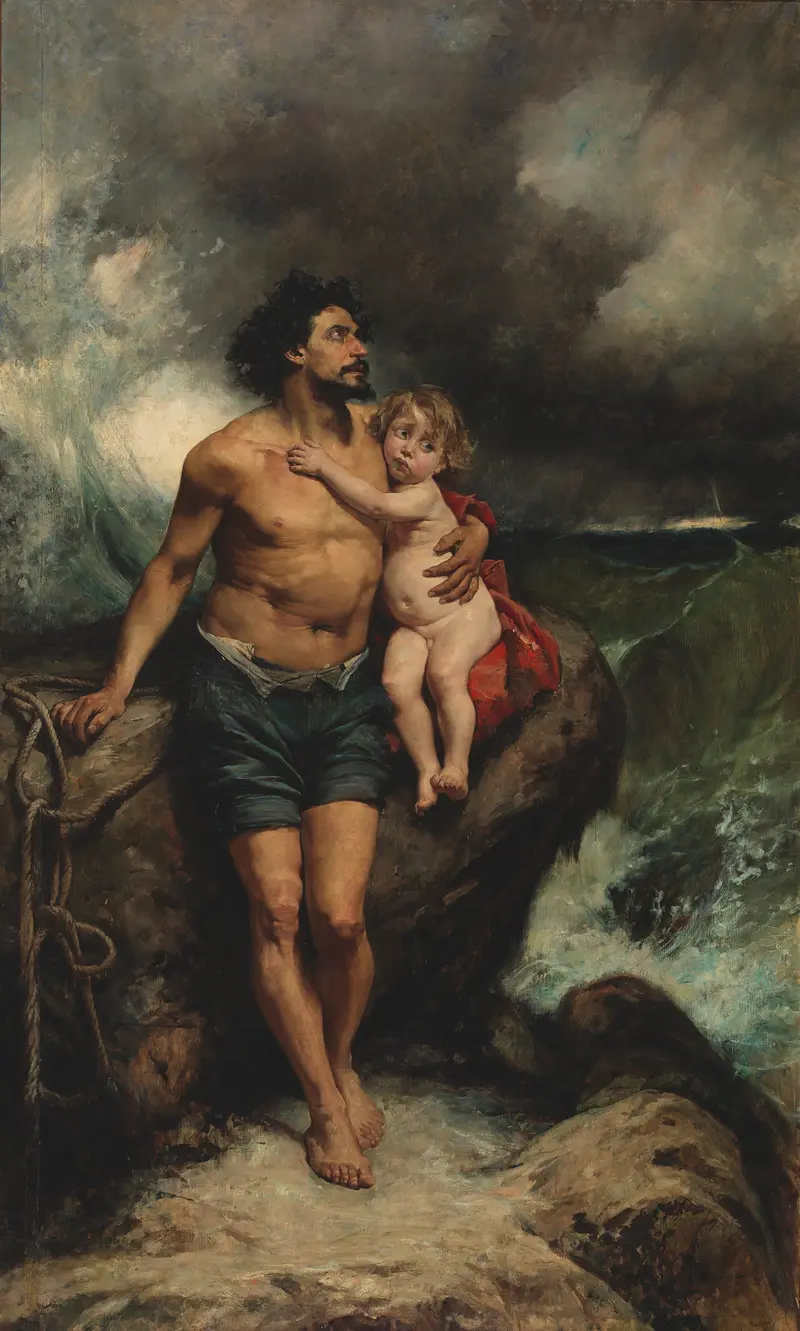
The Shipwrecked
Francisco Pradilla
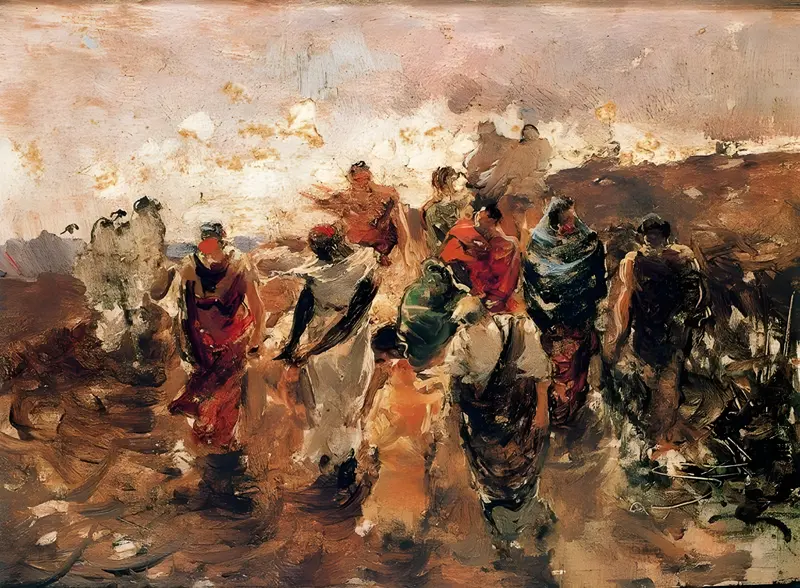
Impression
Francisco Pradilla
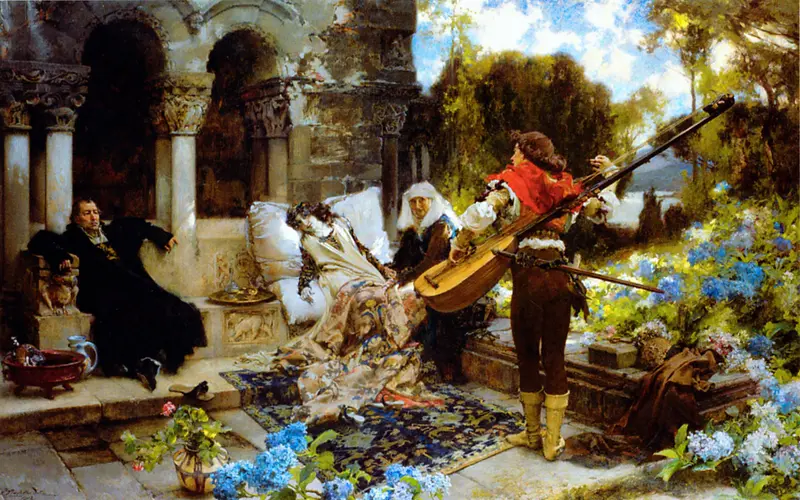
Lovesickness
Francisco Pradilla
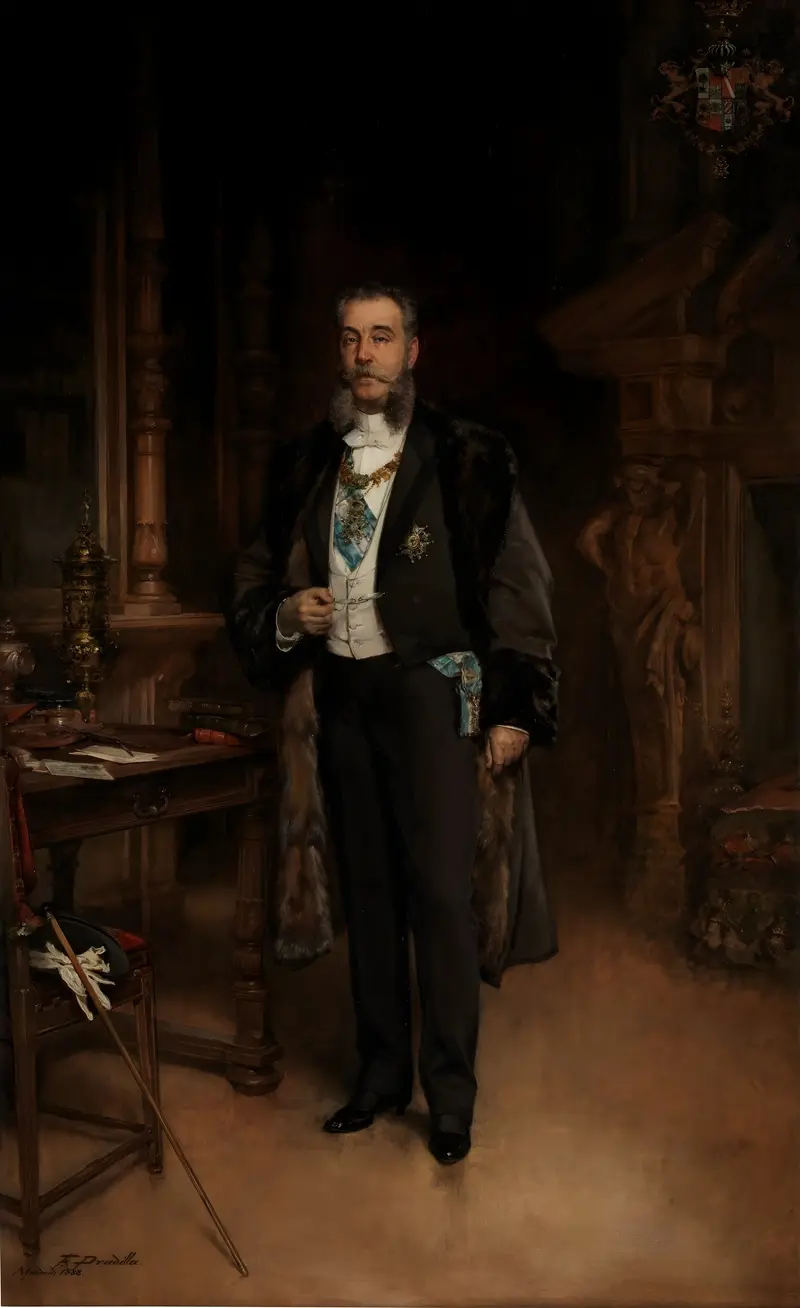
José María de Murga, Marquis of Linares
Francisco Pradilla
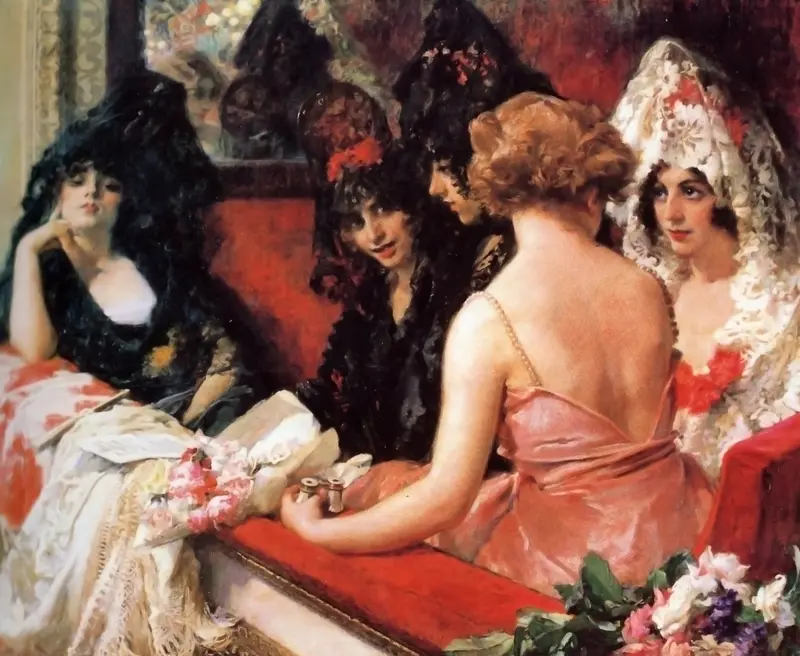
Manolas in the Theatre Box
Francisco Pradilla





