
Selling Fish on Vigo Beach — History & Facts
What seizes the eye first in Selling Fish on Vigo Beach is the sheer density of life pressed into a sunlit crescent of sand and stone. The crowd is not just gathered, but woven together—bodies bent in labor, heads turned in negotiation, hands reaching for the day’s catch. Light pours over the whitewashed facades, casting sharp shadows that carve out the bustle from the walls, while the palette—earthy ochres, sea-washed blues, and the flash of white aprons—sets a mood of urgent, everyday industry.
The artist’s brushwork, loose and animated, echoes the energy of the scene itself, and the sweep of the composition draws you from the water’s edge, where fishermen haul in their nets, to the shadowed arcades where buyers and sellers haggle over the spoils. Painted in 1916 by Francisco Pradilla, this oil on panel belongs to a tradition of Spanish costumbrista painting, where scenes of local life were elevated to subjects worthy of art. By the early twentieth century, such works were often collected by urban patrons eager for images of a rapidly changing rural world, and the fishing ports of Galicia—with their unique blend of land and sea, tradition and trade—offered irresistible material. Little is recorded about the specific journey of this small panel, but its presence in a modern collection reminds us how scenes like this, once so common, now invite us to linger and search for stories in every gesture and shadow.
Look again, and you may find yourself drawn into the crowd, feeling the salt air and the press of commerce on Vigo’s storied shore.
More Artworks by Francisco Pradilla

Spring Mist in Italy
Francisco Pradilla
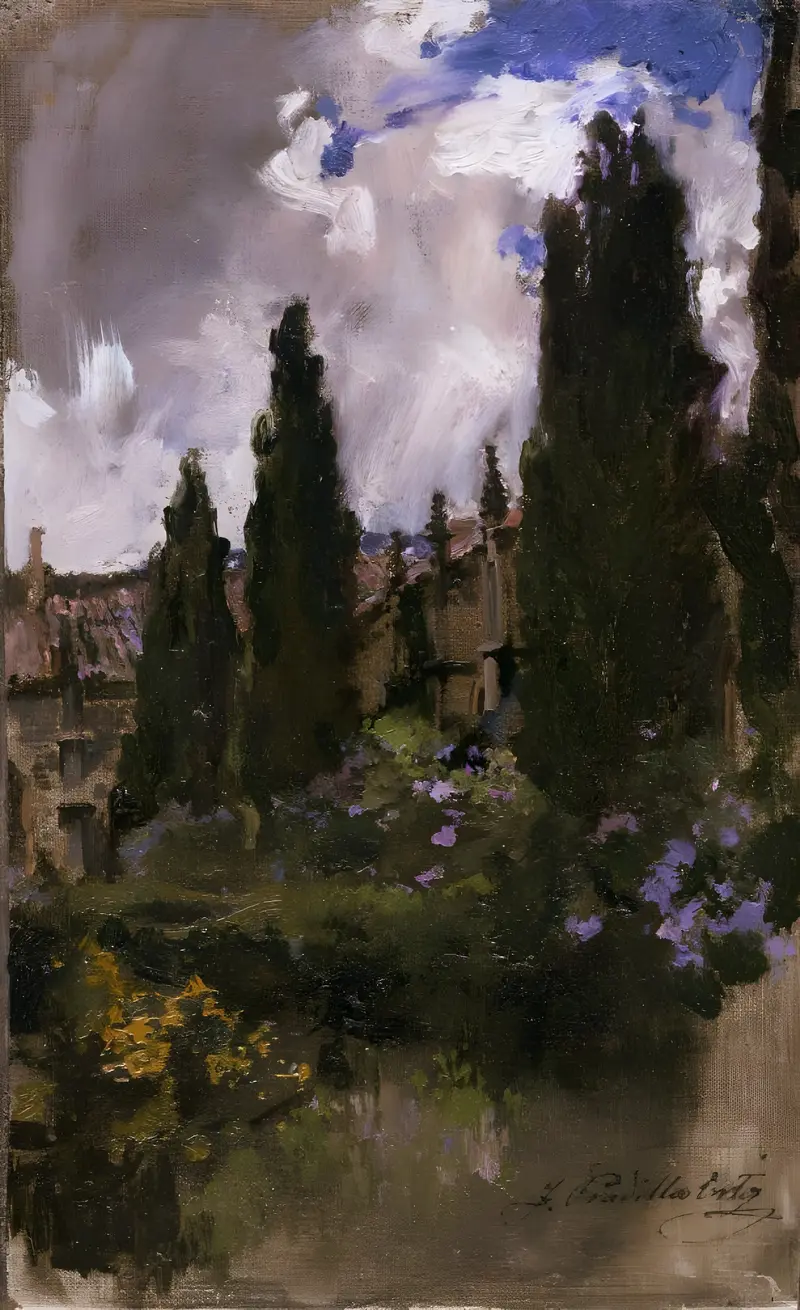
Among the Bulls of Guisando
Francisco Pradilla
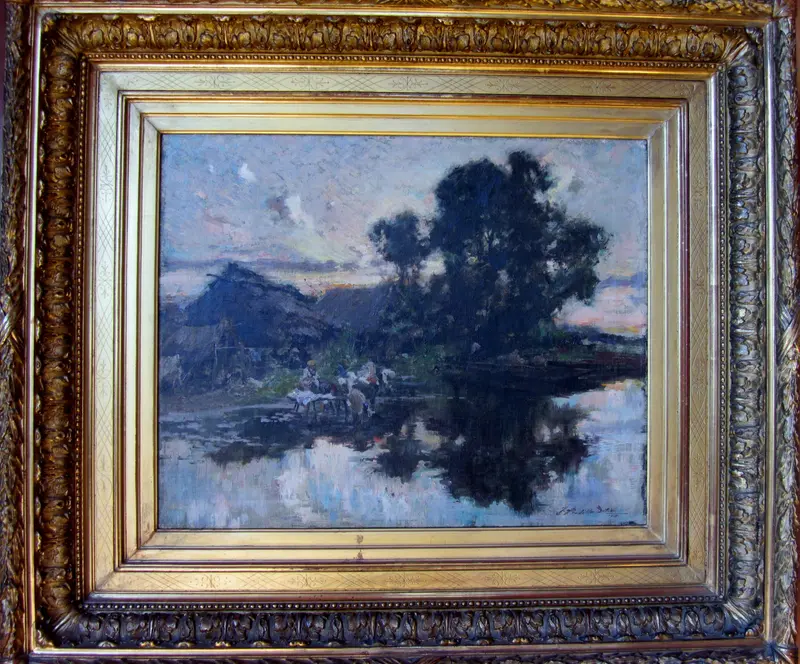
On the Riverbank
Francisco Pradilla

Raimunda Osorio, Marchioness of Linares
Francisco Pradilla
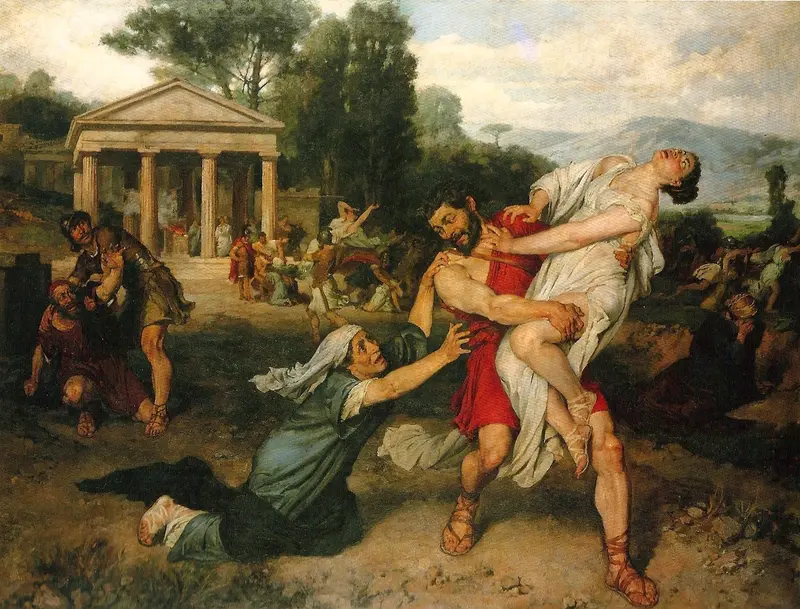
The Rape of the Sabine Women
Francisco Pradilla
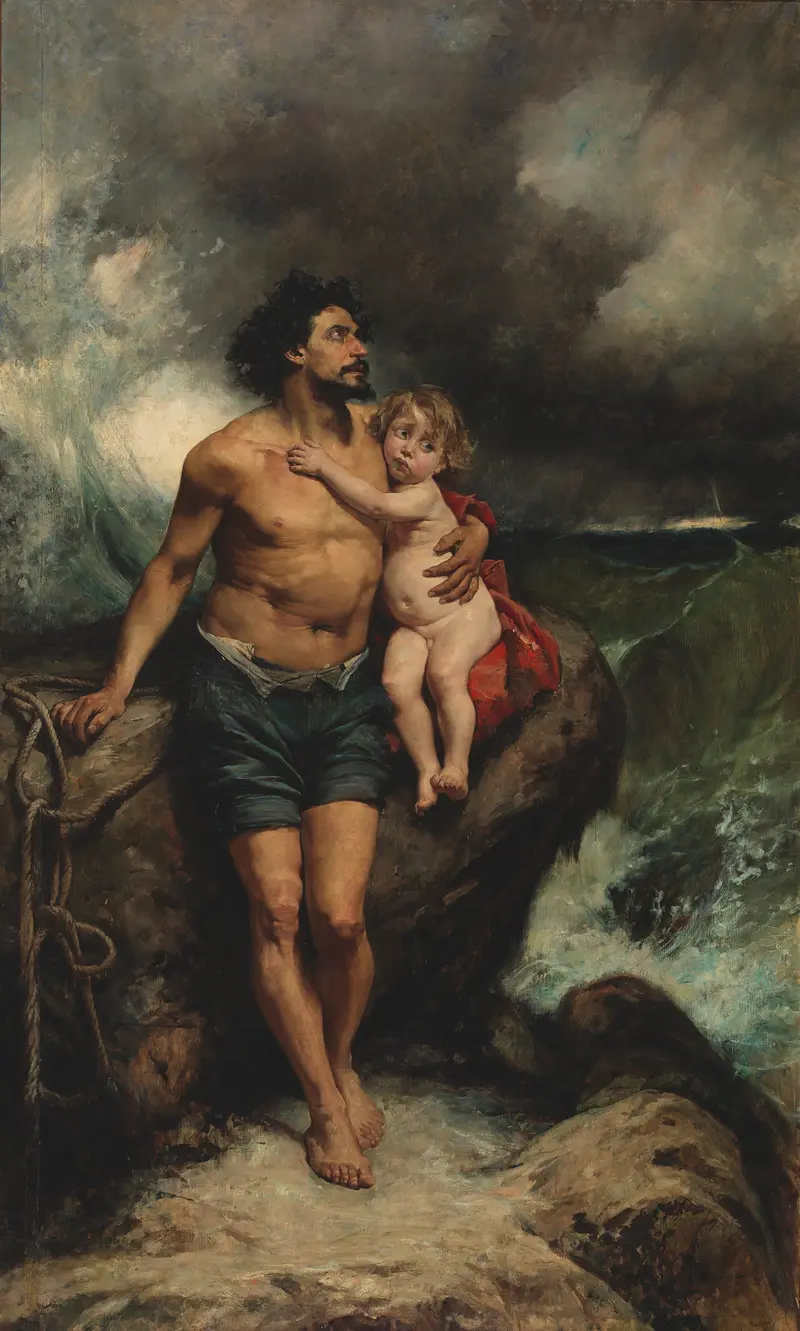
The Shipwrecked
Francisco Pradilla
Impression
Francisco Pradilla
Lovesickness
Francisco Pradilla
José María de Murga, Marquis of Linares
Francisco Pradilla
Manolas in the Theatre Box
Francisco Pradilla
More Genre Scene Art

Banquet of the Officers of the St George Civic Guard
Frans Hals

Rembrandt and Saskia in the Scene of the Prodigal Son
Rembrandt van Rijn

Bal du moulin de la Galette
Pierre-Auguste Renoir

Quadrille at the Moulin Rouge
Henri de Toulouse-Lautrec

A Burial at Ornans
Gustave Courbet

When Will You Marry?
Paul Gauguin