
Judith met het hoofd van Holofernes — History & Facts
In the stillness of this moment, awe hangs heavily in the air, capturing the viewer's breath. The tension of Judith's triumph and the weight of Holofernes’s demise resonate with a profound intensity that echoes through the ages. Look to the center of the canvas where Judith stands, a figure of both strength and sorrow. Her gaze is steady, directed outward, almost as if challenging the viewer to confront the gravity of her actions.
The play of light highlights the richness of her garments—deep reds and soft golds—contrasting sharply with the pallid skin of Holofernes, whose lifeless body lies sprawled at her feet. Notice how the dark shadows envelop the scene, creating a haunting intimacy that draws the eye toward the poignant details of Judith’s expression and the contrasting fear etched on Holofernes’s face. The emotional gravity here is palpable. Judith's raised sword, glistening with the remnants of her victory, holds a dual significance: it is an instrument of liberation and a symbol of vengeance.
The background, almost shrouded in darkness, embodies the moral complexities of her act, serving as a silent witness to both horror and heroism. Each stroke of the brush builds layers of meaning, as if Callot captured not just a scene, but the tumult of the human soul in conflict. Created between 1621 and 1635, this artwork emerges from a period when Jacques Callot was deeply engaged in the exploration of human emotion and drama. Living in France during a time of political upheaval and social reformation, he aimed to reflect the stark realities of life with an unflinching gaze.
The traditions of Baroque art informed his approach, yet he forged a distinctive style that intertwined narrative depth with intricate detail, leaving a lasting impact on the art world.
More Artworks by Jacques Callot
Browse all →
Titelprent voor de prentreeks 'De kleine apostelen' (Het martelaarschap van de apostelen)
Jacques Callot
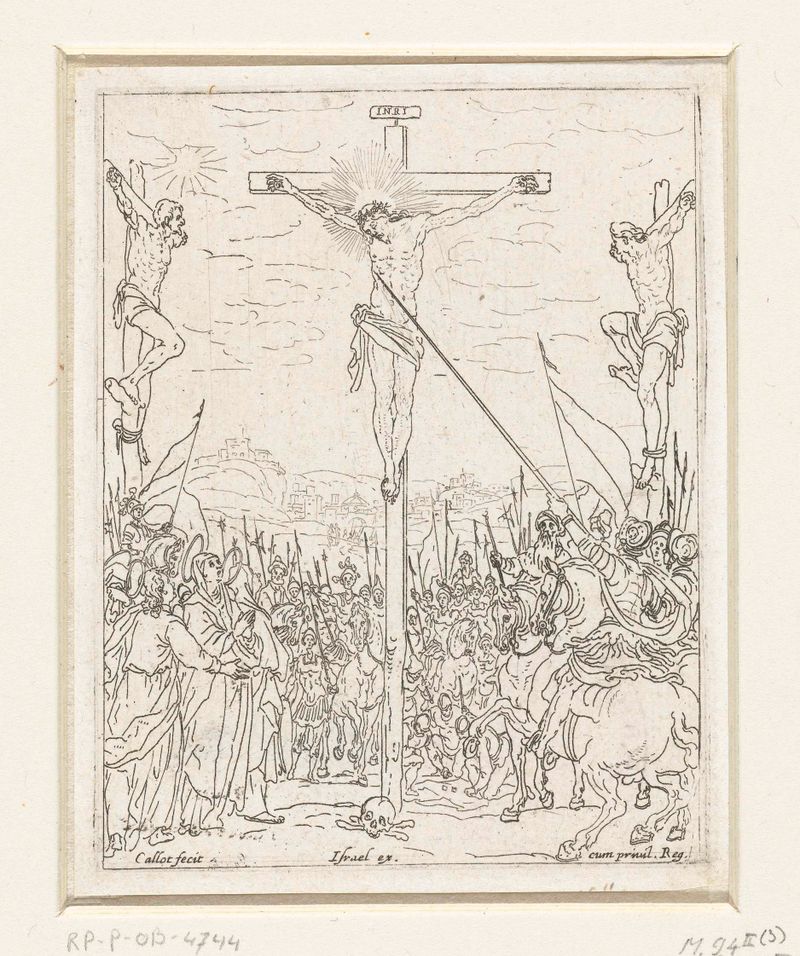
Kruisiging
Jacques Callot

De doortocht door de Rode Zee
Jacques Callot

De verloren zoon als zwijnenhoeder
Jacques Callot

Annunciatie
Jacques Callot
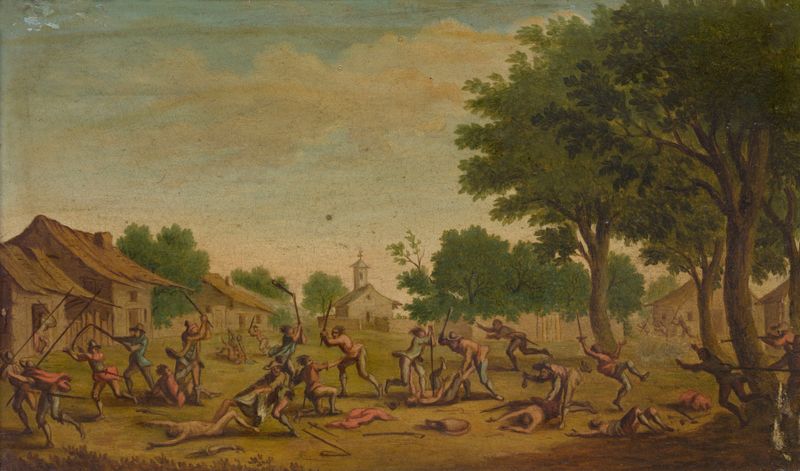
Village Fight
Jacques Callot

Titelprent voor prentreeks 'Het leven van Maria'
Jacques Callot
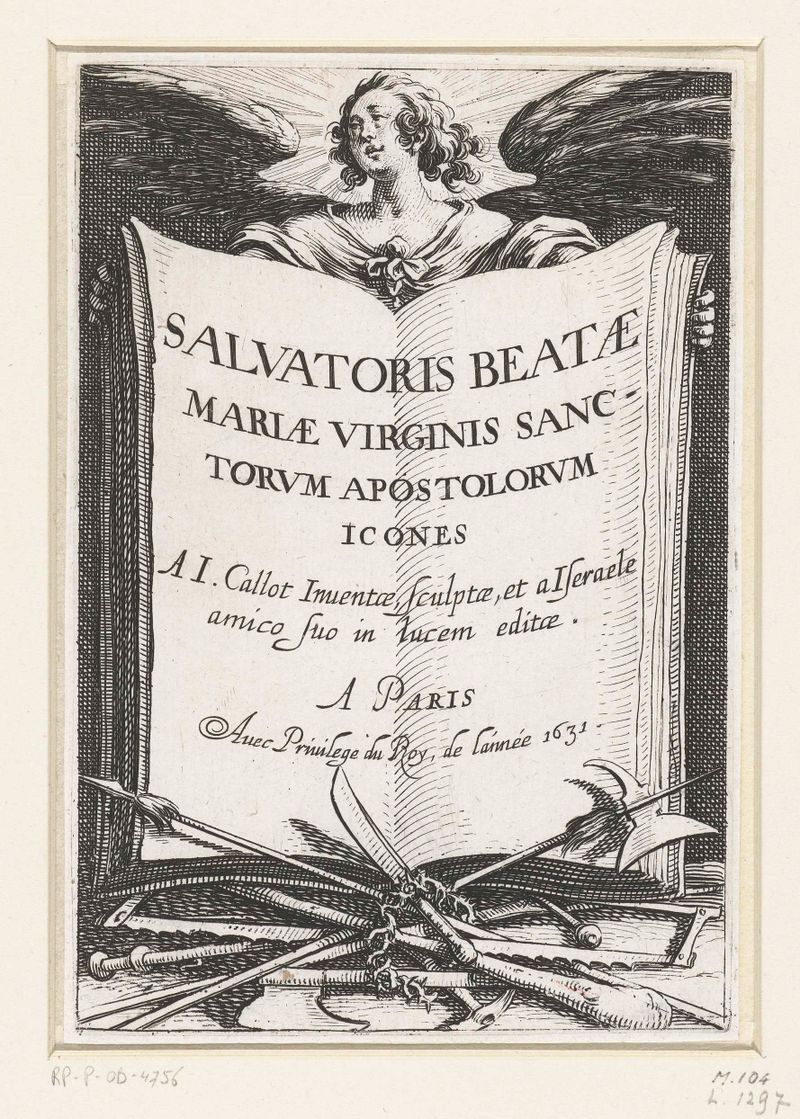
Titelprent voor de prentreeks 'De grote apostelen' (Christus, Maria en de apostelen)
Jacques Callot

Christus aan het volk getoond (Ecce homo)
Jacques Callot
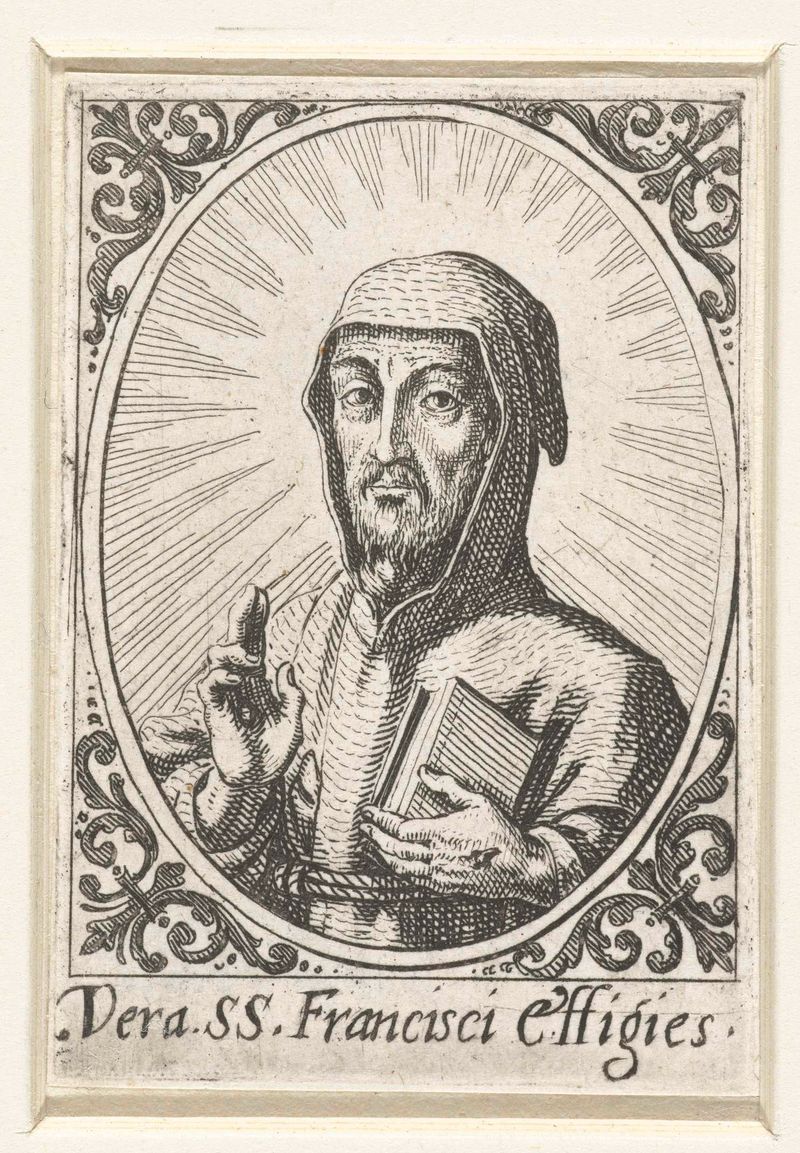
Portret van de Heilige Franciscus
Jacques Callot
More Religious Art
Browse all →
The Return of the Prodigal Son
Rembrandt van Rijn

The Garden of Earthly Delights
El Bosco

Count Orgaz’ funeral
El Greco

The Hundred Guilder Print: the central piece with Christ preaching, the plate arched
Rembrandt van Rijn

The Descent from the Cross
Rogier van der Weyden

The return of the prodigal son
Rembrandt van Rijn