
Junger Hirte 1859 Österreichische Galerie Belvedere — History & Facts
A shaft of light carves out the young shepherd’s face from the darkness, catching the viewer off guard with its immediacy. His gaze is direct, almost wary, as if interrupted mid-thought or mid-task, and the roughness of his cloak and the earthiness of his features speak of a life spent outdoors. The painter, Augustin Théodule Ribot, chooses not to flatter or idealize—every brushstroke seems to weigh the reality of this youth’s existence.
The hand clutching his garment is tense, the mouth set in a line that might be pride or fatigue, and the background recedes into a deep, enveloping gloom, focusing all attention on the boy’s presence. The palette is somber, dominated by browns and ochres, but the skin glows with an inner warmth, hinting at resilience. Painted in 1880, this work belongs to a moment in European art when everyday people, especially those from rural or working backgrounds, began to appear as worthy subjects in their own right. The late nineteenth century saw artists across France and beyond drawn to the dignity and hardship of peasant life, a trend that resonated with shifting social realities and the rise of Realism.
Junger Hirte now resides in the Österreichische Galerie Belvedere, a reminder of how painters like Ribot brought the overlooked and the humble into the center of the canvas. History has kept few traces of this particular shepherd’s story, but the intensity of his gaze invites us to imagine the world he knew—one shaped by labor, solitude, and the quiet assertion of self.
More Artworks by Augustin Théodule Ribot

The Scullion
Augustin Théodule Ribot
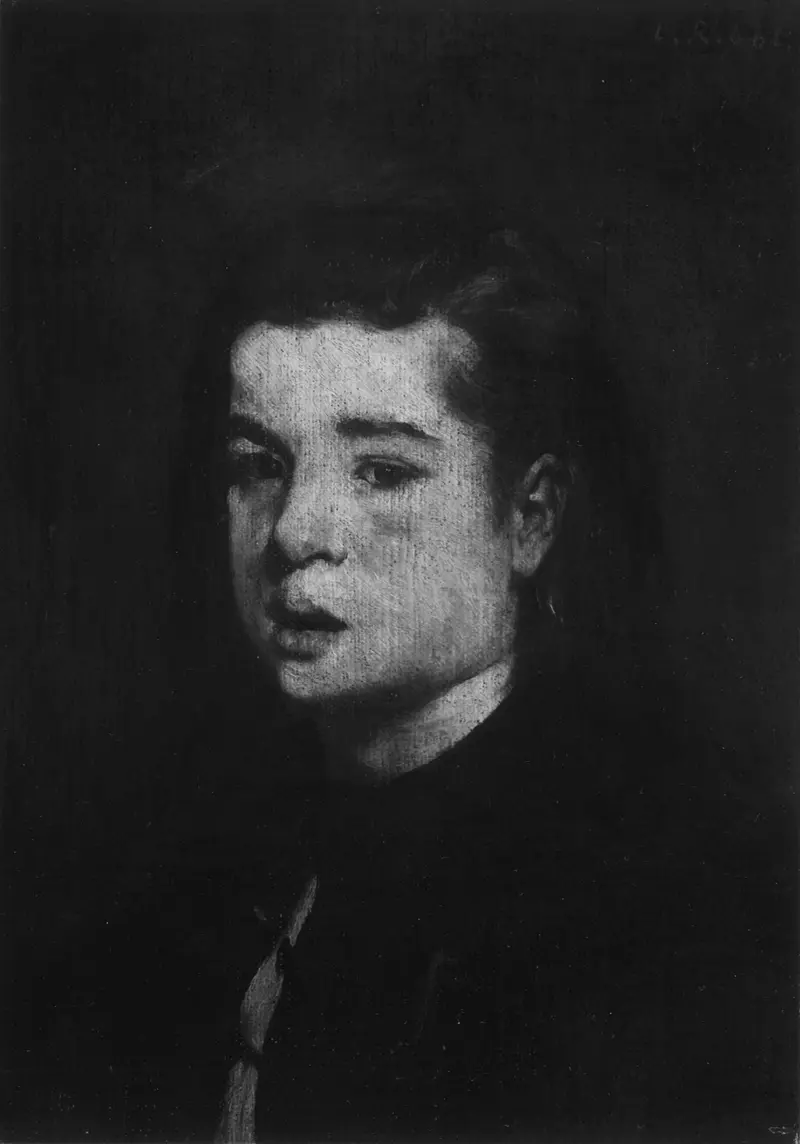
The Artist's Daughter
Augustin Théodule Ribot
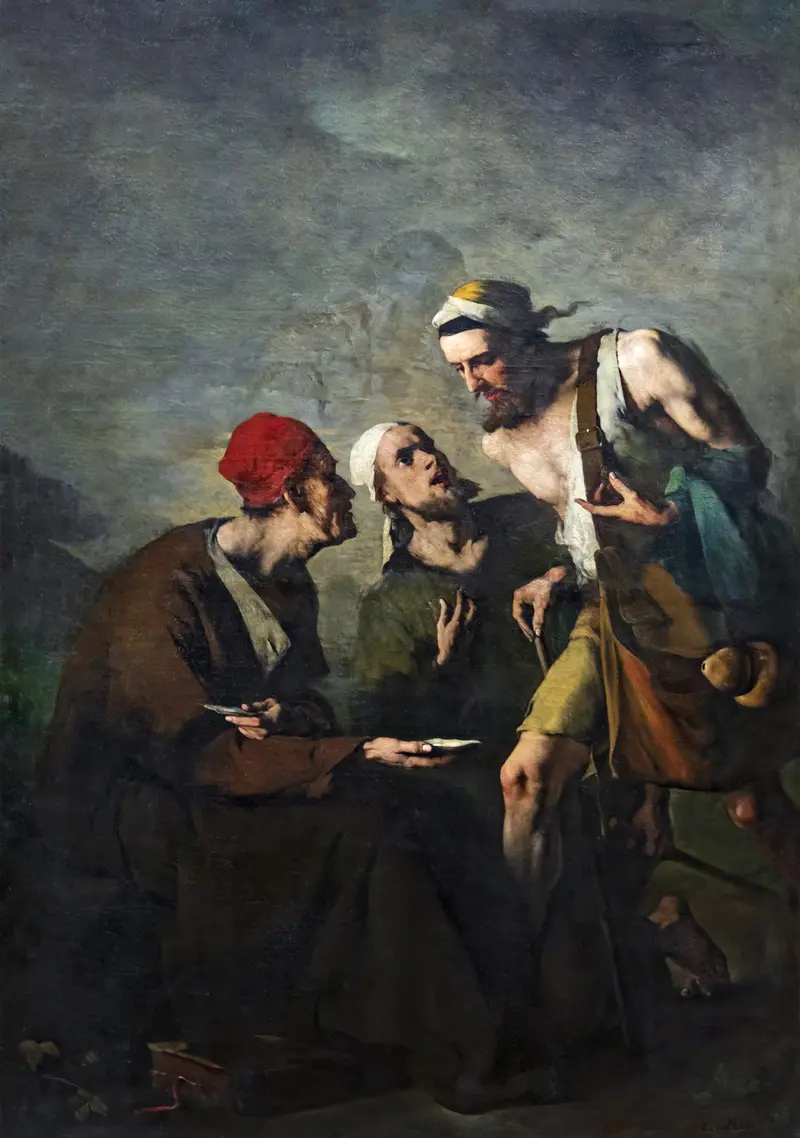
The oyster and the Litigant's
Augustin Théodule Ribot
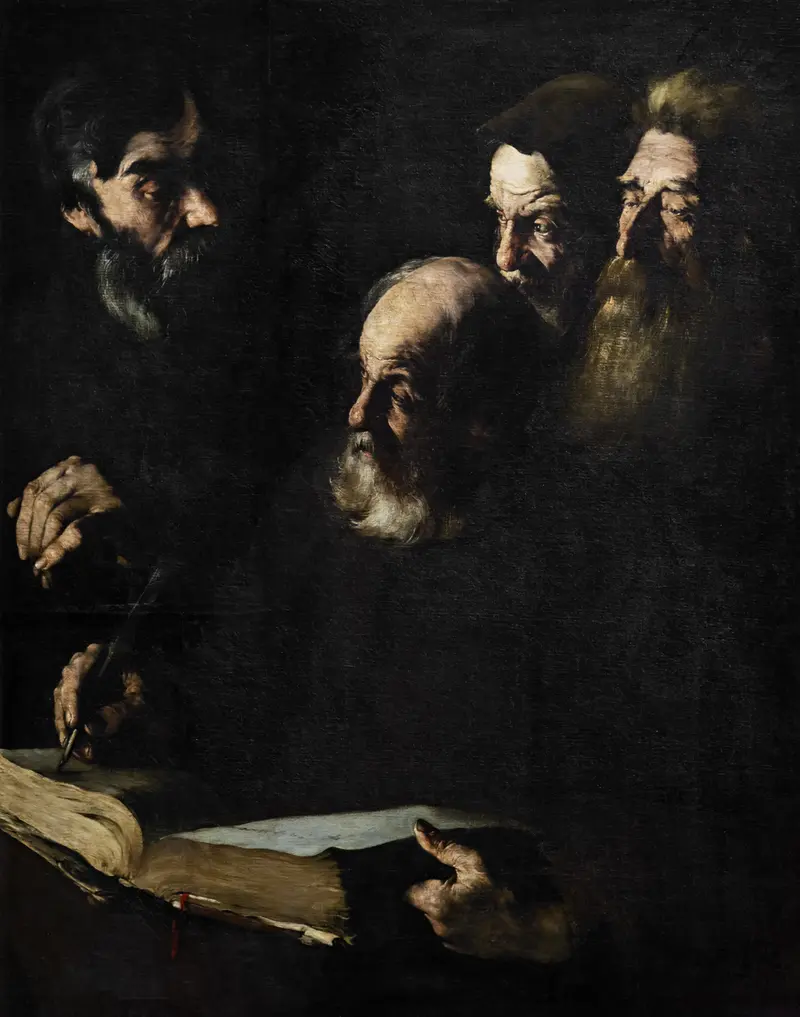
The philosophers
Augustin Théodule Ribot
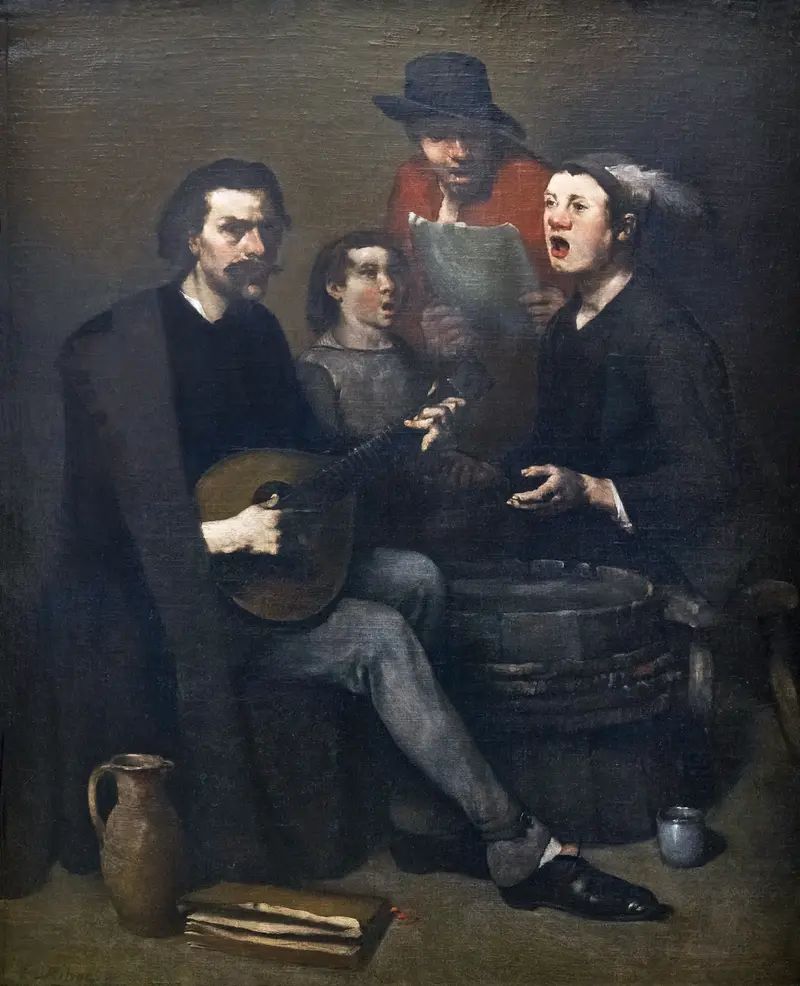
Singers
Augustin Théodule Ribot
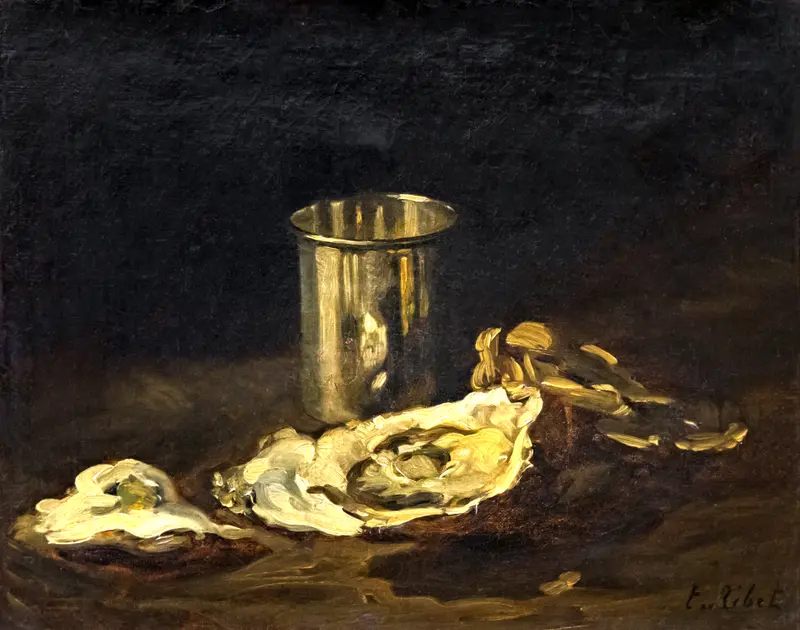
Oyster and timbale
Augustin Théodule Ribot
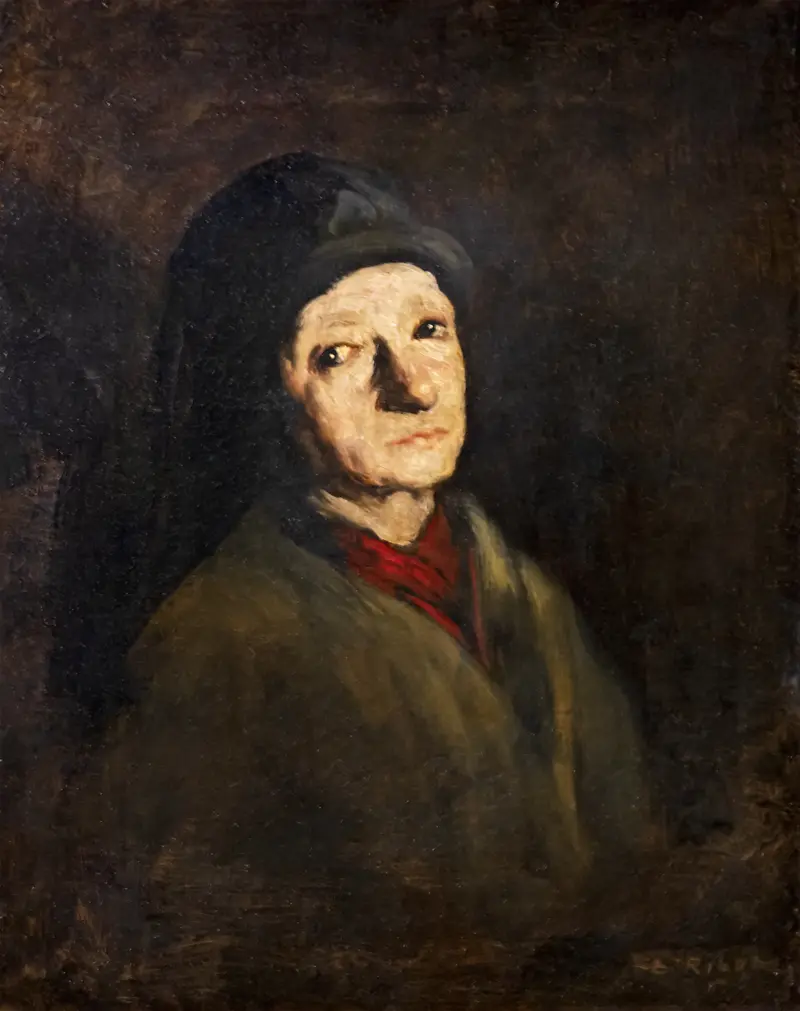
Portrait of the artist's mother
Augustin Théodule Ribot
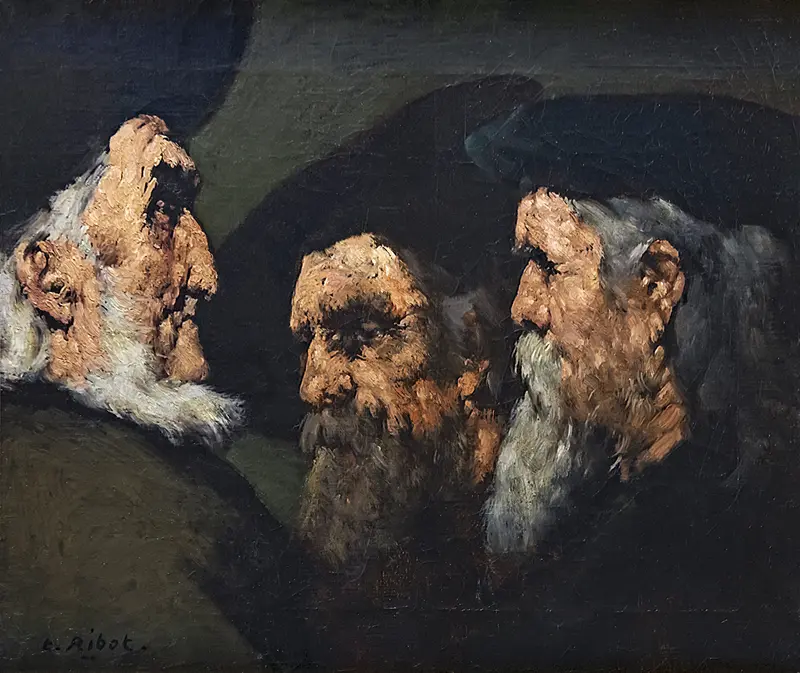
Three old jews
Augustin Théodule Ribot
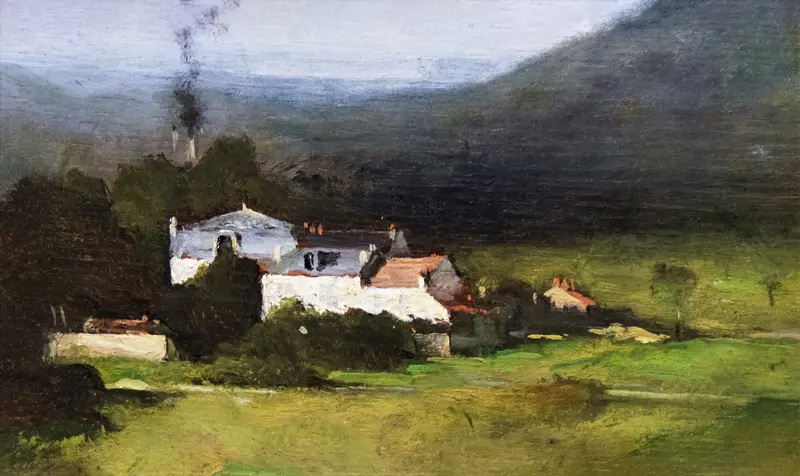
' Landscape ', known as ' La Maison de Corot in Ville-d'Avray '
Augustin Théodule Ribot
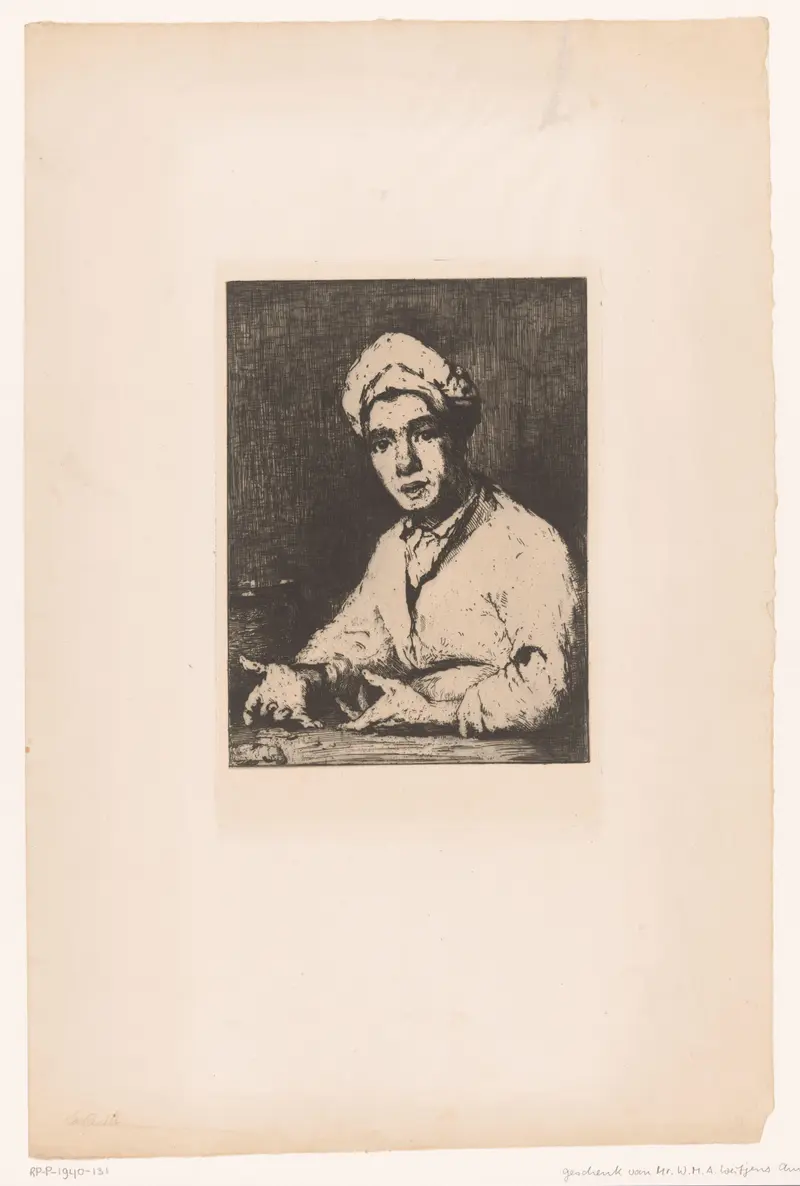
La recette du cuisinier
Augustin Théodule Ribot





