
Kagurazaka Street after Night Rain — History & Facts
The quiet allure of a rainy street reflects not only the world but the heart’s solitude, casting an evocative spell over its observer. Look to the shimmering surface of the wet pavement, where the careful brush strokes of the artist dance together to create a mosaic of light and shadow. Notice how the glistening street leads your eye toward the soft glow of lanterns, their warm hues contrasting with the cool blues of the rain-soaked surroundings. The vertical lines of the buildings frame the scene, accentuating the upward pull of solitude while the gentle curves of the clouds create an enveloping atmosphere of introspection. In the delicate balance between light and dark, there lies a poignant narrative of loneliness.
The solitary figures, almost engulfed by the expansive street, traverse a path that seems to echo their inward journey. Each droplet captured in the composition appears to carry the weight of unspoken emotions, suggesting that beauty often coexists with heartache, unveiling the complexity of human experience. In 1929, the artist rendered this piece during a time of transformation in Japan, as the country grappled with modernity amidst traditional values. Yoshida Hiroshi was deeply immersed in the ukiyo-e revival, blending Western techniques with Eastern sensibilities.
This painting reflects not just the physical landscape of Kagurazaka, but also the emotional landscape of a society at a crossroads, harmonizing the past with the pulses of a changing world.
More Artworks by Yoshida Hiroshi
Browse all →
Crytomeria Avenue (Sugi Namiki)
Yoshida Hiroshi
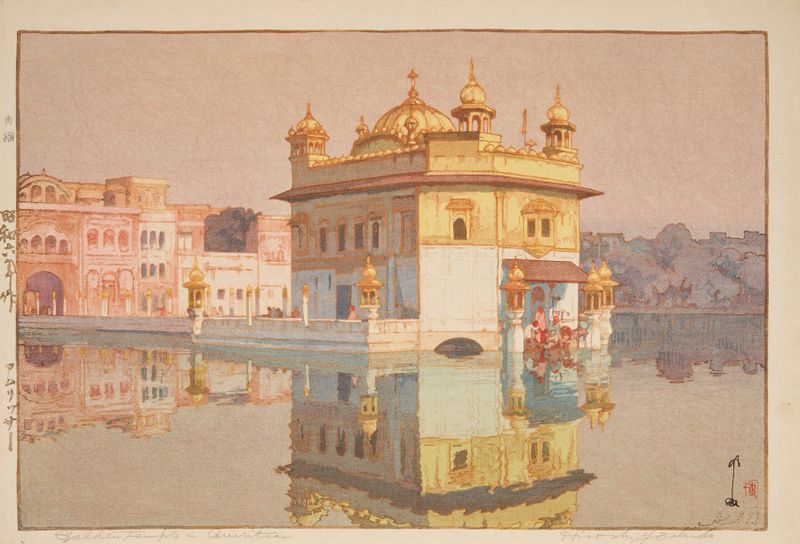
Amurissaa (Golden Temple in Amritsar)
Yoshida Hiroshi

High Gate in Ajmer (Ajumeru no Berenderuwajaa)
Yoshida Hiroshi

Fujiyama from Gotemba
Yoshida Hiroshi
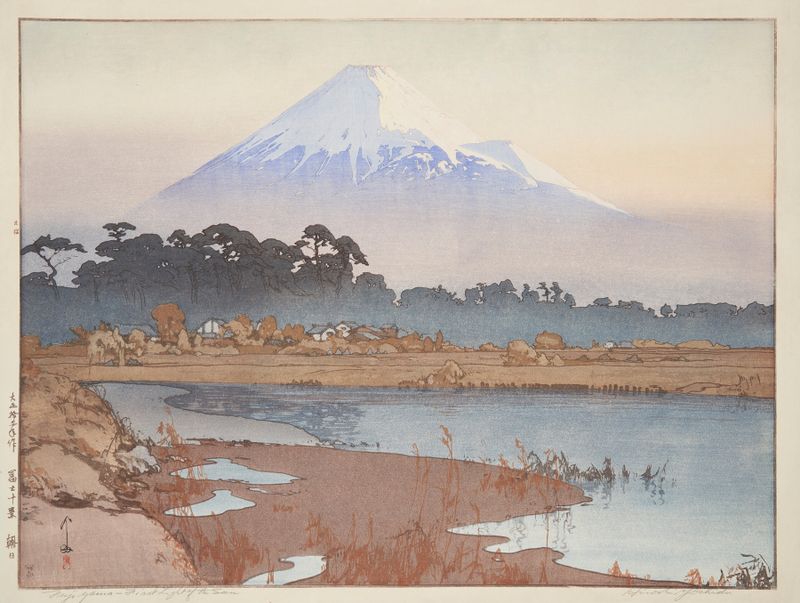
Asahi (Sunrise).
Yoshida Hiroshi
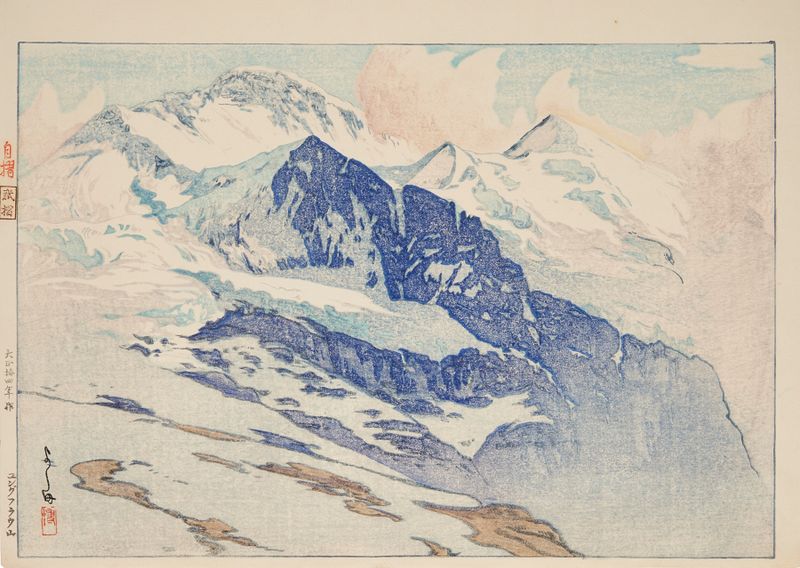
Yungufurau-yama (Jungfrau)
Yoshida Hiroshi
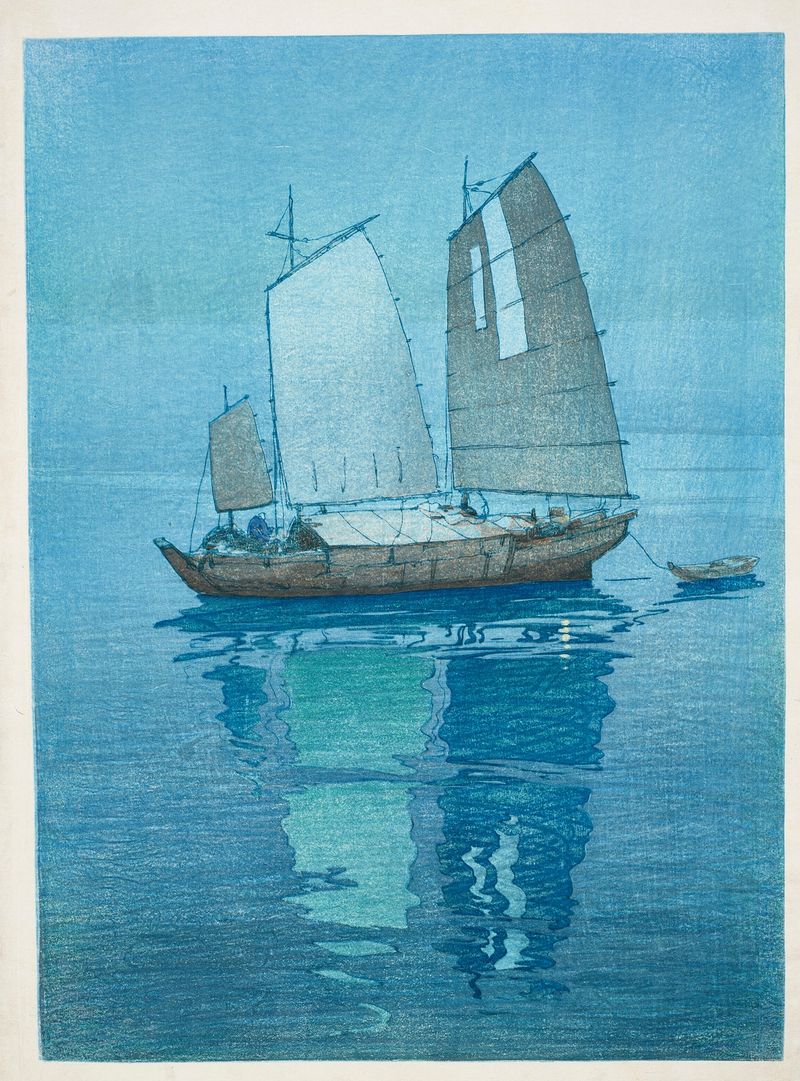
Hansen (Sailing Boats)
Yoshida Hiroshi
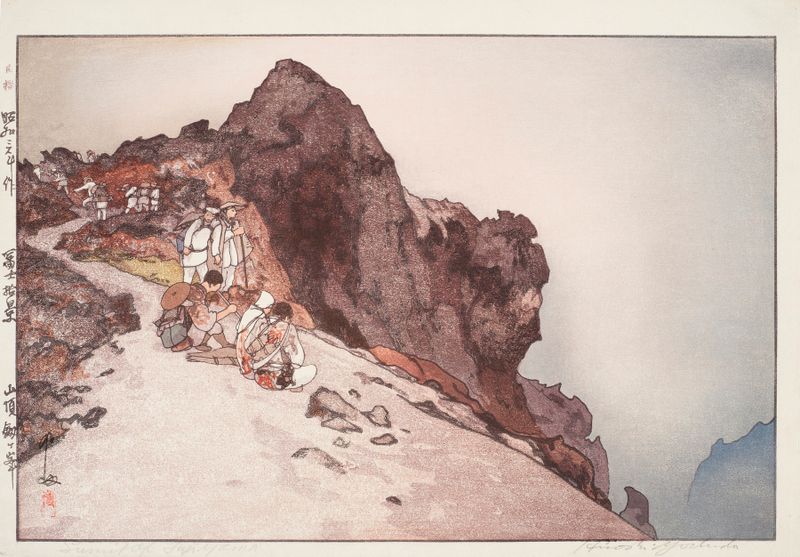
Summit of Mount Fuji
Yoshida Hiroshi

Sailing Boats — Night, from the series ‘The Seto Inland Sea’
Yoshida Hiroshi
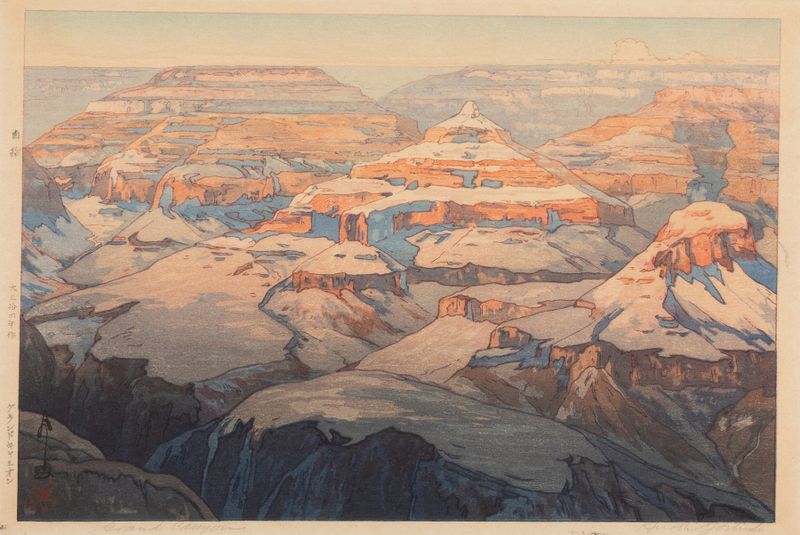
Grand Canyon (Gurando Kyanion)
Yoshida Hiroshi





