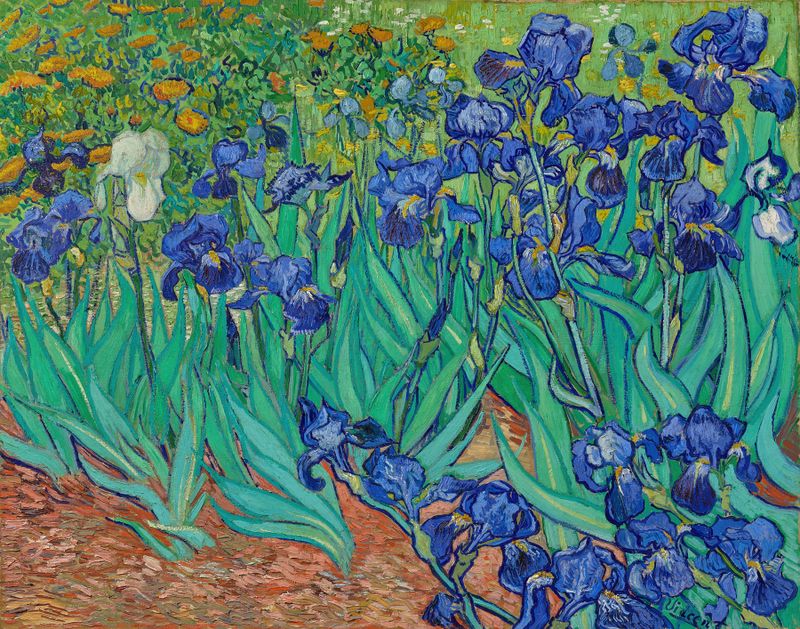
Kale fruitboom — History & Facts
What if beauty was never meant to be finished? In Kale fruitboom, the interplay of light and shadow suggests a celebration of impermanence, inviting us to dwell in a moment where nature’s bounty flourishes. Look to the center of the composition, where a dense cluster of kale leaves commands attention, their rich greens illuminated by a soft, glowing light. The texture of each leaf is meticulously rendered, revealing the artist’s skill in capturing the subtle variations in color and shape. Surrounding the kale, warm ochres and deep earth tones create a harmonious backdrop, emphasizing the vibrancy of the foreground.
The careful placement of elements pulls the viewer’s eye in, establishing a sense of both abundance and intimacy. Within this lush arrangement lies a deeper dialogue about growth and decay. The kale, while fresh and inviting, hints at the transience of life, suggesting that beauty is often fleeting. The contrasting shades of green and brown evoke a sense of duality — the vitality of life against the inevitability of change.
This tension invites contemplation on our own experiences with nature and the cycle of existence, reminding us that beauty often thrives in imperfection. Pieter Dupont painted Kale fruitboom between 1893 and 1894 during a transformative period in his artistic career in the Netherlands. At this time, he was exploring themes of still life and nature, moving beyond traditional representations to embrace a more expressive style. The late 19th century was marked by a growing appreciation for the everyday and the beauty found in the natural world, positioning Dupont among those who sought to redefine the boundaries of art in their quest for authenticity and depth.
More Artworks by Pieter Dupont
Browse all →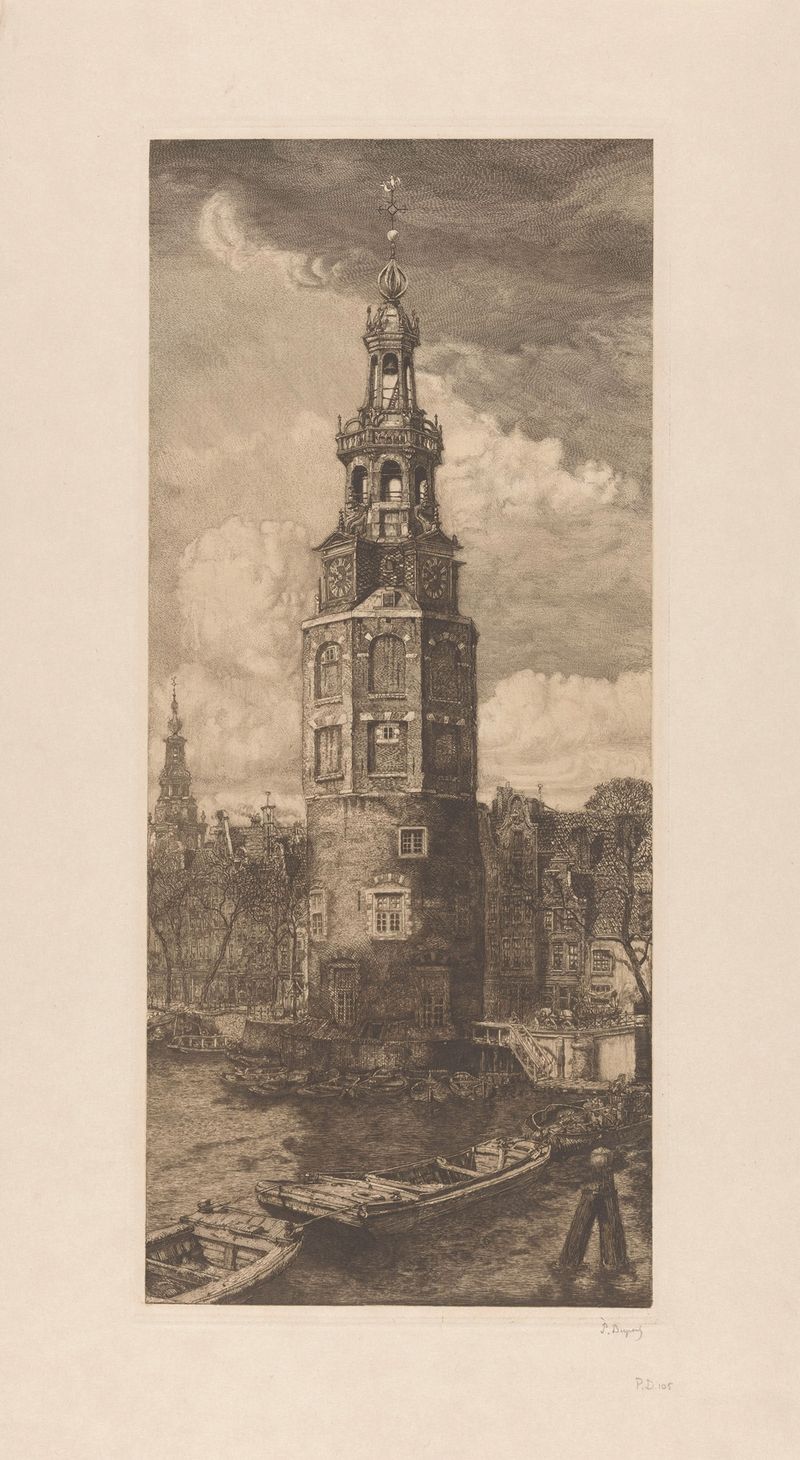
Montelbaanstoren aan de Oudeschans in Amsterdam
Pieter Dupont
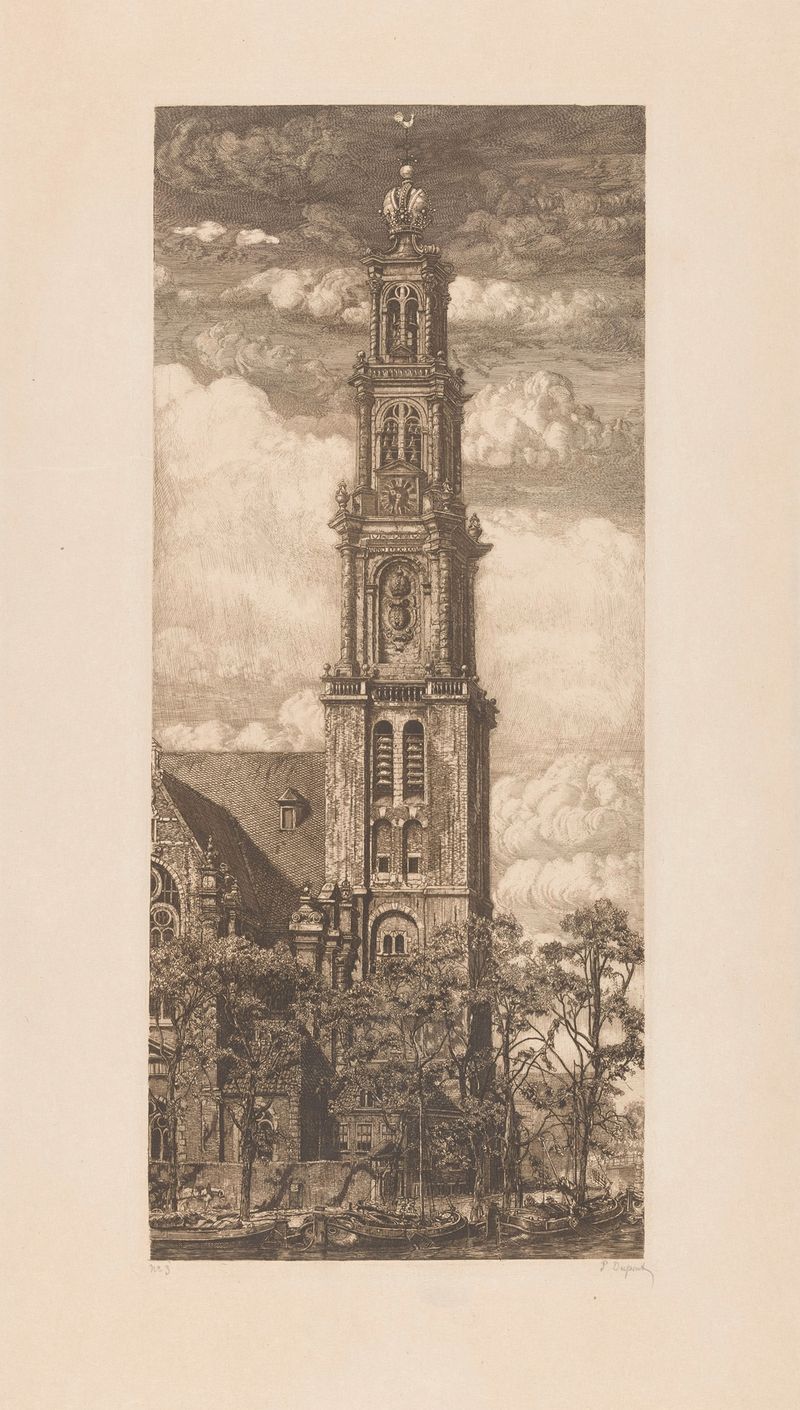
Westertoren in Amsterdam
Pieter Dupont
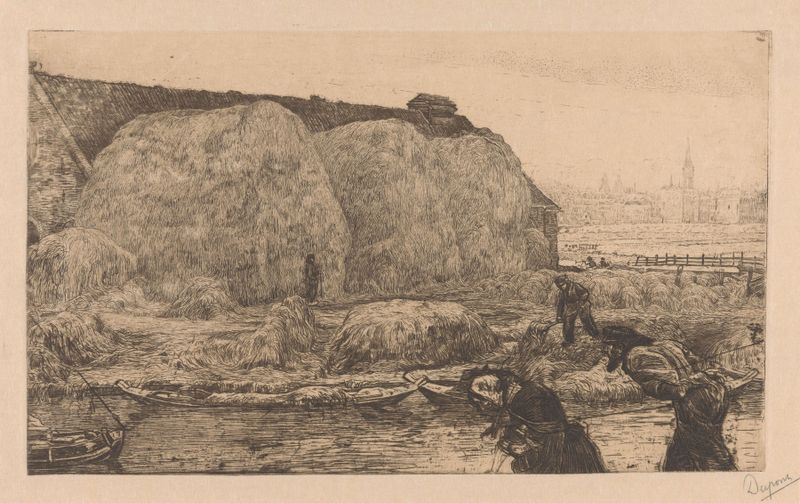
Boerderij met hooischelven aan het Jaagpad in Amsterdam
Pieter Dupont
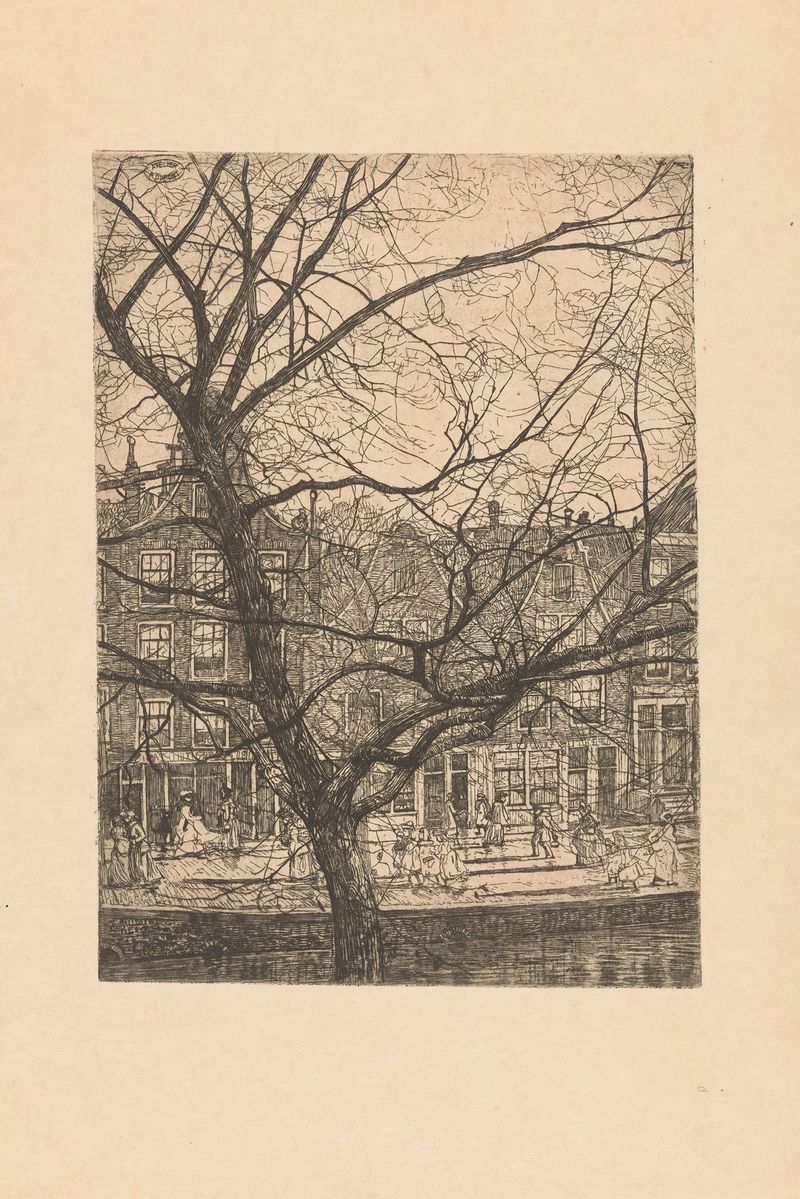
Grachtenhuizen met halsgevels in Amsterdam
Pieter Dupont
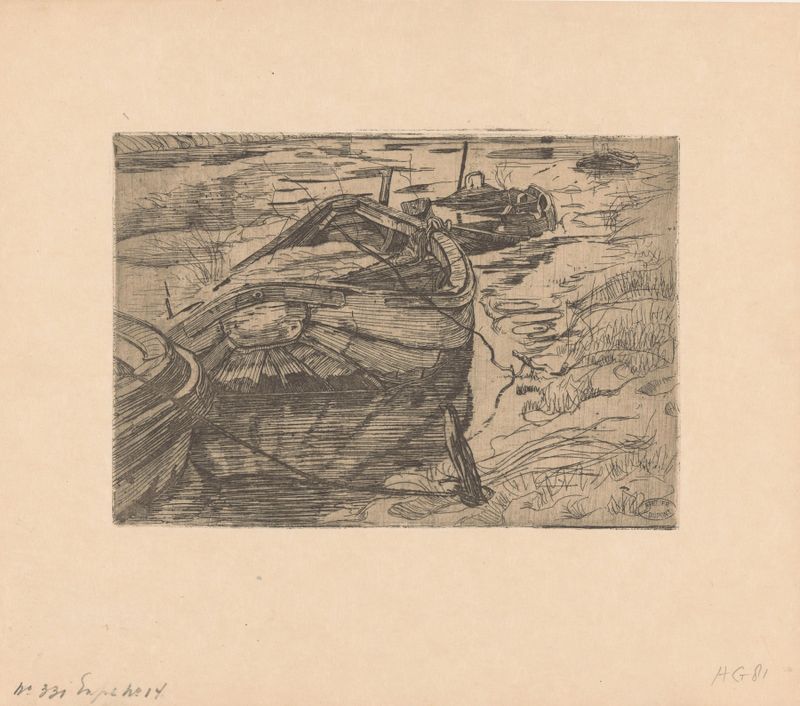
Afgemeerde roeiboten in een sloot
Pieter Dupont
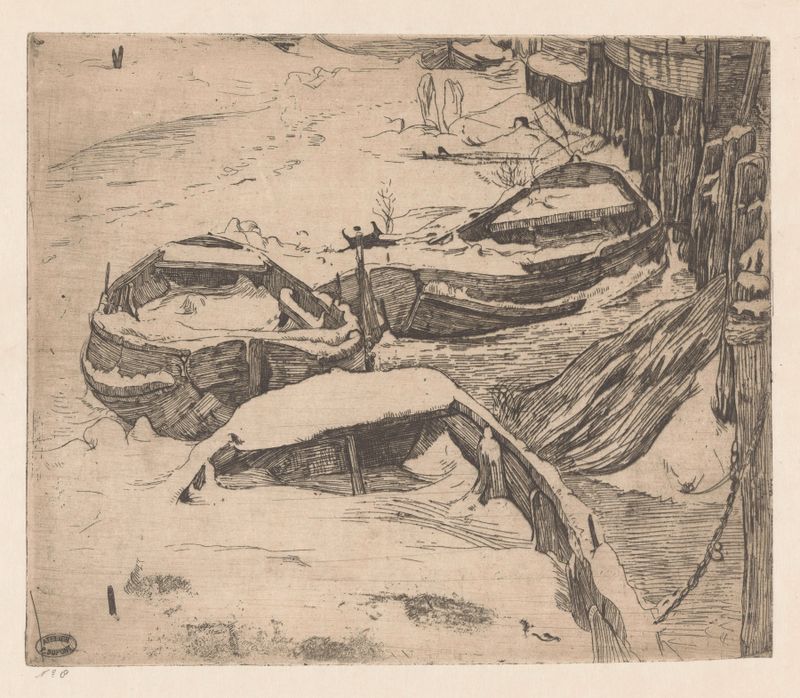
Drie besneeuwde roeiboten bij een wal
Pieter Dupont
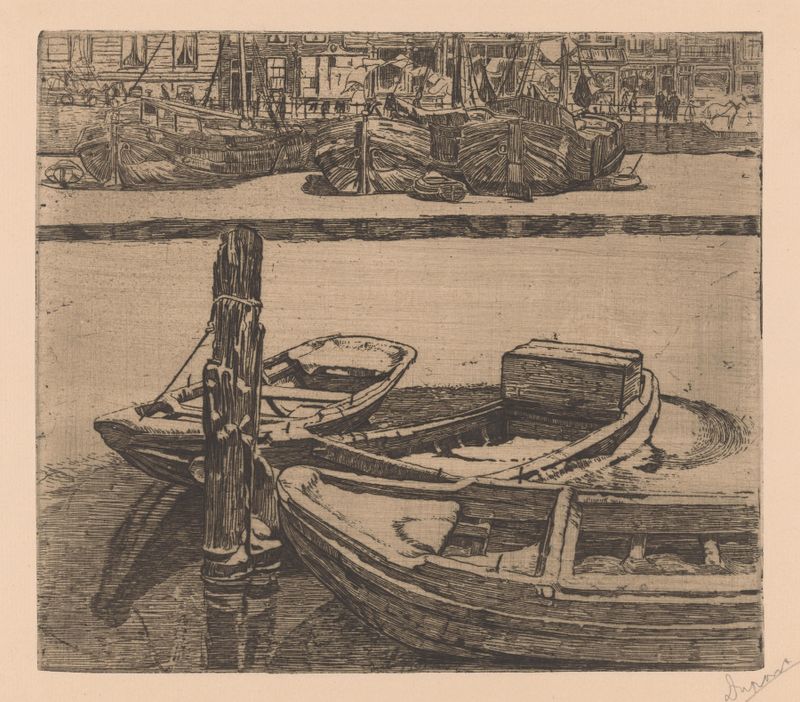
Schepen in het Damrak in Amsterdam
Pieter Dupont
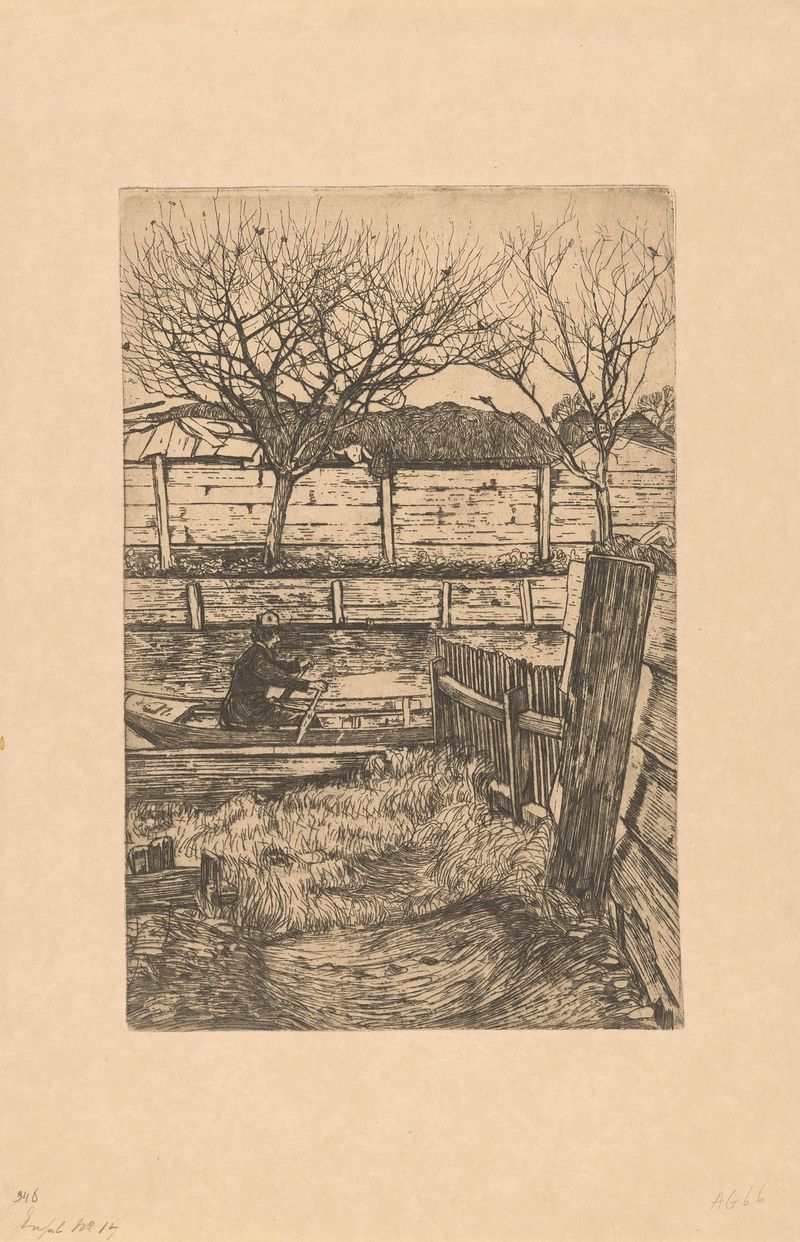
Man in een roeiboot, waarschijnlijk bij de Slatuinen in Amsterdam
Pieter Dupont
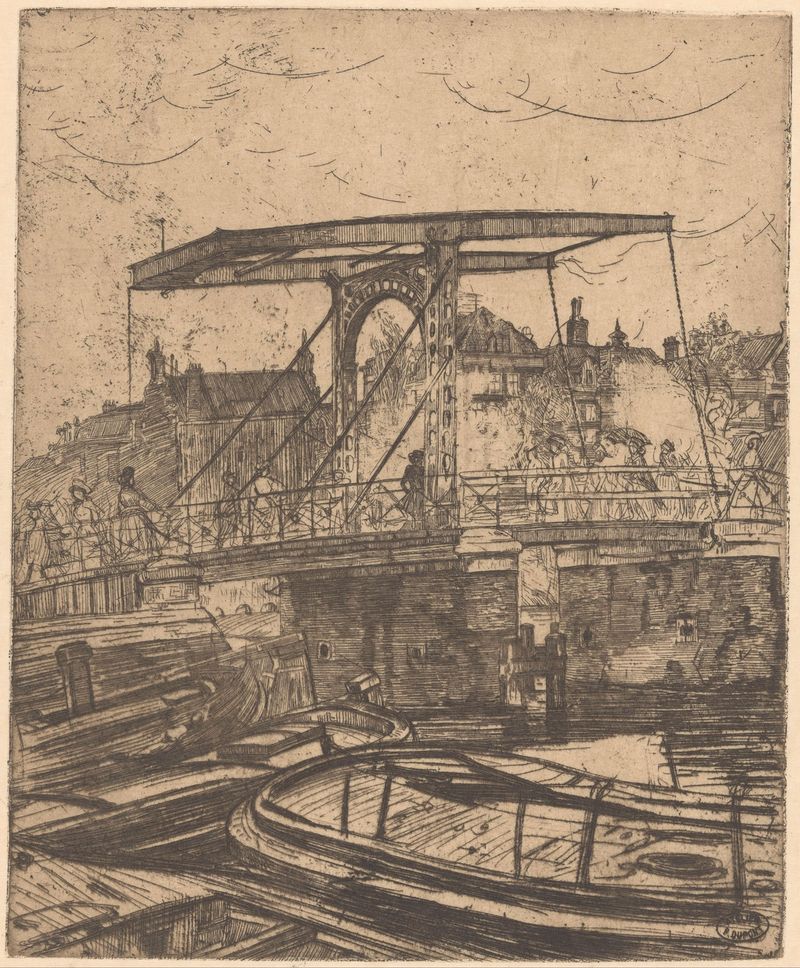
Magere Brug in Amsterdam
Pieter Dupont
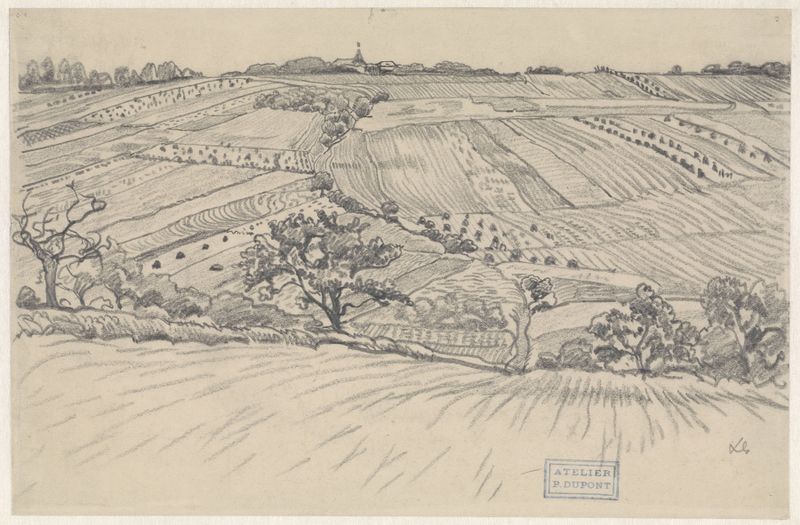
Heuvelachtig landschap met korenvelden
Pieter Dupont