
Kamienne Schodki — History & Facts
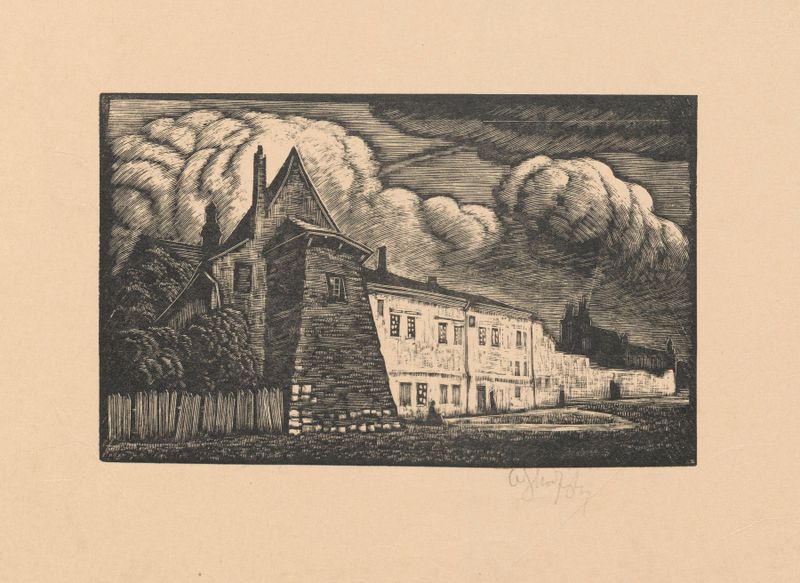
What if beauty was never meant to be finished? In a world often rushing toward completion, Kamienne Schodki offers a glimpse into a haunting, unfinished journey of melancholy and introspection. Focus on the intricate details of the stone steps that lead the viewer's eye upwards, inviting exploration yet suggesting a pathway shrouded in uncertainty. The uneven, textured surfaces contrast with the soft, muted colors, creating an atmosphere that feels both inviting and forlorn. Shadows play prominently, with light spilling across the steps, accentuating their form and inviting deeper contemplation.
Notice how each step seems to hold its own story, marked by time yet untouched by haste. Beneath the surface lies a poignant tension between permanence and transience. The steps, sturdy yet weathered, symbolize the passage of time, hinting at lives once lived, dreams once pursued. Meanwhile, the quiet melancholia enveloping the scene evokes a sense of loss—perhaps for opportunities missed or paths never taken.
This duality enriches the viewer’s experience, raising questions about the nature of beauty and the stories inherent in our surroundings. Władysław Skoczylas painted Kamienne Schodki in 1930 during a period marked by a deep engagement with Polish folk traditions and a burgeoning interest in the emotional resonance of landscapes. At this time, he was exploring themes of national identity and personal introspection in his work amid the growing tumult of interwar Europe. His approach to simplicity and depth in this piece reflects both his artistic evolution and the cultural currents of his era.
More Artworks by Władysław Skoczylas
Browse all →
Motyw ze Starego Miasta
Władysław Skoczylas
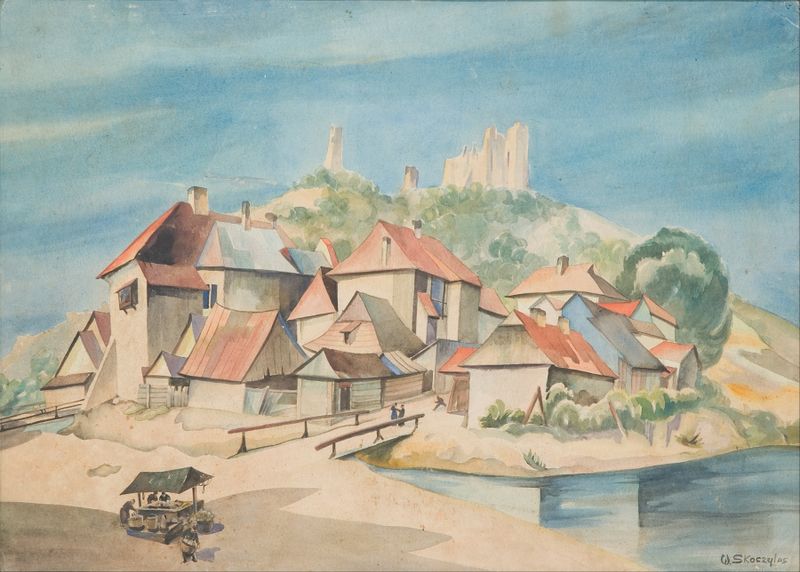
Widok Kazimierza nad Wisłą
Władysław Skoczylas
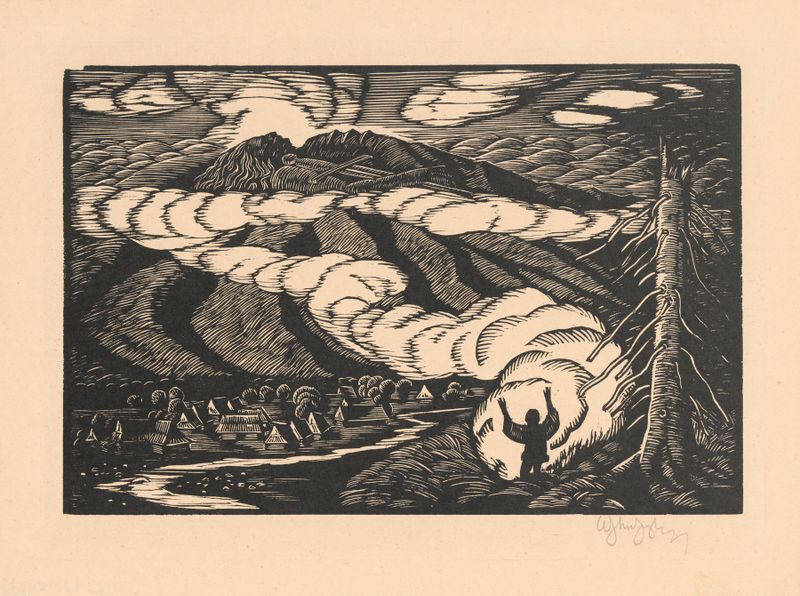
Giewont
Władysław Skoczylas
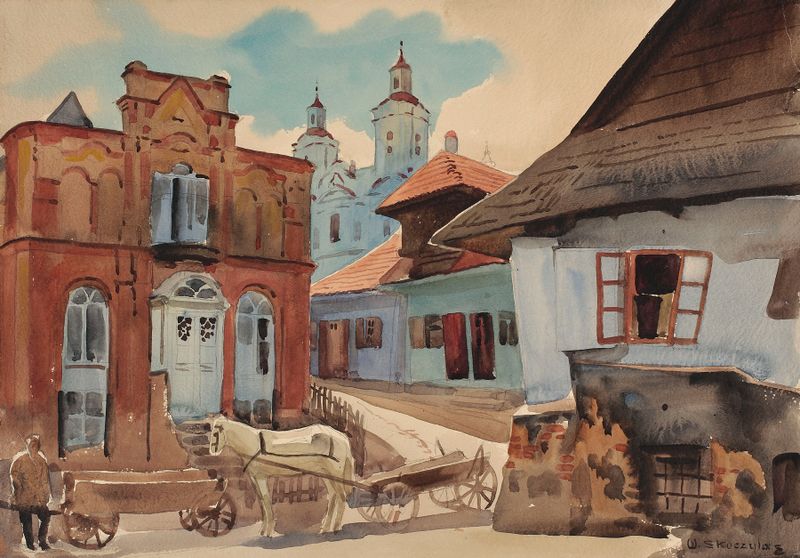
Fragment miasteczka
Władysław Skoczylas

Kościół w Dębnie
Władysław Skoczylas

Ulica w Kazimierzu
Władysław Skoczylas

Rynek w Kazimierzu nad Wisłą
Władysław Skoczylas
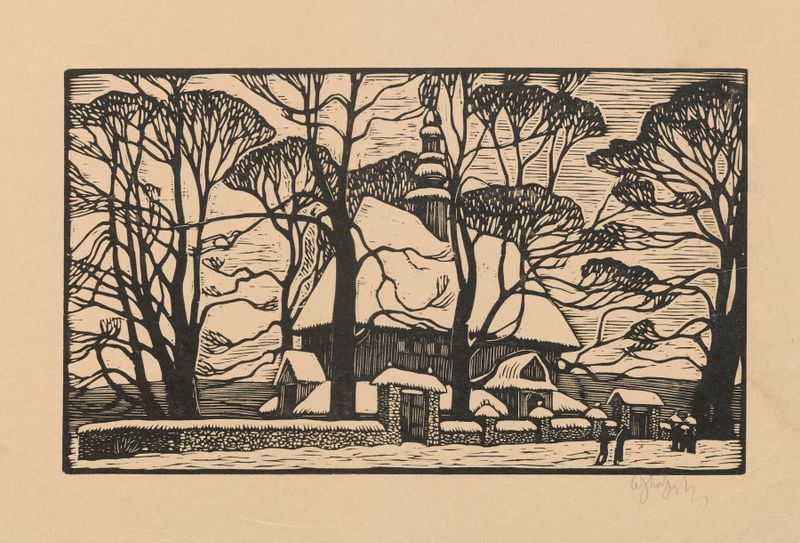
Kościółek w zimie
Władysław Skoczylas

Kolumna Zygmunta
Władysław Skoczylas
Motyw z Krakowa; Baszta Augustianów
Władysław Skoczylas





