
Kapittelhuis van de Saint Paul's Cathedral in Londen — History & Facts
Can paint confess what words never could? In the quiet intricacies of architecture, hope finds its voice. Look closely at the center of the composition, where the grand façade of St. Paul’s Cathedral rises majestically against a cloud-streaked sky. The meticulous lines of Hollar’s etching capture the grandeur and elegance of the structure, while delicate hatching creates a play of light and shadow across the stone.
The architecture’s towering spires seem to reach for the heavens, inviting the viewer's gaze to ascend alongside them, blending the natural and the man-made seamlessly. Yet, beneath this architectural beauty lies a tension between permanence and fragility. The cathedral, a beacon of faith and resilience, sits within an urban landscape that hints at the passage of time and the inevitability of change. The surrounding elements, with their soft contours and soft shading, evoke a sense of atmosphere that contrasts sharply against the strong lines of the cathedral, whispering stories of both endurance and transience.
This dialogue between the solid monument and its ephemeral setting encapsulates a powerful narrative of hope amid the uncertainties of existence. Wenceslaus Hollar created this etching in 1658 while living in London, a city steeped in the turbulence of the English Civil War and the Restoration period. As an artist who fled his native Bohemia, he was deeply influenced by the shifting political and social landscapes around him. During this time, his focus on detailed architectural studies reflects a desire to capture beauty and stability, creating works that resonate with the aspirations of a society yearning for renewal and solace.
More Artworks by Wenceslaus Hollar
Browse all →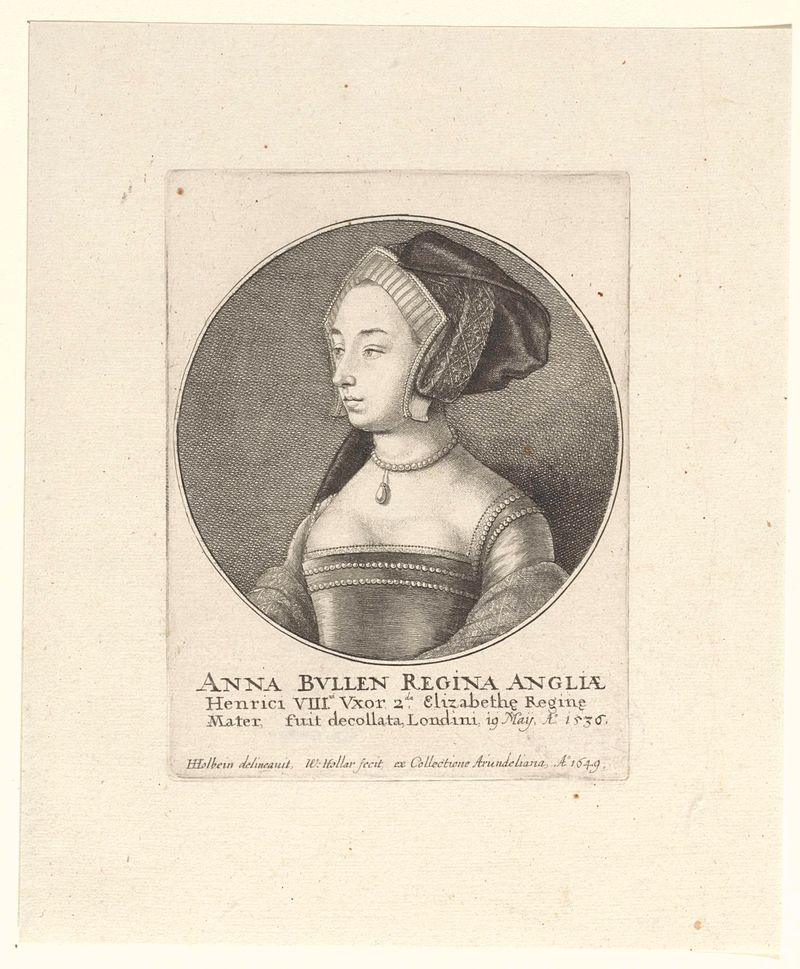
Portret van Anna Boleyn, koningin van Engeland
Wenceslaus Hollar
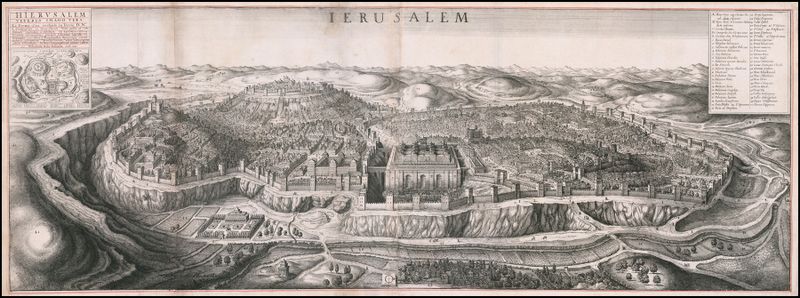
Bird’s eye view of Jerusalem
Wenceslaus Hollar
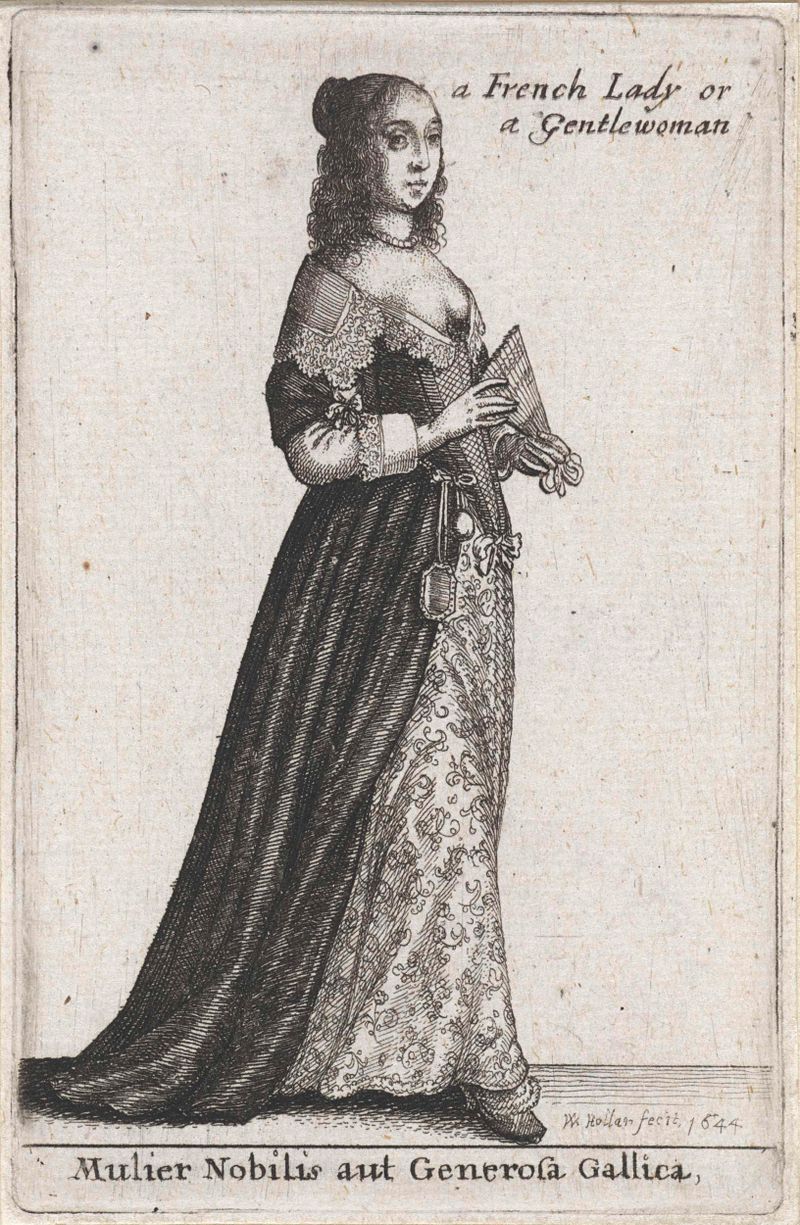
Mulier Nobilis aut Generosa Gallica / a French Lady or Gentlewoman
Wenceslaus Hollar
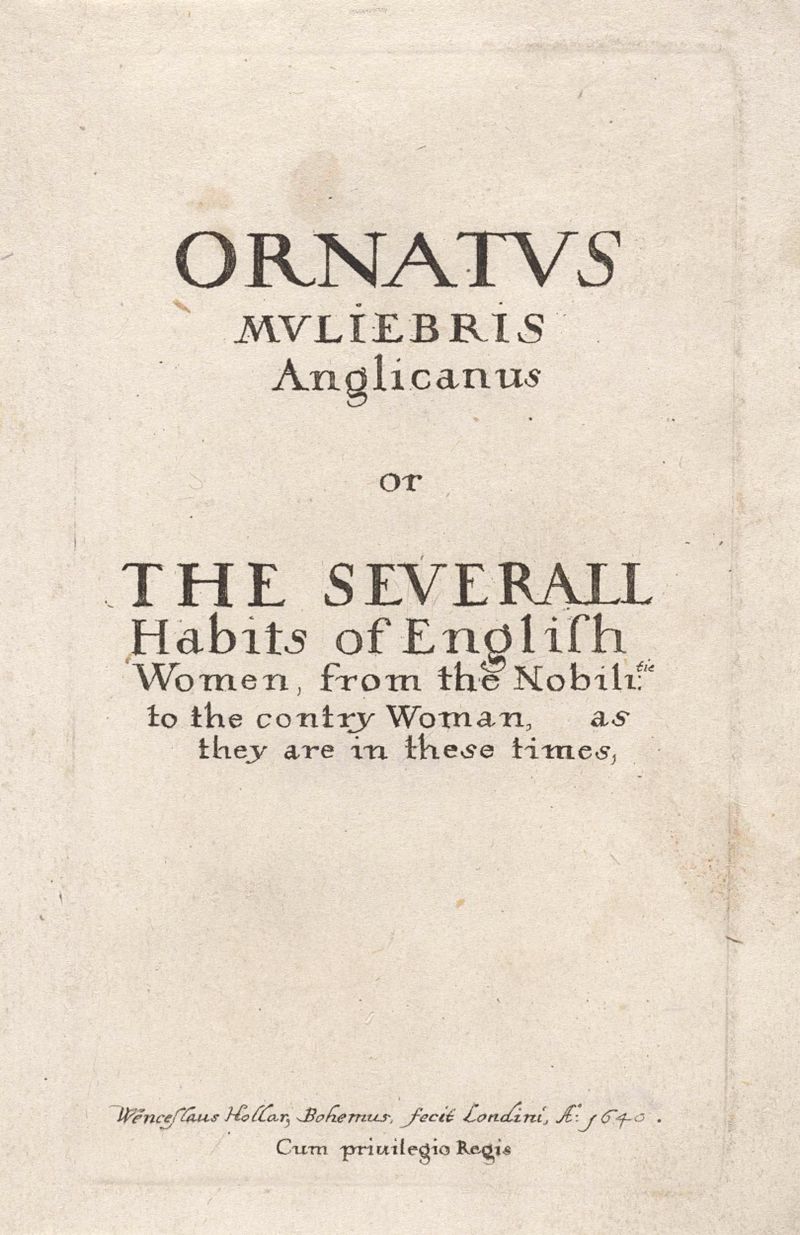
Titelprent voor: Ornatus Muliebris Anglicanus
Wenceslaus Hollar
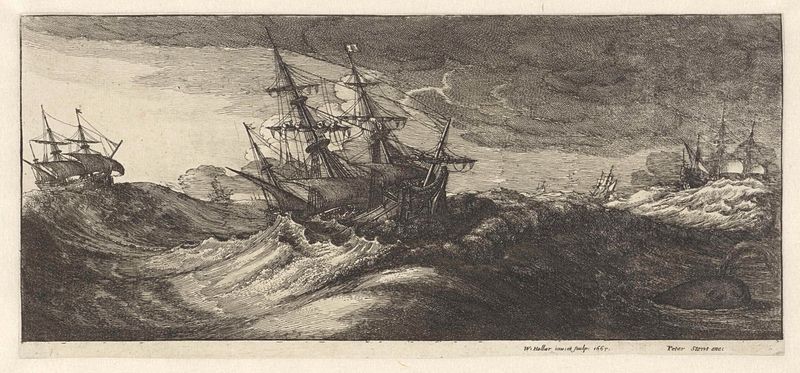
Oorlogsschepen en een walvis in een zeestorm
Wenceslaus Hollar
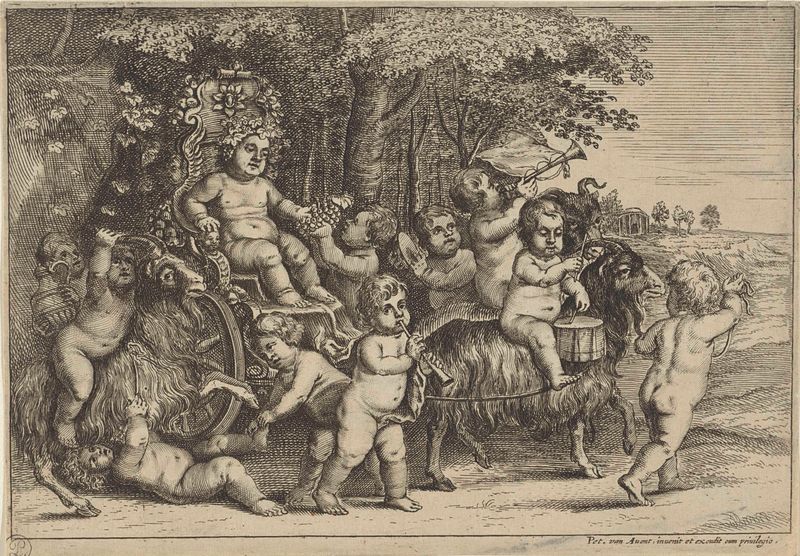
Optocht van bacchant en jongetjes op geiten
Wenceslaus Hollar
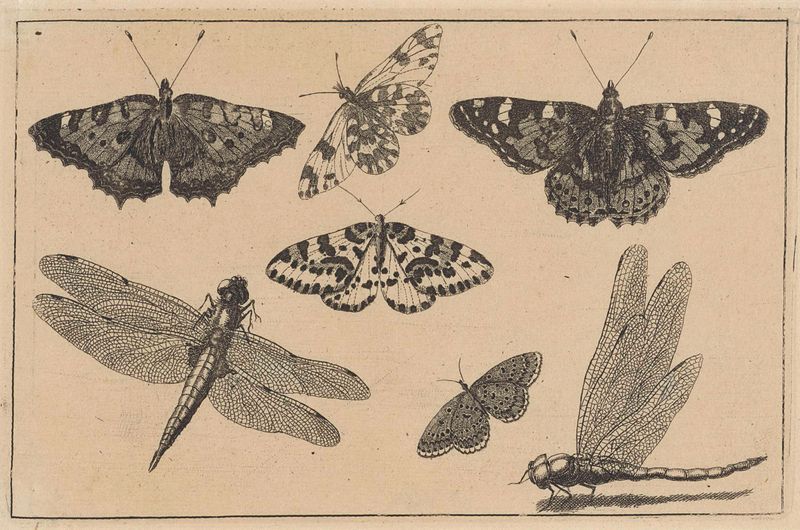
Twee libellen en vijf vlinders
Wenceslaus Hollar
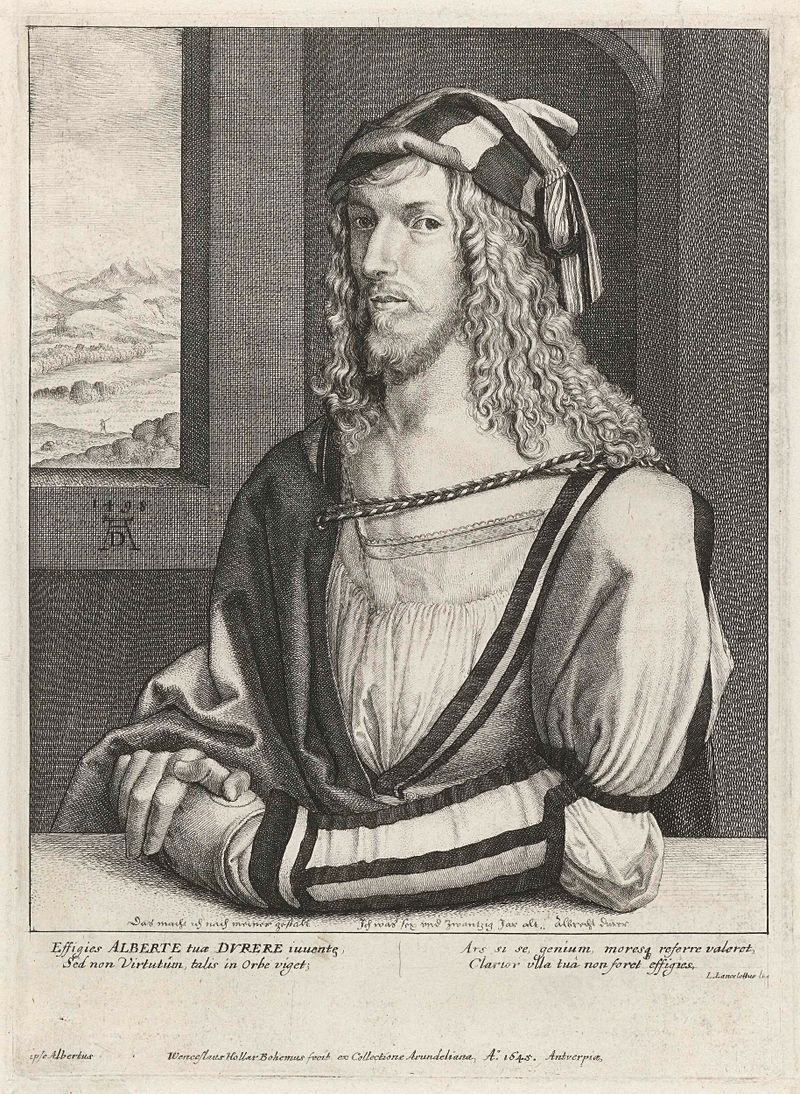
Portret van Albrecht Dürer
Wenceslaus Hollar
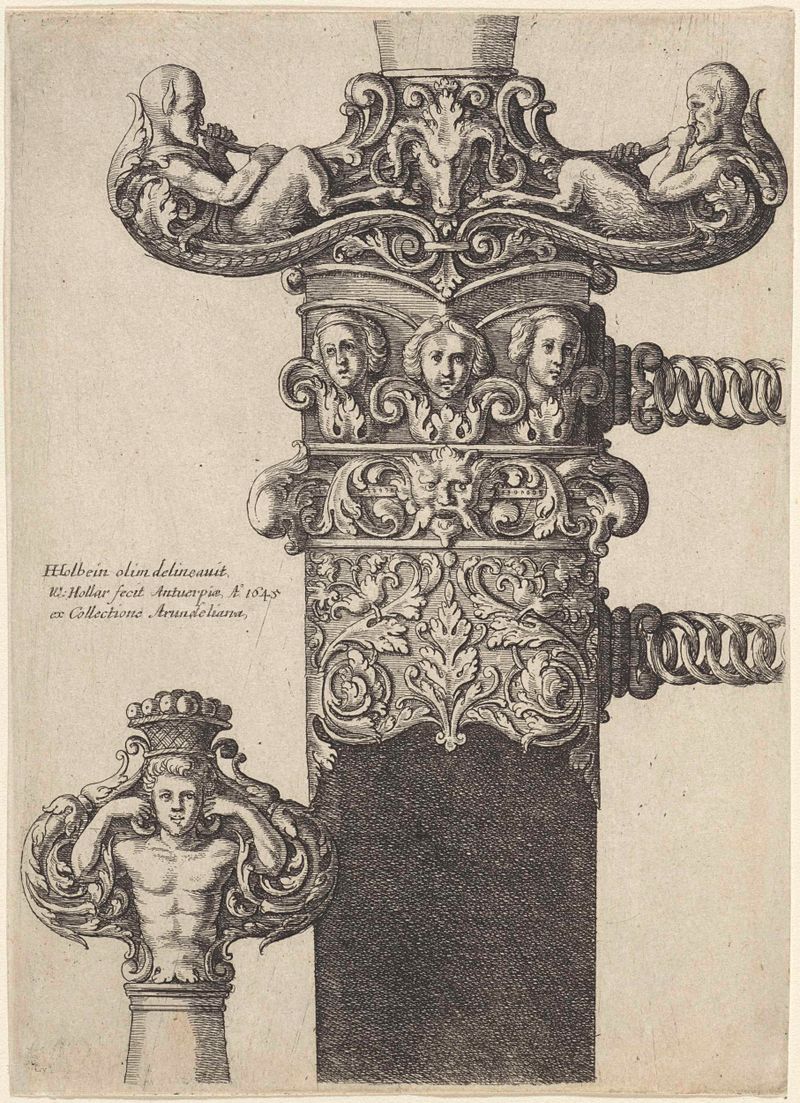
Ornamenteel ontwerp voor een dolk
Wenceslaus Hollar
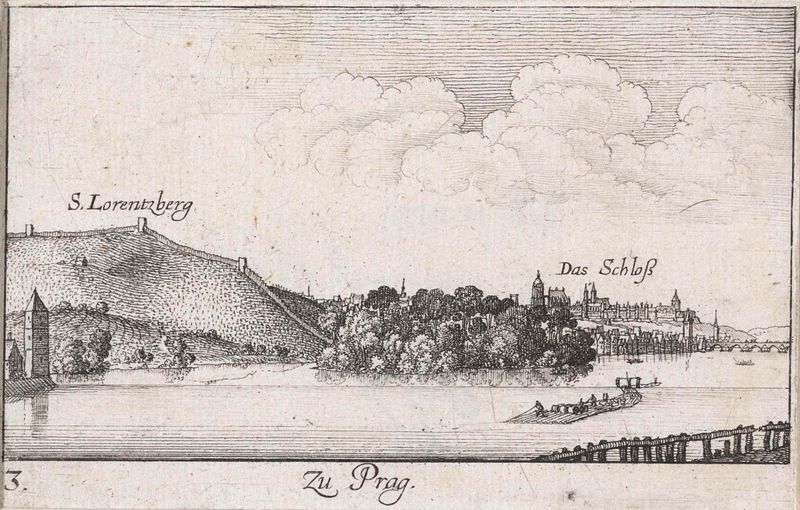
Gezicht op Praag vanaf de Moldau
Wenceslaus Hollar
More Architecture Art
Browse all →
The statue of Liberty
Frédéric Auguste Bartholdi

View of Houses in Delft, Known as ‘The Little Street’
Johannes Vermeer

View of Houses in Delft, Known as ‘The Little Street’
Johannes Vermeer

The Cathedral in Rouen. The portal, Grey Weather
Claude Monet

The yellow house
Vincent van Gogh

The Church in Auvers-sur-Oise, View from the Chevet
Vincent van Gogh