Krajina — History & Facts
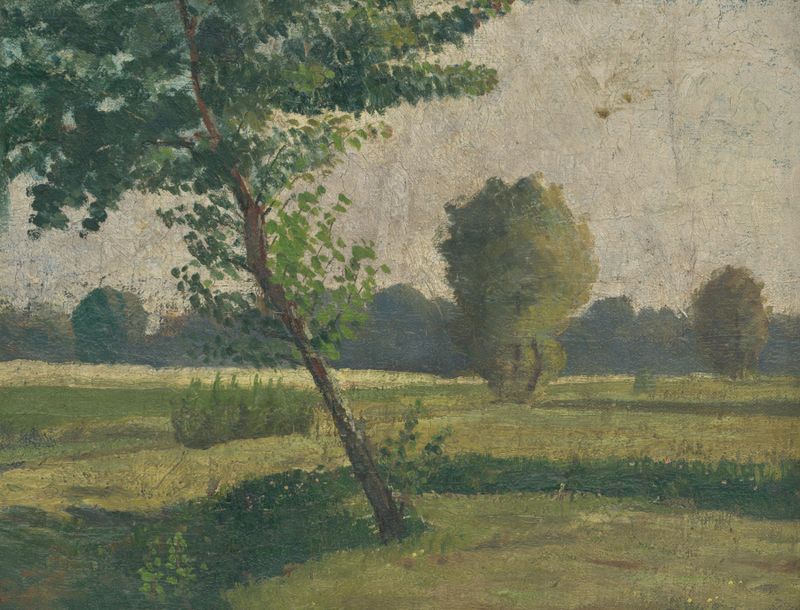
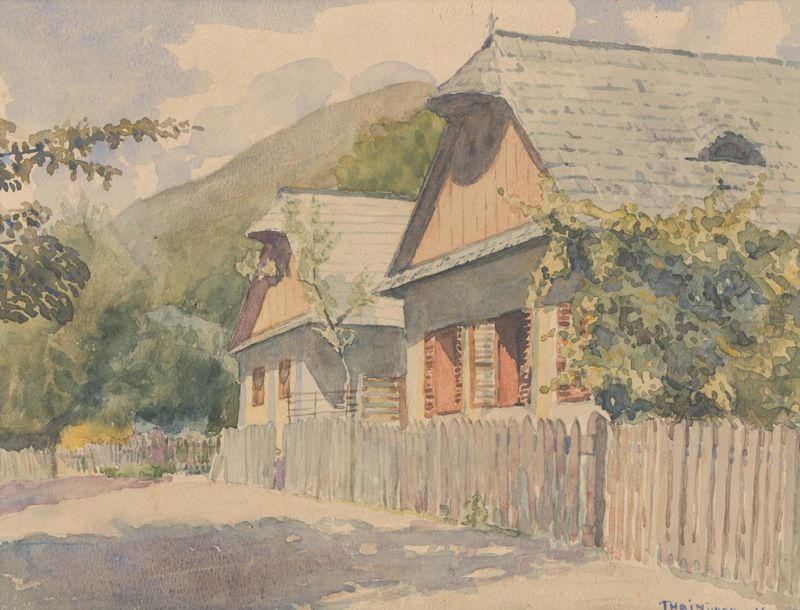
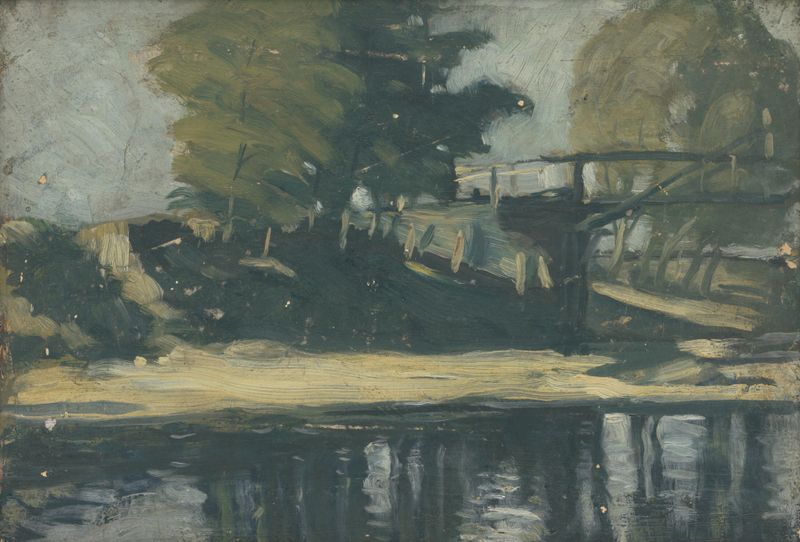
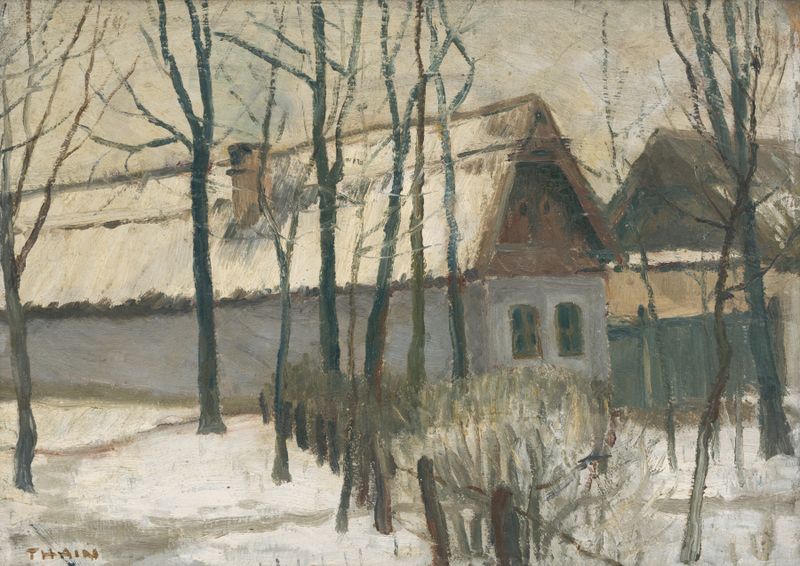
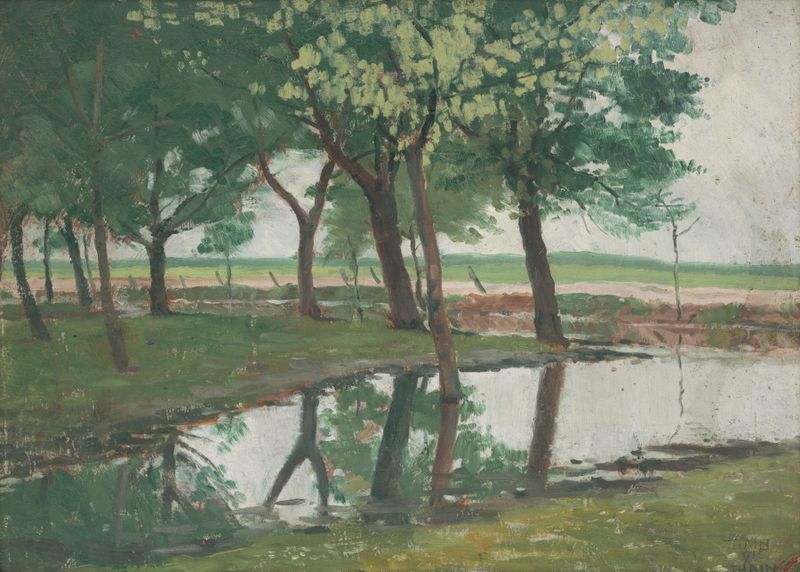
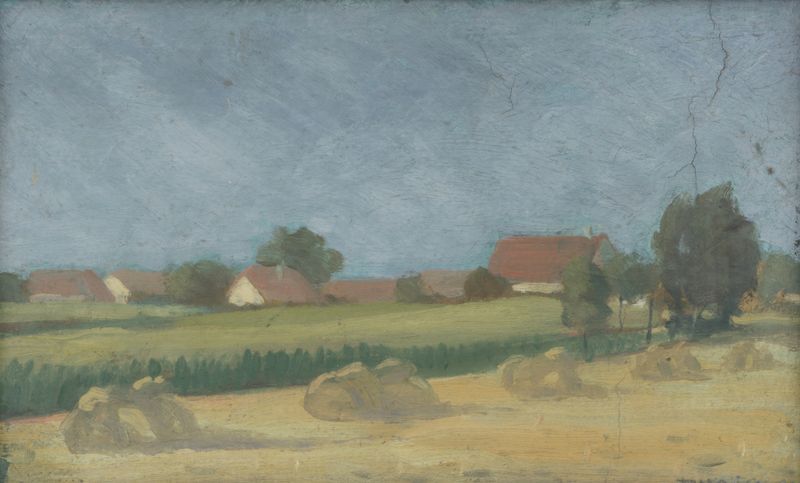
What if silence could speak through light? In the stillness of Krajina, each stroke communicates whispers of betrayal and longing, inviting the viewer to explore the layers of unspoken emotion hidden beneath its surface. Look to the left at the deep, shadowy trees that rise against a canvas suffused with soft, golden hues. Notice how the light falls upon the textured bark, illuminating the stark contrast between the warm earth and the cool, overshadowing foliage. The composition draws the eye into the depths of the landscape, where the interplay of light and shadow evokes a sense of mystery and unease, revealing Thain's mastery in capturing nature's duality. As you delve deeper, consider the tension between the vibrant colors and the encroaching darkness.
The brightness hints at a fleeting moment of hope, while the looming shadows symbolize betrayal and the weight of unseen struggles. Each element, from the gentle curves of the hills to the jagged silhouettes of the trees, speaks to the complexity of human emotion—perhaps a reflection of personal loss or a broader sense of disillusionment that permeated the artist's world. Created in 1913, this work emerged during a tumultuous period for Ján Thain, who was navigating the changes of the early 20th century in Slovakia. The socio-political climate was shifting, creating a backdrop of uncertainty that influenced many artists of the time.
As Thain grappled with these transformations, Krajina became a vessel for his emotional landscape, merging personal experience with a broader cultural narrative.