
Kardinaal en de Dood — History & Facts
What if silence could speak through light? In Kardinaal en de Dood, the somber interplay of light and shadow invites a dialogue with the viewer, revealing the tension between life and mortality. Look to the left at the figure of the cardinal, draped in rich robes of crimson and gold, the fabric appearing almost luminous against the dark backdrop. Notice how the light falls upon his face, accentuating the somber contemplation that grips him. The carefully rendered details, from the intricate textures of his garments to the delicate expression in his eyes, draw you into a moment frozen in time, a moment pregnant with meaning.
The stark juxtaposition of the skull at his feet serves as a chilling reminder of the inevitable fate that awaits every soul. Beneath the surface, this piece reveals a profound dichotomy: the opulence of the cardinal’s attire contrasts sharply with the grim reminder of death. The skull's placement invokes the notion of memento mori, underscoring the fleeting nature of life and the emptiness of earthly possessions. The rich colors symbolize earthly power, while the spectral presence of death looms almost imperceptibly, haunting the periphery of the cardinal's existence. Holbein created Kardinaal en de Dood in 1538 during a period marked by political turbulence and religious upheaval in Europe.
As an artist in the service of the Tudor court, he was highly regarded for his portraiture that captured the essence of his subjects. This painting reflects both his mastery of the medium and a poignant commentary on the juxtaposition of earthly authority and spiritual reckoning during the Renaissance.
More Artworks by Hans Holbein (II)
Browse all →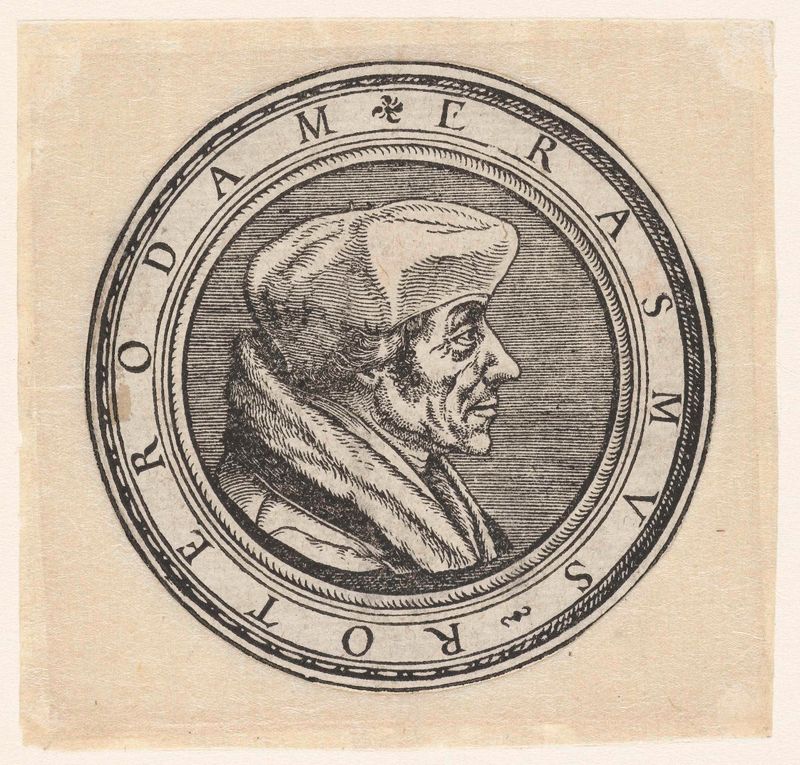
Portret van Erasmus
Hans Holbein (II)
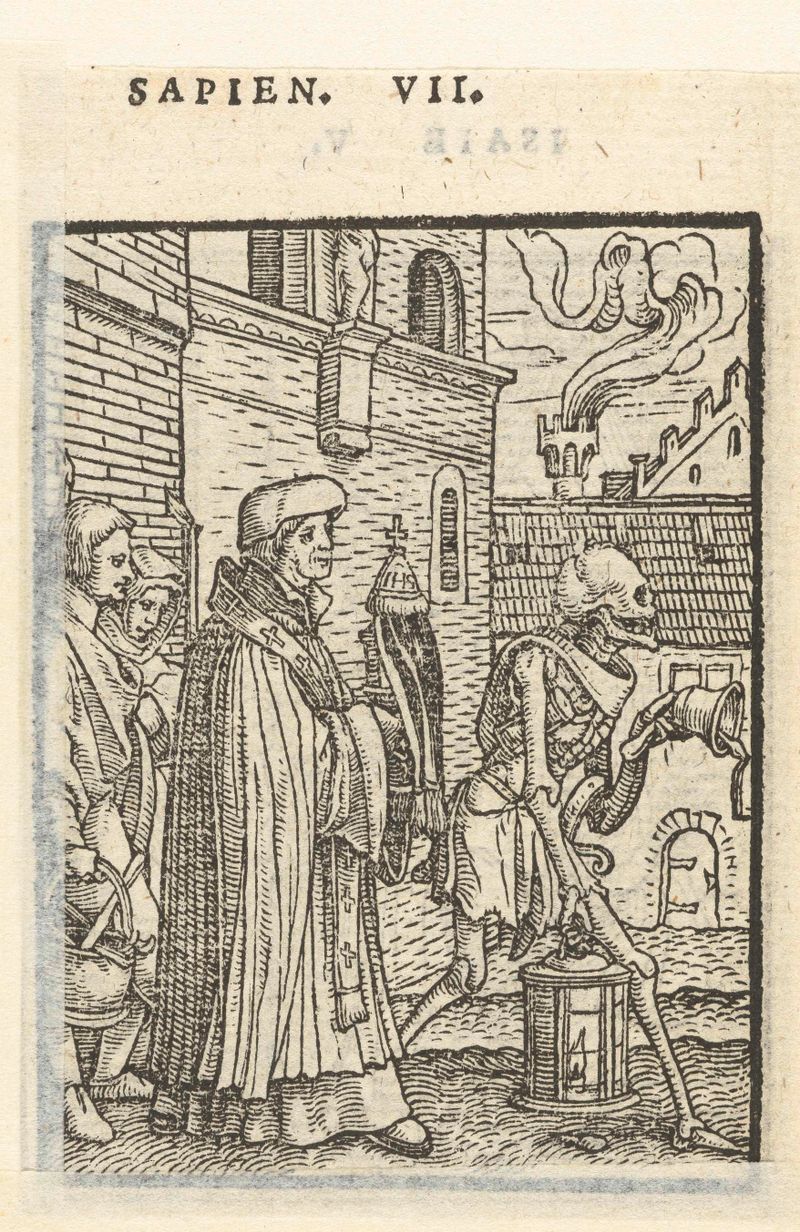
Priester en de Dood
Hans Holbein (II)
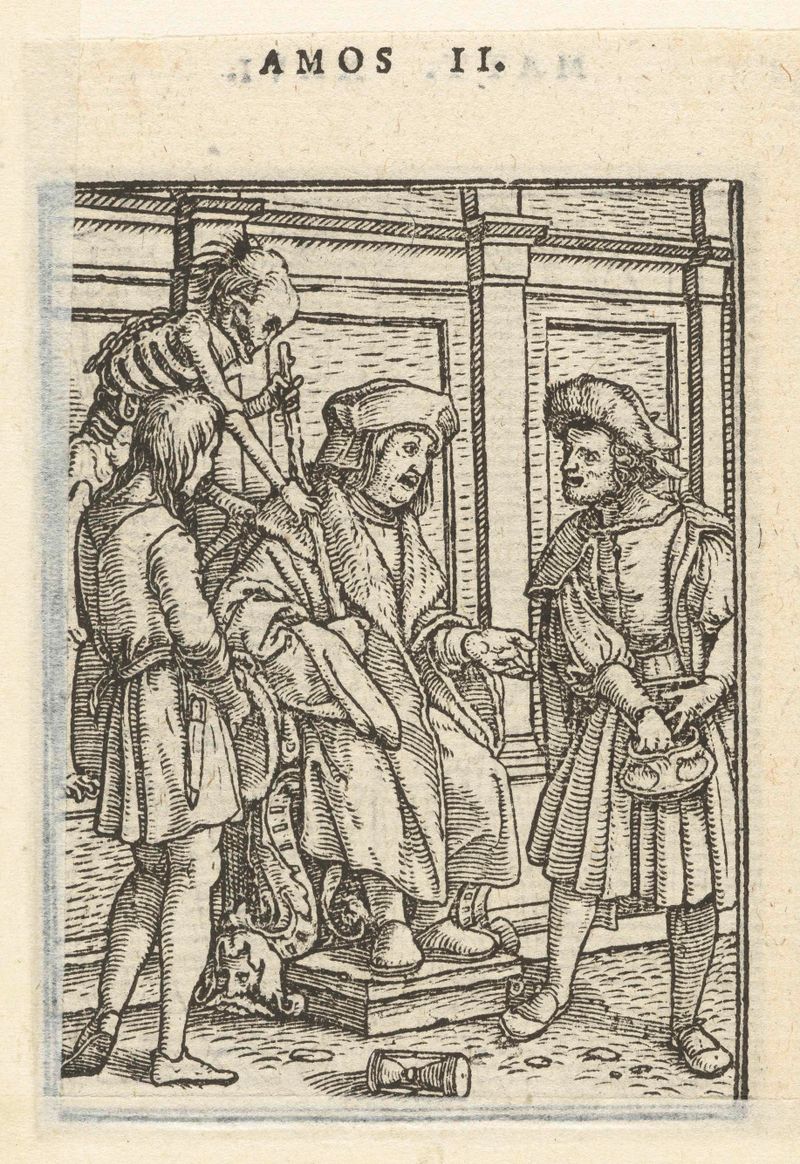
Rechter en de Dood
Hans Holbein (II)
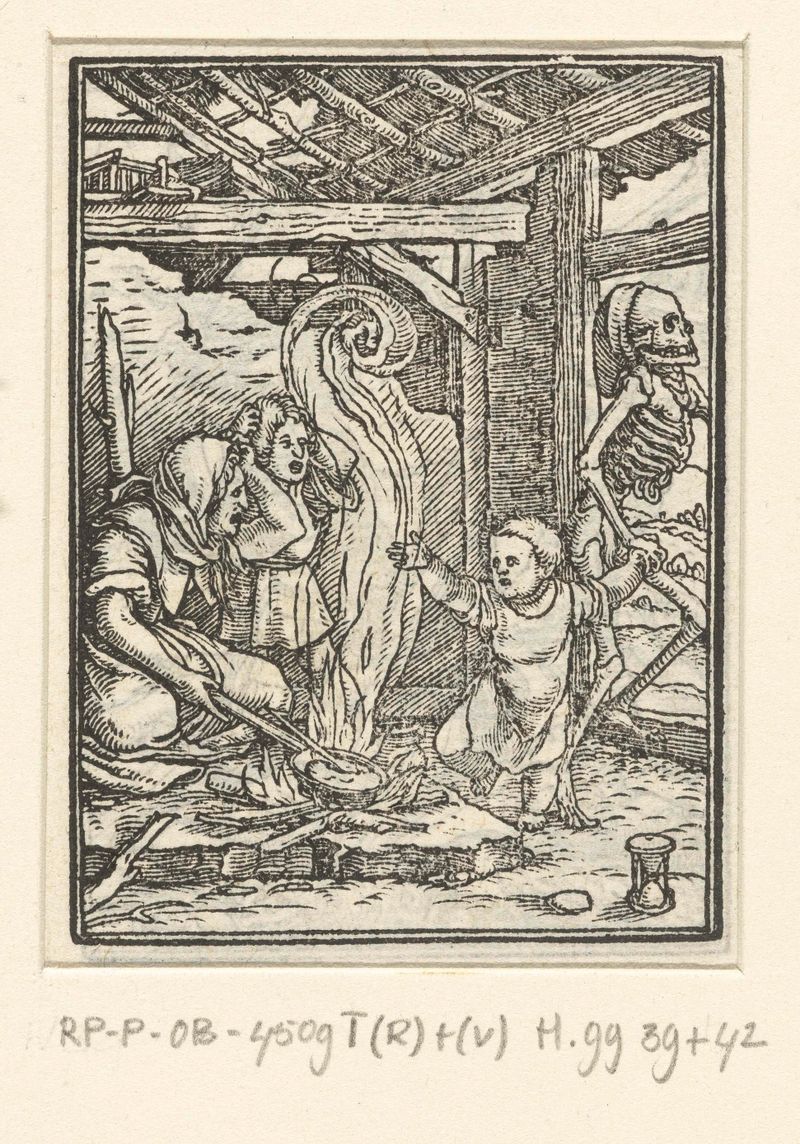
Kind en de Dood
Hans Holbein (II)
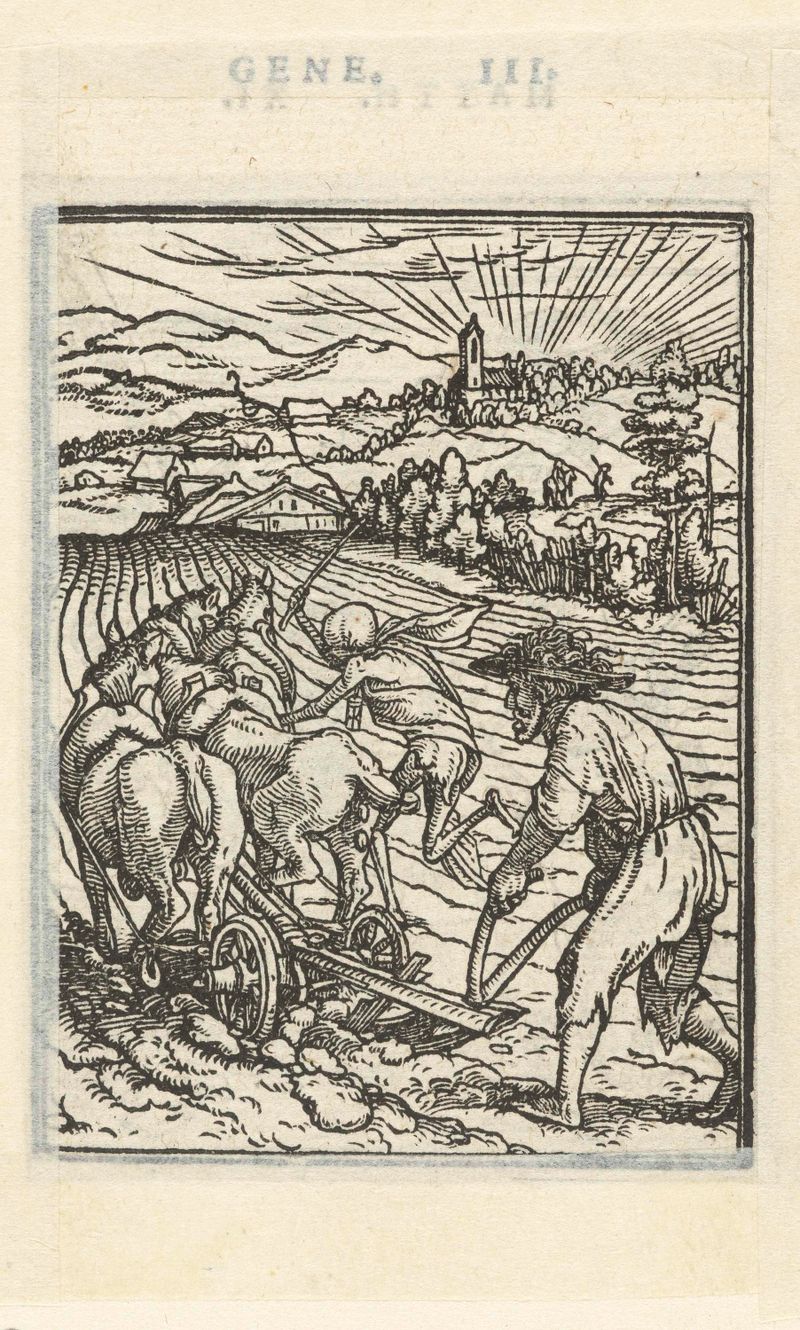
Boer en de Dood
Hans Holbein (II)
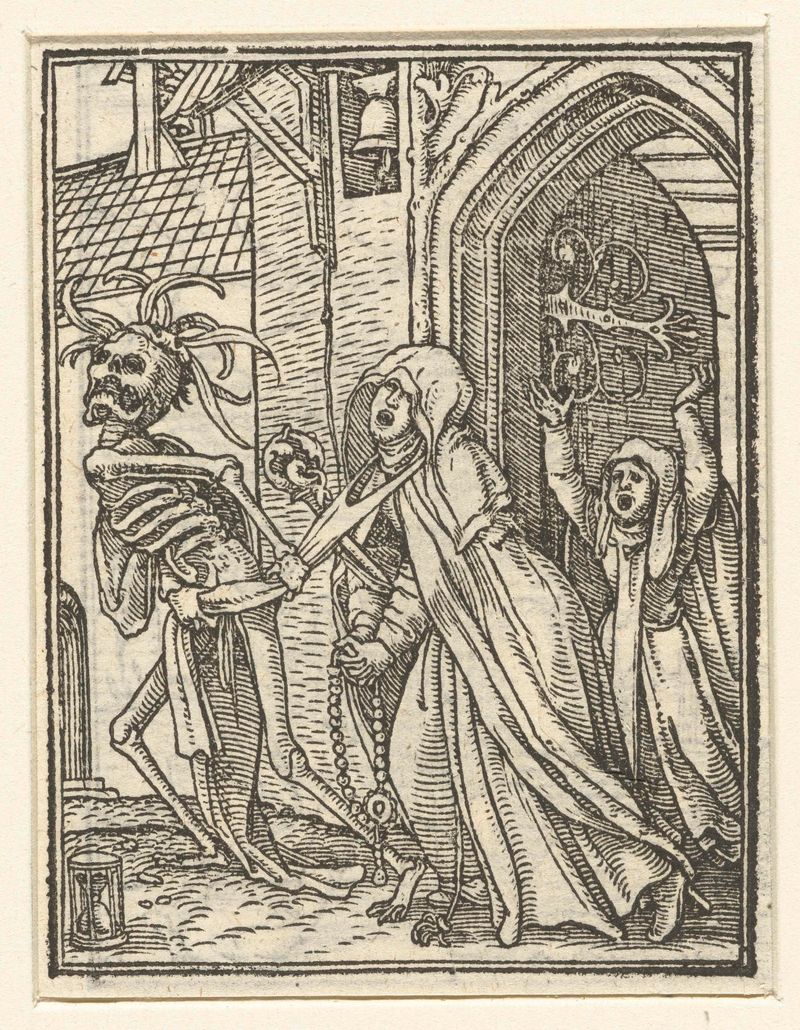
Abdis en de Dood
Hans Holbein (II)
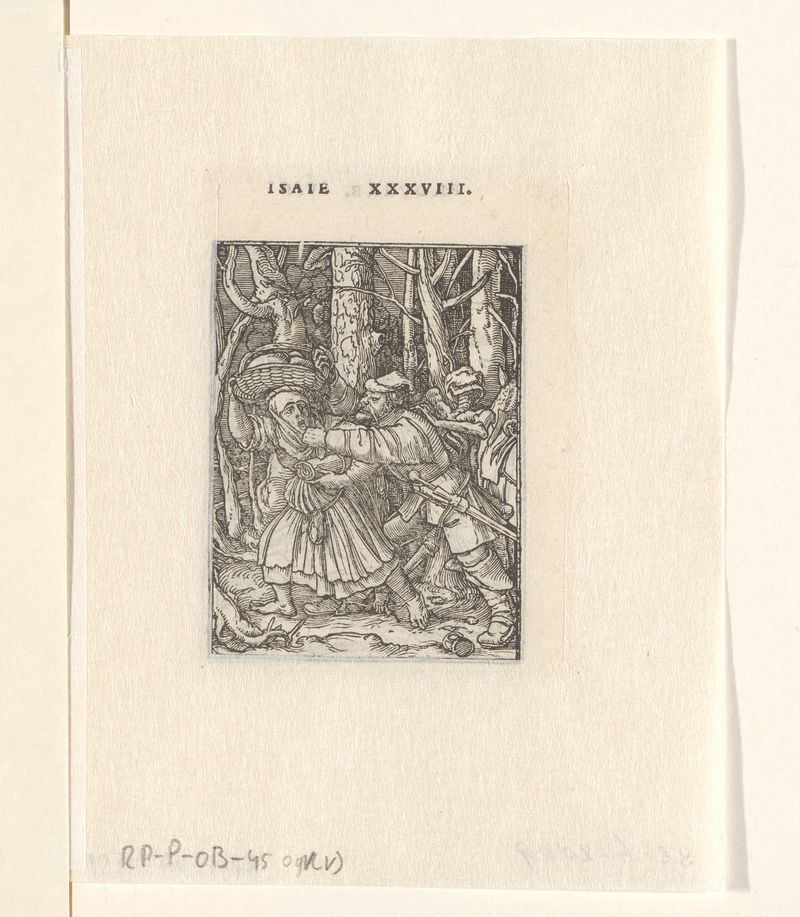
Dief en de Dood
Hans Holbein (II)
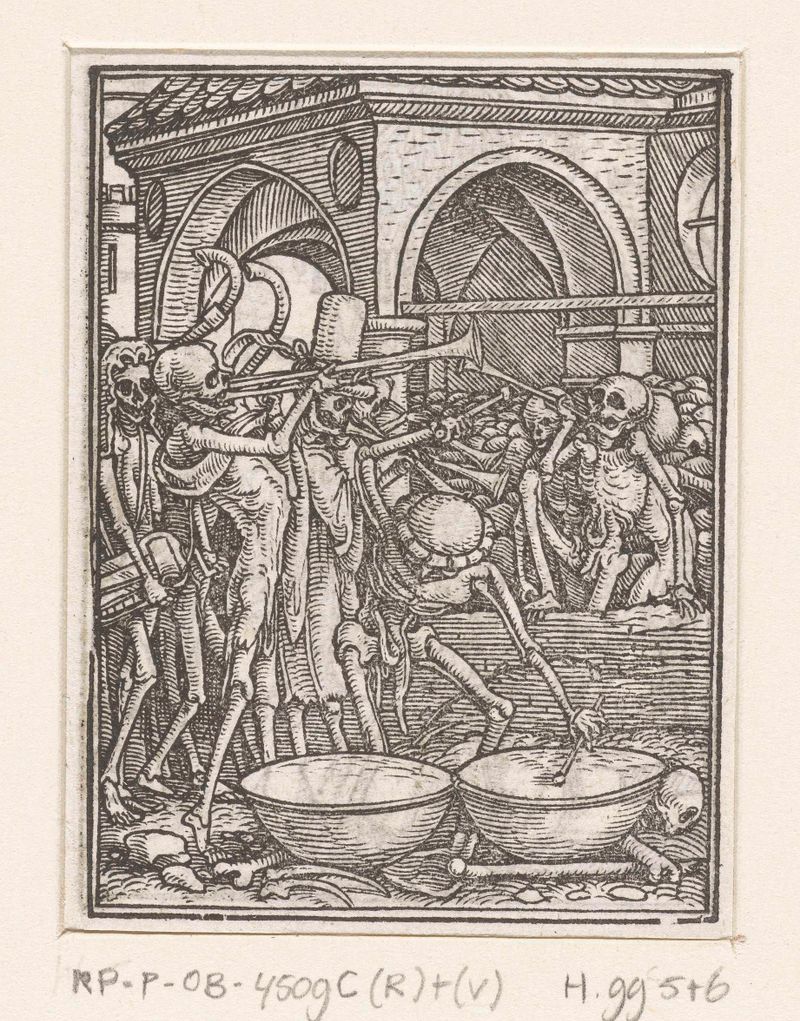
Skeletons Making Music from Dance of the Dead
Hans Holbein (II)
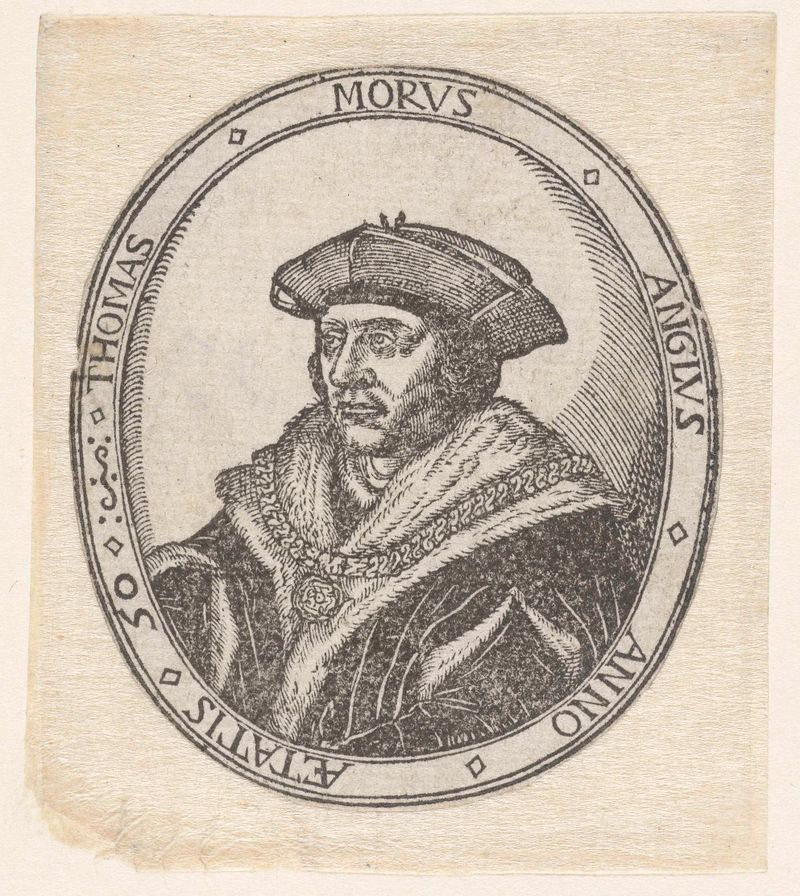
Portret van Thomas More
Hans Holbein (II)
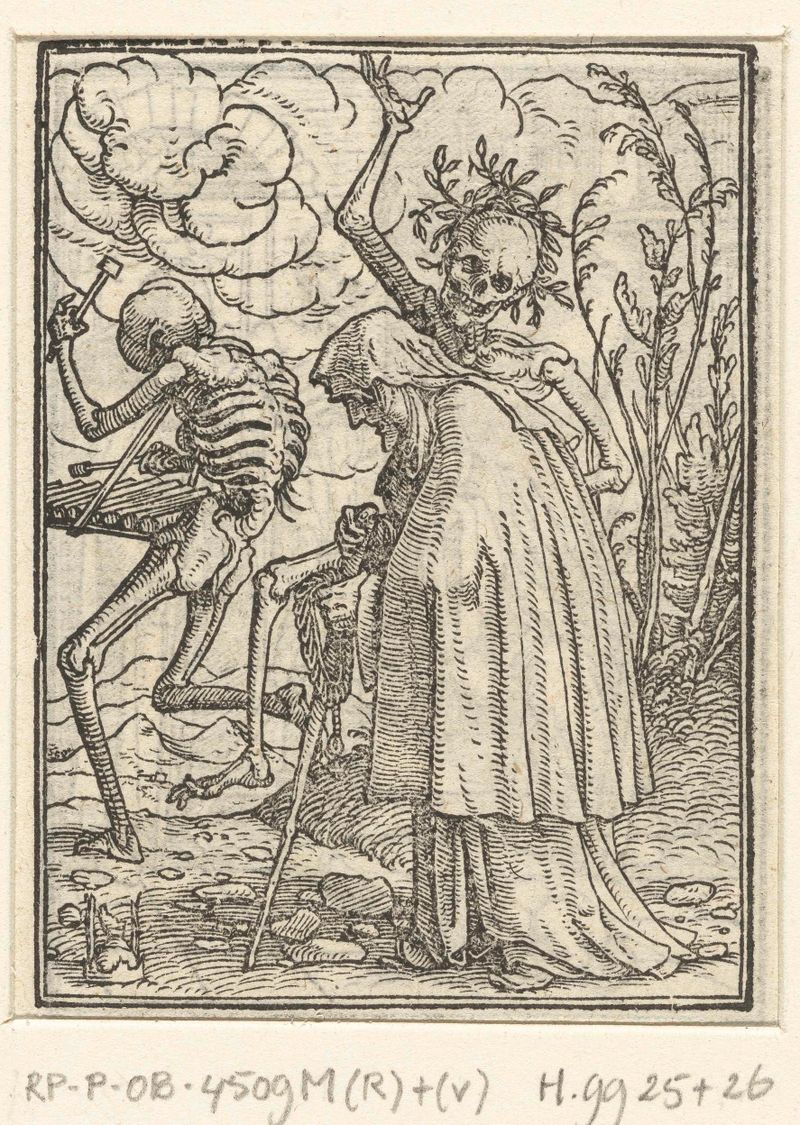
Oude vrouw en de Dood
Hans Holbein (II)
More Portrait Art
Browse all →
Las meninas
Diego Velázquez

Self-portrait with a Bandaged Ear and Pipe
Unidentified artist

Girl with a Pearl Earring
Johannes Vermeer

The Sampling Officials of the Amsterdam Drapers’ Guild, Known as ‘The Syndics’
Rembrandt van Rijn

The Hundred Guilder Print: the man seen on the back in the lower left corner
Rembrandt van Rijn

Portrait of Dr Gachet
Vincent van Gogh