
Kaskerat — History & Facts
When did color learn to lie? In Kaskerat, the vibrant hues whisper secrets of divinity and deception, blurring the line between reality and illusion as we confront nature's sublime beauty. Look to the center, where an ethereal landscape unfolds, enveloped in vivid greens and blues. The careful brushwork renders the undulating hills with a sense of depth, while the light cascades from the left, illuminating the scene with golden warmth. Notice how the brushstrokes convey movement, mimicking the gentle sway of trees, and guiding the eye toward the distant horizon, where the sky meets earth in a harmonious embrace. Within the composition lies a tension between the serene beauty of the vista and an underlying sense of foreboding.
The tranquil waters reflect not just the sky, but the turmoil of human emotion—an invitation to consider our relationship with nature. The shadows lurking in the foreground remind us that even paradise has its complexities, inviting introspection on our own desire for divine connection amidst the chaos of existence. In 1810, Luigi Mayer painted this masterpiece during a time of profound change in Europe, where Romanticism began to challenge the prevailing Neoclassical ideals. Living in London yet drawing inspiration from his travels, Mayer’s work reflected the burgeoning fascination with the sublime in nature, presenting a fresh perspective on landscapes that balanced beauty with an acute awareness of ominous undercurrents.
More Artworks by Luigi Mayer
Browse all →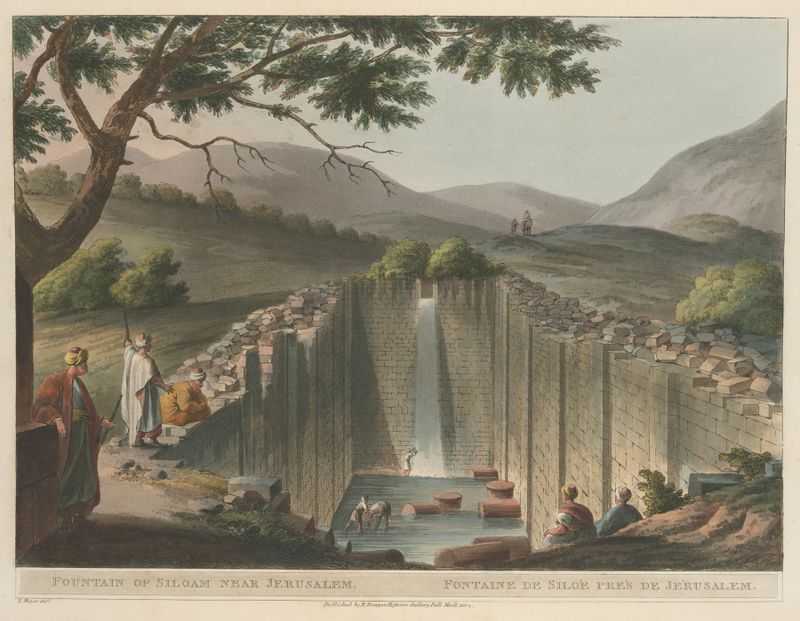
Fountain of Siloam Near Jerusalem
Luigi Mayer

View of the Dardanelles
Luigi Mayer
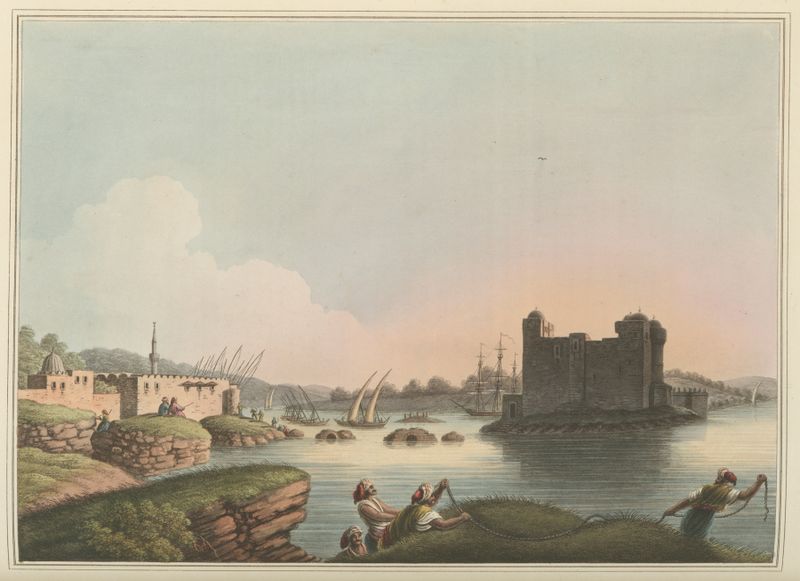
Port of Latachia
Luigi Mayer

Stadium at Ephesus
Luigi Mayer

Ancient Temples at Agrigentum
Luigi Mayer
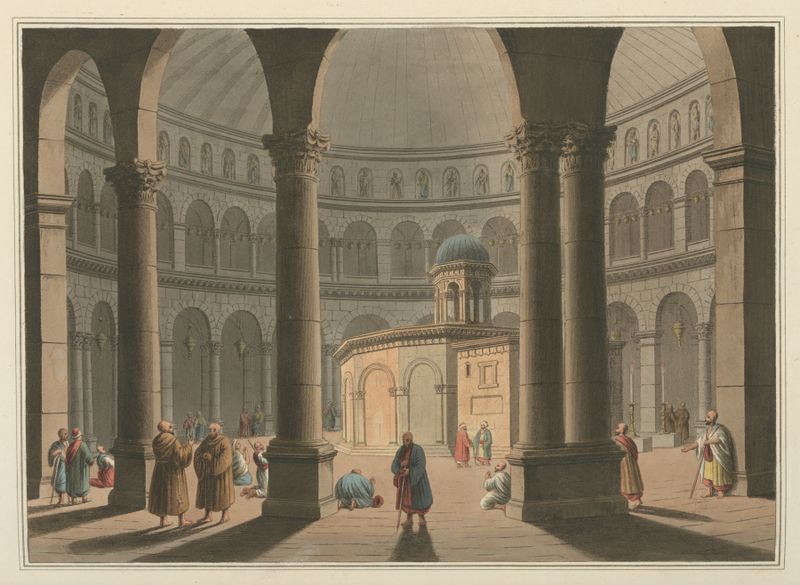
Church of the Holy Sepulchre
Luigi Mayer
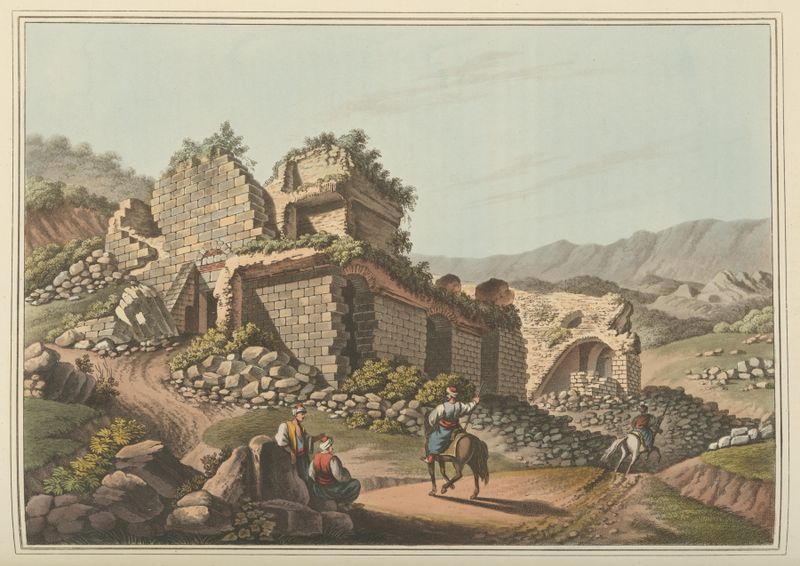
Theatre at Ephesus
Luigi Mayer
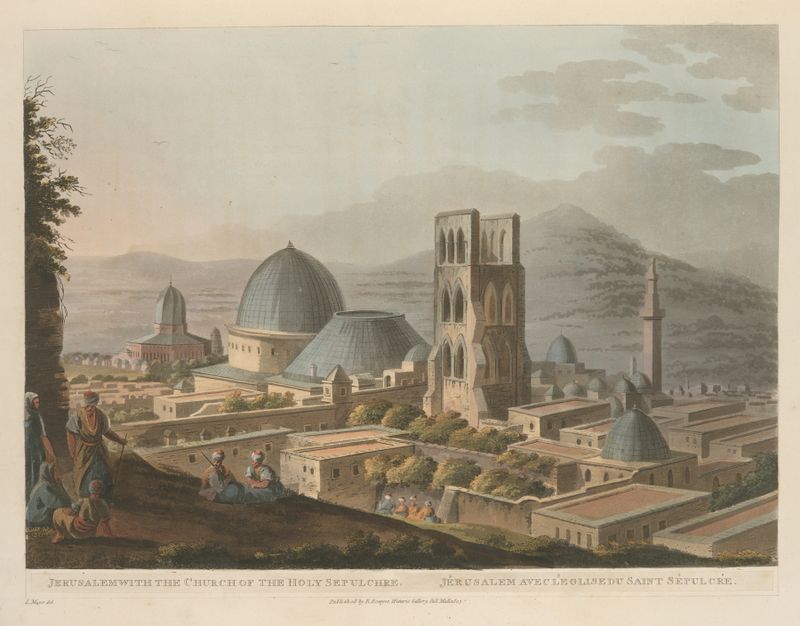
Jerusalem with the Church of the Holy Sepulchre
Luigi Mayer
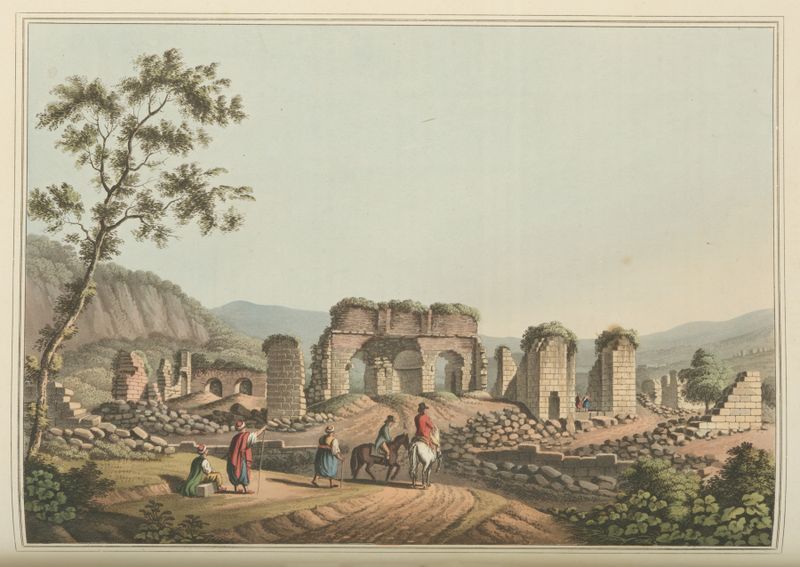
Ruins of the Temple of Diana at Ephesus
Luigi Mayer

Crater in the Island of Volcano
Luigi Mayer





