
Kathedraal van Straatsburg — History & Facts
Can beauty exist without sorrow? In Wenceslaus Hollar's Kathedraal van Straatsburg, the answer lies delicately etched within the breathtaking arches and soaring spires of the Strasbourg Cathedral. This intricate etching captures not merely a structure, but the essence of devotion and the weight of history. Look closely at the towering façade; your eyes should first trace the radiating lines of the cathedral’s Gothic architecture. The meticulous detail of each stone, the delicate interplay of light and shadow, create an almost ethereal quality.
Hollar’s choice of sepia tones, blended with the fine lines, evokes a sense of age and reverence that invites contemplation. This is not just an image; it is an invitation to explore the sacred space and the serenity it embodies. Yet, beneath this beauty lies an emotional tension. The grandeur of the cathedral stands in stark contrast to the quiet solitude of the figures below, dwarfed by its majesty.
These small silhouettes highlight the insignificance of man in the face of divine architecture, suggesting a shared longing for transcendence. The viewer can almost sense the echoes of whispered prayers within the stone walls, merging ecstasy with melancholy—a duality that permeates religious devotion. Wenceslaus Hollar created this work in 1645, during a period of both personal and artistic turmoil. Living in the aftermath of the Thirty Years' War, he experienced the upheaval and despair of his time.
In Strasbourg, a city reborn from conflict, Hollar found inspiration in the monumental structures around him, reflecting a world yearning for hope amidst the remnants of loss. His etching not only captures a physical space but resonates with the collective yearning for beauty that speaks to the soul’s deepest desires.
More Artworks by Wenceslaus Hollar
Browse all →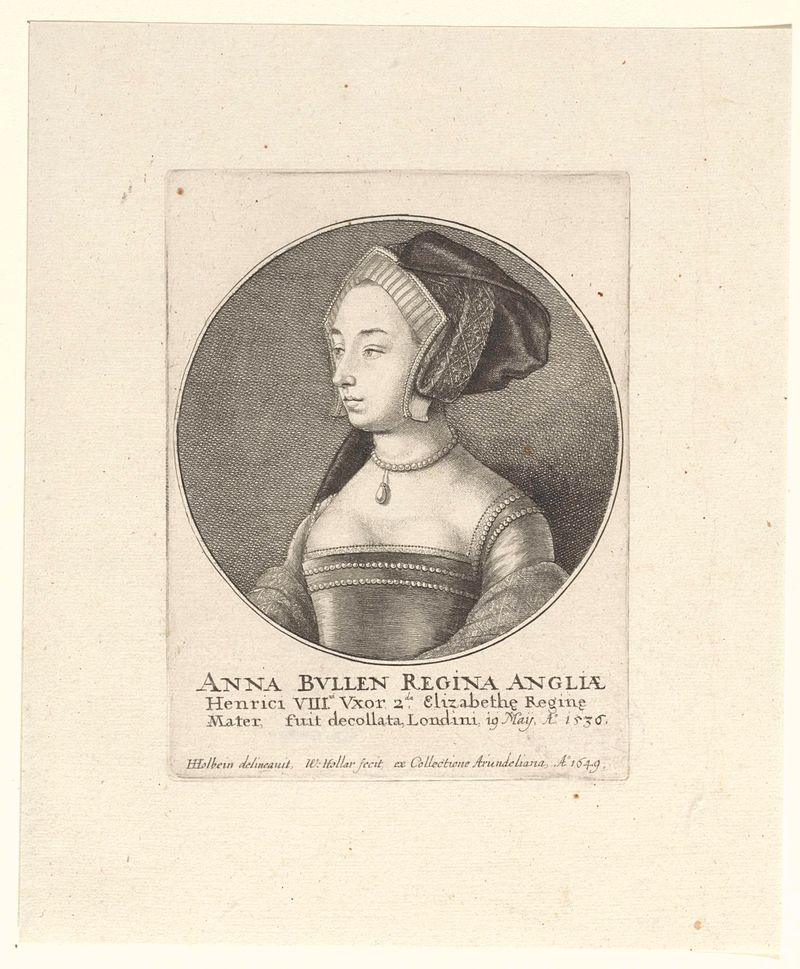
Portret van Anna Boleyn, koningin van Engeland
Wenceslaus Hollar
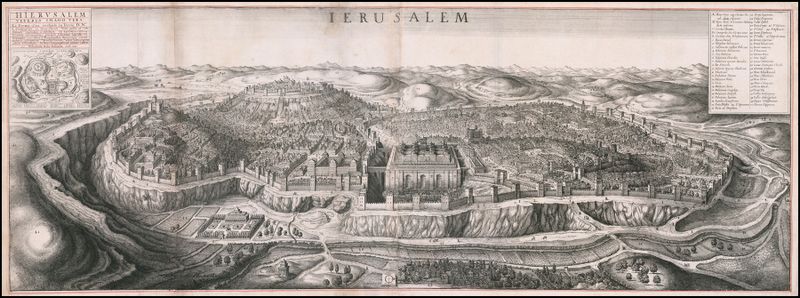
Bird’s eye view of Jerusalem
Wenceslaus Hollar
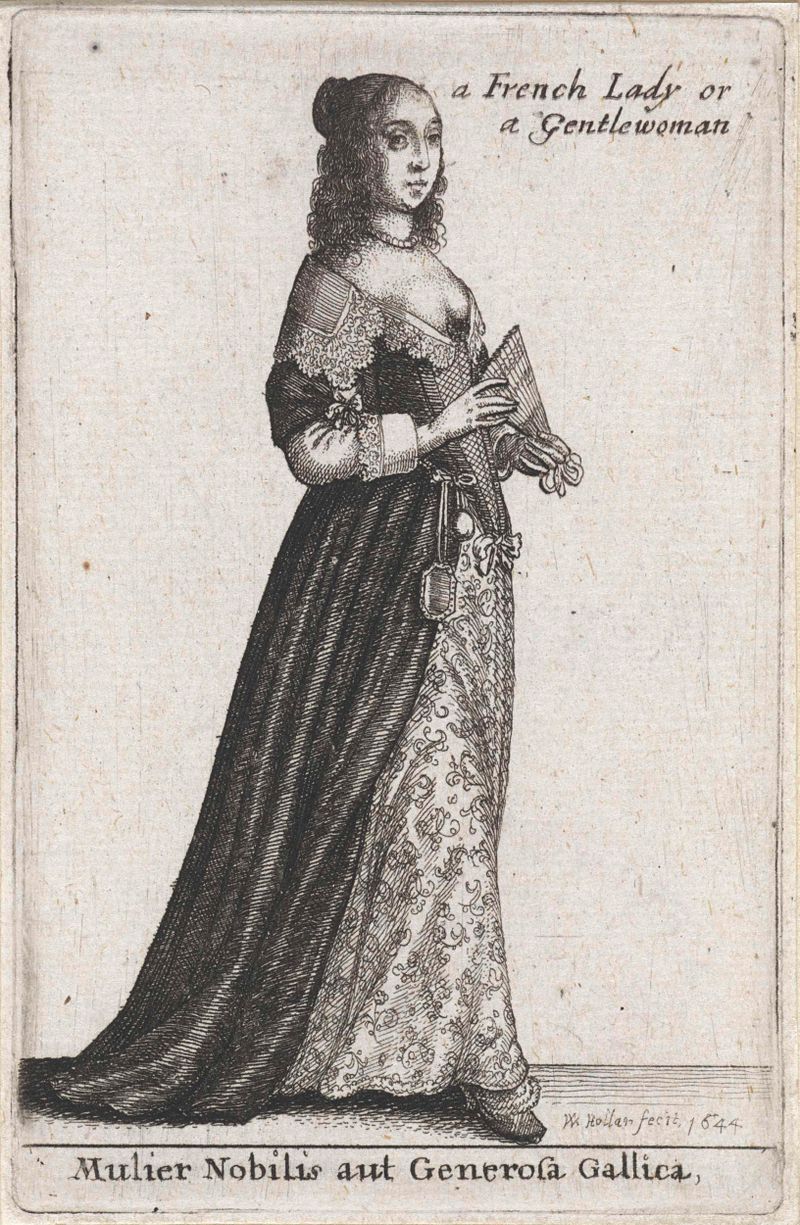
Mulier Nobilis aut Generosa Gallica / a French Lady or Gentlewoman
Wenceslaus Hollar
Titelprent voor: Ornatus Muliebris Anglicanus
Wenceslaus Hollar
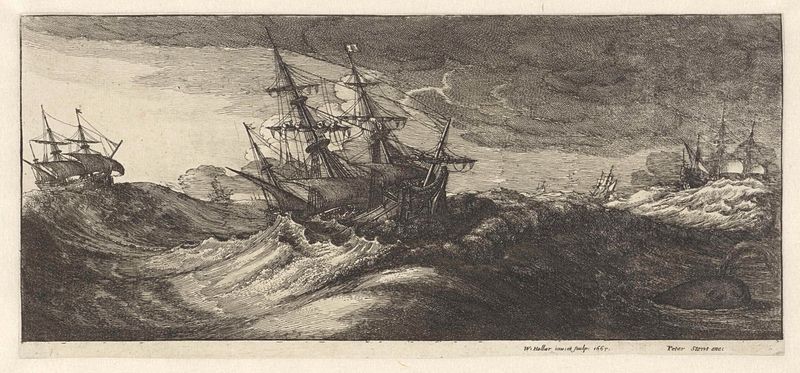
Oorlogsschepen en een walvis in een zeestorm
Wenceslaus Hollar
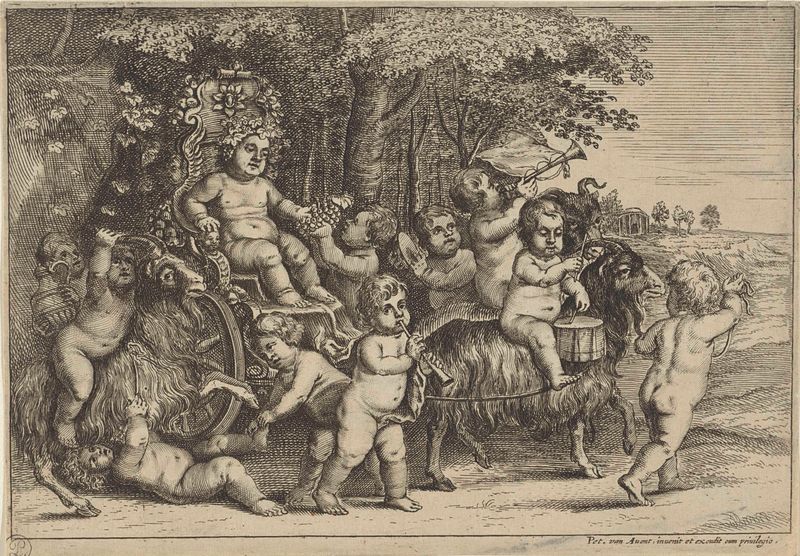
Optocht van bacchant en jongetjes op geiten
Wenceslaus Hollar
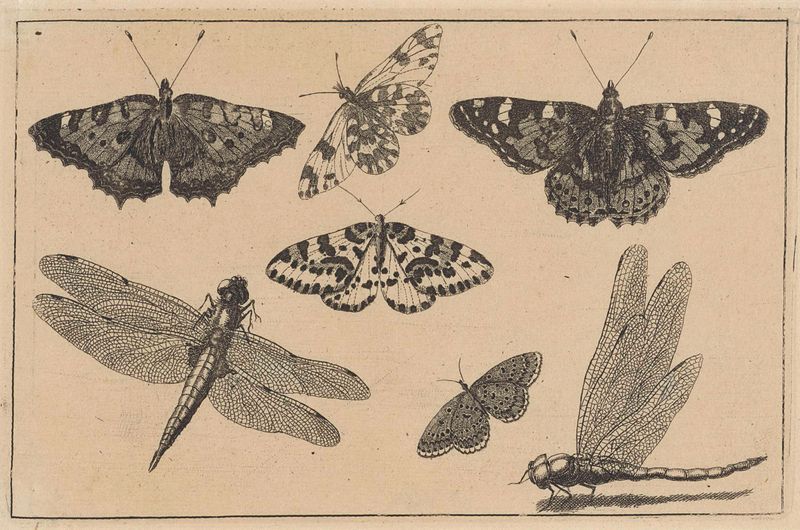
Twee libellen en vijf vlinders
Wenceslaus Hollar
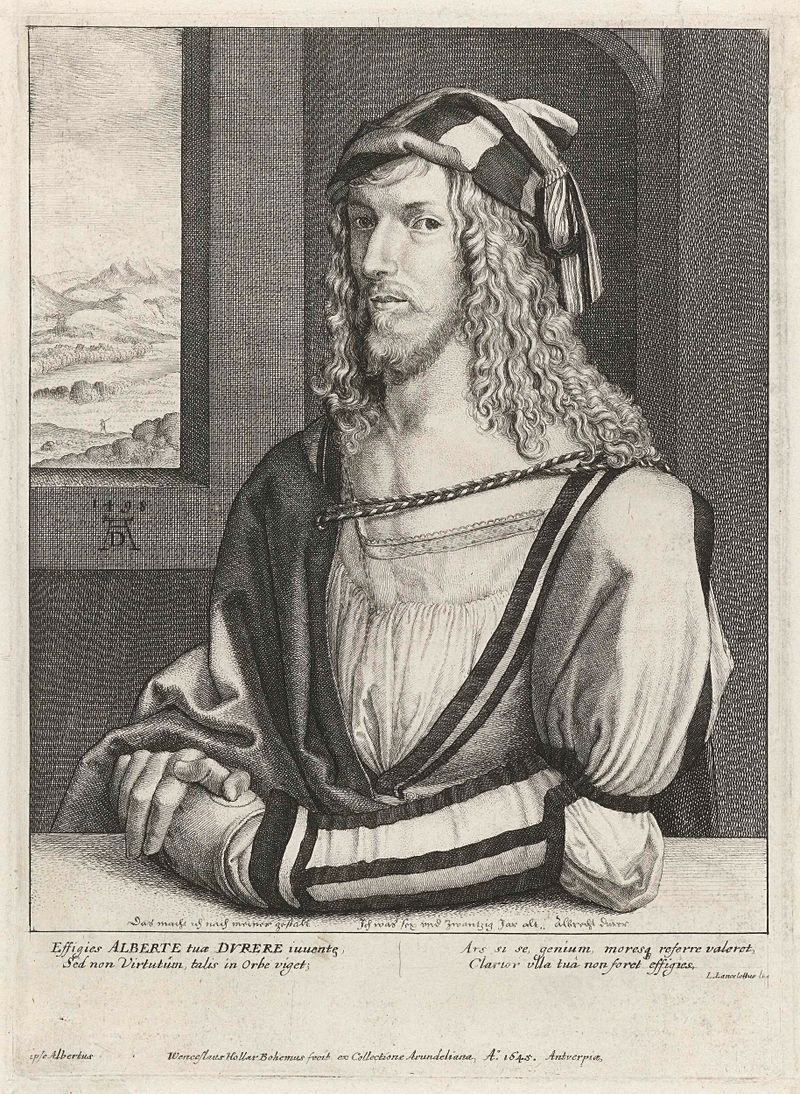
Portret van Albrecht Dürer
Wenceslaus Hollar
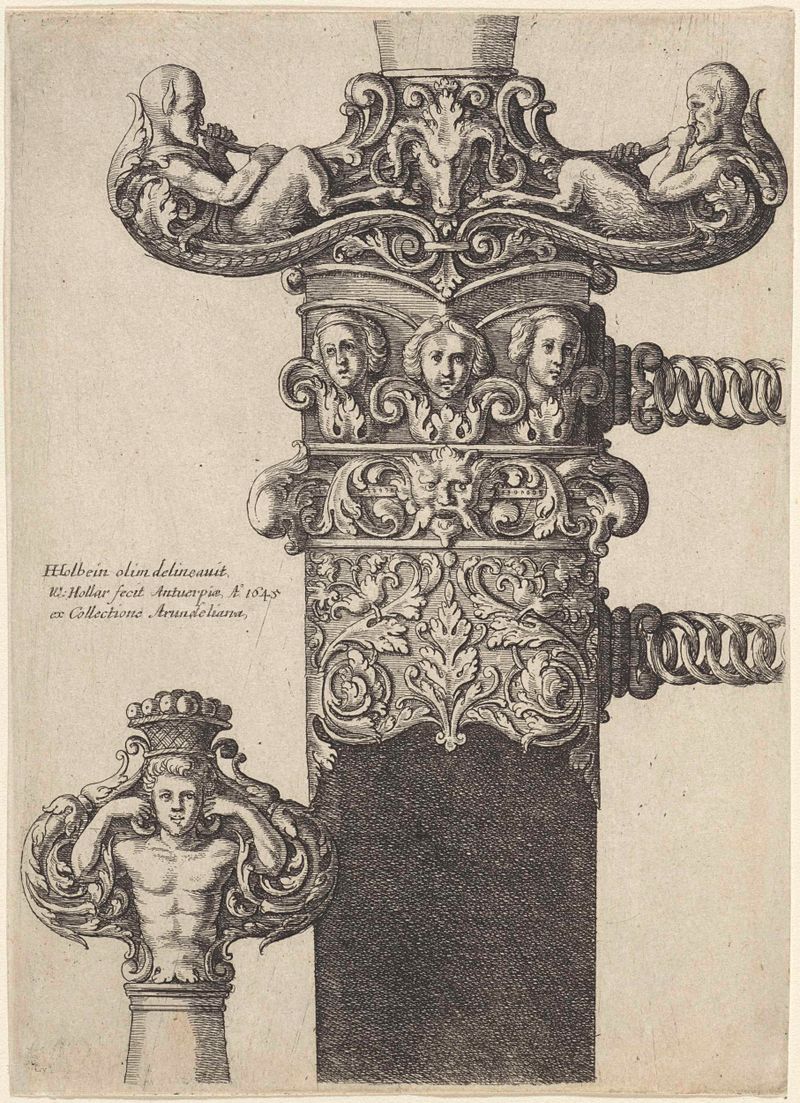
Ornamenteel ontwerp voor een dolk
Wenceslaus Hollar
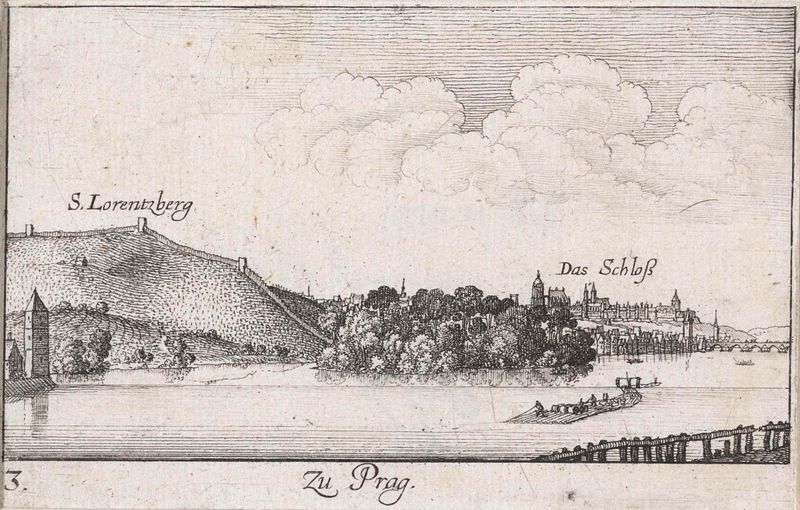
Gezicht op Praag vanaf de Moldau
Wenceslaus Hollar
More Architecture Art
Browse all →
The statue of Liberty
Frédéric Auguste Bartholdi

View of Houses in Delft, Known as ‘The Little Street’
Johannes Vermeer

View of Houses in Delft, Known as ‘The Little Street’
Johannes Vermeer

The Cathedral in Rouen. The portal, Grey Weather
Claude Monet

The yellow house
Vincent van Gogh

The Church in Auvers-sur-Oise, View from the Chevet
Vincent van Gogh