
Keizerin en de Dood — History & Facts
What if silence could speak through light? In Keizerin en de Dood, the ethereal interplay between illumination and shadow invites contemplation on the inexorable passage of time and mortality. Look to the center of the composition, where the empress sits, regal yet introspective. Her somber expression contrasts with the luminous hues that envelop her figure, indicating a realm where life and death coexist. Notice how the delicate folds of her garment catch the light, rendering texture and form with exquisite detail, while the dark background looms, emphasizing her isolation.
The deliberate placement of objects around her creates a narrative, drawing the viewer deeper into this poignant moment. The painting holds a profound tension between opulence and impermanence. The empress's attire, adorned with pearls and rich fabrics, symbolizes earthly wealth, yet her gaze seems to penetrate the veil of existence, hinting at the inevitable decay that time brings. The skeletal figure on the left serves as a reminder of mortality, juxtaposing the vibrancy of life against the stillness of death, inviting reflections on what is transient and what endures. Created in 1538 during Holbein's time in England, this work emerged amidst the complexities of the Tudor court, where power dynamics oscillated with the whims of fate.
The artist, deeply immersed in the intricate world of human emotion and political intrigue, utilized this painting to explore themes of life’s fragility within the context of an era fascinated by both grandeur and the macabre.
More Artworks by Hans Holbein (II)
Browse all →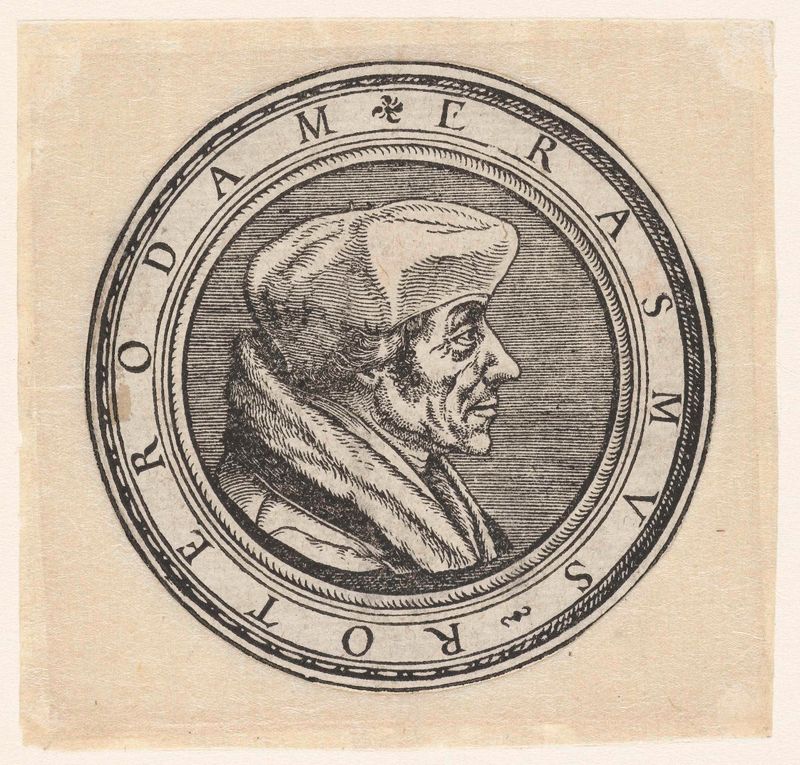
Portret van Erasmus
Hans Holbein (II)
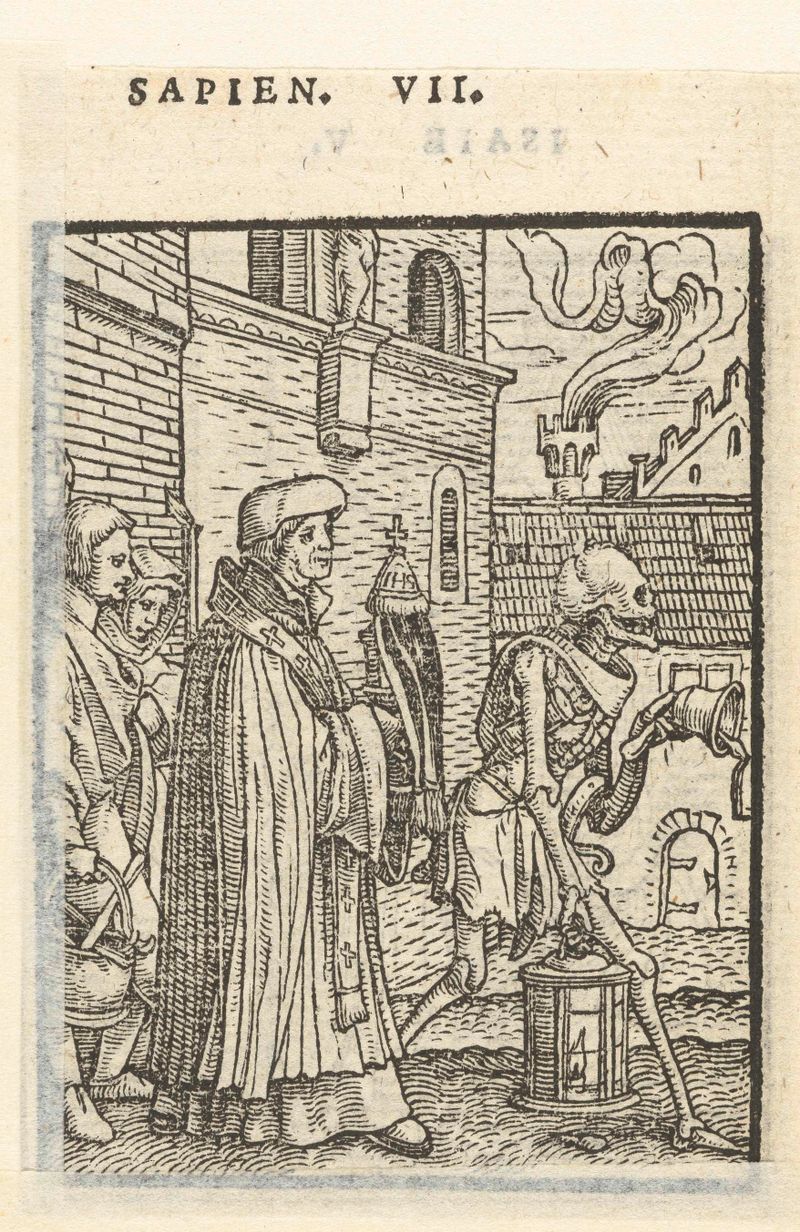
Priester en de Dood
Hans Holbein (II)
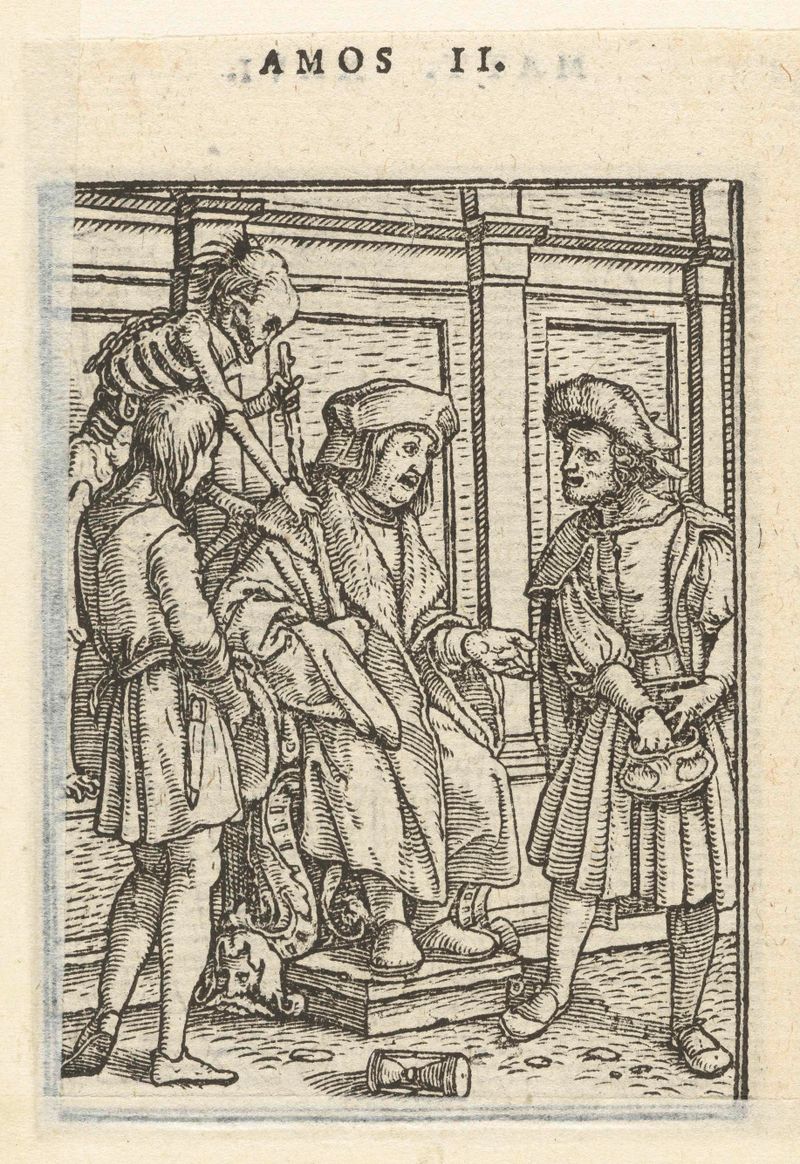
Rechter en de Dood
Hans Holbein (II)
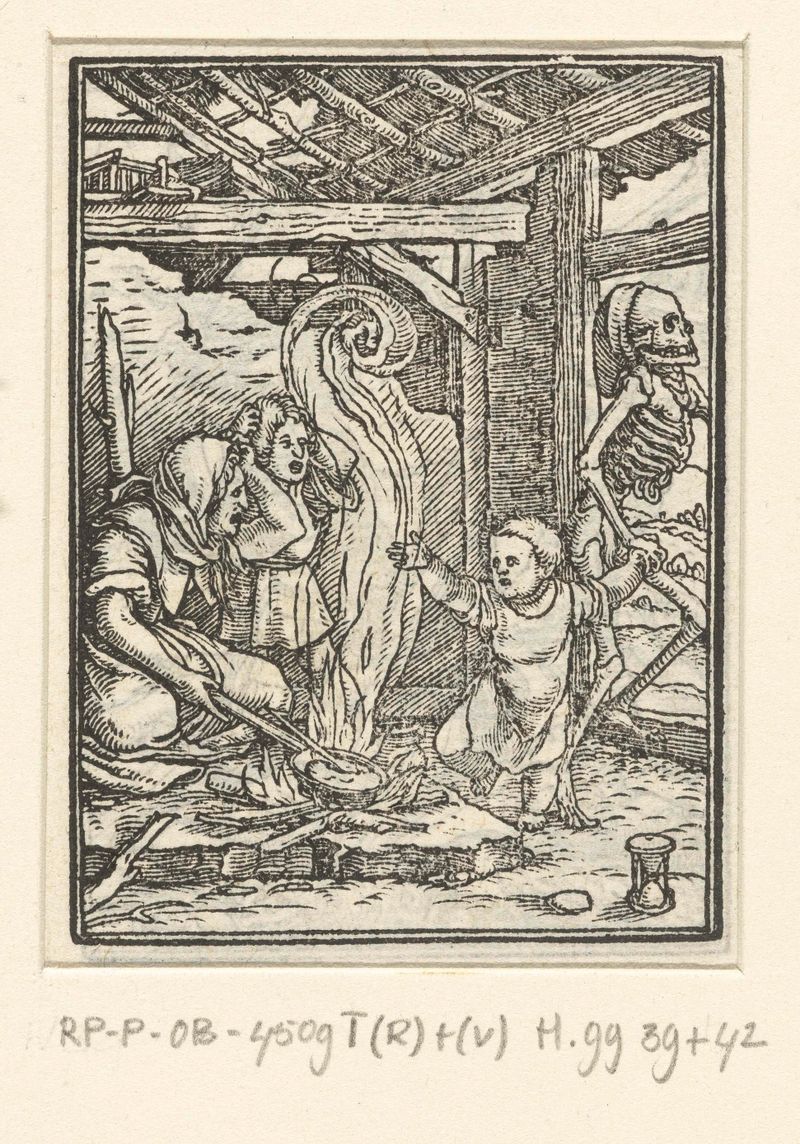
Kind en de Dood
Hans Holbein (II)
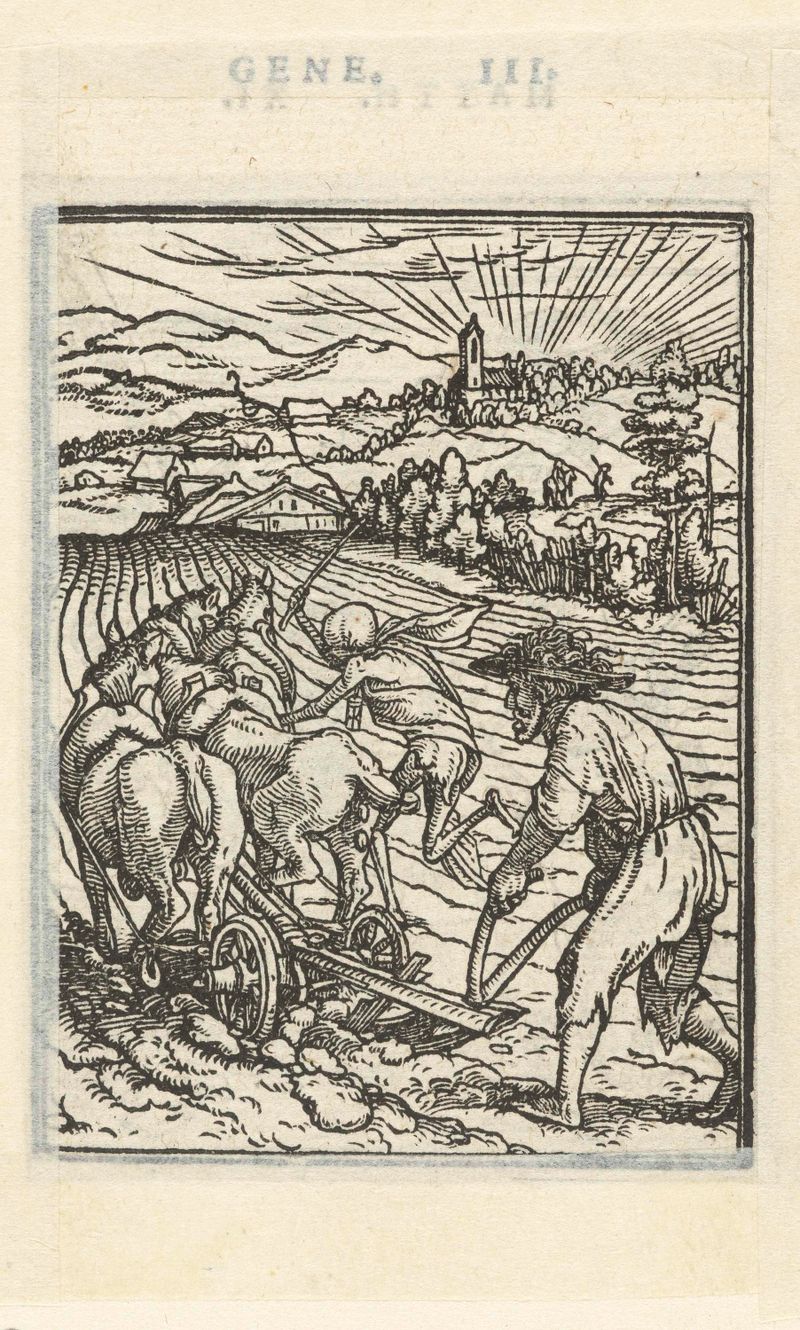
Boer en de Dood
Hans Holbein (II)
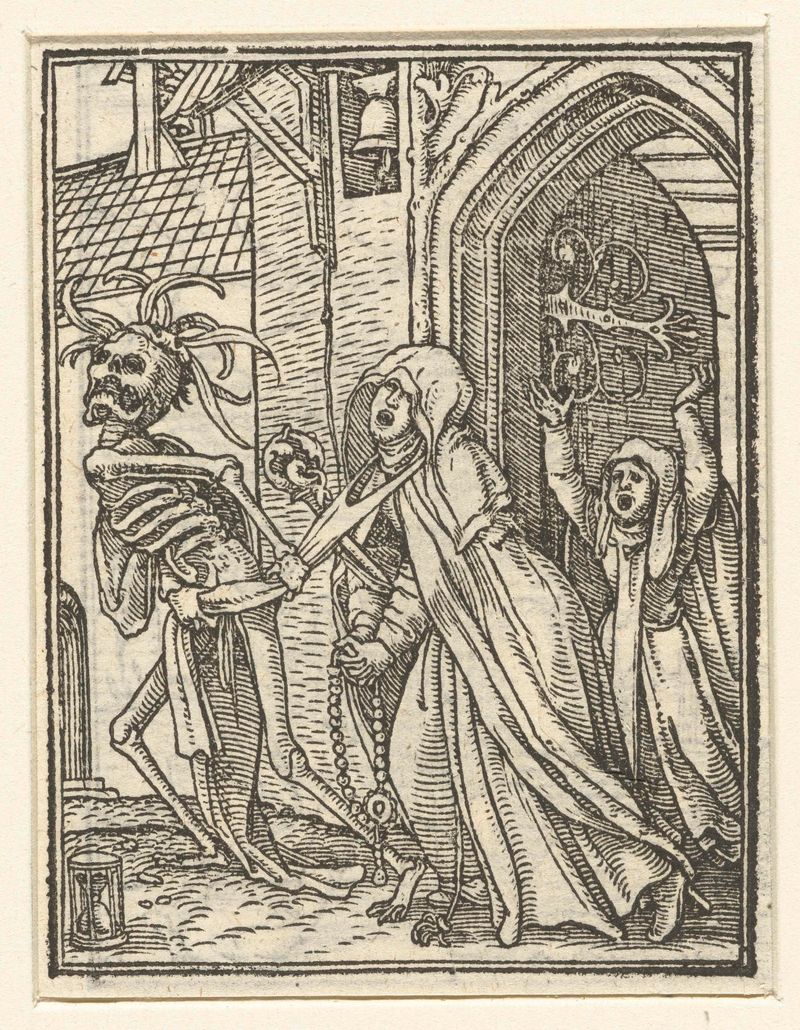
Abdis en de Dood
Hans Holbein (II)
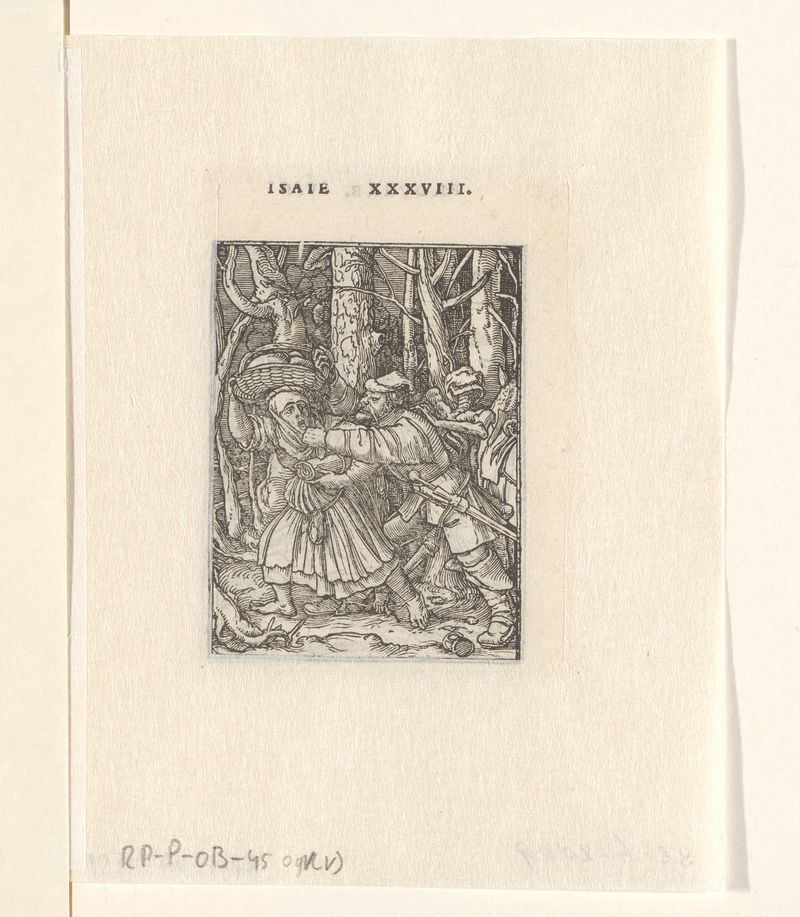
Dief en de Dood
Hans Holbein (II)
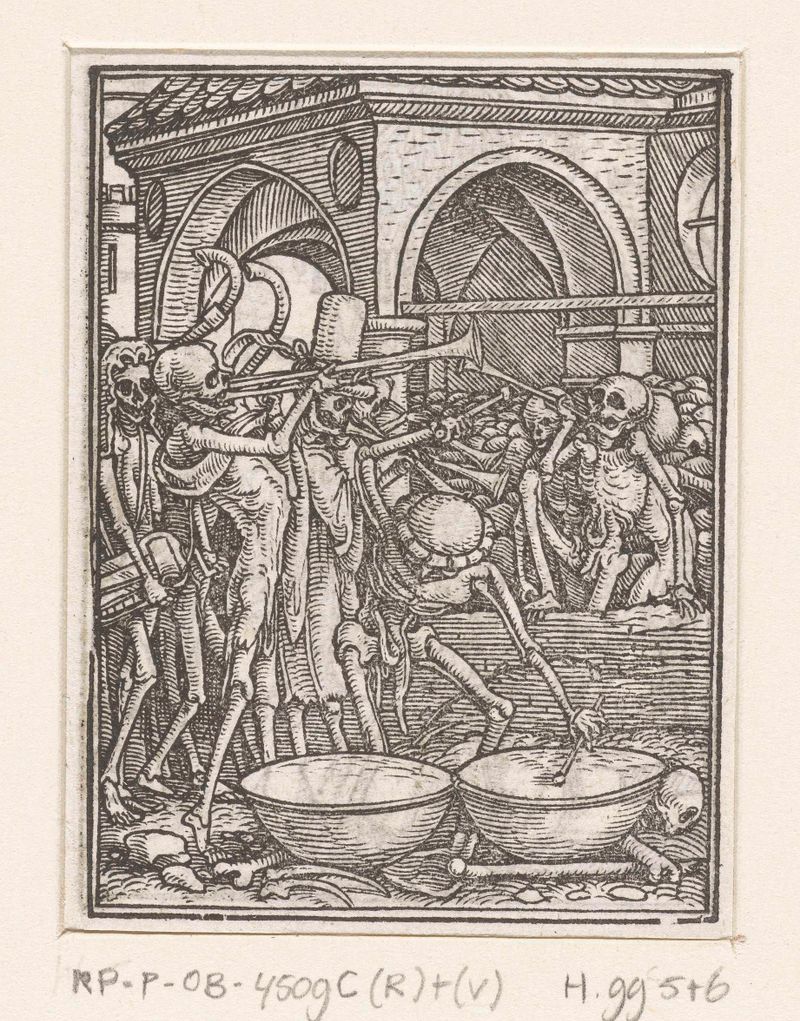
Skeletons Making Music from Dance of the Dead
Hans Holbein (II)
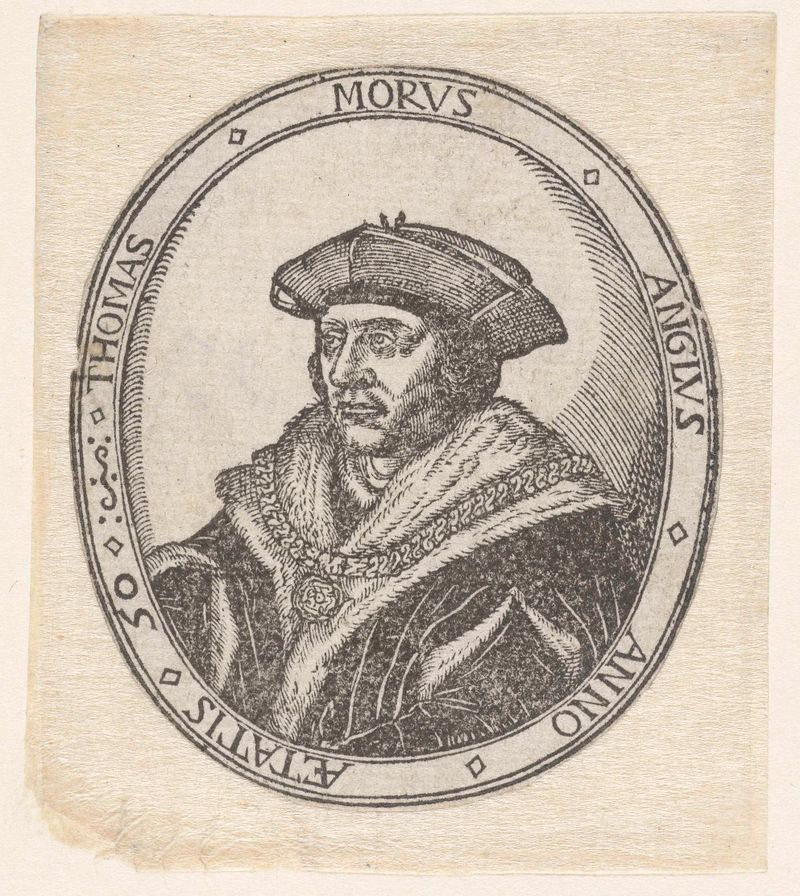
Portret van Thomas More
Hans Holbein (II)
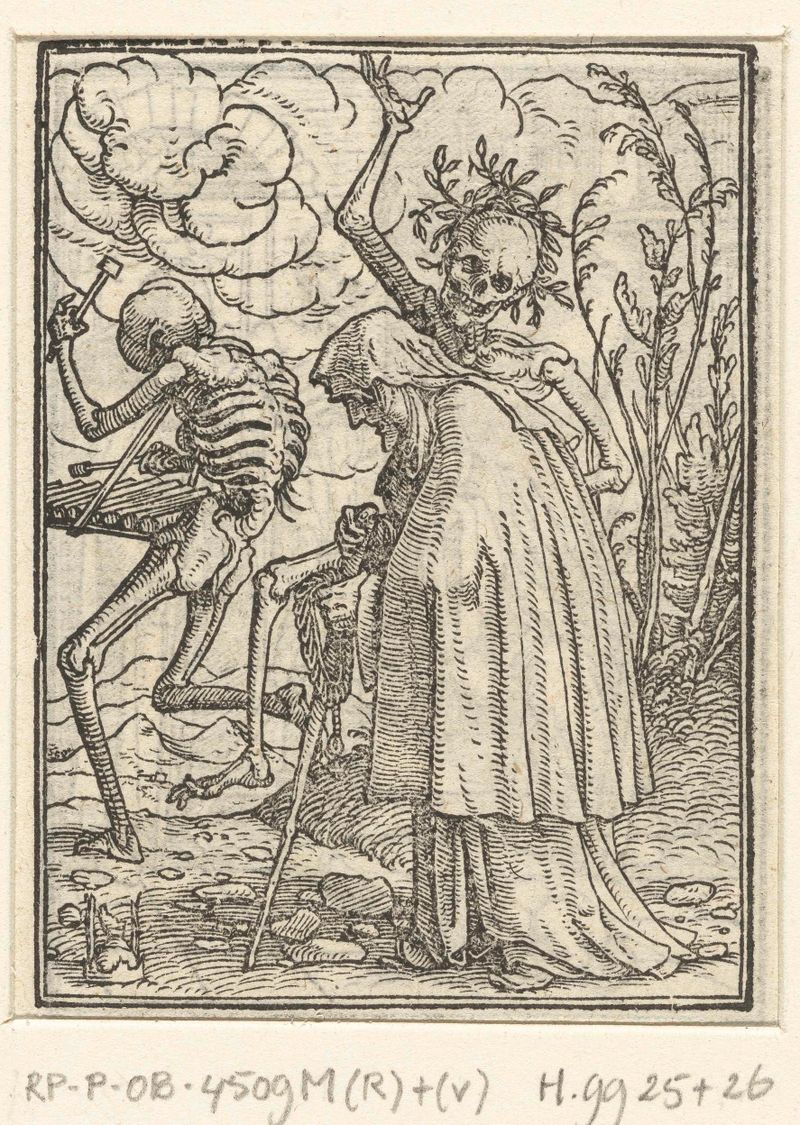
Oude vrouw en de Dood
Hans Holbein (II)
More Portrait Art
Browse all →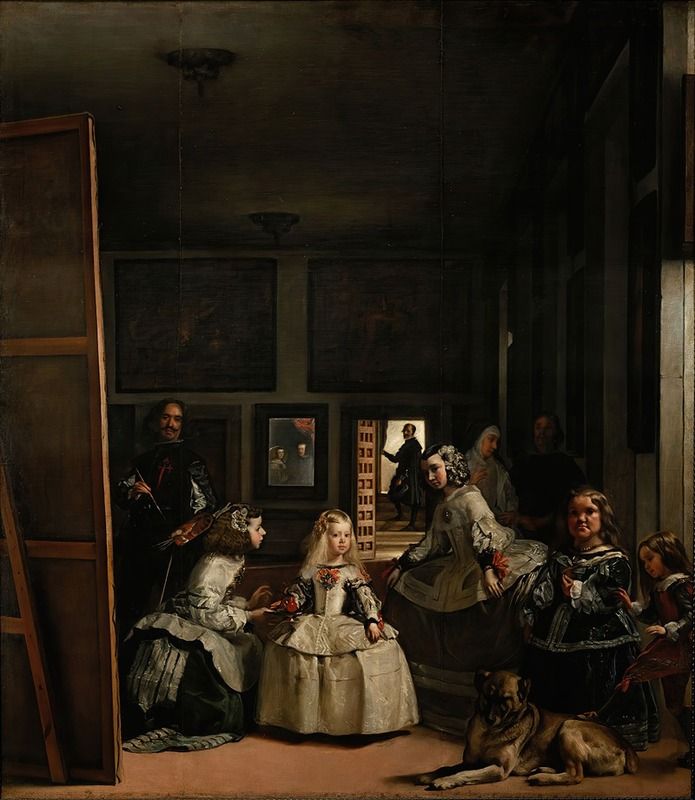
Las meninas
Diego Velázquez
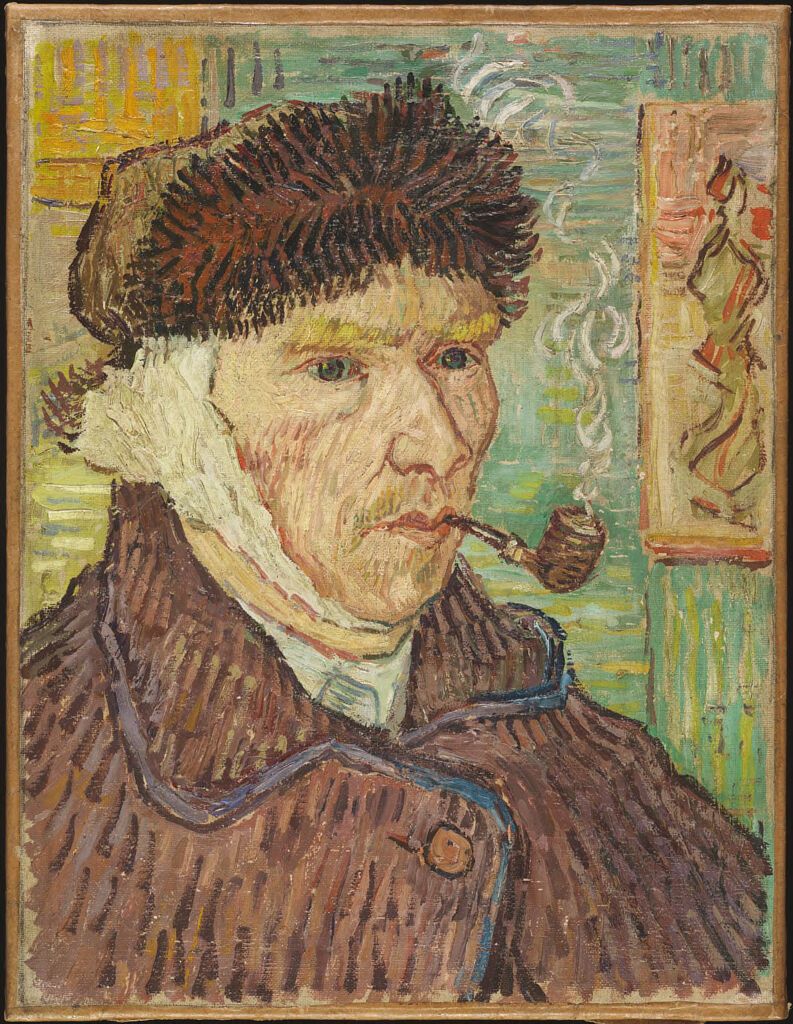
Self-portrait with a Bandaged Ear and Pipe
Unidentified artist
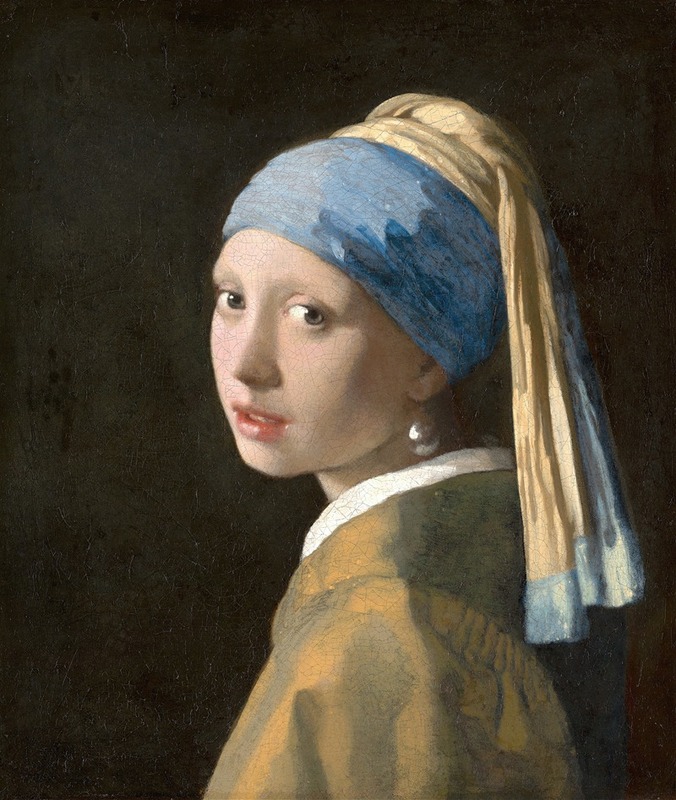
Girl with a Pearl Earring
Johannes Vermeer
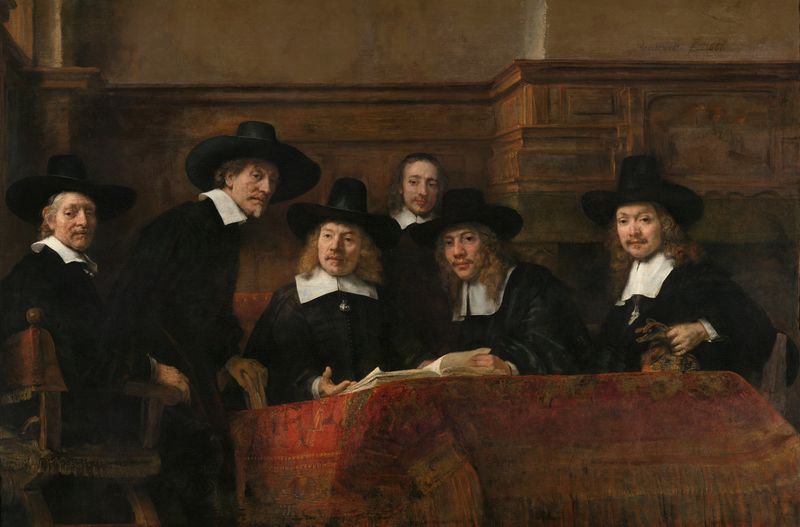
The Sampling Officials of the Amsterdam Drapers’ Guild, Known as ‘The Syndics’
Rembrandt van Rijn
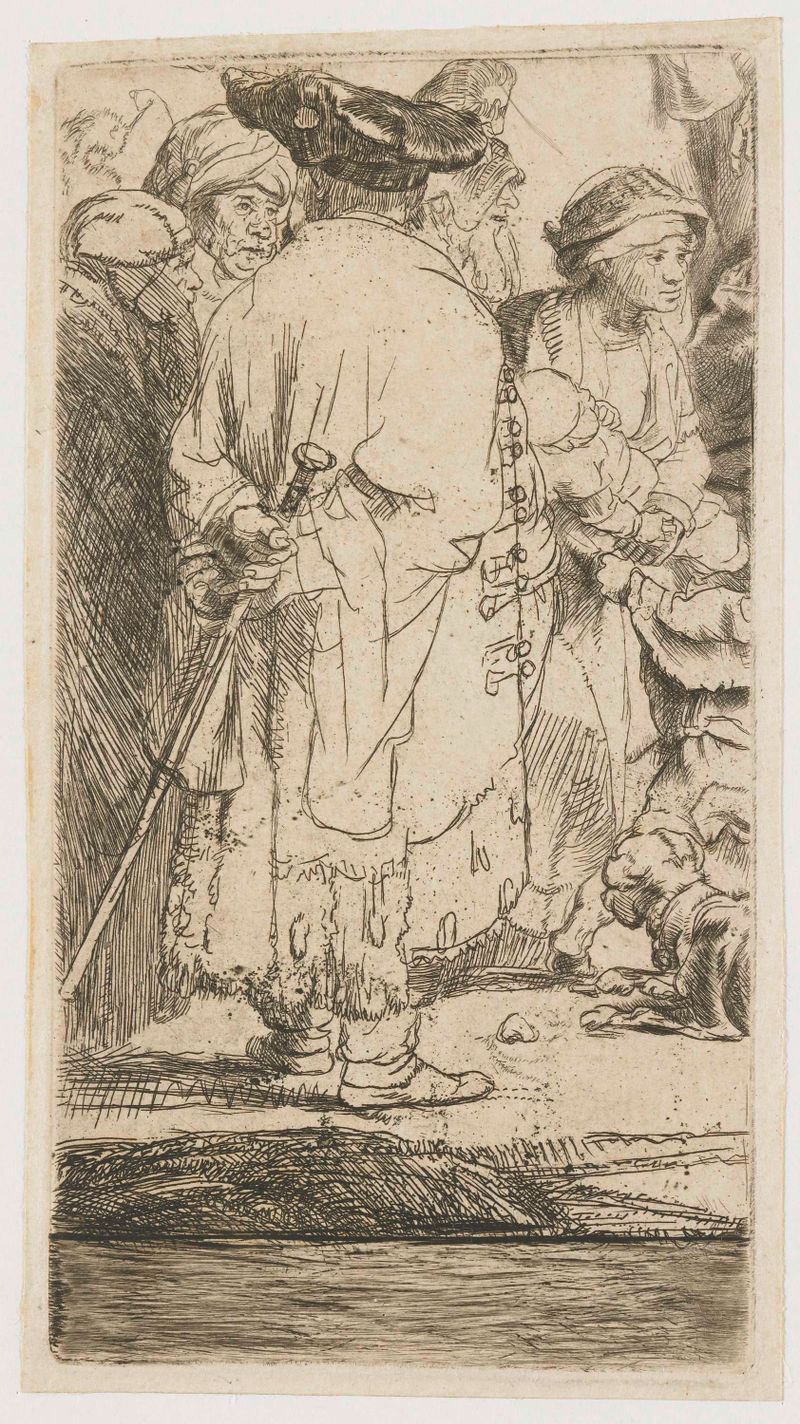
The Hundred Guilder Print: the man seen on the back in the lower left corner
Rembrandt van Rijn

Portrait of Dr Gachet
Vincent van Gogh