
Kensington Gardens, no. 2 — History & Facts
A gentle breeze rustles through the trees, carrying the whispers of a bygone era. A winding path snakes through the lush greenery, where figures meander, absorbed in their own worlds. Sunlight filters through the leaves, dappling the ground with patches of warmth that seem to hold memories of laughter and quiet conversations. Look to the left at the fluid brushstrokes that evoke the swaying branches overhead, their verdant hues both vibrant and soothing.
Notice how the light falls upon the pathway, illuminating the figures who traverse it, offering a sense of movement and purpose. The composition is masterfully balanced; Haden utilizes soft colors and subtle contrasts to create a serene atmosphere, inviting the viewer to walk alongside those in the scene. Beneath the surface of this idyllic park, the contrast between solitude and togetherness emerges. Each figure, although part of the same natural tapestry, is distinct in their engagement with the landscape, suggesting a collective nostalgia for simpler times.
The interplay of light and shadow not only enhances the depth of the scene but also evokes a profound sense of longing for fleeting moments of connection. In 1860, Kensington Gardens, no. 2 was painted during a significant period in Francis Seymour Haden's career as an etcher and printmaker. Living in London, he was part of the burgeoning art scene that embraced Impressionism’s focus on capturing light and everyday life.
This work reflects not only his artistic evolution but also the growing desire for spaces of solace amidst a rapidly industrializing world.
More Artworks by Francis Seymour Haden
Browse all →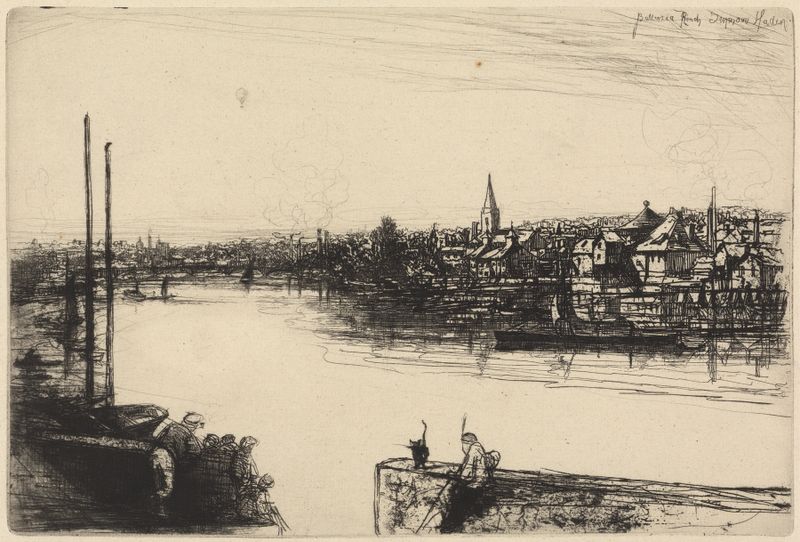
Battersea Reach
Francis Seymour Haden

Nine Barrow Down
Francis Seymour Haden
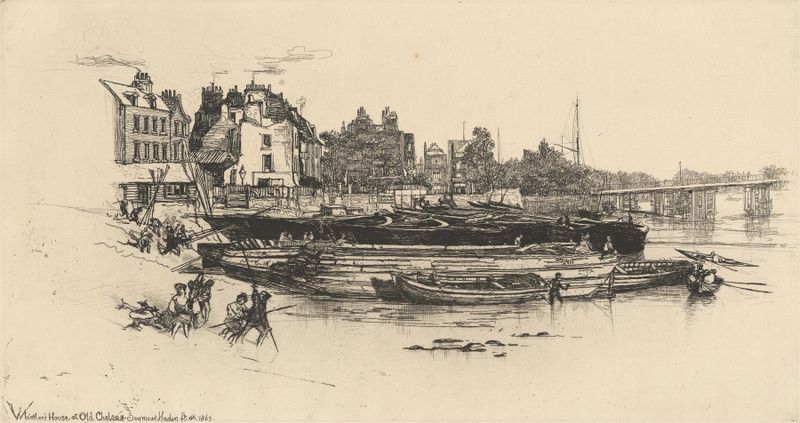
Whistler’s House at Old Chelsea
Francis Seymour Haden

The Mill-Wheel
Francis Seymour Haden
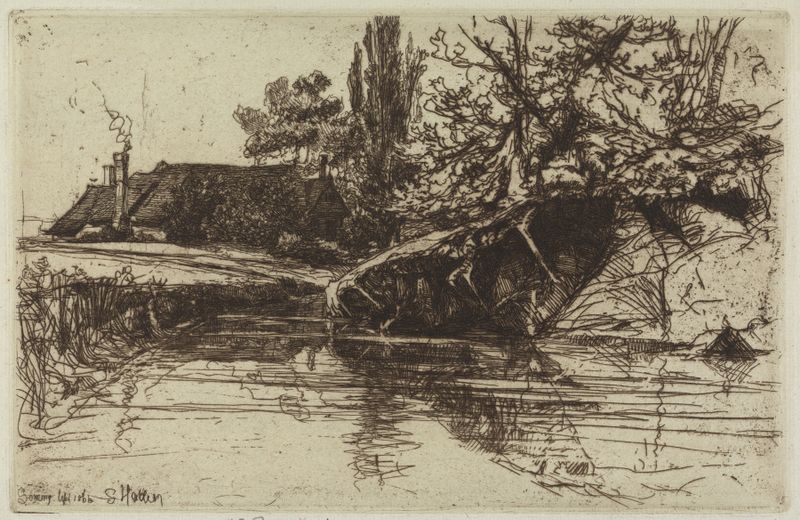
The Moat House
Francis Seymour Haden

By Twickenham
Francis Seymour Haden

Newcastle Emlyn
Francis Seymour Haden
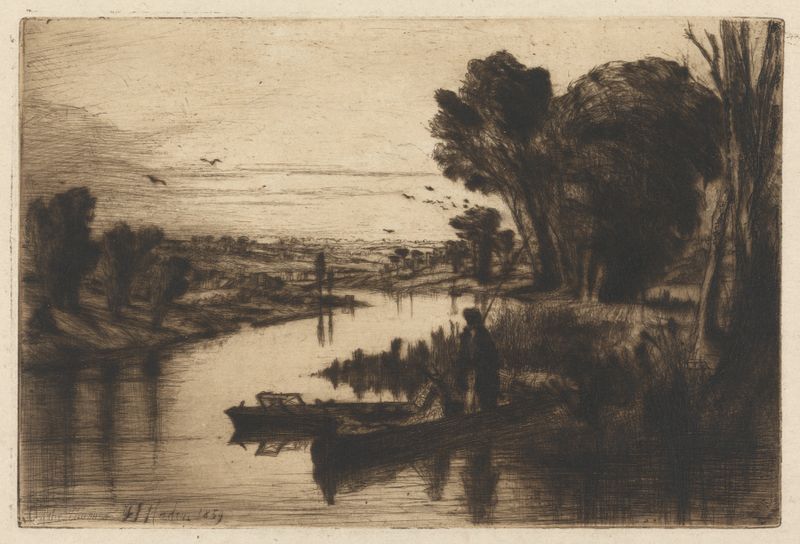
On the Thames
Francis Seymour Haden

Kidwelly Castle
Francis Seymour Haden
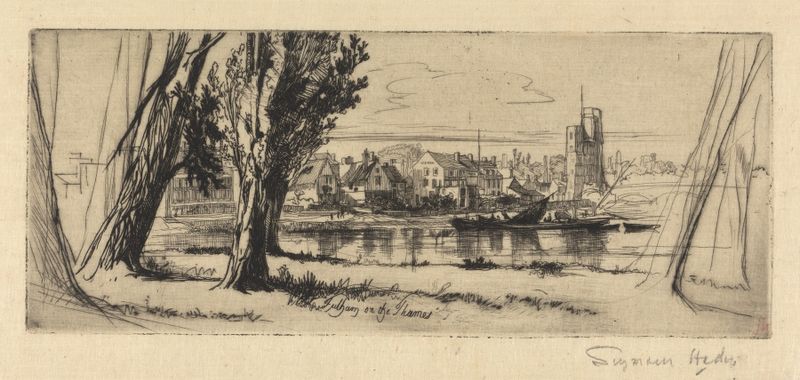
Fulham on the Thames
Francis Seymour Haden





