
Kew Gardens- The Pagoda and Bridge — History & Facts
In the soft embrace of a late afternoon, sunlight dances across the serene landscape of Kew Gardens, illuminating the elegant pagoda. A gentle breeze rustles the leaves, creating a harmony of nature and architecture. A lone figure stands by the bridge, gazing contemplatively at the reflection of the pagoda shimmering in the water below, embodying a moment where time seems to pause. Look to the left, where the vibrant greens of the foliage burst forth, contrasting beautifully with the delicate pastel hues of the pagoda.
The artist employs a deft brush technique, layering colors to create depth and luminosity, as if inviting the viewer to step into this tranquil scene. Notice how the bridge arches gracefully over the water, leading the eye towards the pagoda, reinforcing a sense of harmony between the elements of nature and man-made beauty. Between the idyllic serenity and the structured elegance lies an emotional tension. The juxtaposition of the bridge's sturdy design against the ethereal quality of the reflection evokes a sense of balance between solidity and transience.
The figure, rendered small against the grandeur of the scene, signifies humanity's quest for connection with nature, suggesting an introspective journey that resonates deeply within the viewer. Richard Wilson painted this masterpiece in 1762, during a time when the English landscape was evolving in artistic representation. Living in London, he was influenced by the picturesque movement, which emphasized beauty in landscape, and sought to elevate nature’s depiction in art. This period marked a shift in how landscape was not only viewed but celebrated, mirroring the growing appreciation for the natural world in Enlightenment thought.
More Artworks by Richard Wilson
Browse all →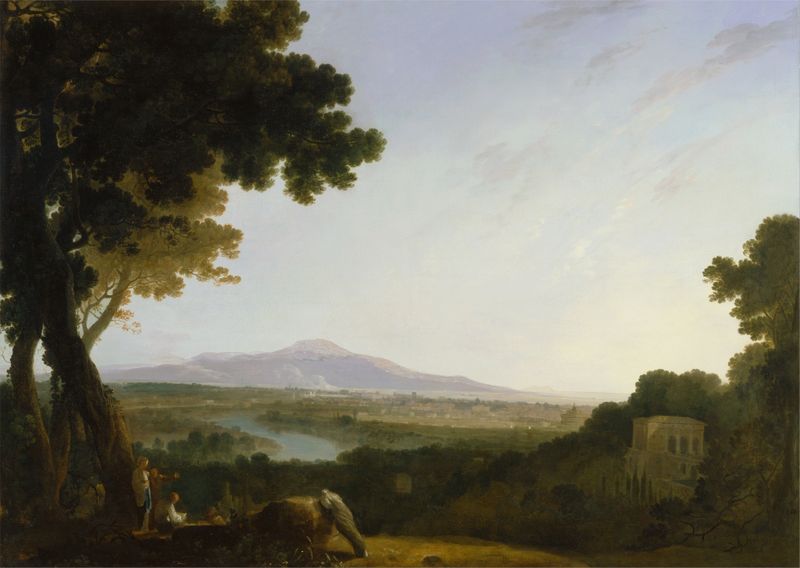
Rome from the Villa Madama
Richard Wilson
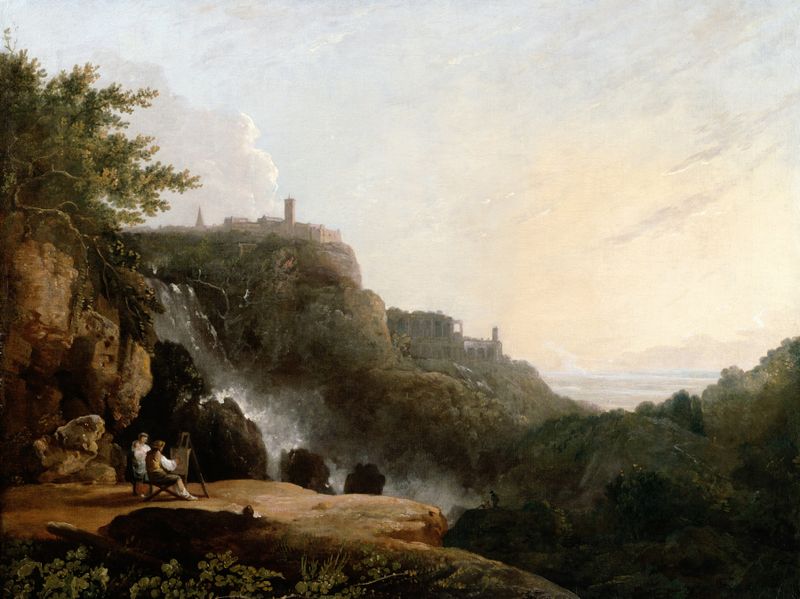
View of Tivoli- the Cascatelle and the ‘Villa of Maecenas’
Richard Wilson
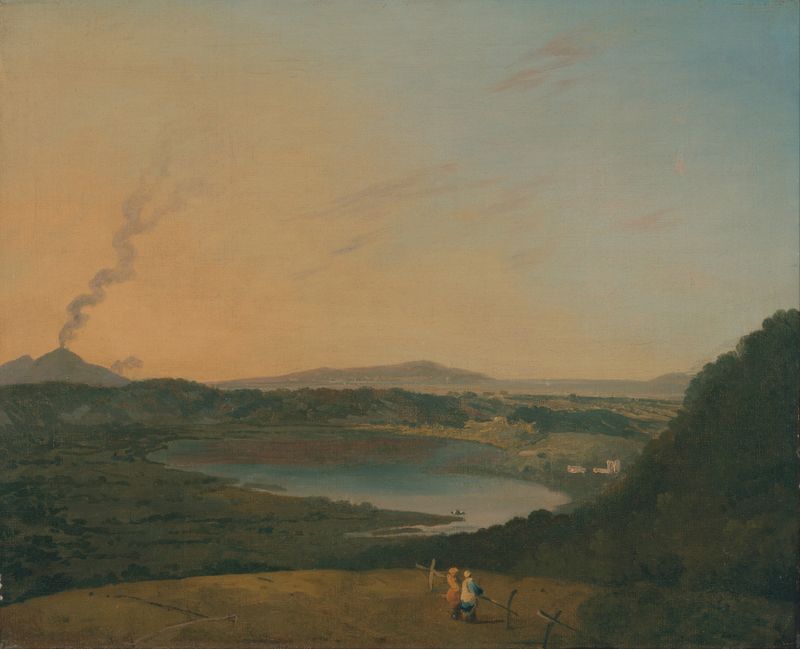
Lago d’Agnano with Vesuvius in the distance
Richard Wilson
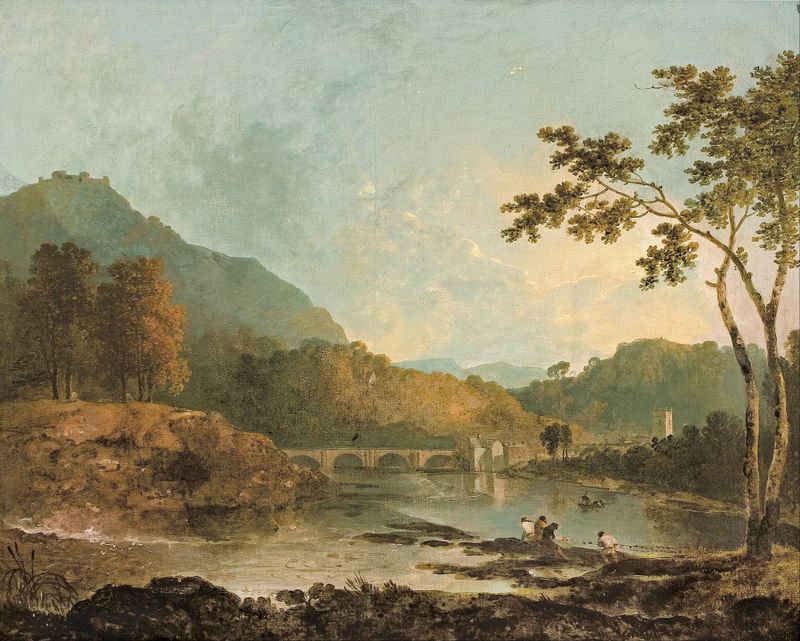
Dinas Bran from Llangollen
Richard Wilson
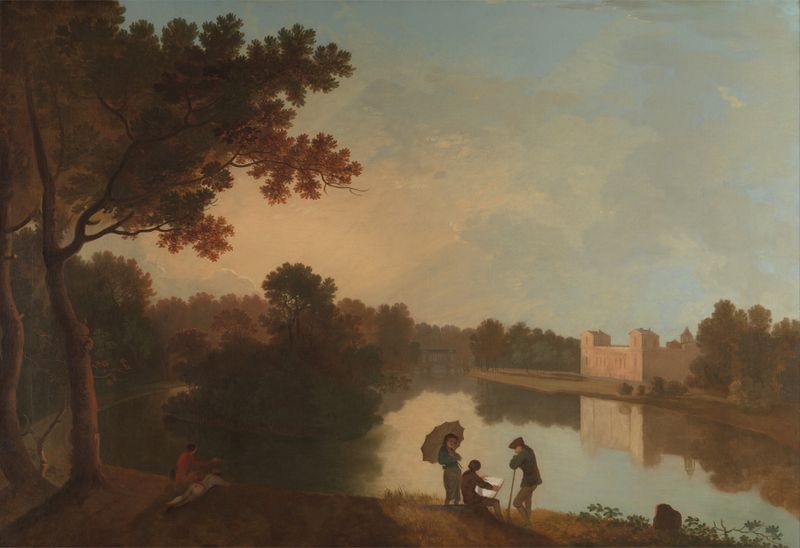
Wilton House from the Southeast
Richard Wilson
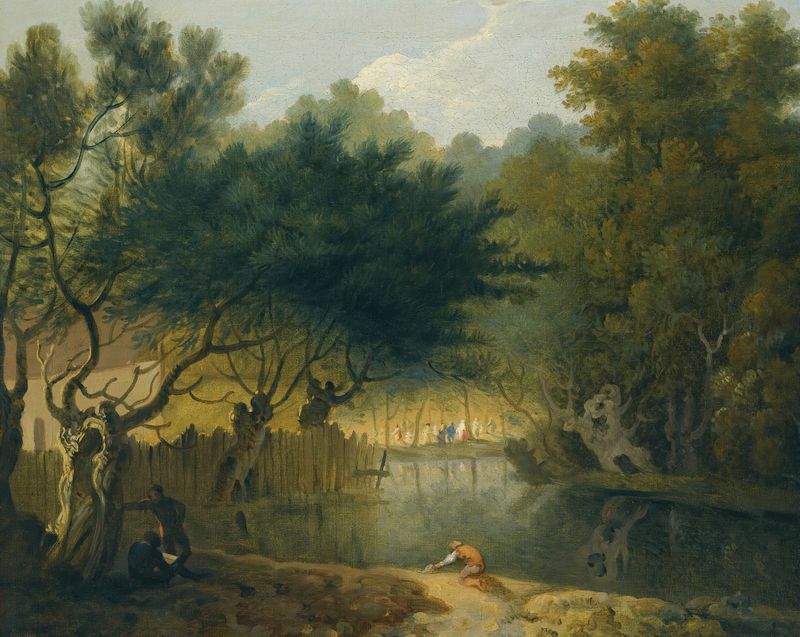
A View Of St. James’s Park, London
Richard Wilson
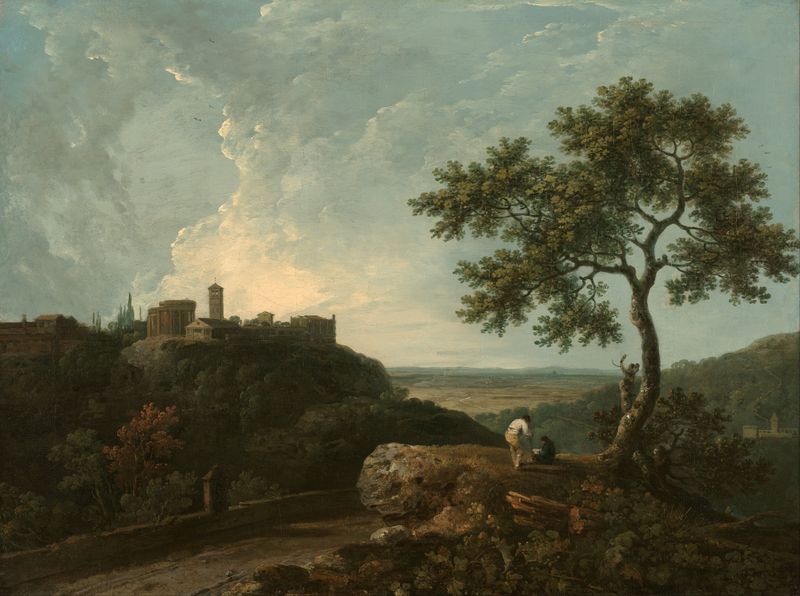
Tivoli- The Temple of the Sybil and the Campagna
Richard Wilson
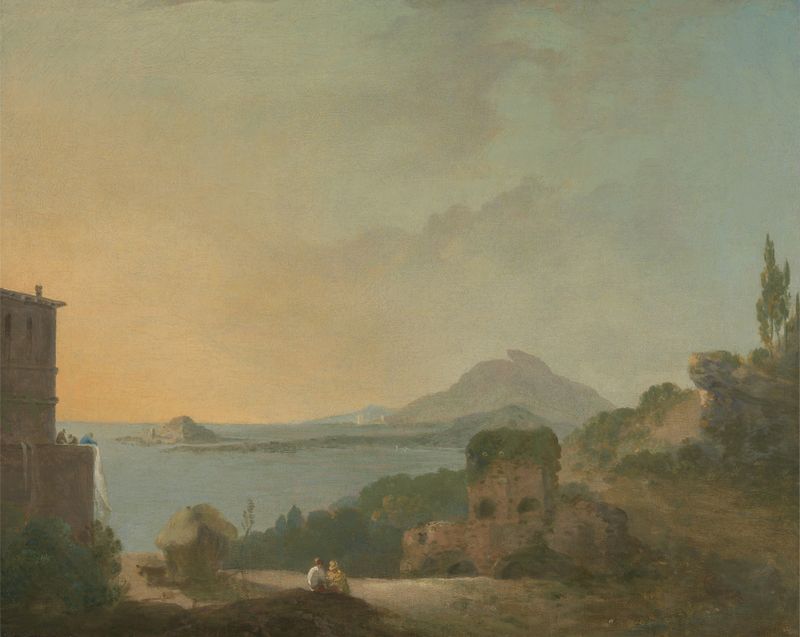
Cicero’s Villa and the Gulf of Pozzuoli
Richard Wilson
Italian Landscape (Morning)
Richard Wilson
View near Wynnstay, the Seat of Sir Watkin Williams-Wynn, BT.
Richard Wilson





