
Kiev — History & Facts
When did color learn to lie? The vibrant hues that dance across the canvas beckon a truth both radiant and deceptive, drawing us into a world where shadows hold secrets. Look to the left at the deep azure sky, punctuated by soft wisps of white clouds that hover above a bustling city. The viewer’s gaze is then led downwards to the warm ochres and rich browns of the rooftops, where a tapestry of life unfolds. The interplay of light and shadow lends a dynamic quality to the scene, creating pockets of warmth juxtaposed against cooler tones, as if the city itself breathes in the sunlight, exhaling mysteries into the shadows. Delve deeper into the foreground, where the figures—mere silhouettes against the bright backdrop—seem to dance on the edge of perception.
Their indistinct forms are laden with stories, inviting the viewer to ponder who they are and what they seek. The contrast between the lively architecture and the subdued shadows evokes a tension between joy and melancholy, suggesting that behind every cheerful facade, there lies an unspoken narrative hidden in darkness. In this untitled work, created in an undisclosed period, Stanisławski was immersed in the vibrant art scene of early 20th-century Poland. As an important figure in the "Munich School," he sought to capture the essence of his homeland through a lens of emotional resonance.
The world was buzzing with artistic exploration, and the artist's own life was marked by a desire to intertwine color with the intricate dance between light and shadow, forever shaping the way we perceive our surroundings.
More Artworks by Jan Stanisławski
Browse all →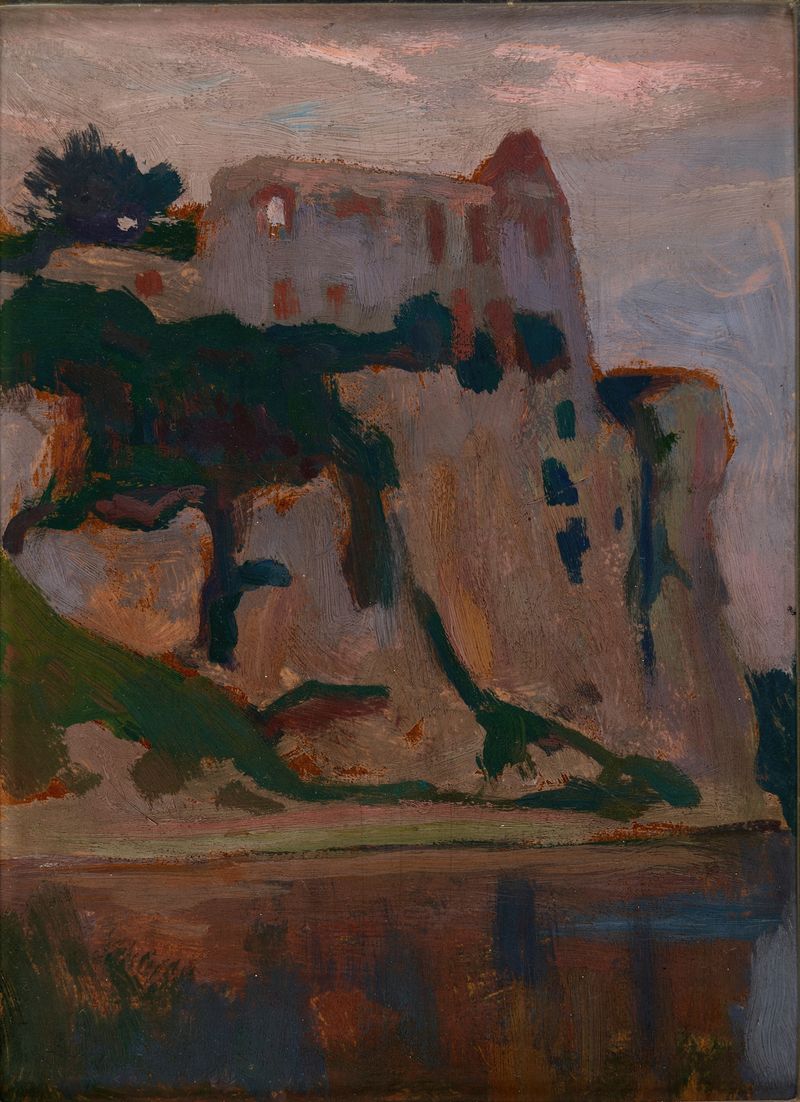
Tyniec at Dawn
Jan Stanisławski
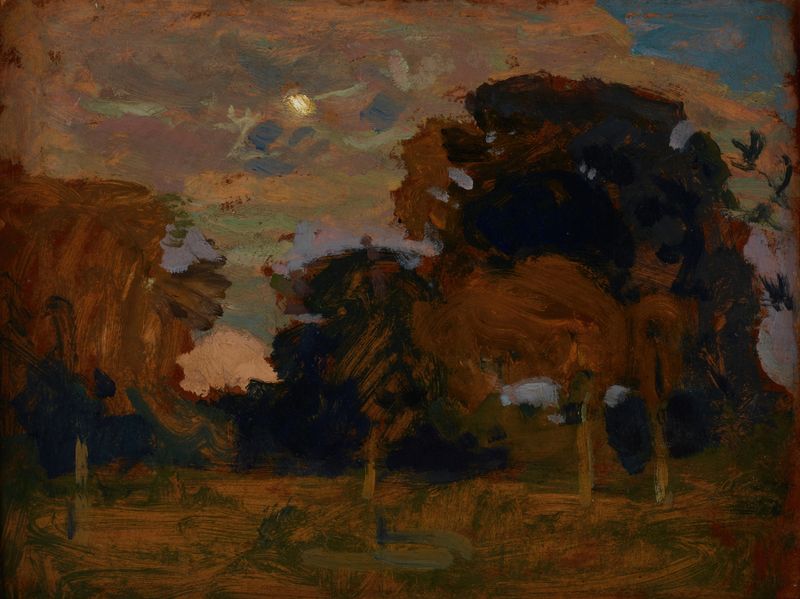
Moon in the Clouds
Jan Stanisławski
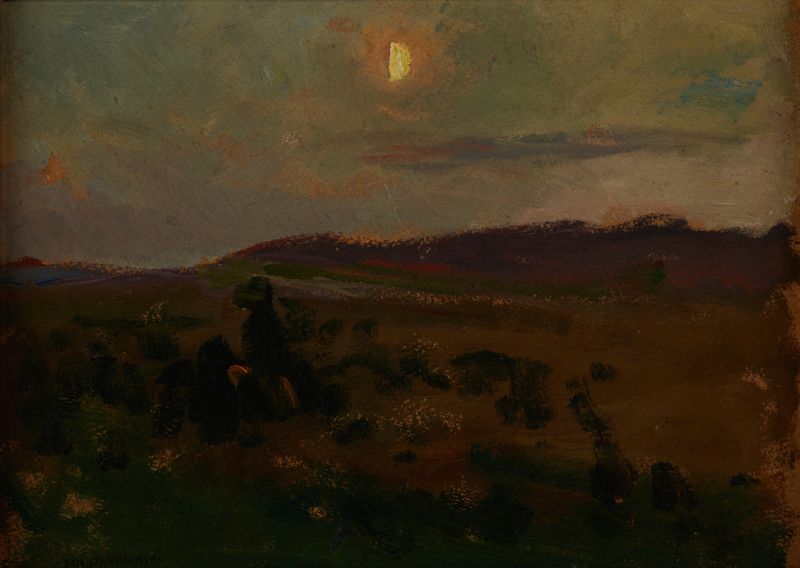
Moonrise
Jan Stanisławski
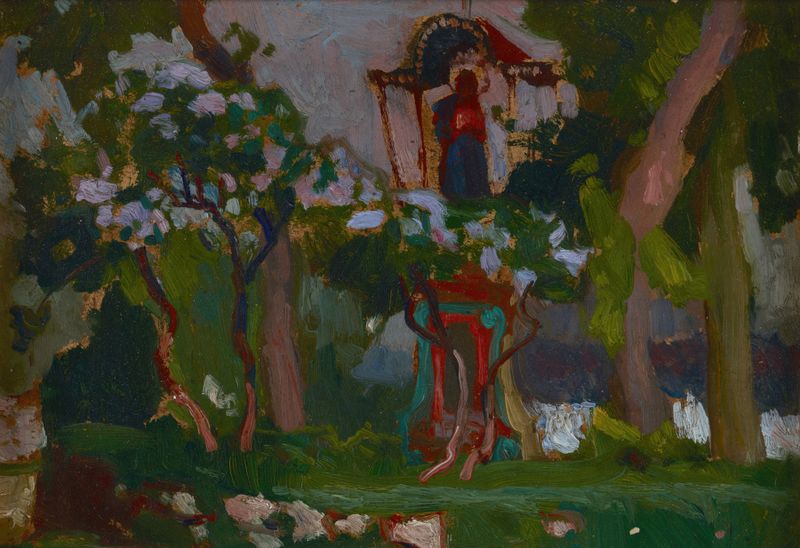
May
Jan Stanisławski
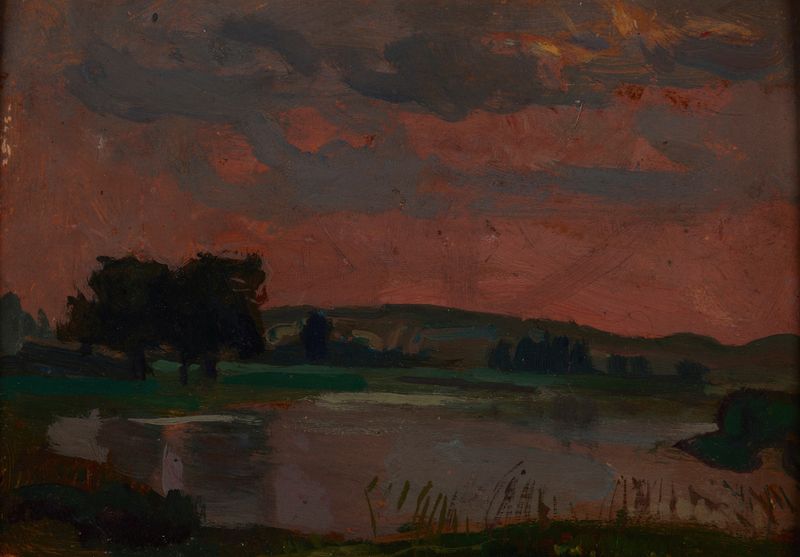
The Vistula in the Twilight
Jan Stanisławski
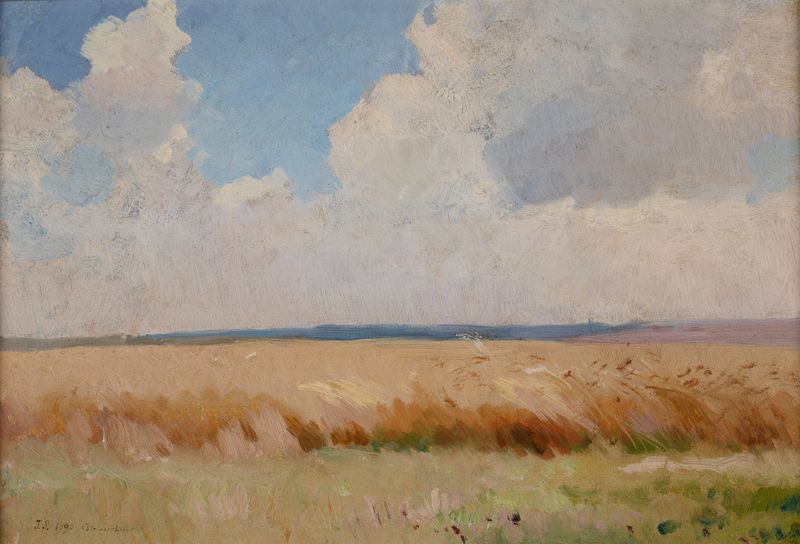
Field at Białocerkiew (Bila Tserkva)
Jan Stanisławski
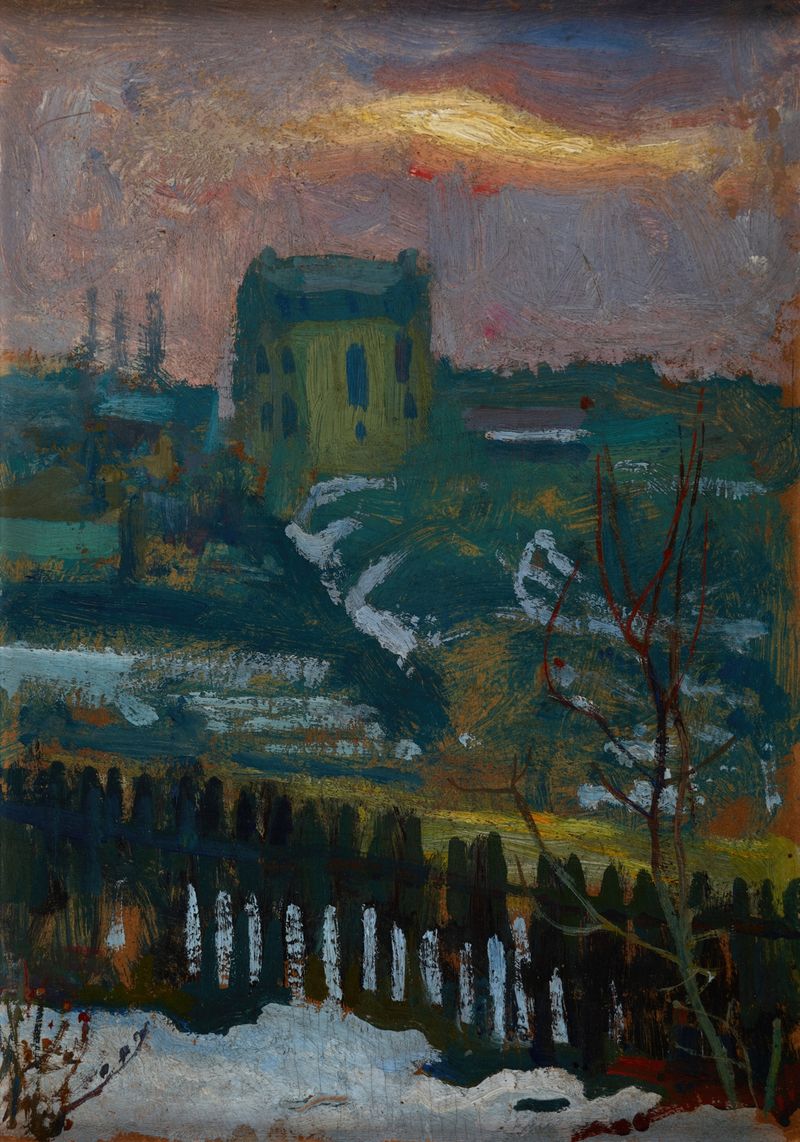
House in Winter
Jan Stanisławski
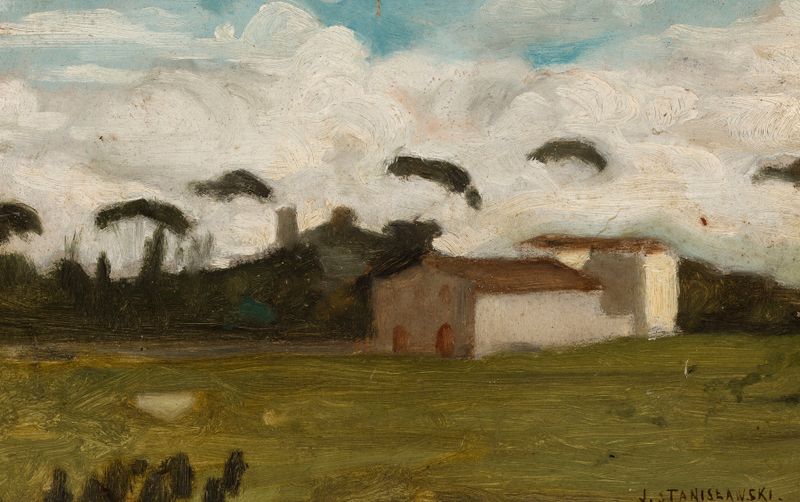
Landscape
Jan Stanisławski
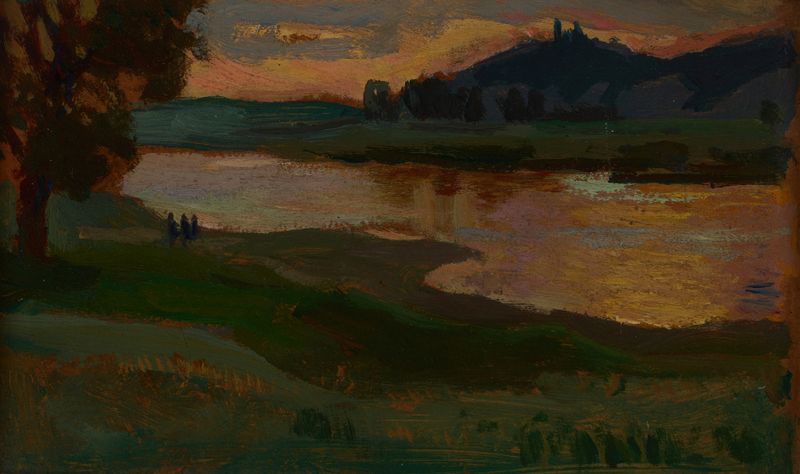
Bielany at Dusk
Jan Stanisławski
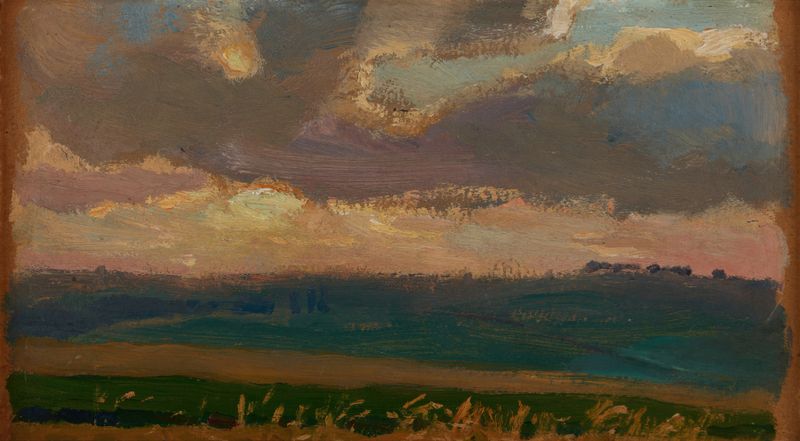
Fields at Proszowice
Jan Stanisławski





