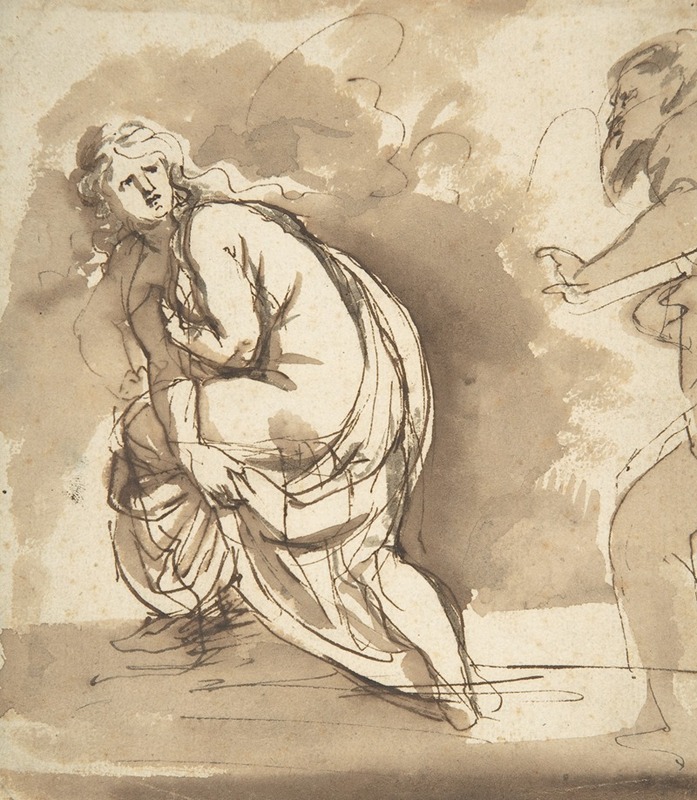
Discover insights about this artwork
King Midas Turns An Oak Branch To gold — History & Facts
In King Midas Turns An Oak Branch To Gold, Nicolas Poussin presents a vibrant scene filled with rich colors. The painting features King Midas, who is depicted in a moment of transformation, surrounded by lush greenery. The oak branch he holds is in the process of turning to gold, symbolizing his infamous greed.
The background is filled with a serene landscape that contrasts with the dramatic event taking place in the foreground. The painting is executed in oil on canvas, a common medium for Poussin's works. The dimensions are approximately 100 x 130 cm, allowing for a detailed depiction of the figures and setting. Poussin's use of light and shadow enhances the three-dimensionality of the scene, drawing the viewer's eye to the central action.
The careful arrangement of figures reflects the artist's interest in classical composition. Nicolas Poussin was a leading figure in the Baroque movement, known for his adherence to classical themes and forms. This work, created in the 1620s, illustrates the myth of King Midas, a tale that serves as a cautionary reminder of the dangers of greed. Interestingly, Poussin often drew inspiration from ancient Roman art, which is evident in the painting's composition and style.
The piece is housed in the Museo del Prado, where it continues to attract attention for its narrative and technical skill.
More Artworks by Nicolas Poussin
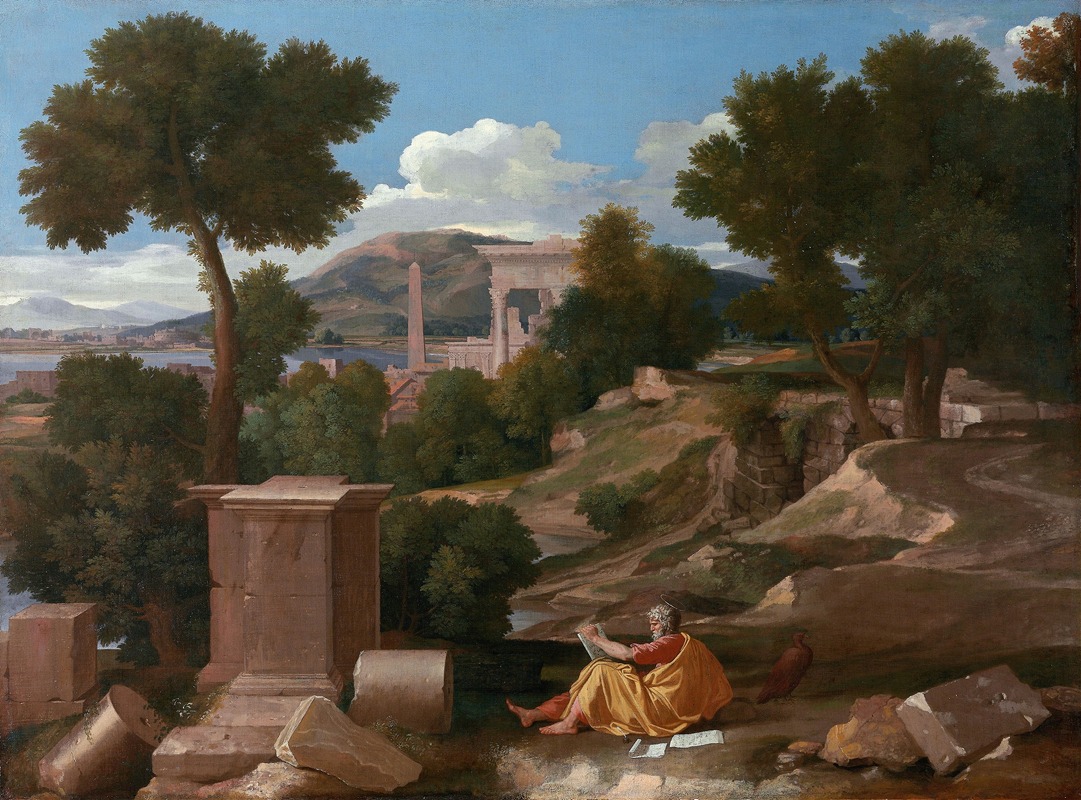
Landscape with Saint John on Patmos
Nicolas Poussin
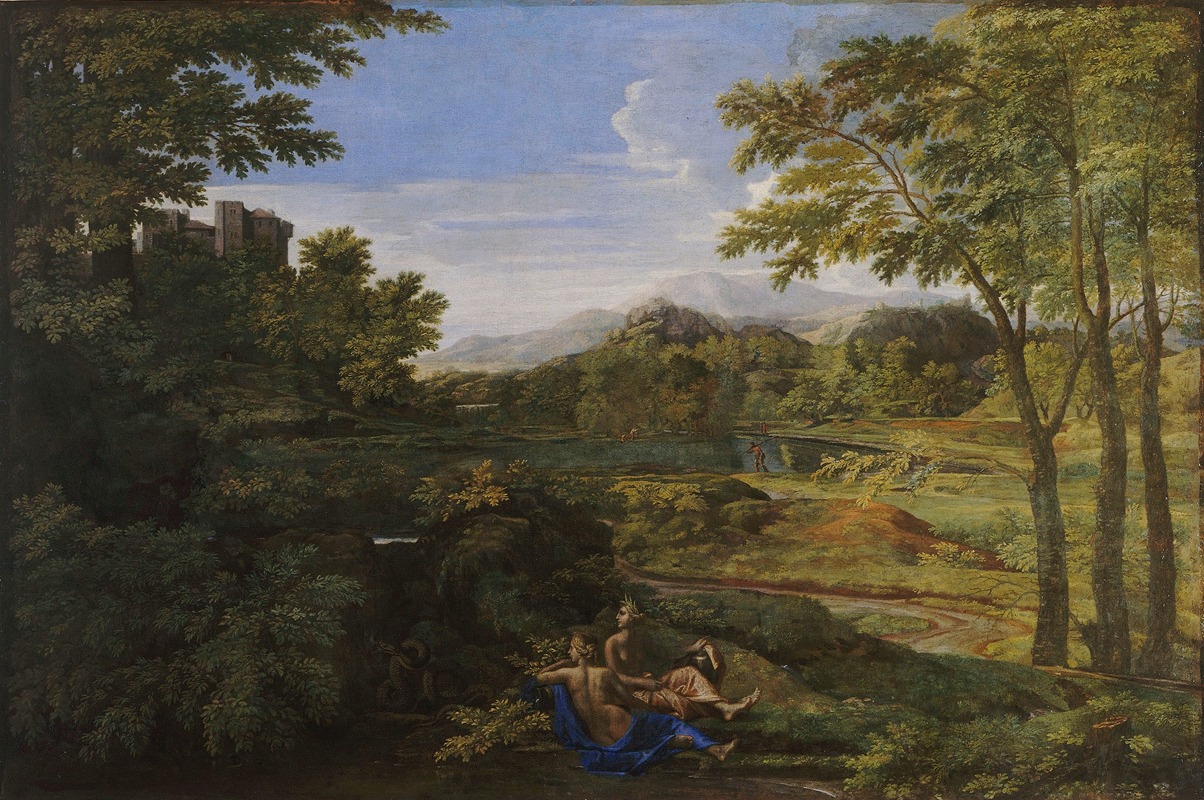
Paysage avec deux nymphes et un serpent
Nicolas Poussin
Paysage avec deux nymphes et un serpent
Nicolas Poussin
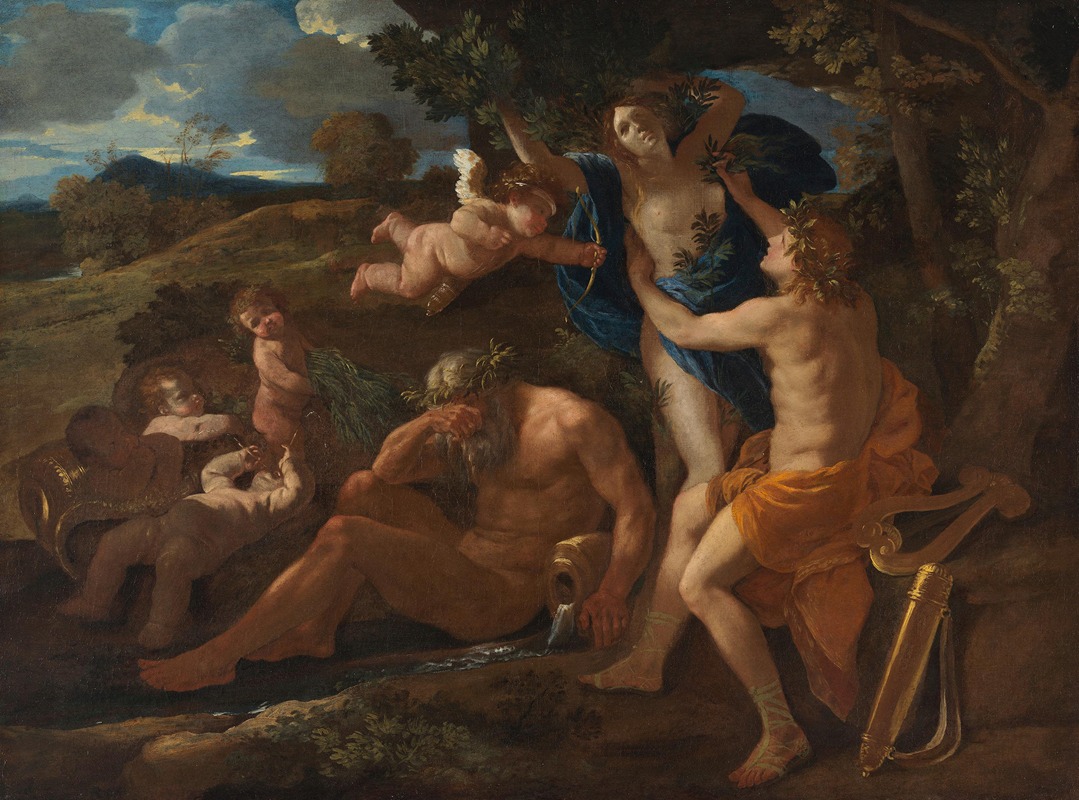
Apollo and Daphne
Nicolas Poussin
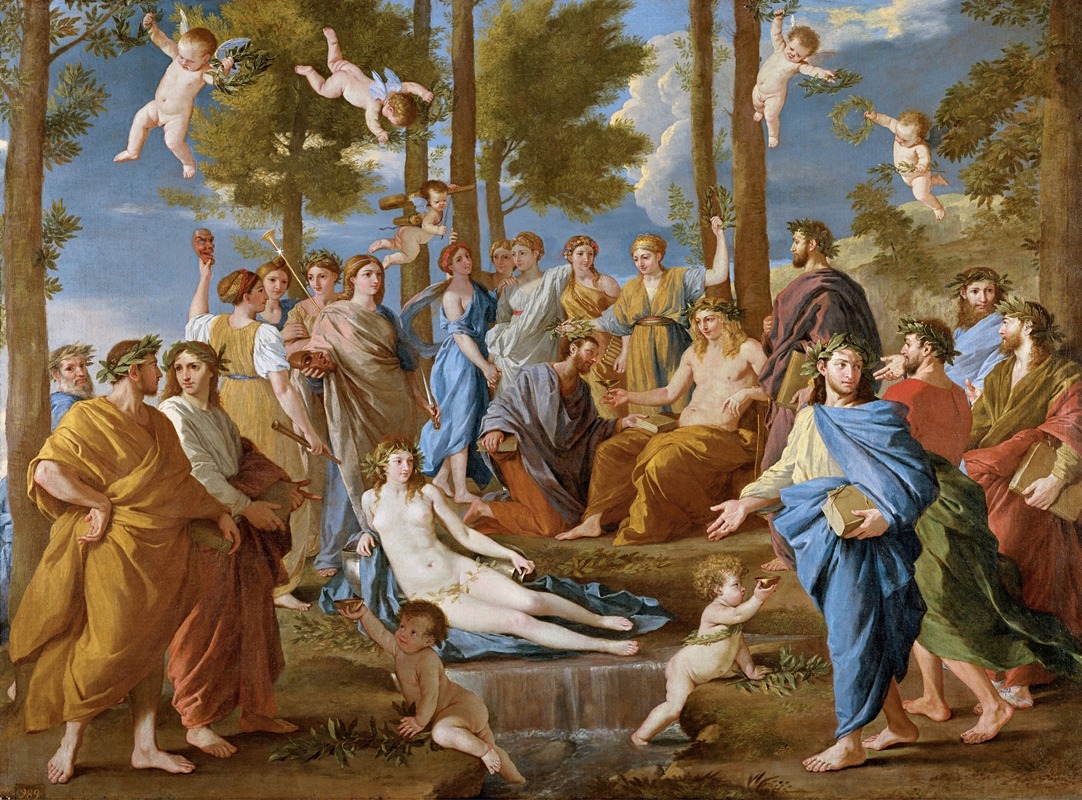
El Parnaso
Nicolas Poussin
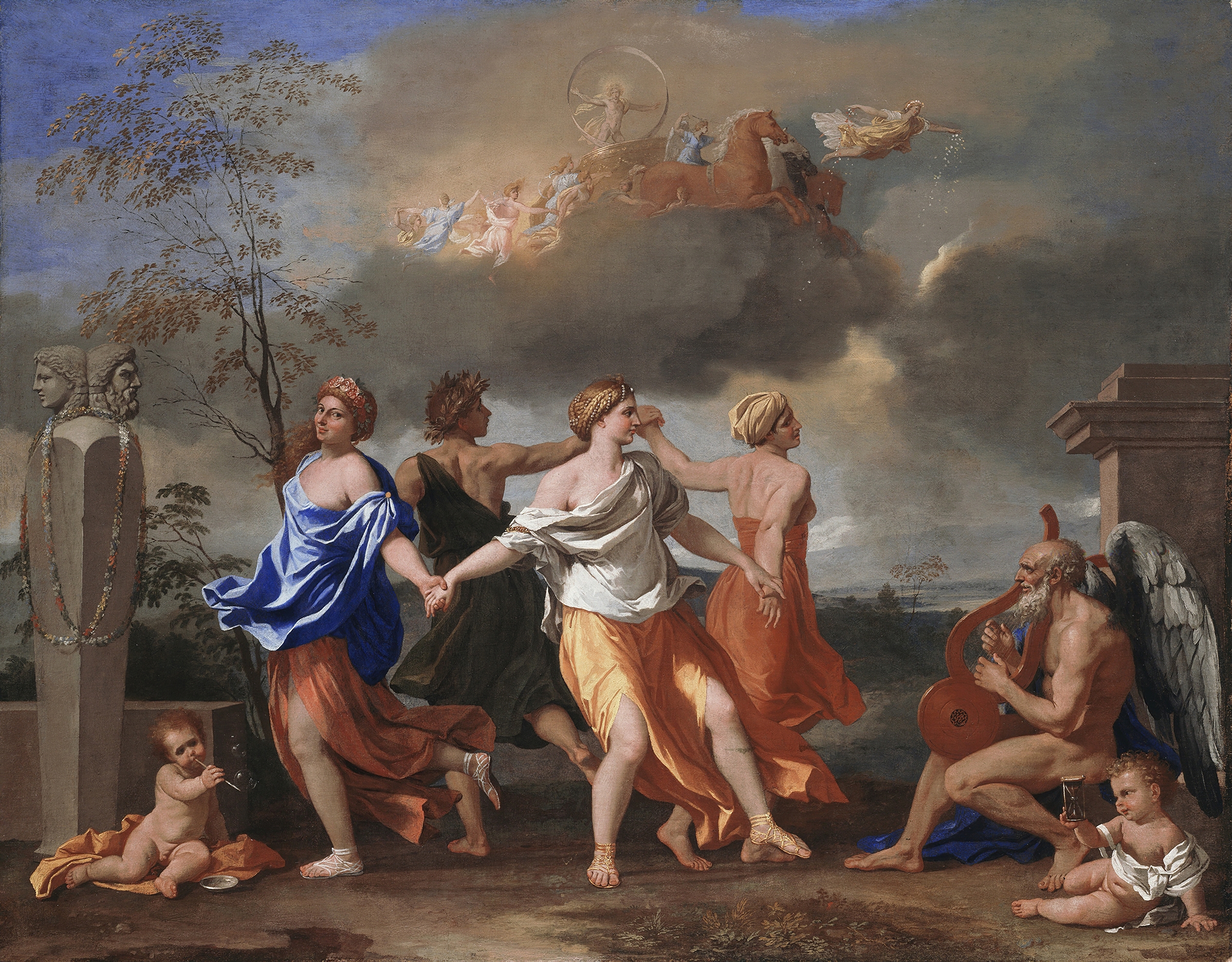
A Dance to the Music of Time
Nicolas Poussin
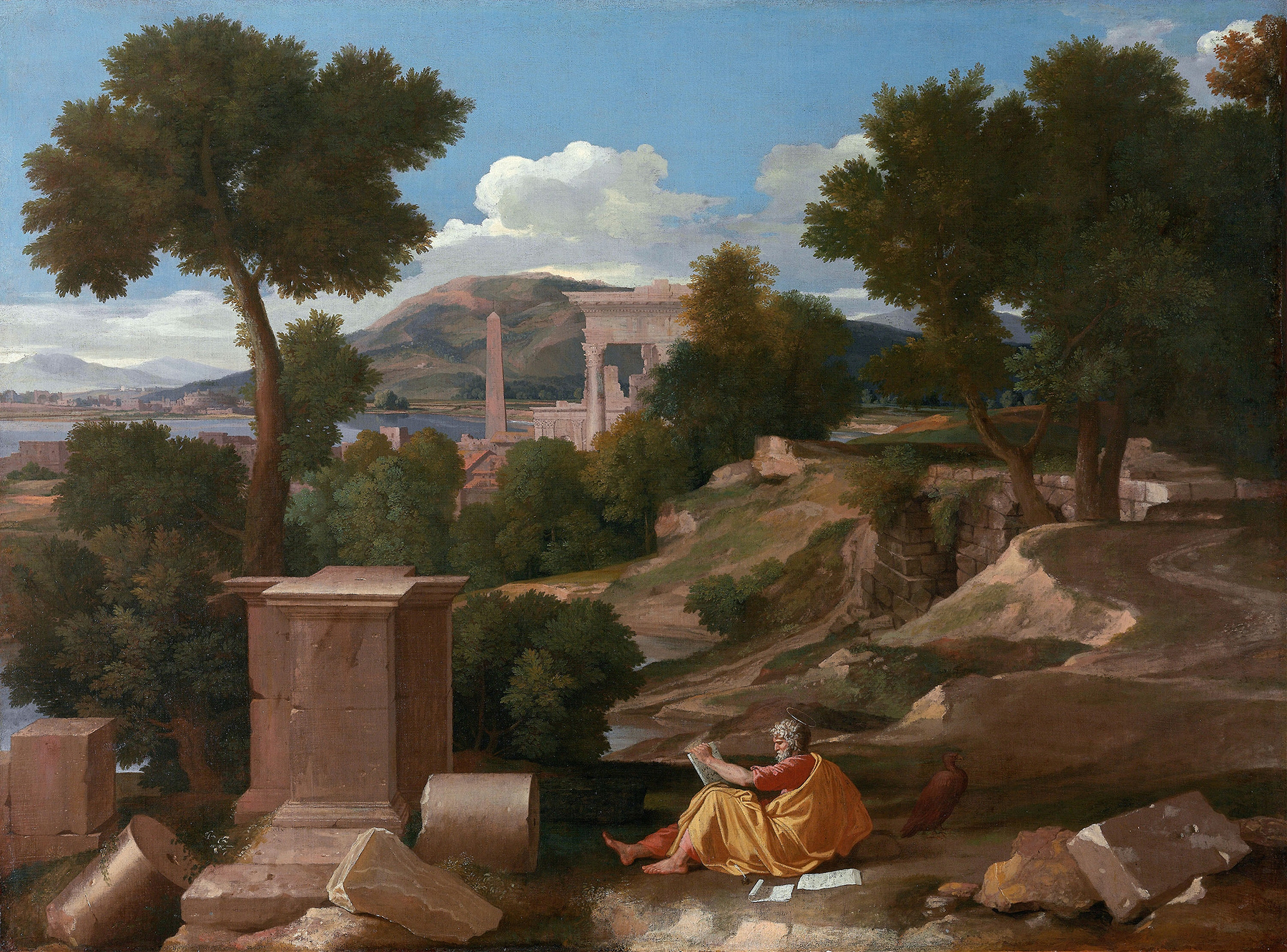
Landscape with Saint John on Patmos
Nicolas Poussin

Landscape with Saint John on Patmos
Nicolas Poussin
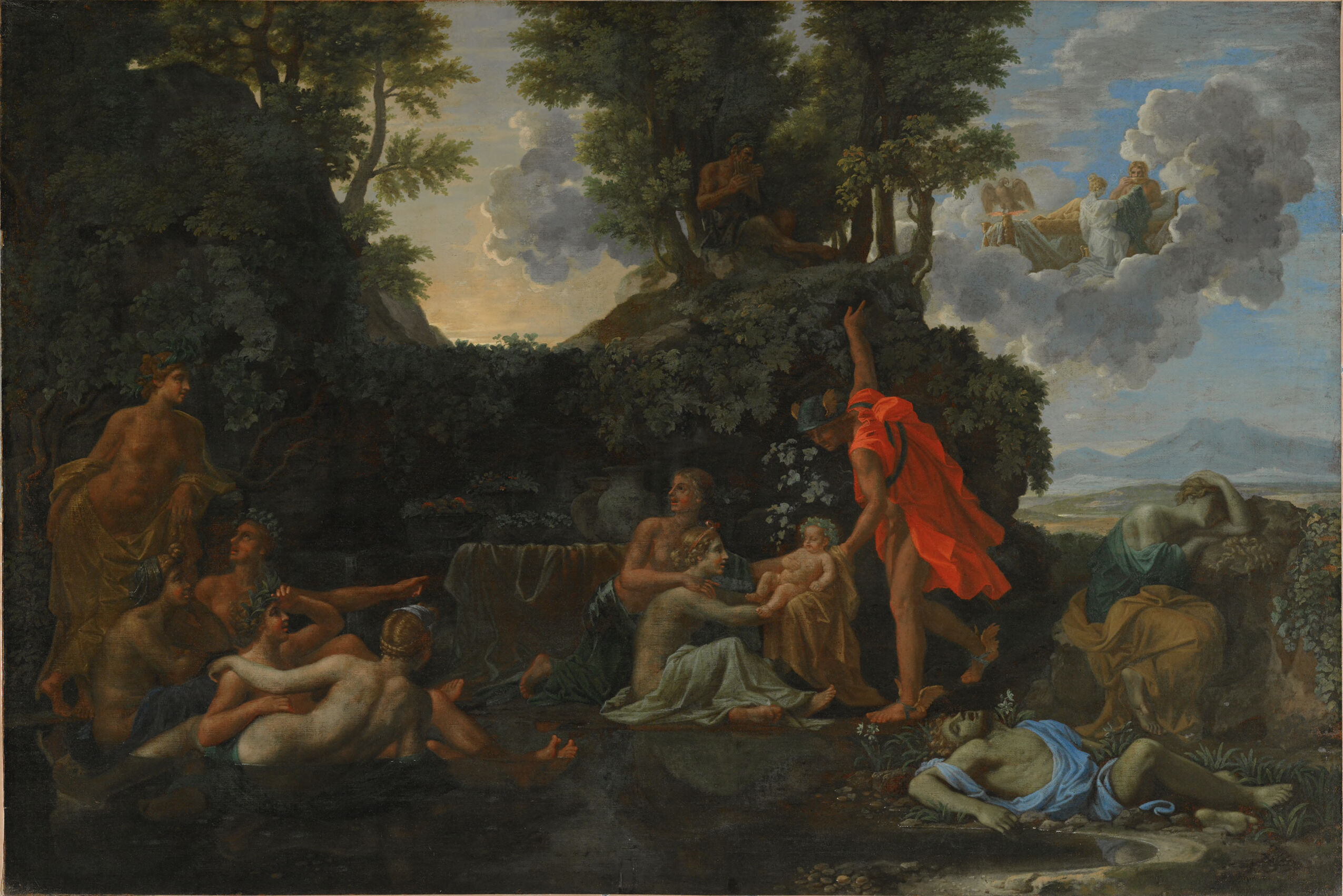
The Infant Bacchus Entrusted to the Nymphs of Nysa; The Death of Echo and Narcissus
Nicolas Poussin
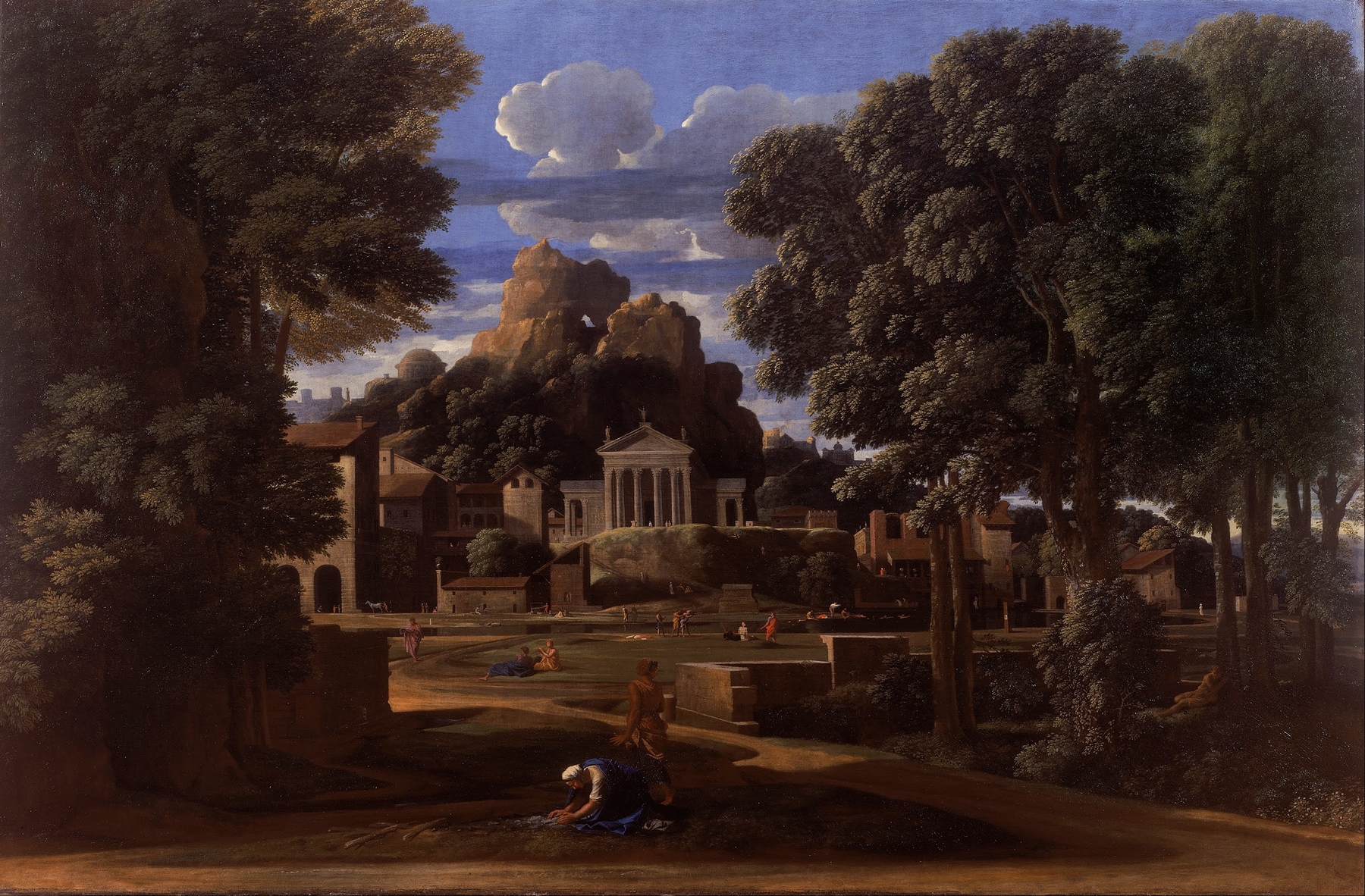
Landscape with the Ashes of Phocion
Nicolas Poussin