Kitchen Boy — History & Facts
A shaft of light falls across the kitchen boy’s face and arms, catching on the battered brass pan he inspects with quiet absorption. The world around him recedes into shadow, so that the viewer’s gaze is drawn wholly to the moment of pause in his daily labor. The torn apron, the rolled-up sleeves, and the heavy, practical shoes speak of hours spent in service, yet the boy’s attention is gentle, almost meditative.
Ribot’s brushwork lingers on the textures of skin, metal, and fabric, transforming a humble task into a scene of dignity and introspection. The darkness is not emptiness, but a stage for this solitary act. Works like this, painted in the mid-19th century, belong to a tradition that sought poetry in the everyday. In France, artists such as Théodule Ribot found inspiration in the kitchen and the workshop, elevating servants and laborers to the status of worthy subjects.
These paintings were rarely grand commissions; instead, they appealed to a rising middle class that valued realism and the honest depiction of work. The muted palette and dramatic lighting recall the influence of Spanish Baroque painters, whose works Ribot admired. Now part of the Van Gogh Museum collection, this painting stands as a quiet testament to the era’s fascination with the dignity of ordinary life—inviting us to look again, and see the beauty in the overlooked.
More Artworks by Augustin Théodule Ribot

The Scullion
Augustin Théodule Ribot
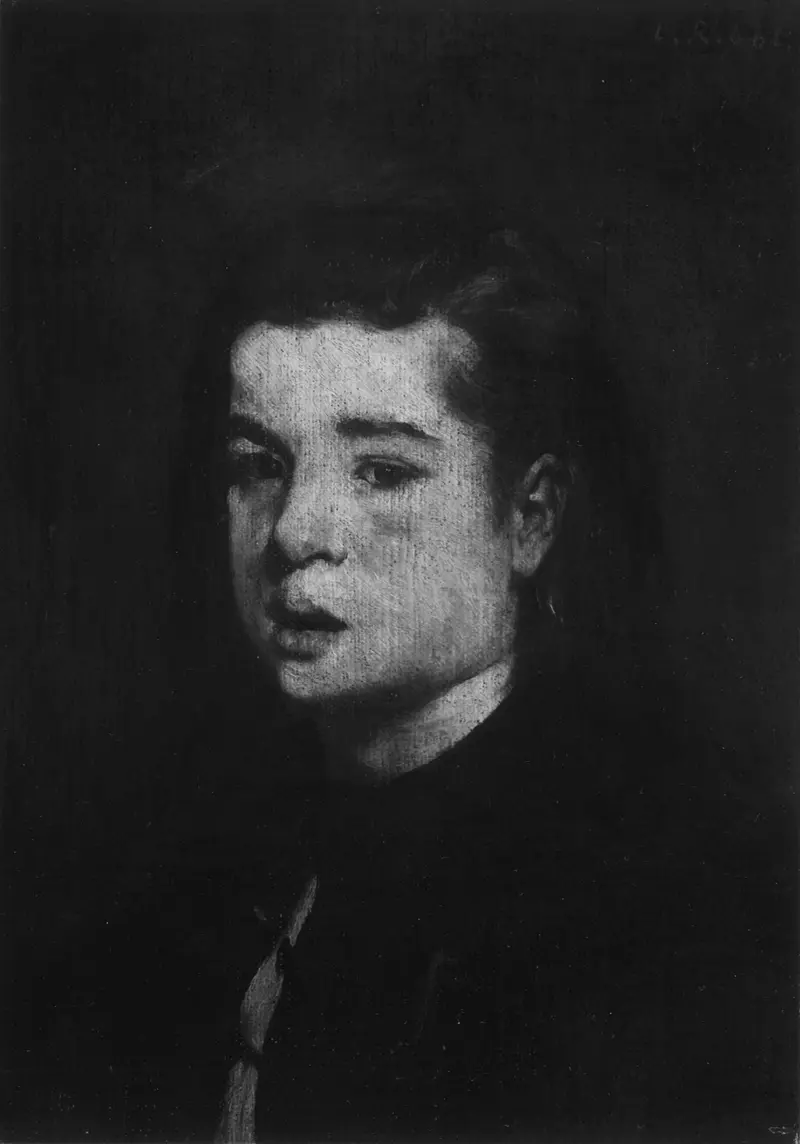
The Artist's Daughter
Augustin Théodule Ribot
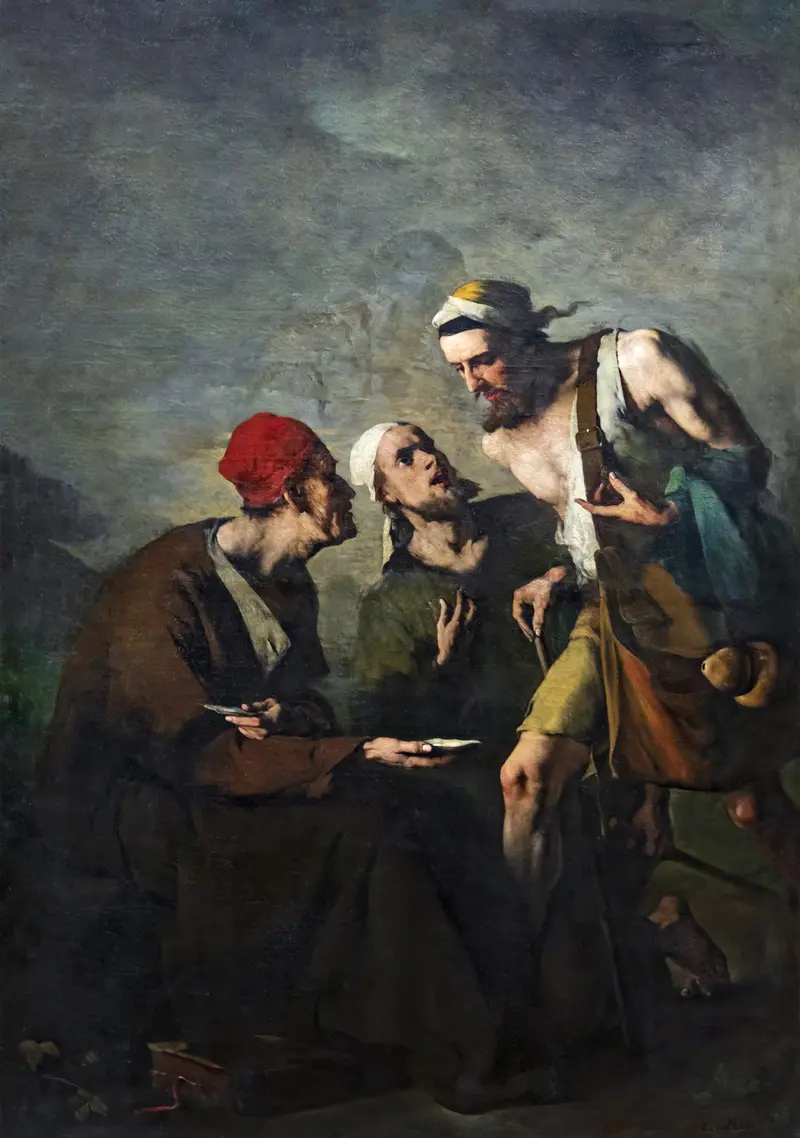
The oyster and the Litigant's
Augustin Théodule Ribot
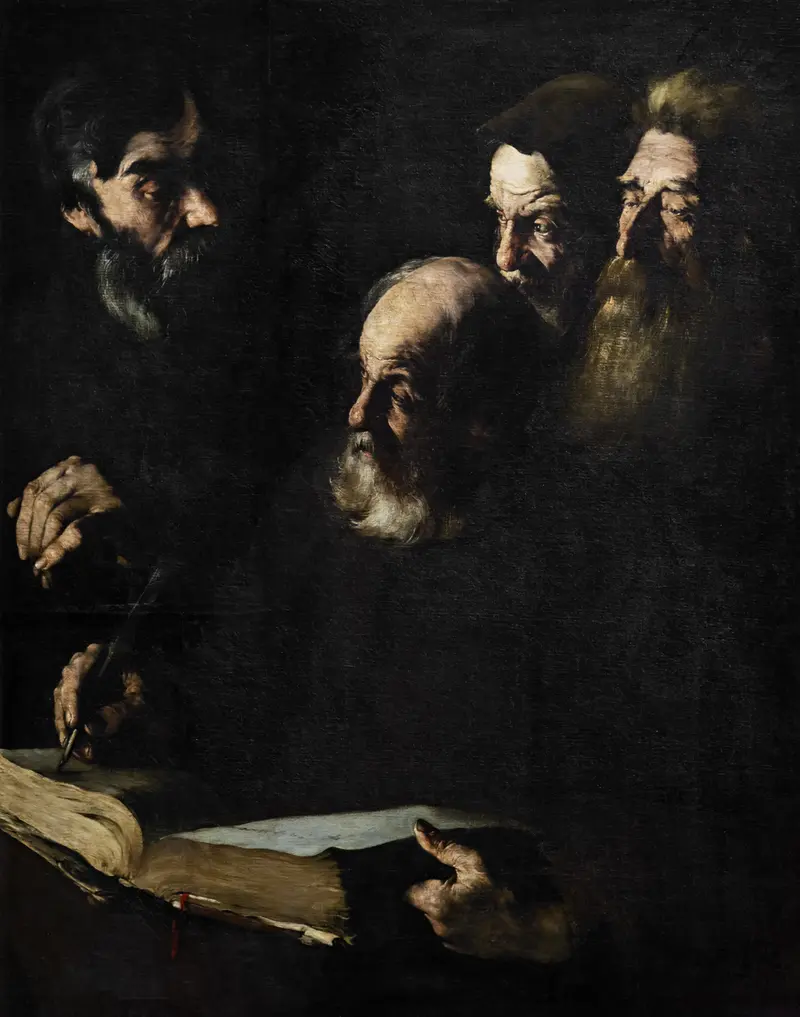
The philosophers
Augustin Théodule Ribot
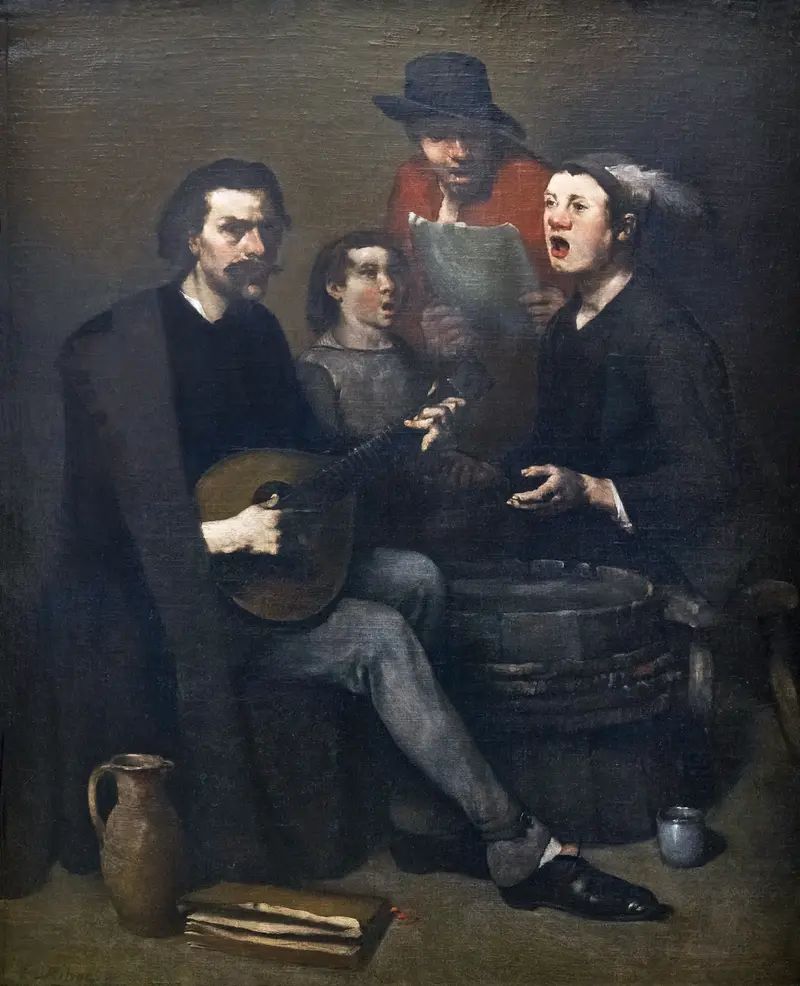
Singers
Augustin Théodule Ribot
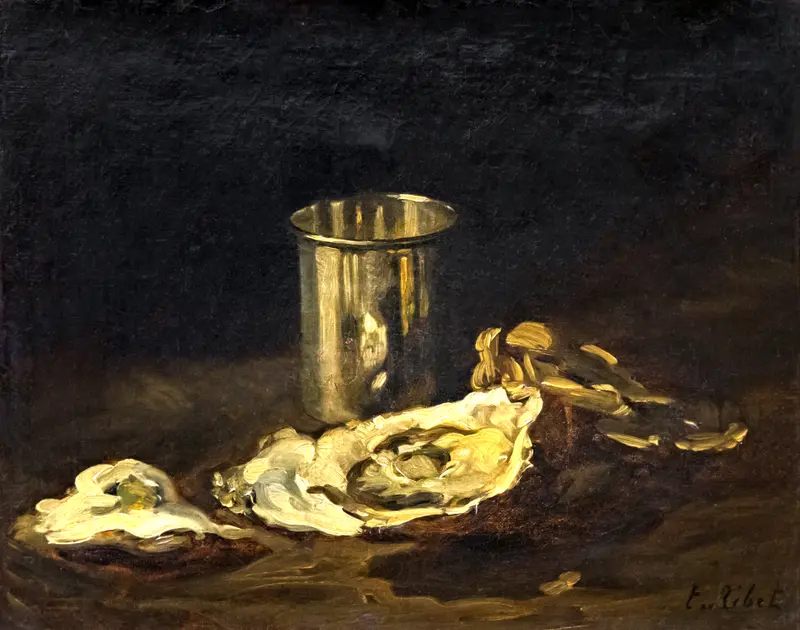
Oyster and timbale
Augustin Théodule Ribot
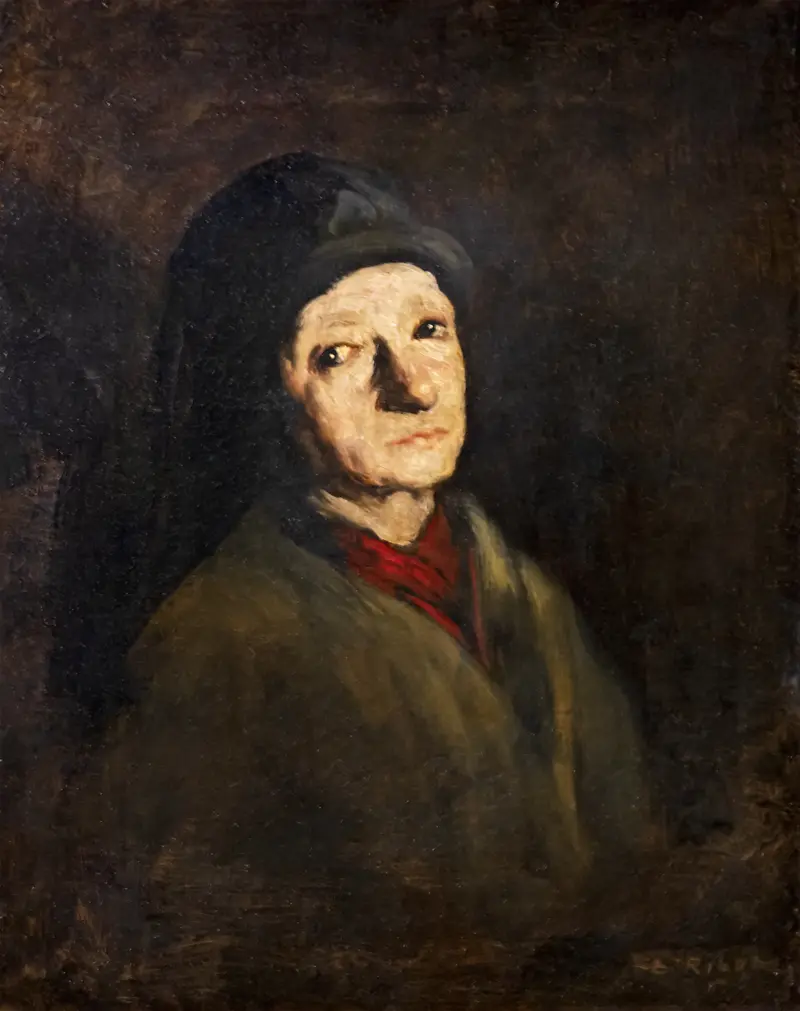
Portrait of the artist's mother
Augustin Théodule Ribot
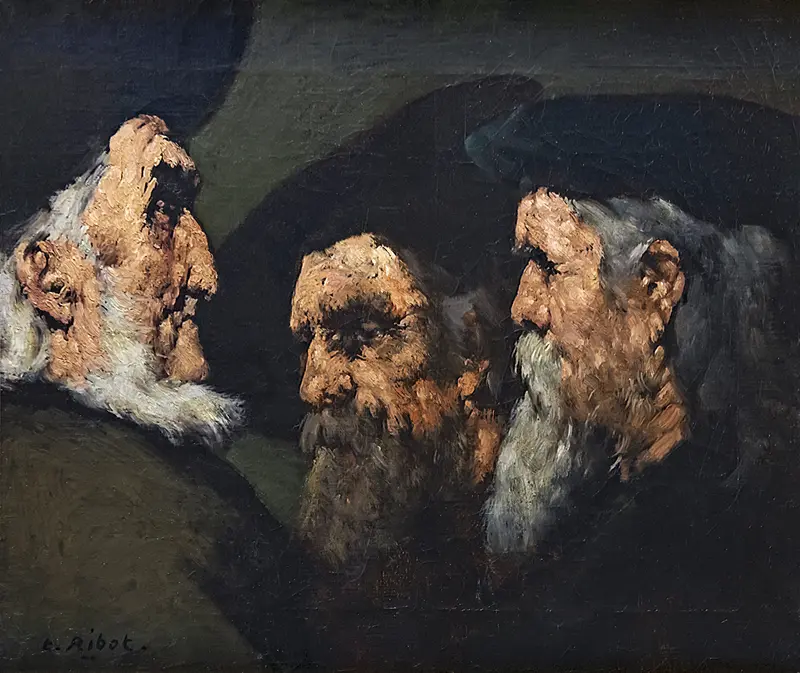
Three old jews
Augustin Théodule Ribot
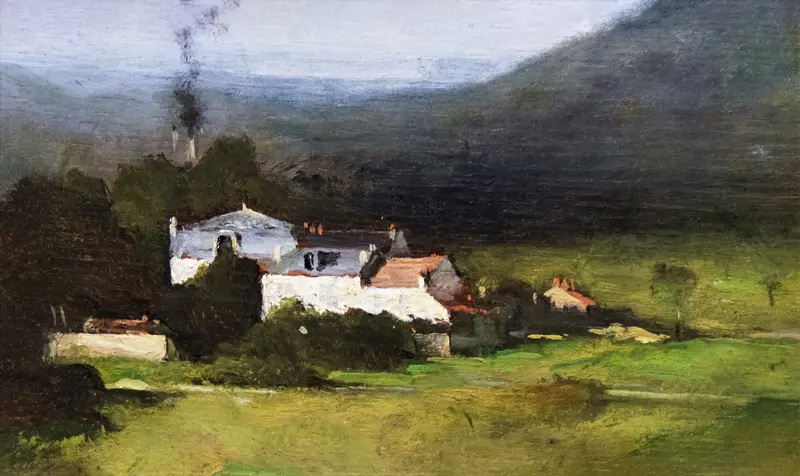
' Landscape ', known as ' La Maison de Corot in Ville-d'Avray '
Augustin Théodule Ribot
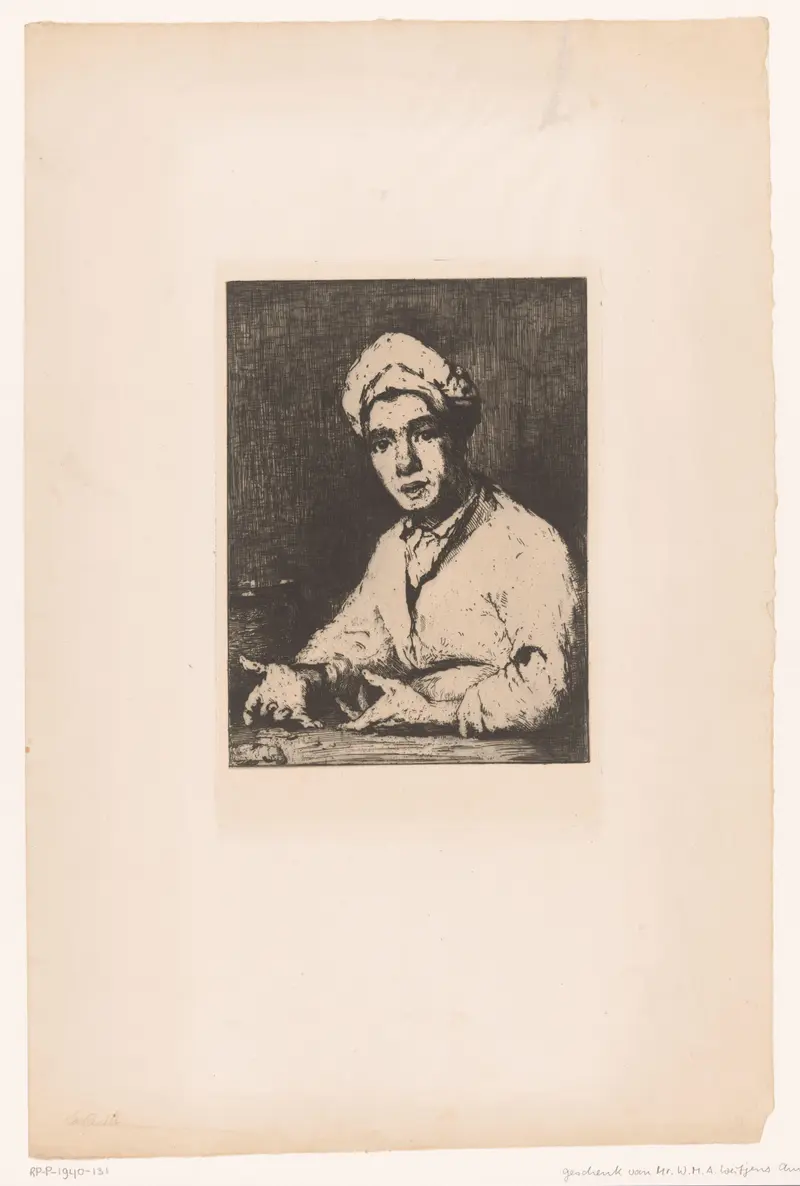
La recette du cuisinier
Augustin Théodule Ribot