
Kitchen still life — History & Facts
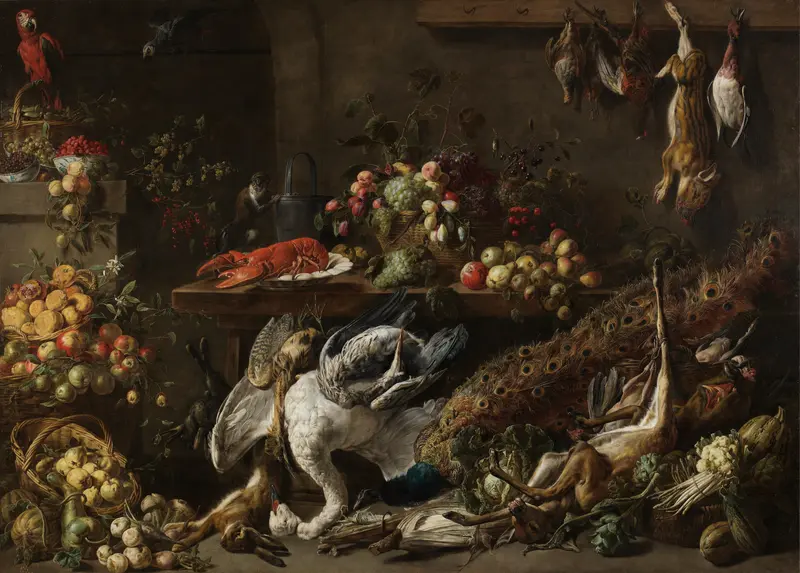
A feast waits in suspense, caught between the hunt and the kitchen, where every detail is a signal of abundance and order. The viewer’s eye is drawn first to the dramatic diagonal of hanging game—hare and birds, their fur and feathers rendered with a precision that almost invites touch. Below, the table groans with lemons, grapes, and peaches, their surfaces gleaming under a careful, golden light.
Each object seems chosen for contrast: the rough pelt of the hare against the waxy cabbage, the delicate skin of fruit beside the sturdy stalks of artichoke and asparagus. Shadows pool beneath the table, anchoring the composition and lending the whole scene a sense of gravity and anticipation. Painted in 1646, this work belongs to the world of the prosperous Dutch and Flemish households, where such still lifes were both a celebration of worldly goods and a reminder of their fleeting nature. Collectors of the era prized these paintings for the skill they displayed and the status they conferred, filling their homes with reminders of nature’s bounty and the reach of global trade.
Adriaen van Utrecht was among the masters of this genre, weaving together game, fruit, and vegetables in a tightly choreographed arrangement that rewards slow looking. Though history has kept few traces of this specific painting beyond its date and recent appearance at auction, its crowded table invites us to linger over the riches—and to wonder what stories might lie just beyond the edge of the frame.
More Artworks by Adriaen van Utrecht
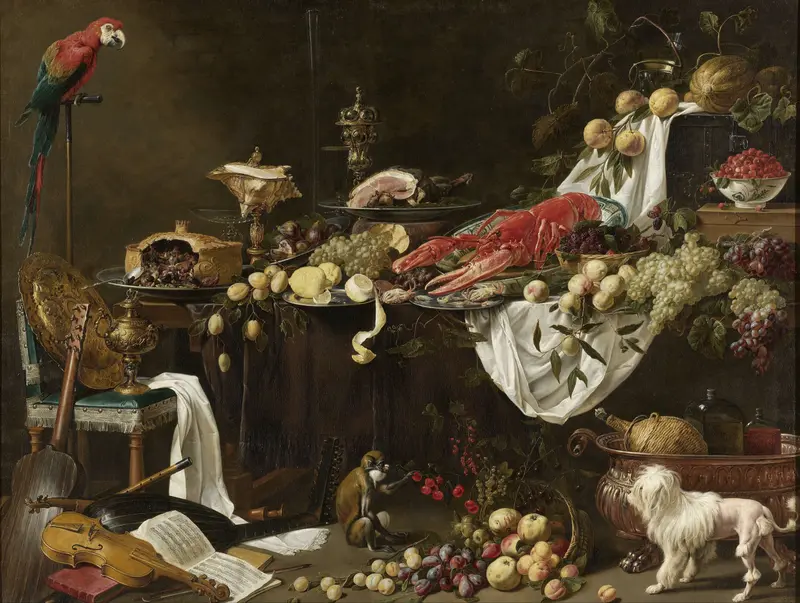
Banquet Still Life
Adriaen van Utrecht
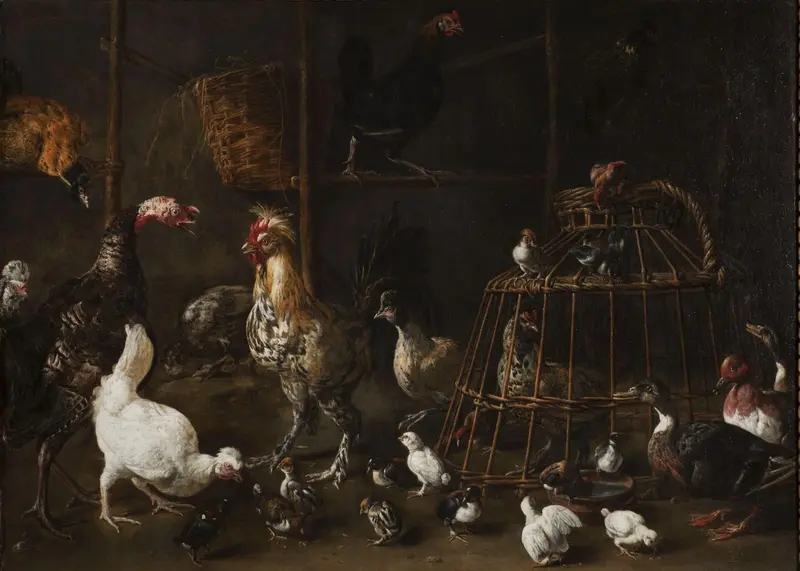
A barn interior with a turkey
Adriaen van Utrecht
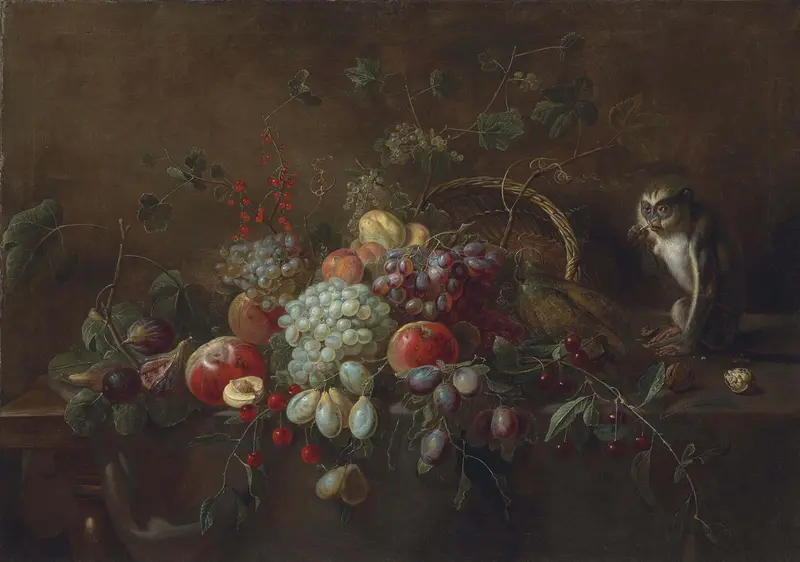
Grapes, apples, plums, figs and other fruit on a partly draped wooden table, a monkey eating walnuts by an upturned woven basket
Adriaen van Utrecht
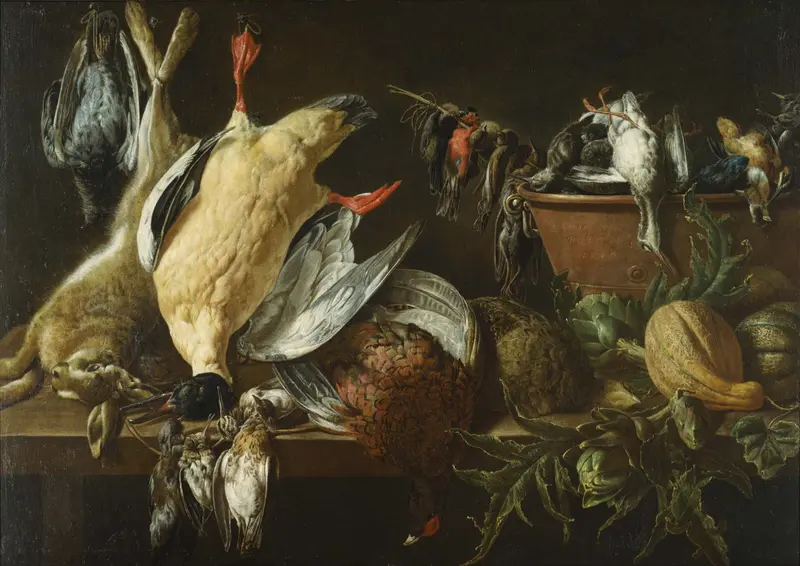
Still Life with Games and Vegetables
Adriaen van Utrecht
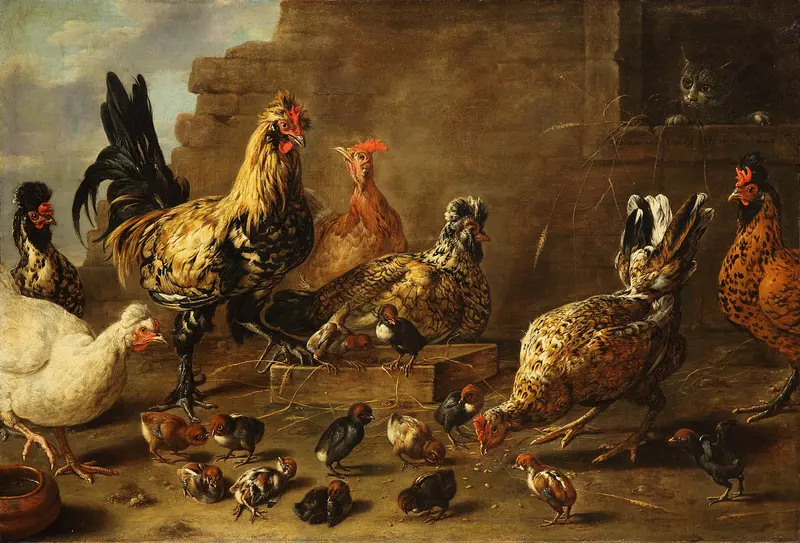
The chicken yard
Adriaen van Utrecht
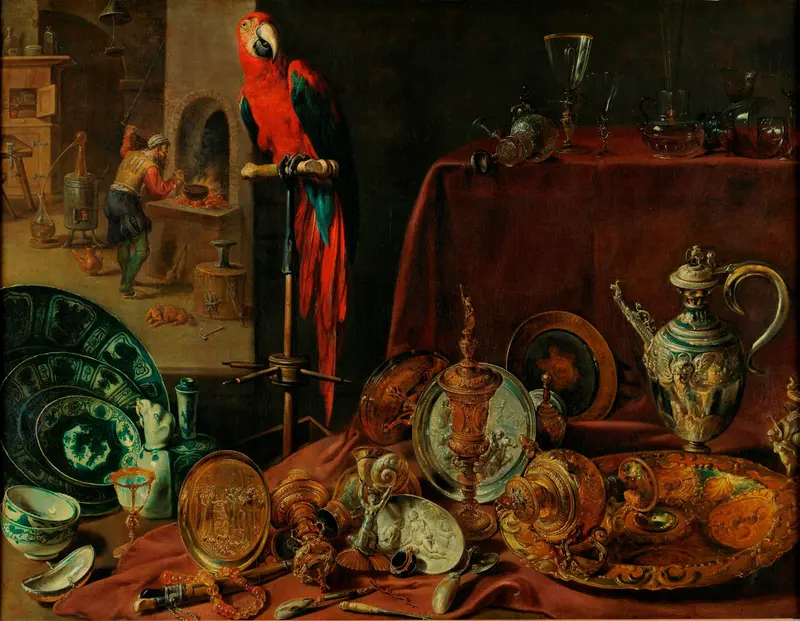
Still life with parrot, an allegory of fire
Adriaen van Utrecht
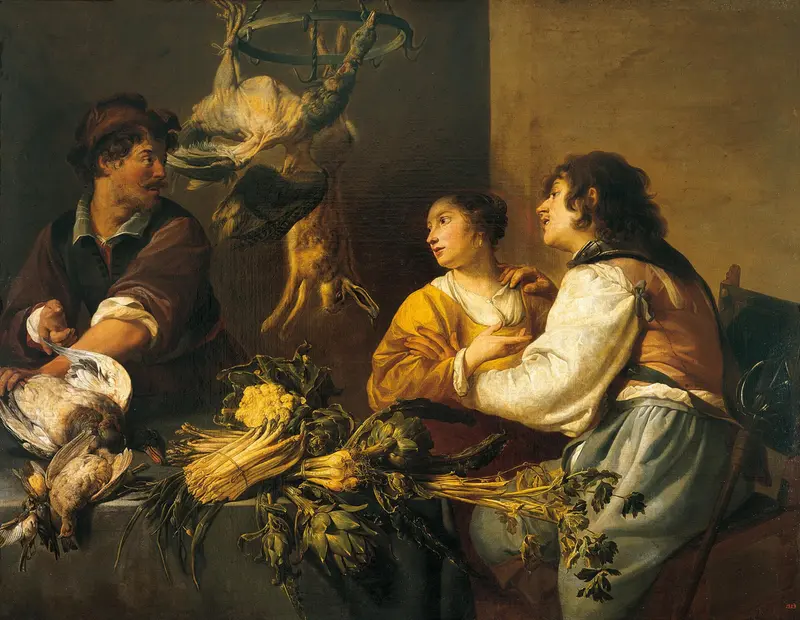
Kitchen
Adriaen van Utrecht
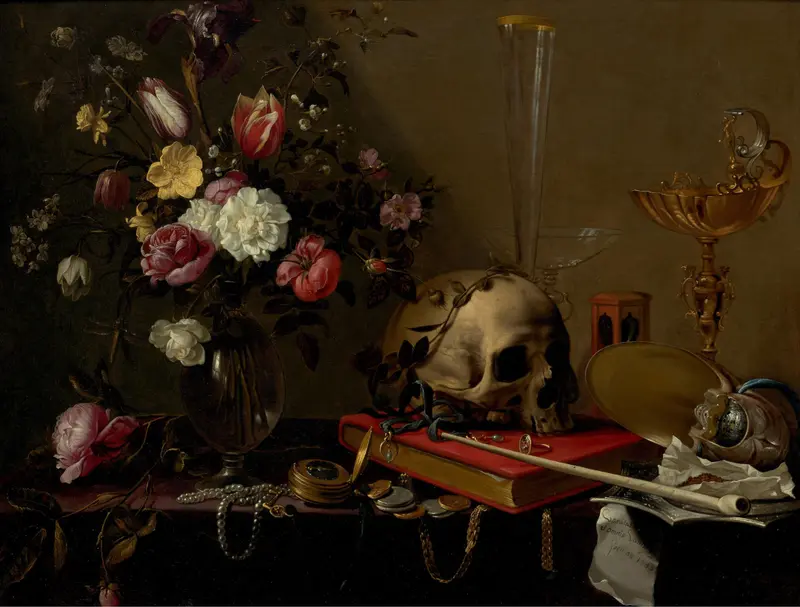
Vanitas - Still Life with Bouquet and Skull
Adriaen van Utrecht
A Larder
Adriaen van Utrecht
A Kitchen Still Life with Figures
Adriaen van Utrecht





