Kochanowski tomb at the Powązki cemetery — History & Analysis
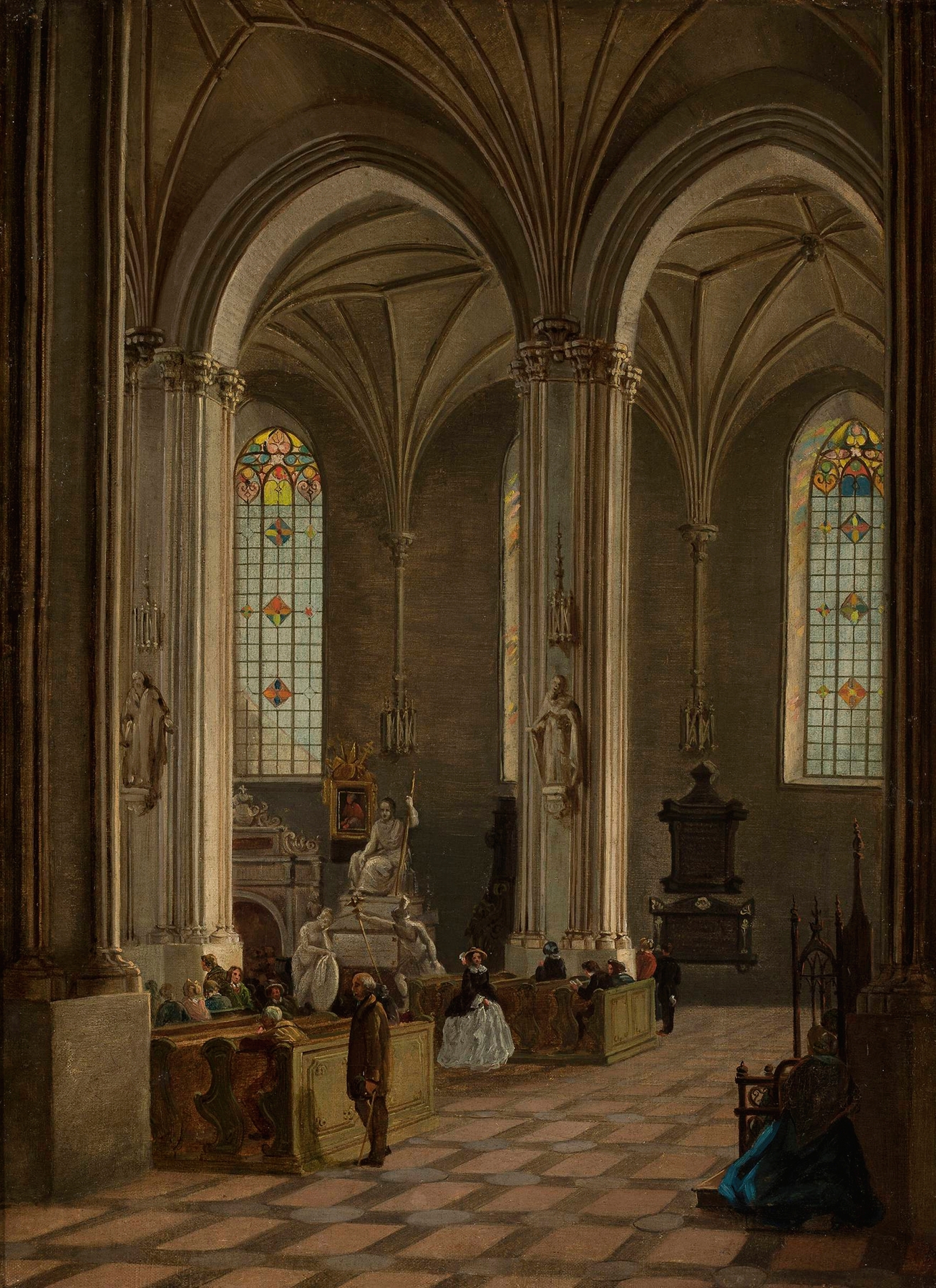
Who listens when art speaks of silence? In a world awash with noise, some moments demand a pause, an invitation to reflect on what lies beneath the surface. At the heart of this piece, look to the intricate details carved into the stone. Notice how the gentle curve of the tombstone captures the light, softening its cold edges while revealing layers of textured relief. The interplay of shadow and illumination creates an ethereal atmosphere, drawing your gaze to the haunting depiction of the figure resting above.
Each element finds its place within a harmonious composition, inviting contemplation of life and mortality. As you absorb the scene, consider the subtle contrasts embedded in the work. The serenity of the mourning figure juxtaposed against the hardness of the stone evokes a tension between permanence and transience. Look closely at the delicate flowers—their fragile beauty suggesting life’s fleeting nature amidst the enduring silence of the tomb.
This duality encourages a dialogue between the viewer and the artwork, beckoning us to acknowledge the movement of time and memory that transcends the physical realm. Marcin Zaleski created this poignant tribute during a period marked by deep reflection on identity and existence in the 19th century. The era was rife with changes in artistic expression, embracing Romanticism’s focus on emotion and individualism. While the exact date remains unknown, the tomb encapsulates the artist's skill and sentimentality, encapsulating both personal and universal themes reflective of his time.