
Kościół Dominikanów we Lwowie — History & Facts
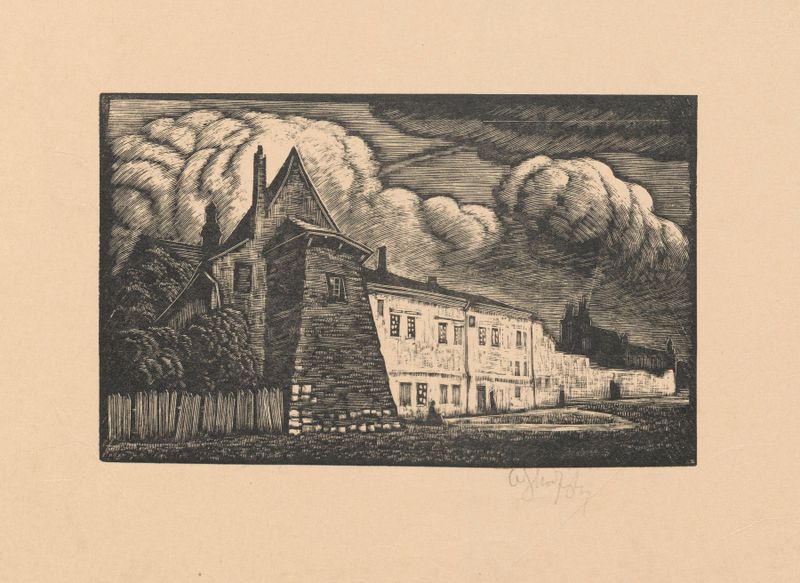
When did color learn to lie? In the intricate interplay of light and shadow, truth bends and reveals the soul of a place. Focus on the striking contrast between the rich earthy tones and the brilliant highlights that dance across the façade of the church. The structure looms large, but it is in the delicate details—like the ornate carvings and the reflections flickering in the puddles below—that the spirit of Kościół Dominikanów we Lwowie truly comes alive. Notice how the deep blues and greens intertwine with hints of gold, embodying the tension between the divine and the earthly. Dig deeper, and you might find hidden stories within the layers of paint.
The reflections in the water evoke a sense of duality, suggesting a bridge between reality and memory, while the warm sunlight captures a fleeting moment of reverence. Each brushstroke seems to whisper of the lives that have passed through this sacred space, hinting at moments of prayer and reflection, giving the viewer a sense of history that transcends time. Władysław Skoczylas painted this piece in 1912, a period marked by significant change in Europe, both culturally and politically. Living in Lwów, amidst the vibrant Polish artistic movement of the early 20th century, he sought to capture the essence of his surroundings, blending tradition with modernity.
This work reflects not only the beauty of its subject but also the artist's personal journey as he navigated the evolving landscape of art during that era.
More Artworks by Władysław Skoczylas
Browse all →
Motyw ze Starego Miasta
Władysław Skoczylas
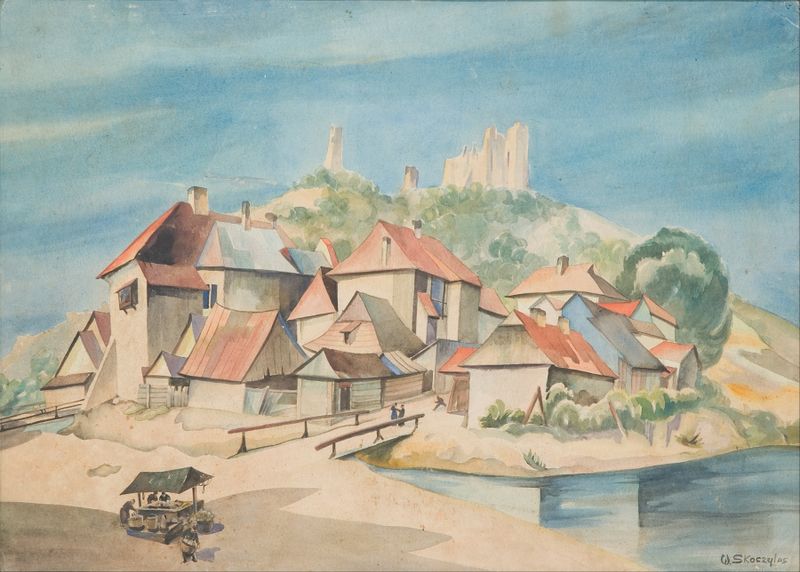
Widok Kazimierza nad Wisłą
Władysław Skoczylas
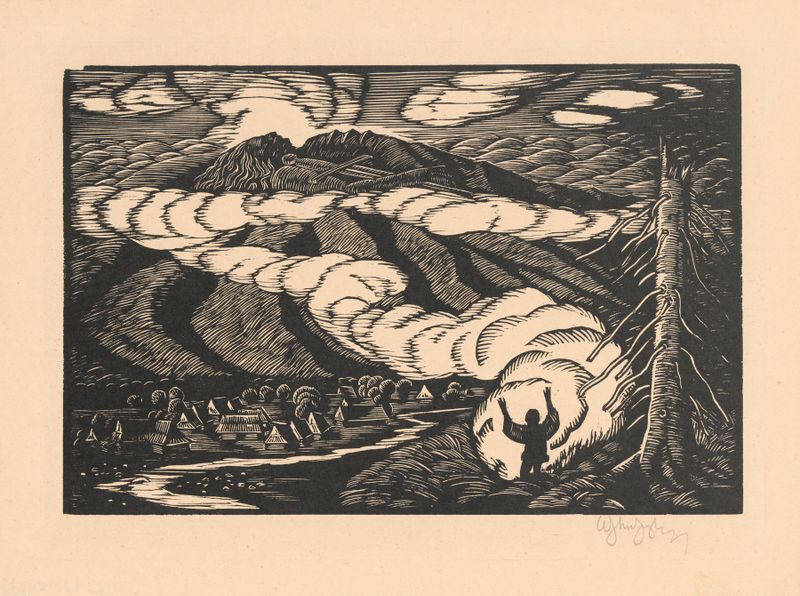
Giewont
Władysław Skoczylas
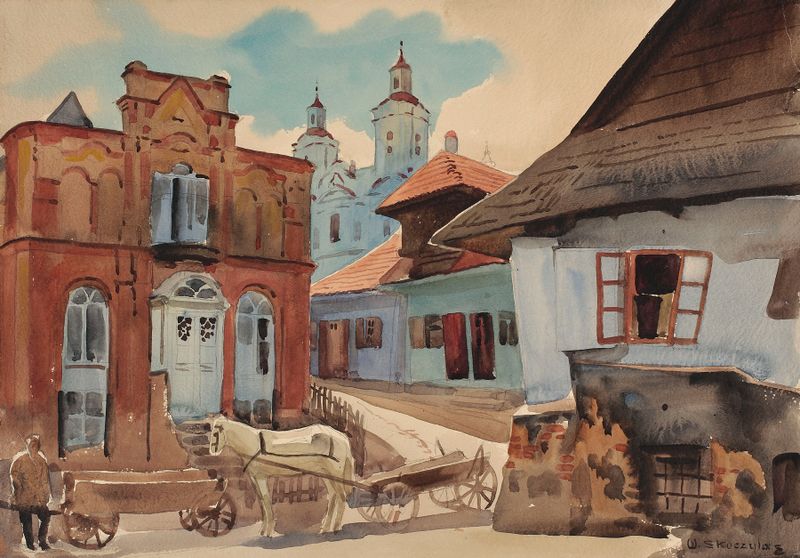
Fragment miasteczka
Władysław Skoczylas

Kościół w Dębnie
Władysław Skoczylas

Ulica w Kazimierzu
Władysław Skoczylas

Rynek w Kazimierzu nad Wisłą
Władysław Skoczylas
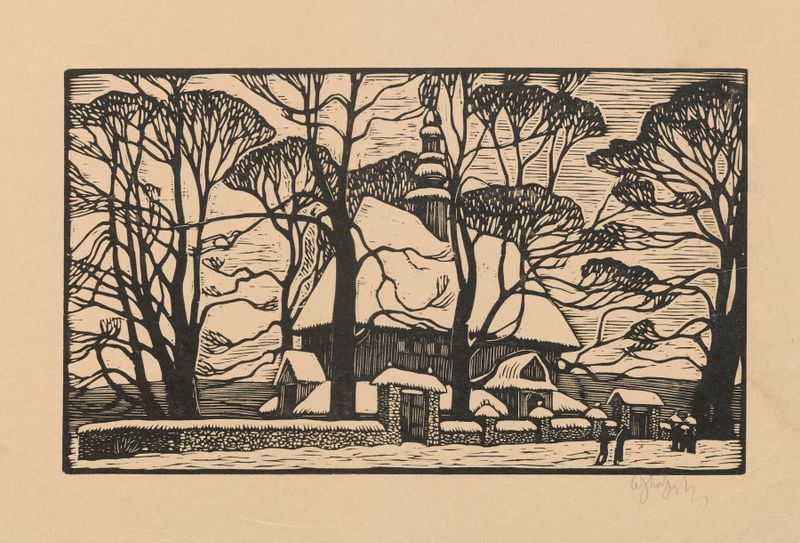
Kościółek w zimie
Władysław Skoczylas

Kolumna Zygmunta
Władysław Skoczylas
Motyw z Krakowa; Baszta Augustianów
Władysław Skoczylas
More Architecture Art
Browse all →
The statue of Liberty
Frédéric Auguste Bartholdi

View of Houses in Delft, Known as ‘The Little Street’
Johannes Vermeer

View of Houses in Delft, Known as ‘The Little Street’
Johannes Vermeer

The Cathedral in Rouen. The portal, Grey Weather
Claude Monet

The yellow house
Vincent van Gogh

The Church in Auvers-sur-Oise, View from the Chevet
Vincent van Gogh