
Koningin en de Dood als nar — History & Facts
Can paint confess what words never could? In Koningin en de Dood als nar, Hans Holbein invites us to explore the thin veil between life and the eternal, where the weight of divinity hangs heavy in the air. Look to the center of the canvas where a regal figure, draped in lavish garments, stands poised yet vulnerable. Her gaze, a mixture of defiance and resignation, meets that of a jester—an unsettling companion to her majesty. Notice how the artist employs a palette of rich, dark hues contrasted by the luminous details of her attire, highlighting the tension between power and mortality.
The jester’s playful demeanor, set against the somber tones, suggests a chilling reality: the inescapable presence of death lurking beneath the veneer of royal dignity. Delving deeper, one might consider the juxtaposition of the queen's crown and the jester's bell—a symbol of life's dualities. The crown represents authority and permanence, while the jester embodies folly and impermanence. This dialogue between the two figures hints at the fragility of human experience, calling into question the true value of status and the inevitable fate we all share.
The subtle inclusion of the skull in the jester’s attire serves as a stark reminder that our earthly power is ultimately fleeting, urging us to contemplate our own legacies. Holbein created this compelling work in 1538 during a period marked by political unrest and profound shifts in the cultural landscape of Europe. Living in England, the artist was deeply engaged with the court of Henry VIII, where the interplay of power and mortality was a constant theme. This painting reflects not only Holbein’s mastery of technique and symbolism but also his acute awareness of the societal tensions of his time, as he grappled with the transient nature of life amidst the opulence of the Tudor court.
More Artworks by Hans Holbein (II)
Browse all →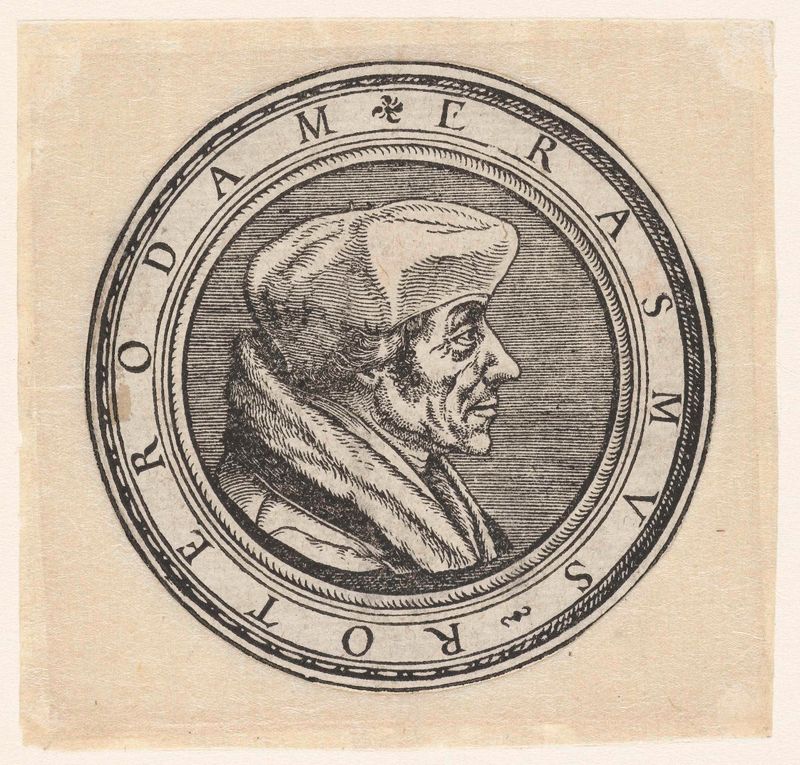
Portret van Erasmus
Hans Holbein (II)
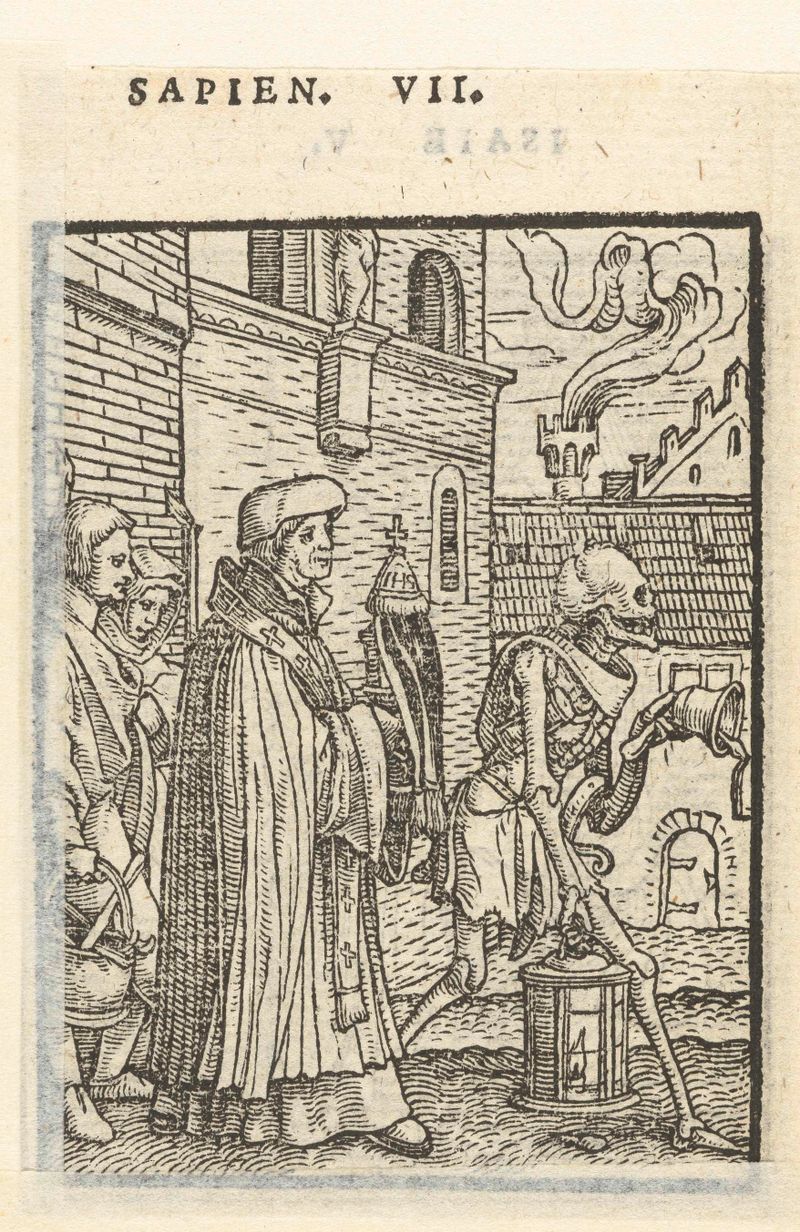
Priester en de Dood
Hans Holbein (II)
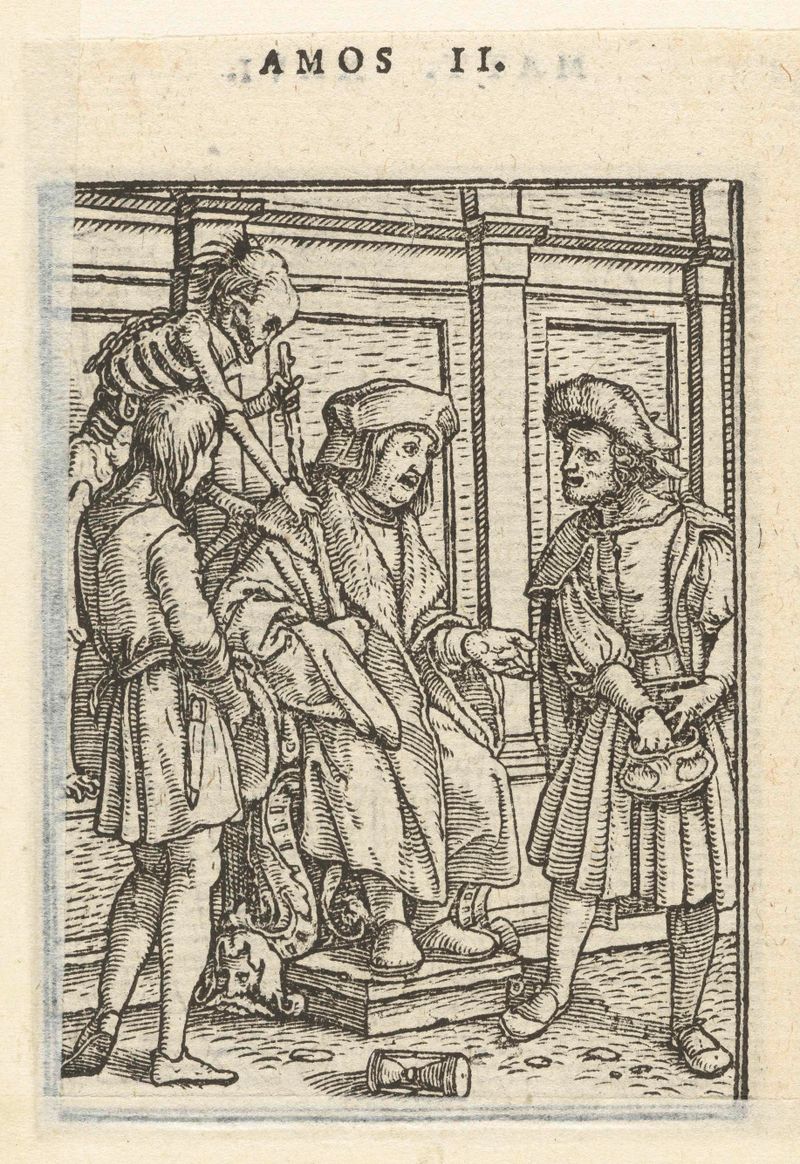
Rechter en de Dood
Hans Holbein (II)
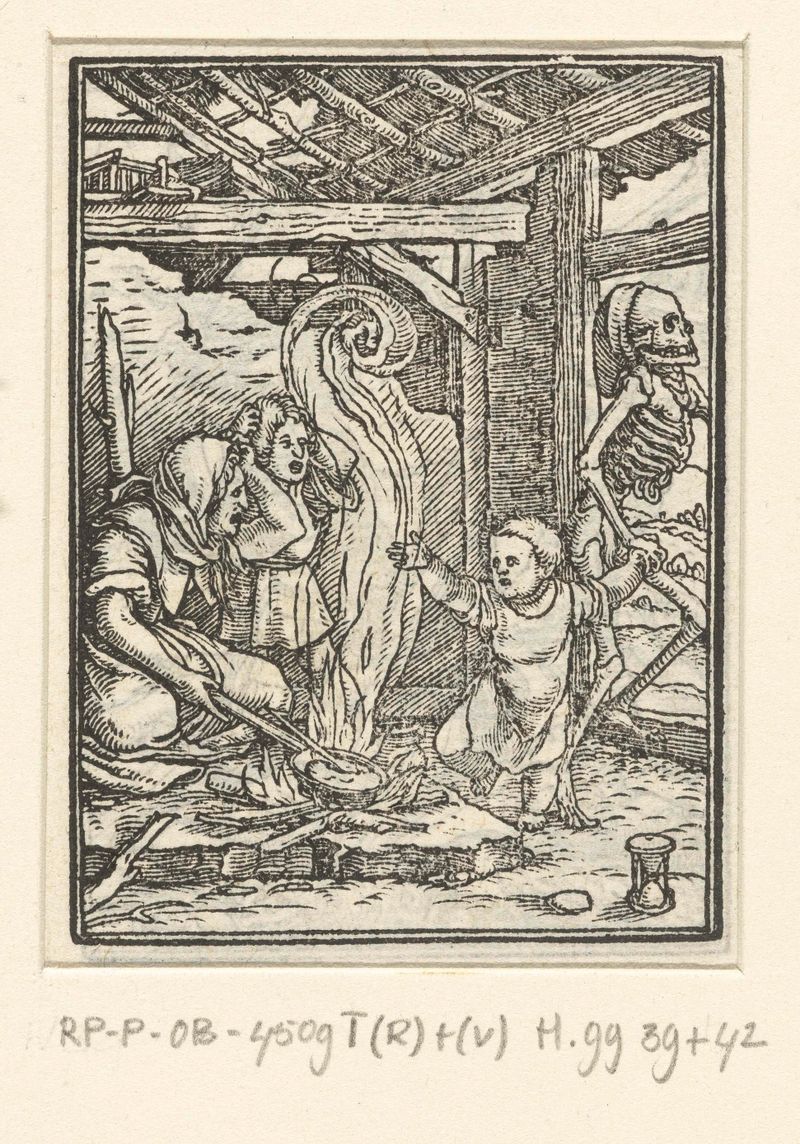
Kind en de Dood
Hans Holbein (II)
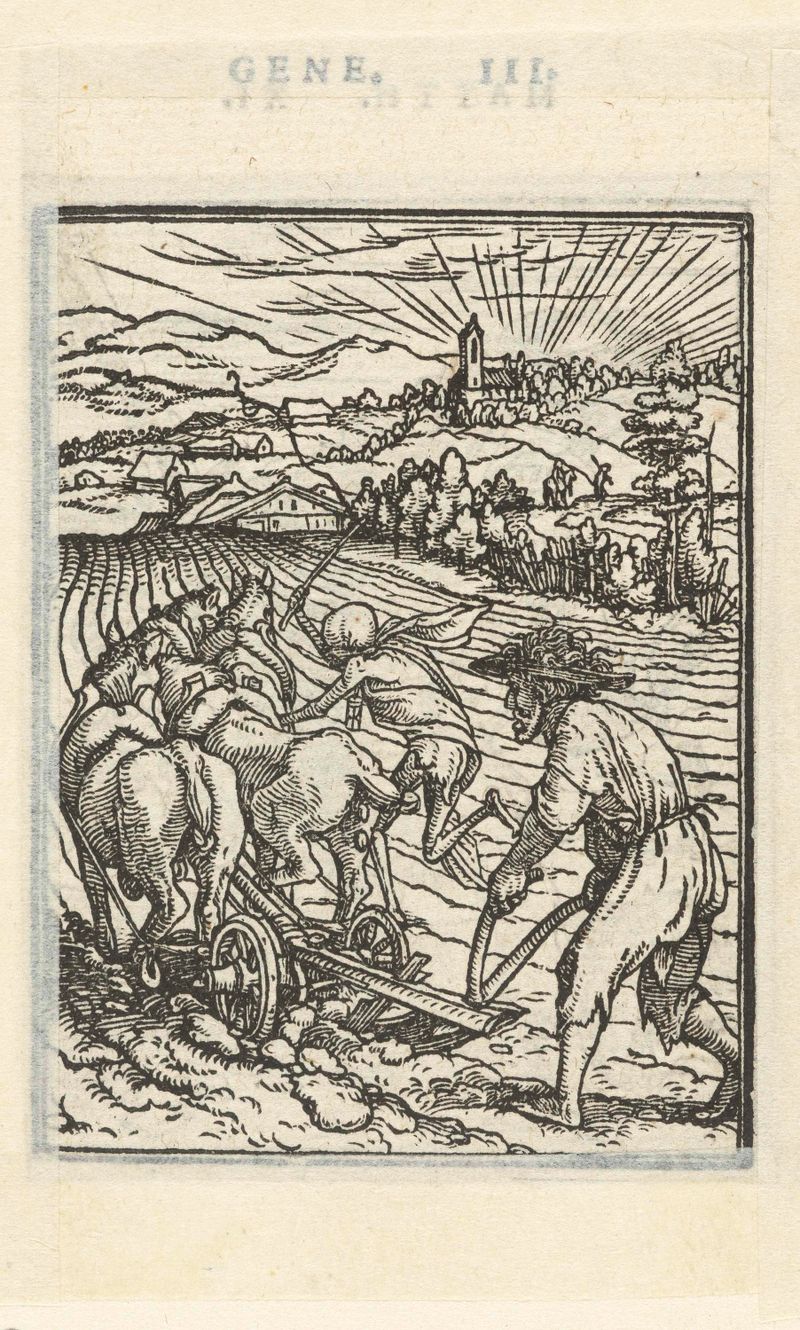
Boer en de Dood
Hans Holbein (II)
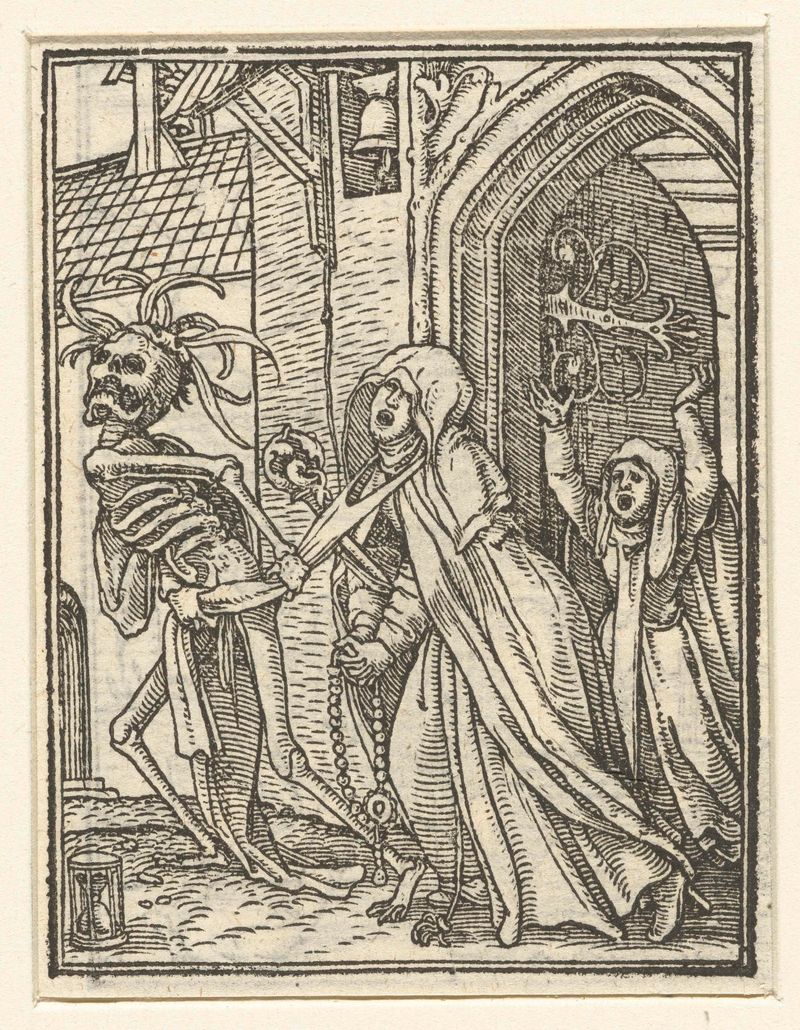
Abdis en de Dood
Hans Holbein (II)
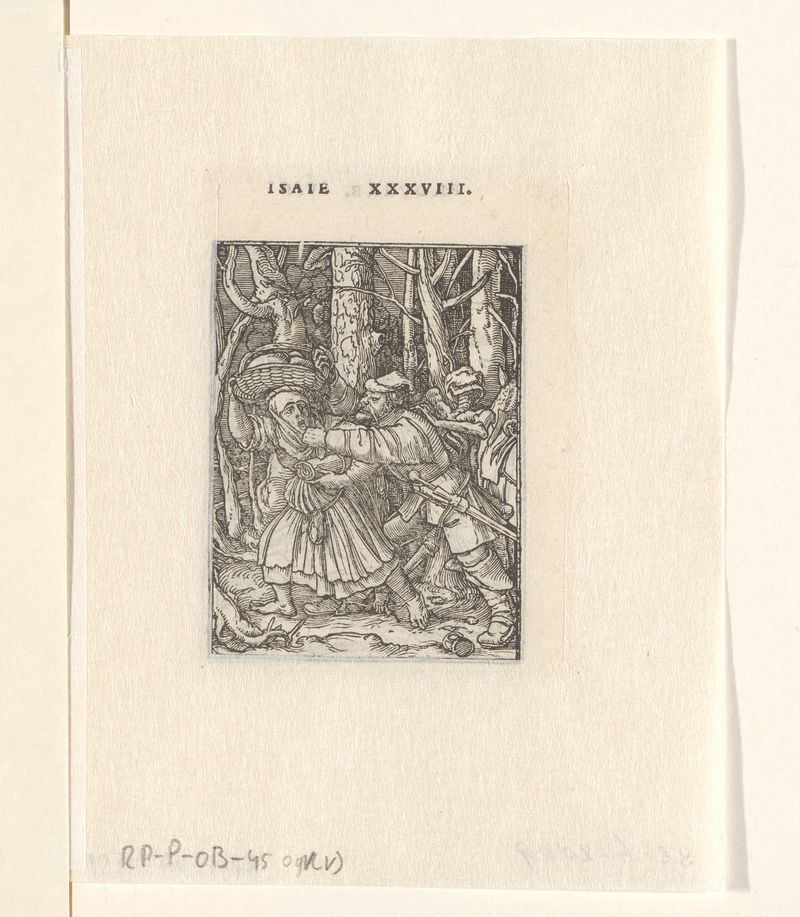
Dief en de Dood
Hans Holbein (II)
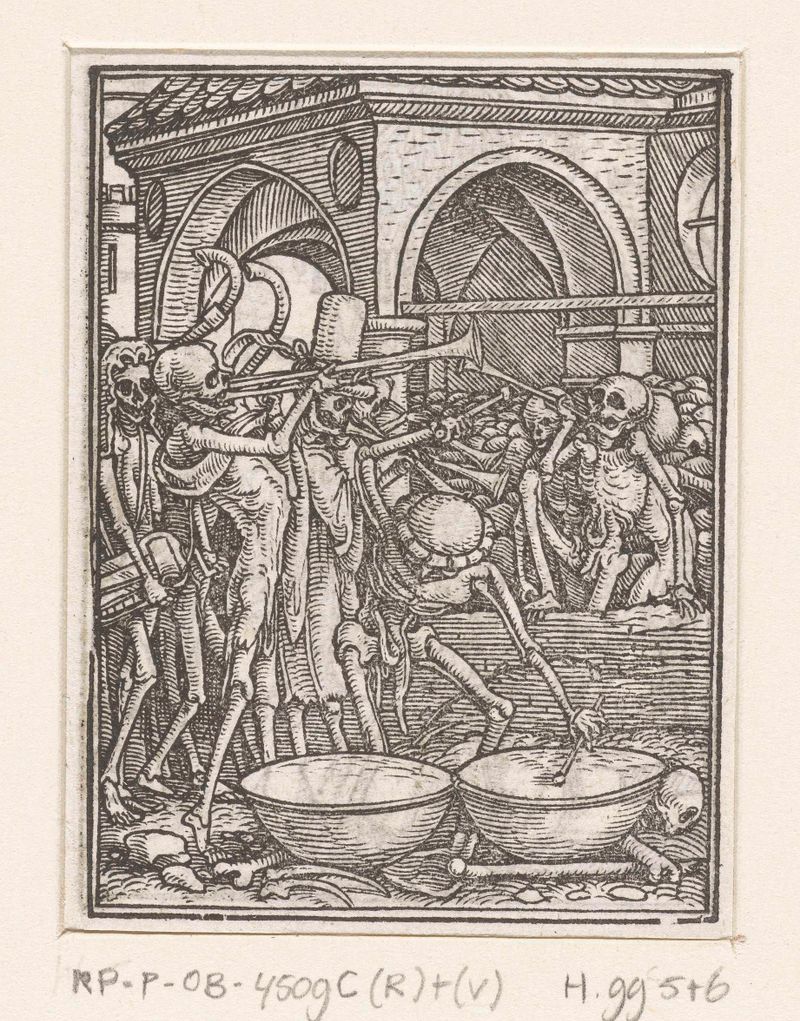
Skeletons Making Music from Dance of the Dead
Hans Holbein (II)
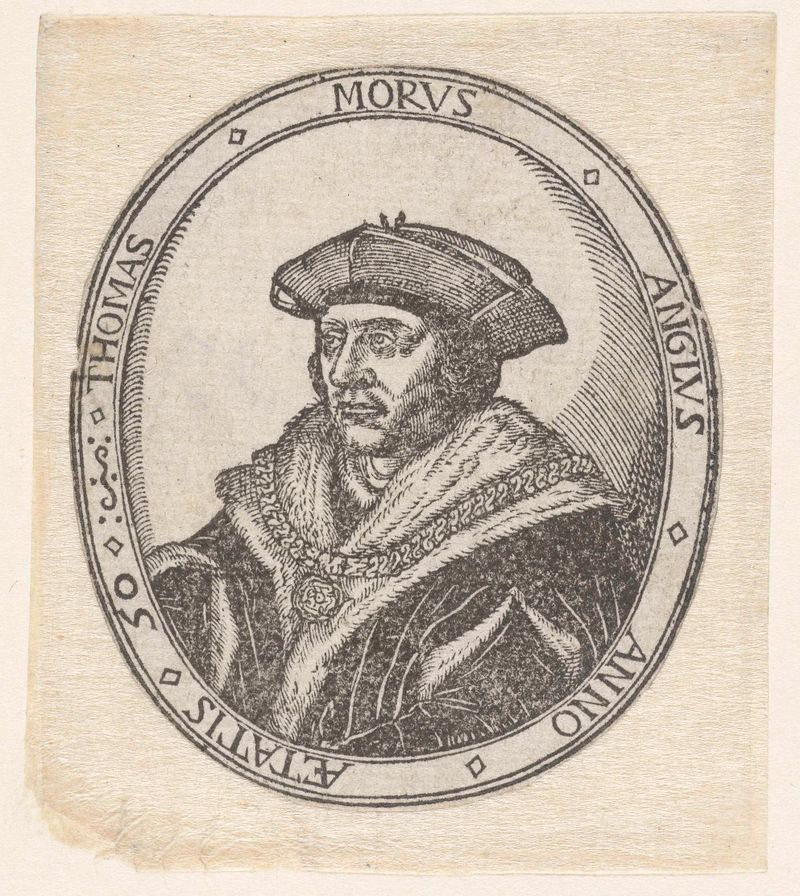
Portret van Thomas More
Hans Holbein (II)
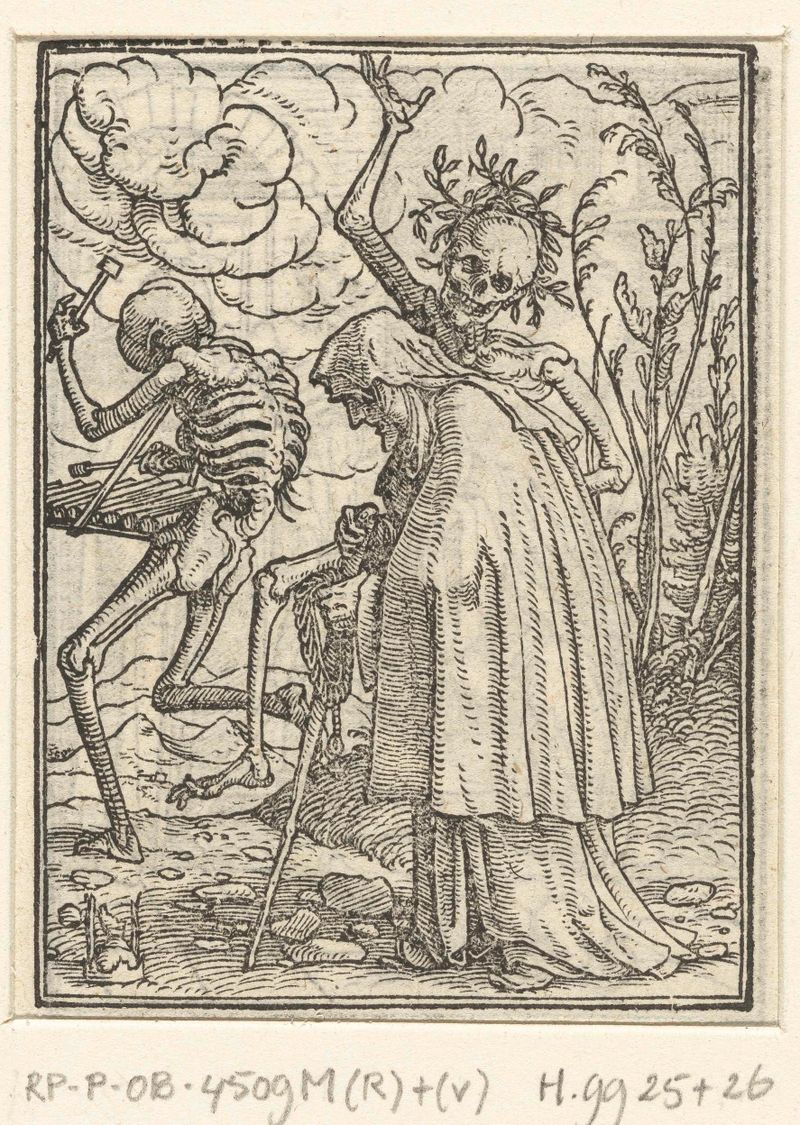
Oude vrouw en de Dood
Hans Holbein (II)
More Portrait Art
Browse all →
Las meninas
Diego Velázquez

Self-portrait with a Bandaged Ear and Pipe
Unidentified artist

Girl with a Pearl Earring
Johannes Vermeer

The Sampling Officials of the Amsterdam Drapers’ Guild, Known as ‘The Syndics’
Rembrandt van Rijn

The Hundred Guilder Print: the man seen on the back in the lower left corner
Rembrandt van Rijn

Portrait of Dr Gachet
Vincent van Gogh