
Koppen van een grote kale man en groteske vrouw — History & Facts
What if dreams were visible, swirling in colors and forms that defy the ordinary, capturing the essence of the subconscious? Wenceslaus Hollar’s work evokes such wonder, inviting us into a realm where grotesque beauty intertwines with the surreal. Focus first on the striking figures in the foreground—notice how the contours of the large, bald man and the exaggerated features of the grotesque woman command attention. Their physicality is not merely a representation but a reflection of inner worlds, each stroke emphasizing the play of light and shadow across their forms. The soft, muted tones contrast sharply with the bold outlines, creating a tension between the delicate and the absurd, akin to the ephemeral nature of dreams. Within this captivating scene lies a deeper commentary on individuality and societal norms.
The exaggerated proportions and expressions suggest a critique of conventional beauty and the human condition, inviting the viewer to contemplate the complexities of identity. Additionally, the stark juxtaposition of the two characters hints at a shared existence, where chaos and harmony coexist, mirroring the unpredictable nature of our own dreams. In 1645, Hollar was living in England after fleeing from the turmoil of the Thirty Years’ War in his native Prague. This period in his life was marked by a blend of artistic exploration and personal upheaval, as he sought to capture the essence of humanity through his engravings.
Engaging with a diverse range of subjects, he began to explore the boundaries between the grotesque and the beautiful, a theme that resonates powerfully in this striking work.
More Artworks by Wenceslaus Hollar
Browse all →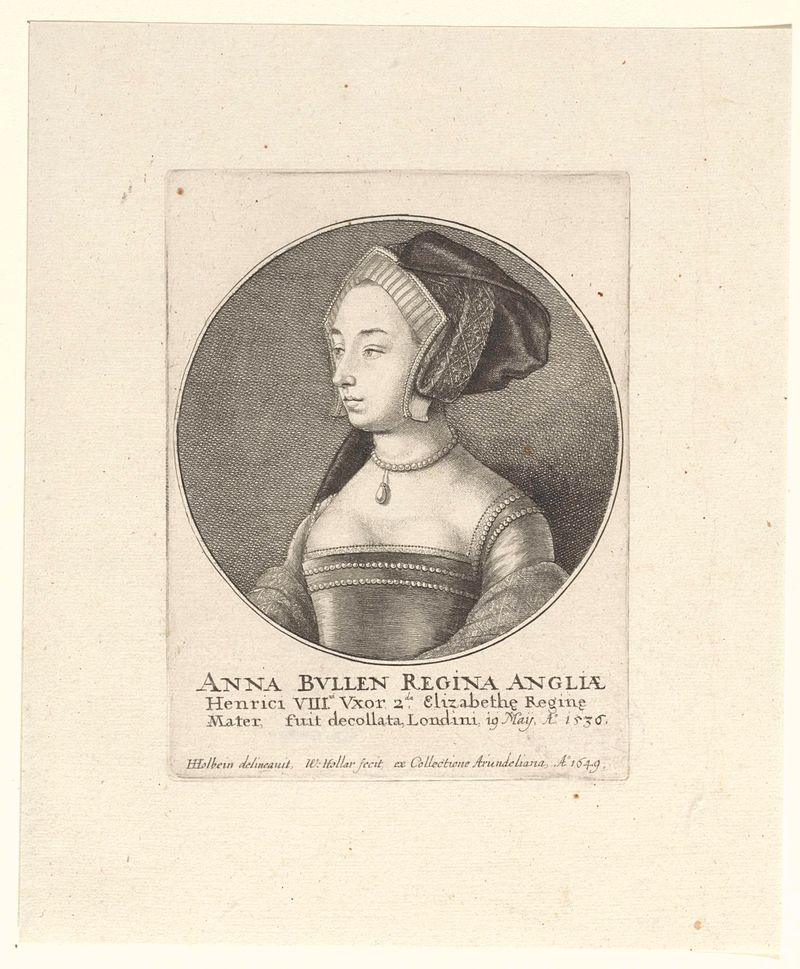
Portret van Anna Boleyn, koningin van Engeland
Wenceslaus Hollar
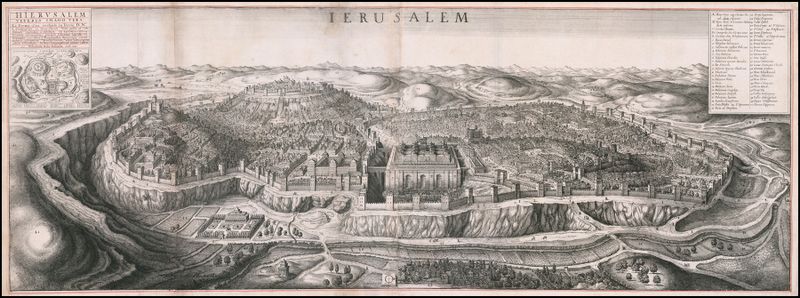
Bird’s eye view of Jerusalem
Wenceslaus Hollar
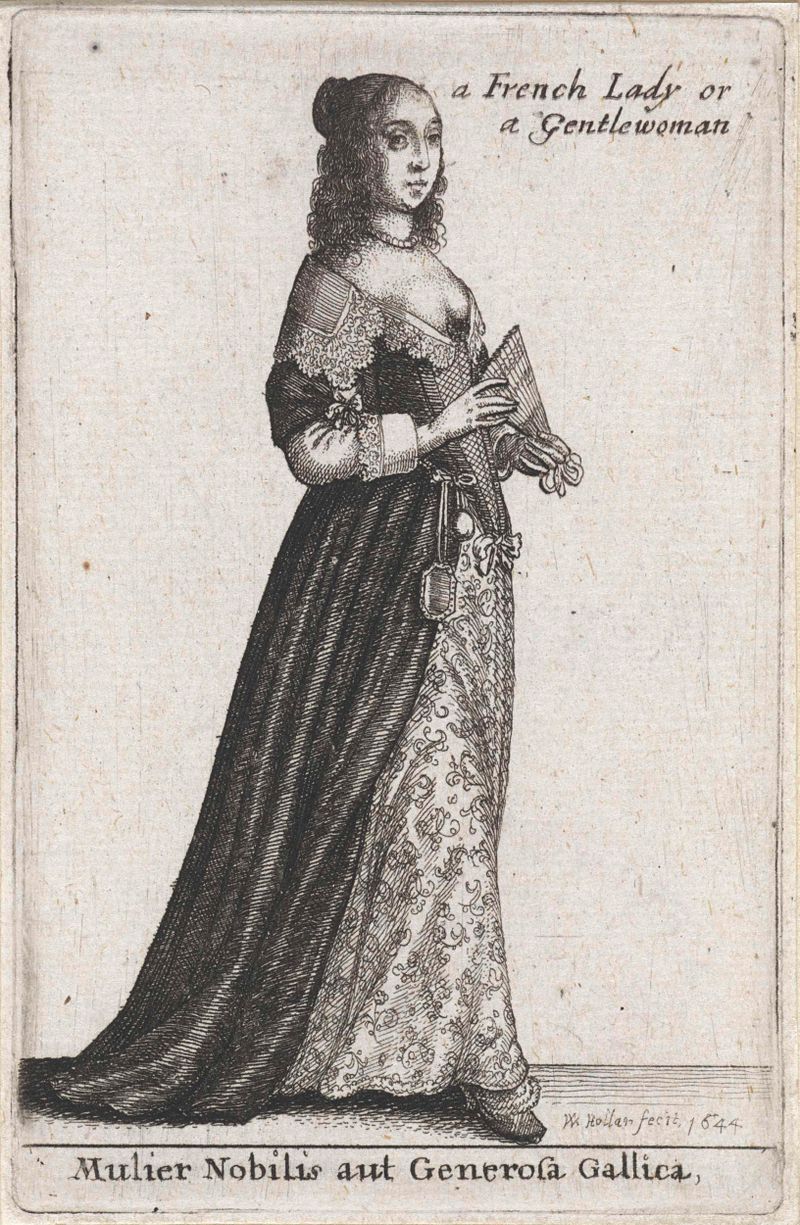
Mulier Nobilis aut Generosa Gallica / a French Lady or Gentlewoman
Wenceslaus Hollar
Titelprent voor: Ornatus Muliebris Anglicanus
Wenceslaus Hollar
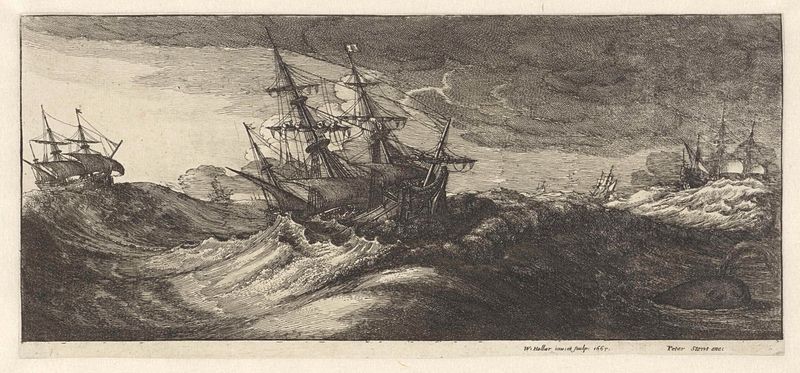
Oorlogsschepen en een walvis in een zeestorm
Wenceslaus Hollar
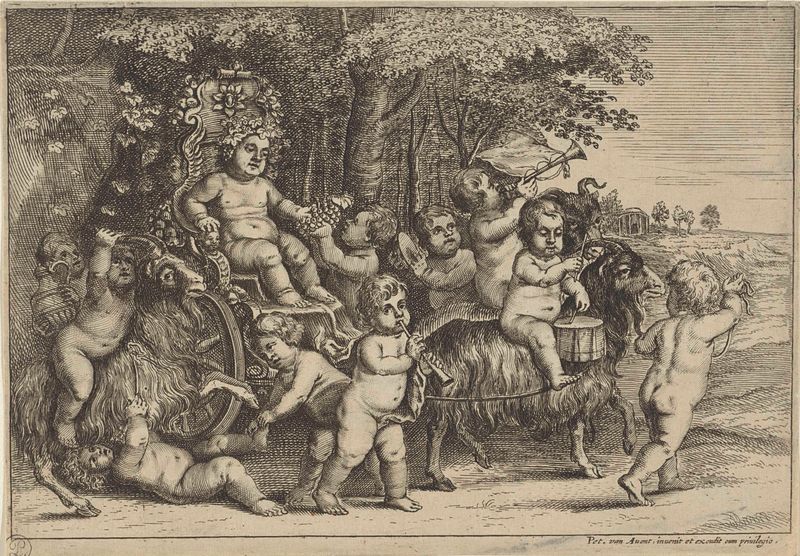
Optocht van bacchant en jongetjes op geiten
Wenceslaus Hollar
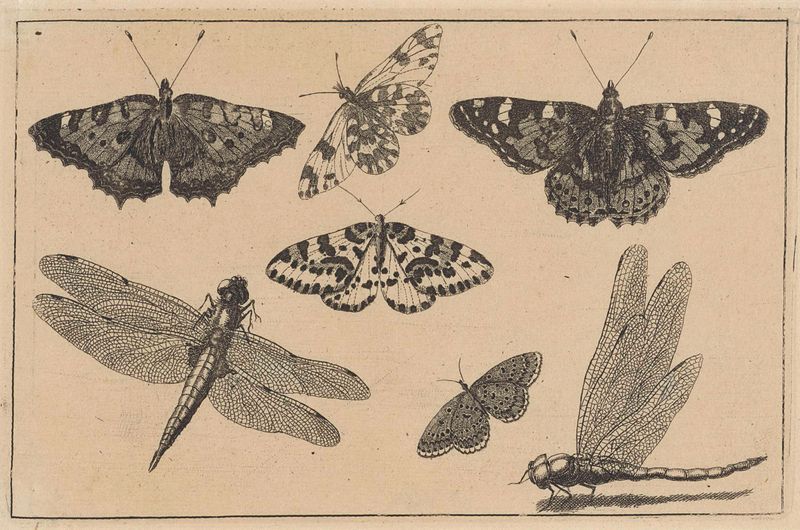
Twee libellen en vijf vlinders
Wenceslaus Hollar
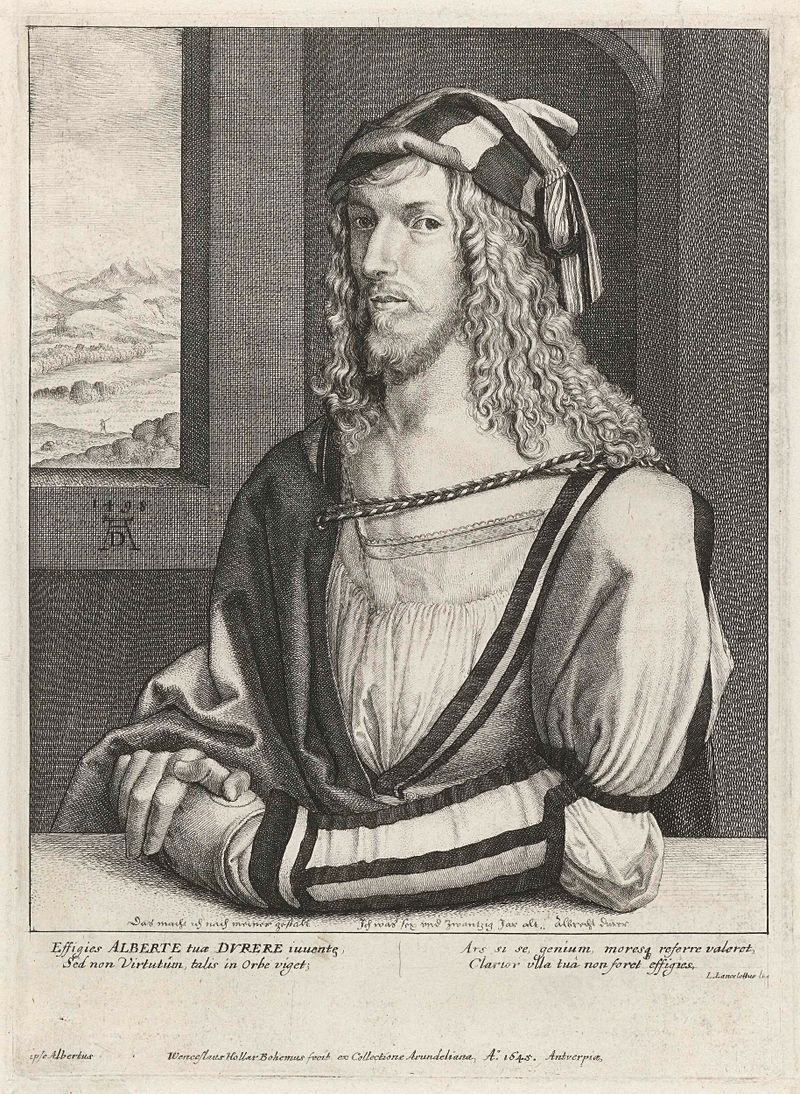
Portret van Albrecht Dürer
Wenceslaus Hollar
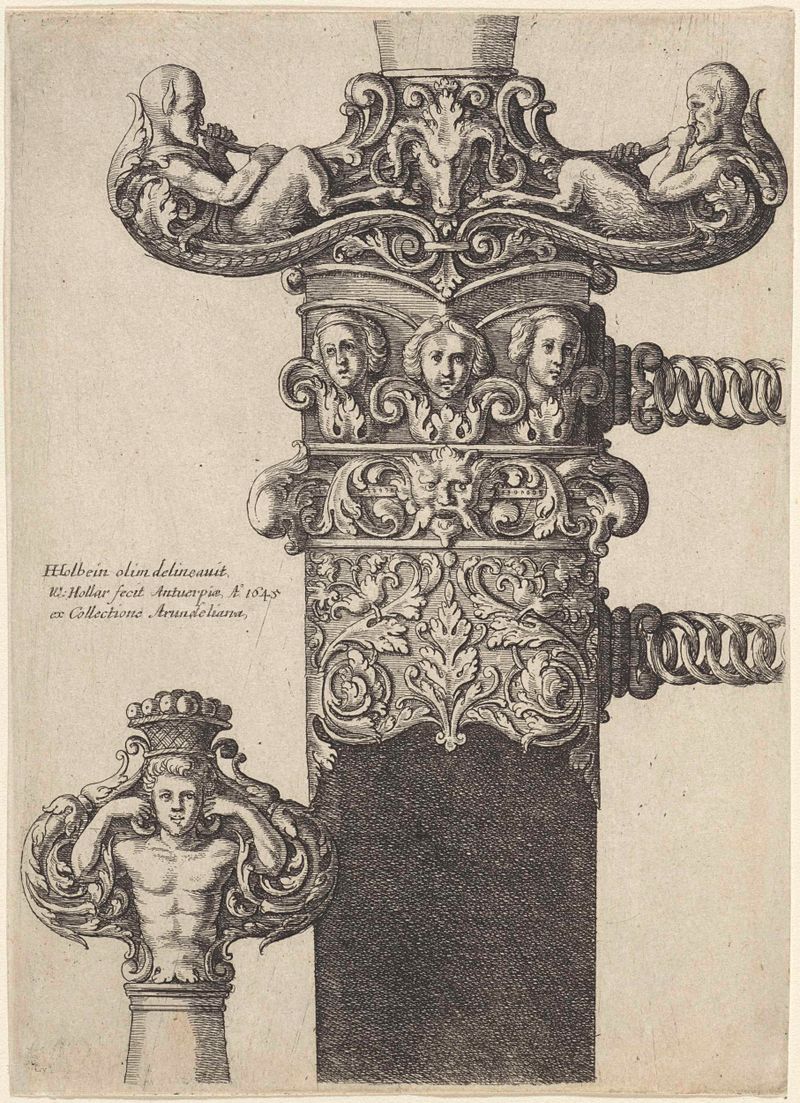
Ornamenteel ontwerp voor een dolk
Wenceslaus Hollar
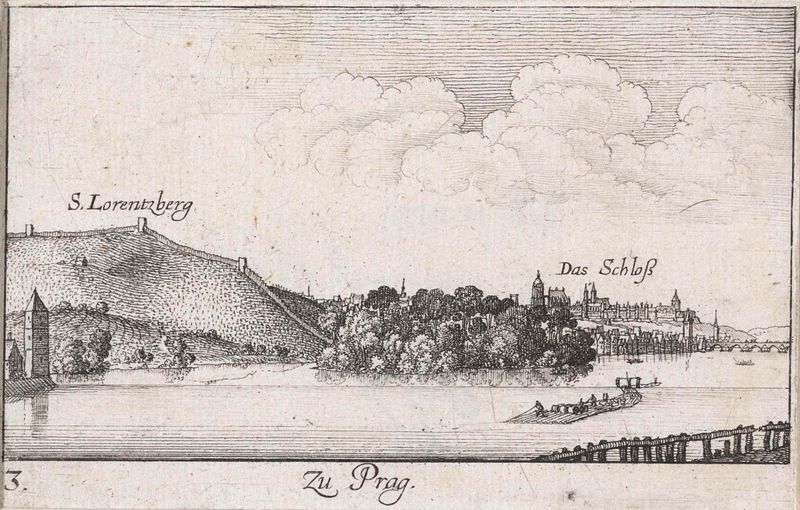
Gezicht op Praag vanaf de Moldau
Wenceslaus Hollar





