
Koppen van een grote kale man en groteske vrouw — History & Facts
What if silence could speak through light? In the delicate interplay of shadows and forms, we find echoes of a bygone era, whispering stories untold. Look to the center of the canvas, where the grotesque figures of an oversized man and an exaggeratedly large woman stand in stark contrast. The meticulous lines employed by Hollar draw attention to their oversized heads, creating a sense of caricature that invites both amusement and contemplation. Notice how the muted palette imbues the scene with an air of nostalgia, the soft browns and grays blending seamlessly to evoke a sense of memory and longing.
The subtle play of light enhances the contours of their faces, suggesting not just their physical presence but also the weight of the culture they embody. The tension between the grotesque and the familiar lingers in the details: the man's bald head, which glimmers under an unseen light source, serves as a metaphor for vulnerability, while the woman’s exaggerated features, though exaggerated, may reflect the societal norms of beauty and stature. Their expressions convey a peculiar mixture of joy and melancholy, prompting the viewer to reflect on the passage of time and the absurdity of human experience. Together, they form a commentary on identity and perception, challenging notions of beauty and acceptance. Wenceslaus Hollar created this work in 1645, during his time in England after fleeing the Thirty Years’ War in Europe.
This period marked a significant transition in his artistic focus, as he adapted to the tastes of the English aristocracy while maintaining his distinctive style. The blending of humor and introspection in this piece mirrors the evolving dynamics of society and art, capturing a moment where the absurd can reveal deeper truths.
More Artworks by Wenceslaus Hollar
Browse all →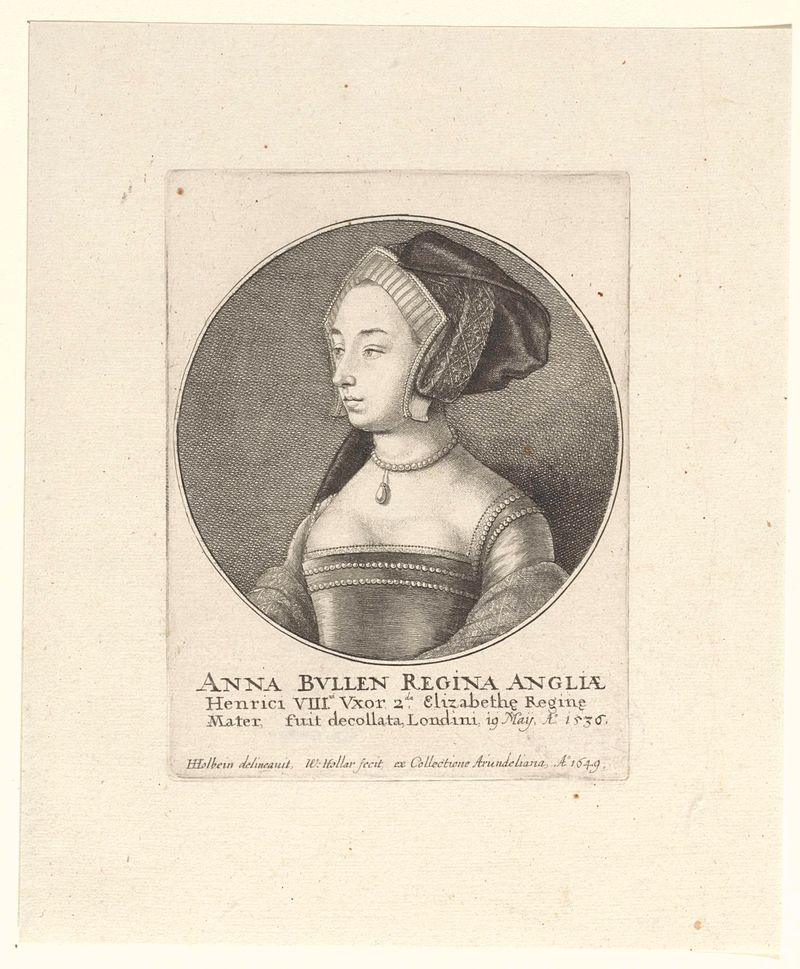
Portret van Anna Boleyn, koningin van Engeland
Wenceslaus Hollar
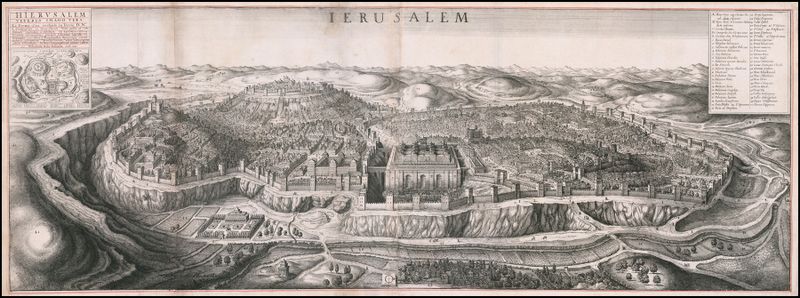
Bird’s eye view of Jerusalem
Wenceslaus Hollar
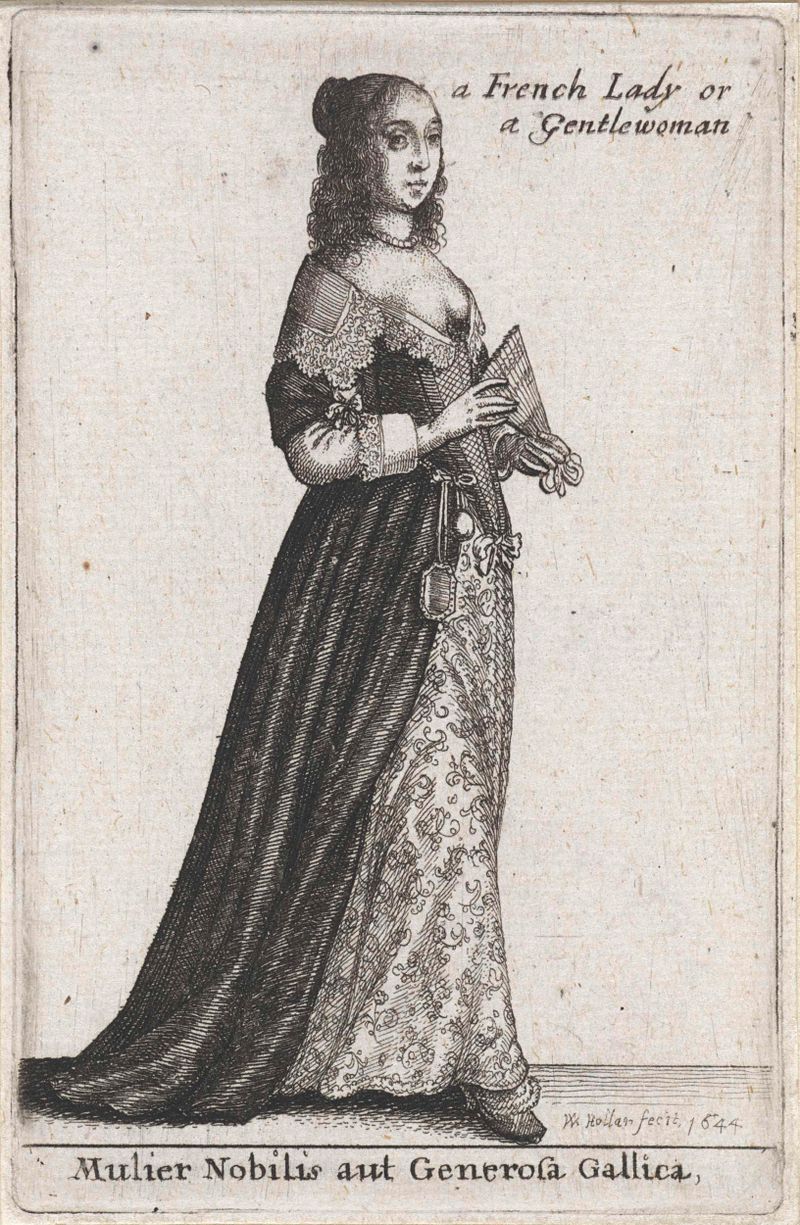
Mulier Nobilis aut Generosa Gallica / a French Lady or Gentlewoman
Wenceslaus Hollar
Titelprent voor: Ornatus Muliebris Anglicanus
Wenceslaus Hollar
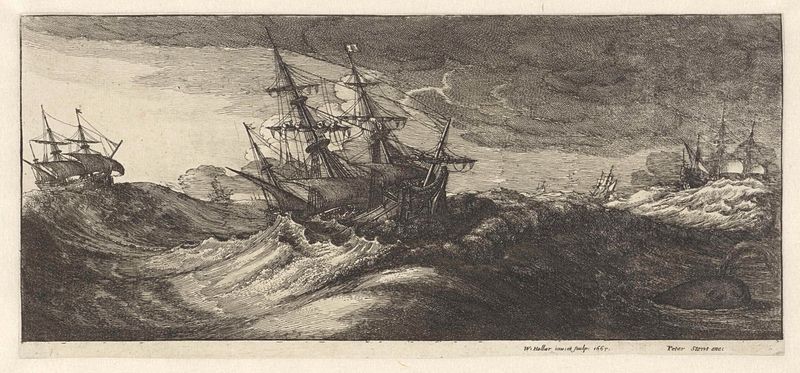
Oorlogsschepen en een walvis in een zeestorm
Wenceslaus Hollar
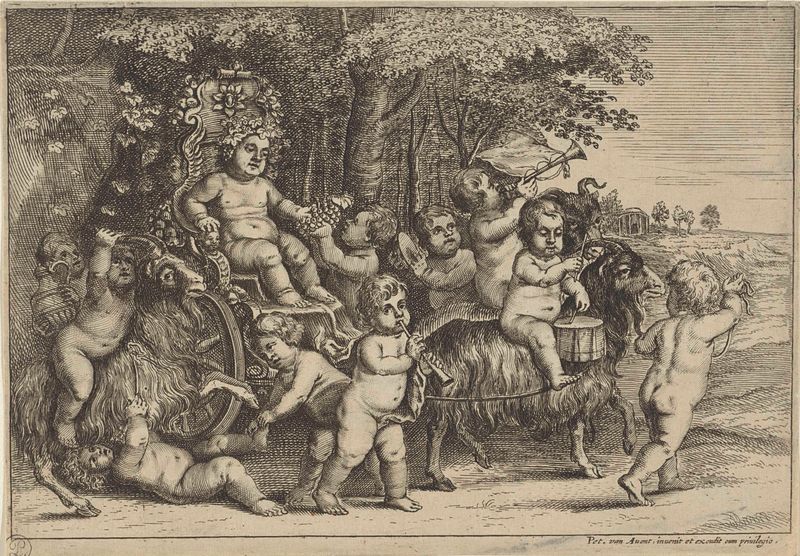
Optocht van bacchant en jongetjes op geiten
Wenceslaus Hollar
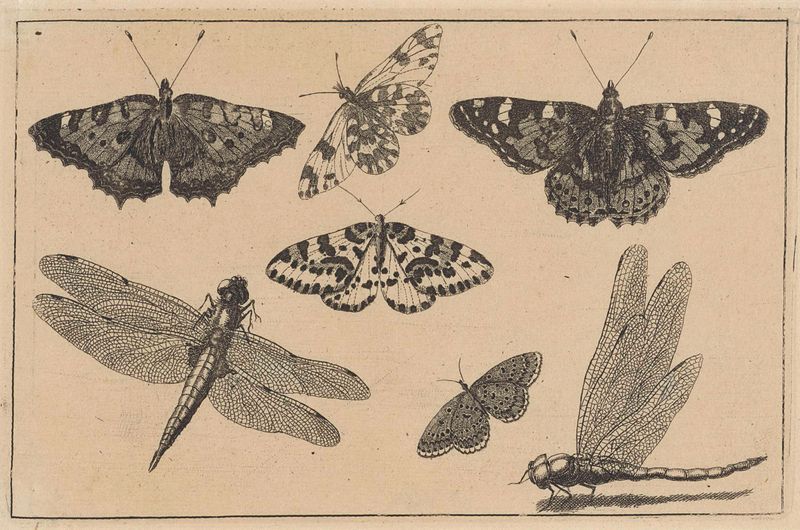
Twee libellen en vijf vlinders
Wenceslaus Hollar
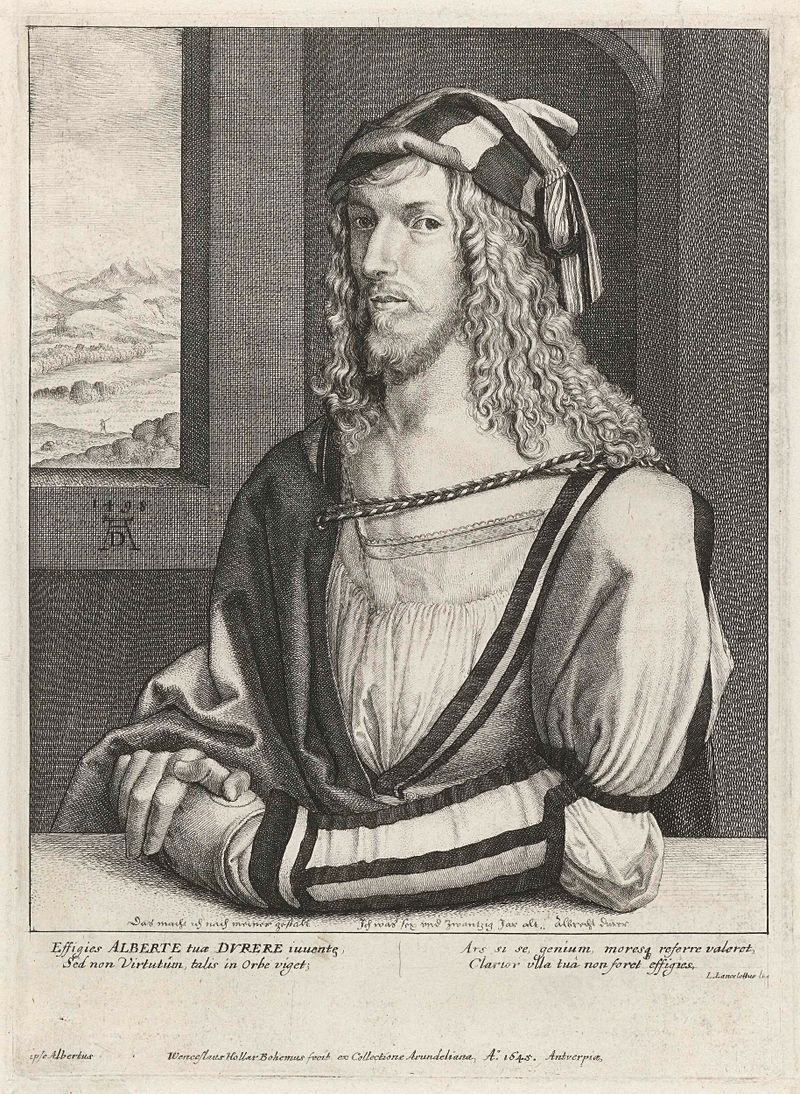
Portret van Albrecht Dürer
Wenceslaus Hollar
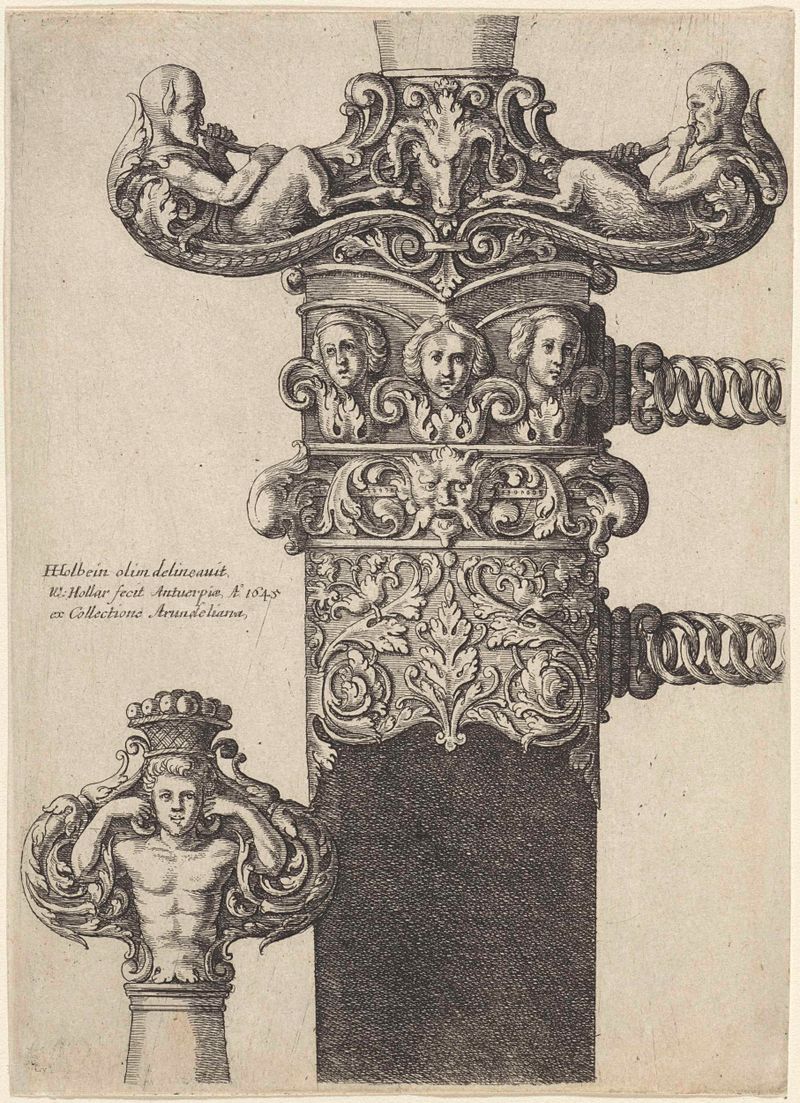
Ornamenteel ontwerp voor een dolk
Wenceslaus Hollar
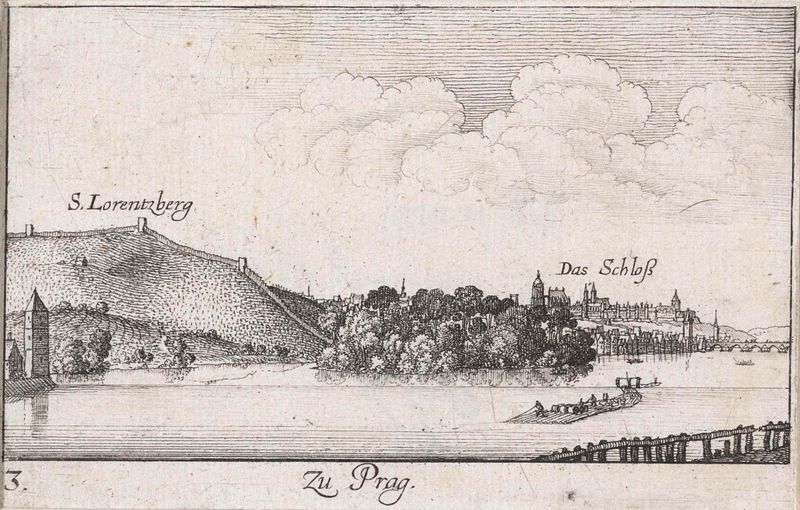
Gezicht op Praag vanaf de Moldau
Wenceslaus Hollar





