
Krajina — History & Facts
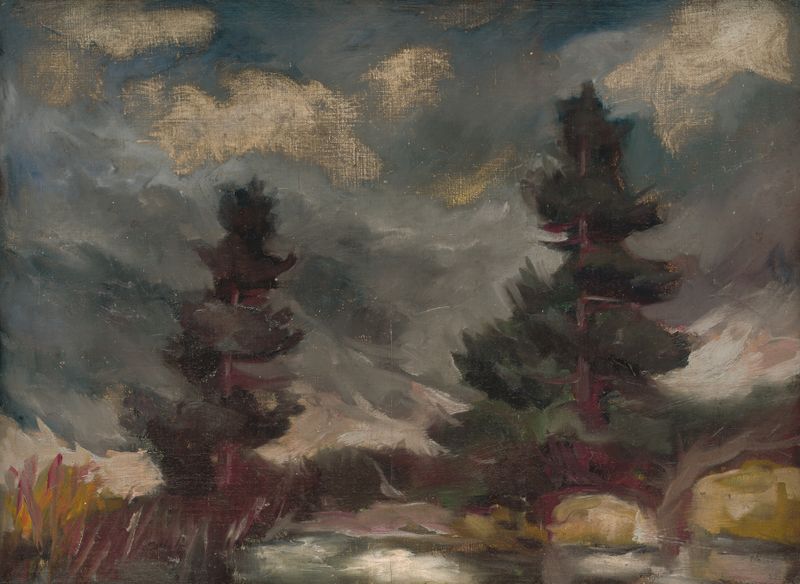
In the quiet realm of creativity, innocence is often the purest form of expression, unfolding in layers of color and emotion. Look closely at the soft, verdant greens that dominate the canvas, leading your gaze across the horizon. Notice how the brushstrokes dance with a gentle rhythm, each stroke a whisper of nature’s serene embrace. The delicate interplay of light and shadow evokes a sense of tranquility, inviting you to linger in this landscape, where every element seems to breathe in harmony. In the background, rolling hills cradle the sky, a reminder of the simplicity and beauty of unspoiled nature.
The subtle tension between the light and dark hues suggests a fleeting moment—perhaps dawn or dusk—when innocence teeters on the brink of awareness. This landscape carries an unspoken narrative, invoking feelings of nostalgia for a time untouched by chaos, yet hints at the inevitable passage of time. During 1933 to 1935, Zolo Palugyay created Krajina amidst a world grappling with political strife and uncertainty. Living in Europe during this tumultuous period, he sought refuge in the purity of nature, translating his inner landscape into the simplicity of his work.
This was a time when many artists turned to abstraction and modernism, yet Palugyay's focus on innocence and the natural world offered a poignant contrast to the prevailing art movements.
More Artworks by Zolo Palugyay
Browse all →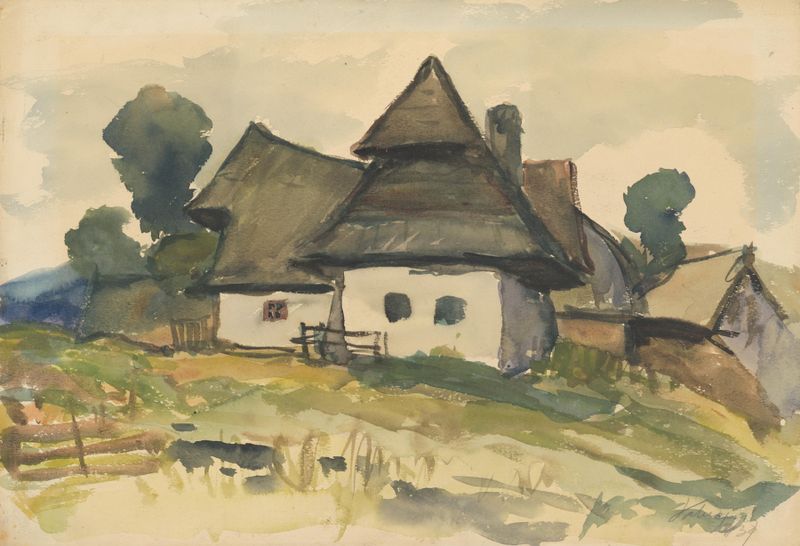
Dedinský motív
Zolo Palugyay
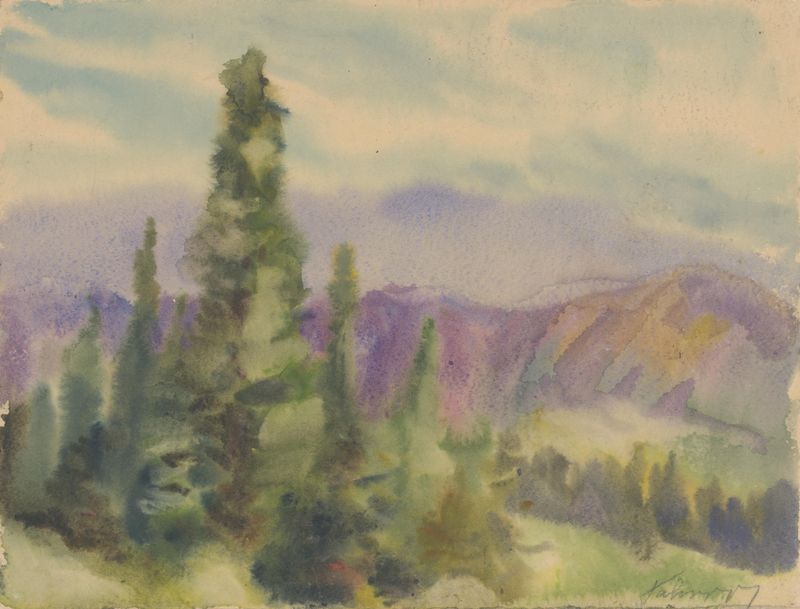
Motif from Liptov Mountains
Zolo Palugyay
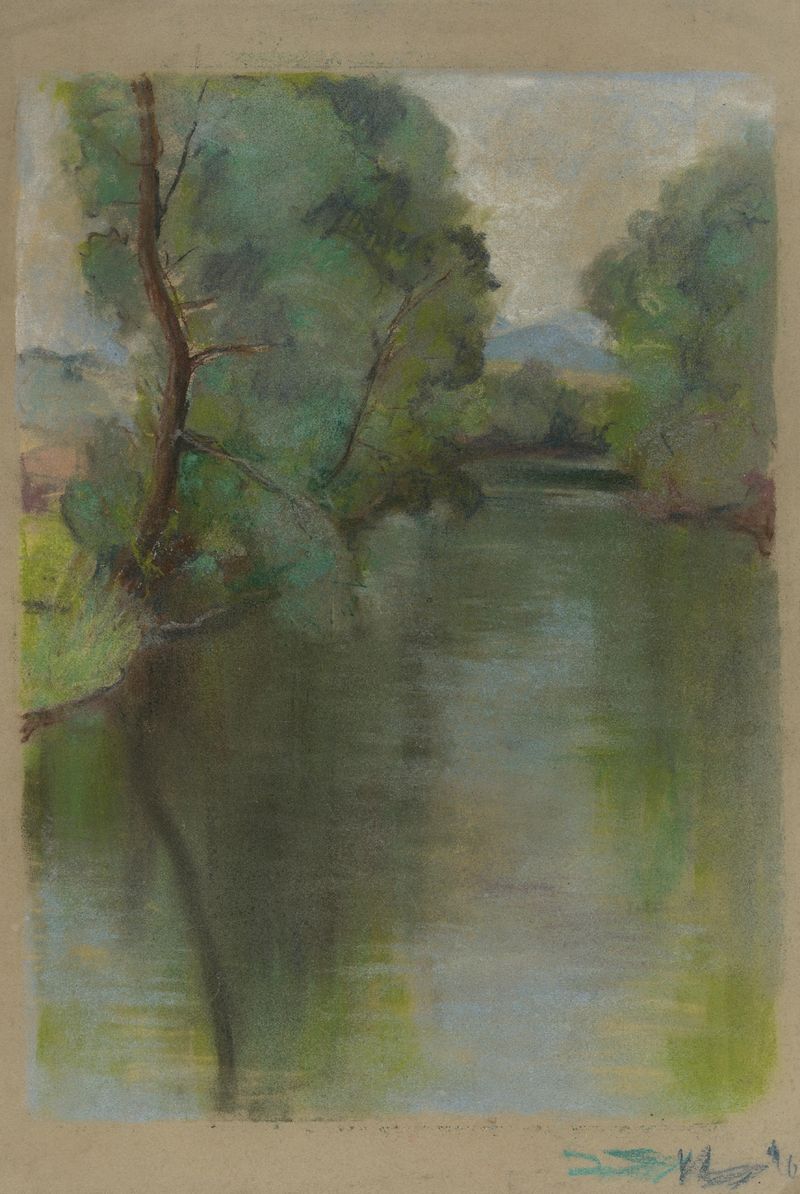
Silent River
Zolo Palugyay
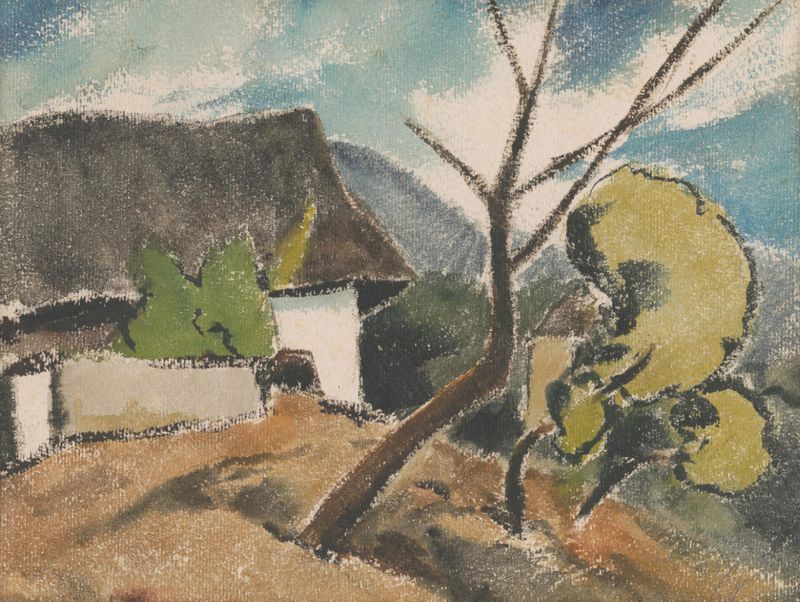
Oravská chalupa
Zolo Palugyay
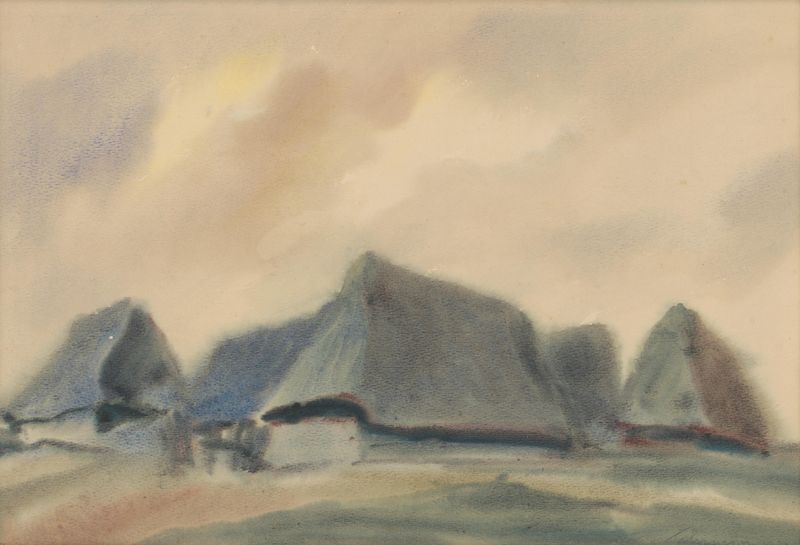
Modré chalupy
Zolo Palugyay
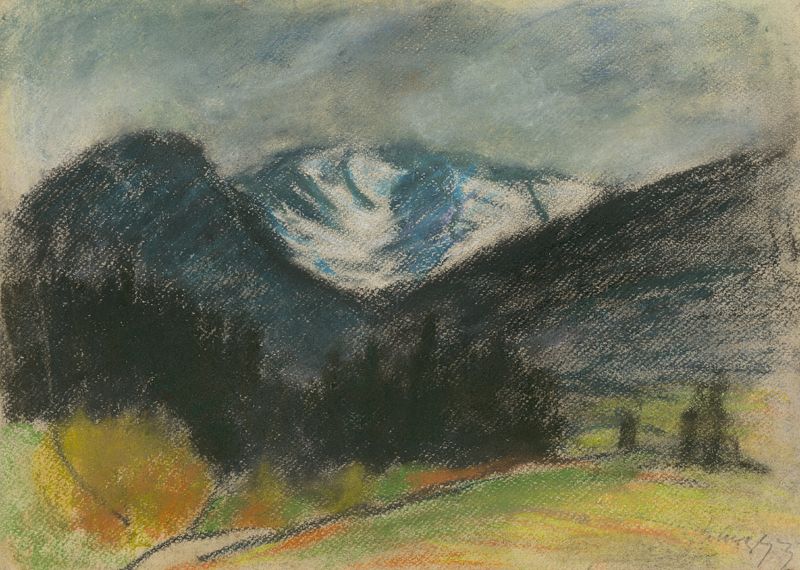
Mountain Landscape with Snowy Peaks
Zolo Palugyay
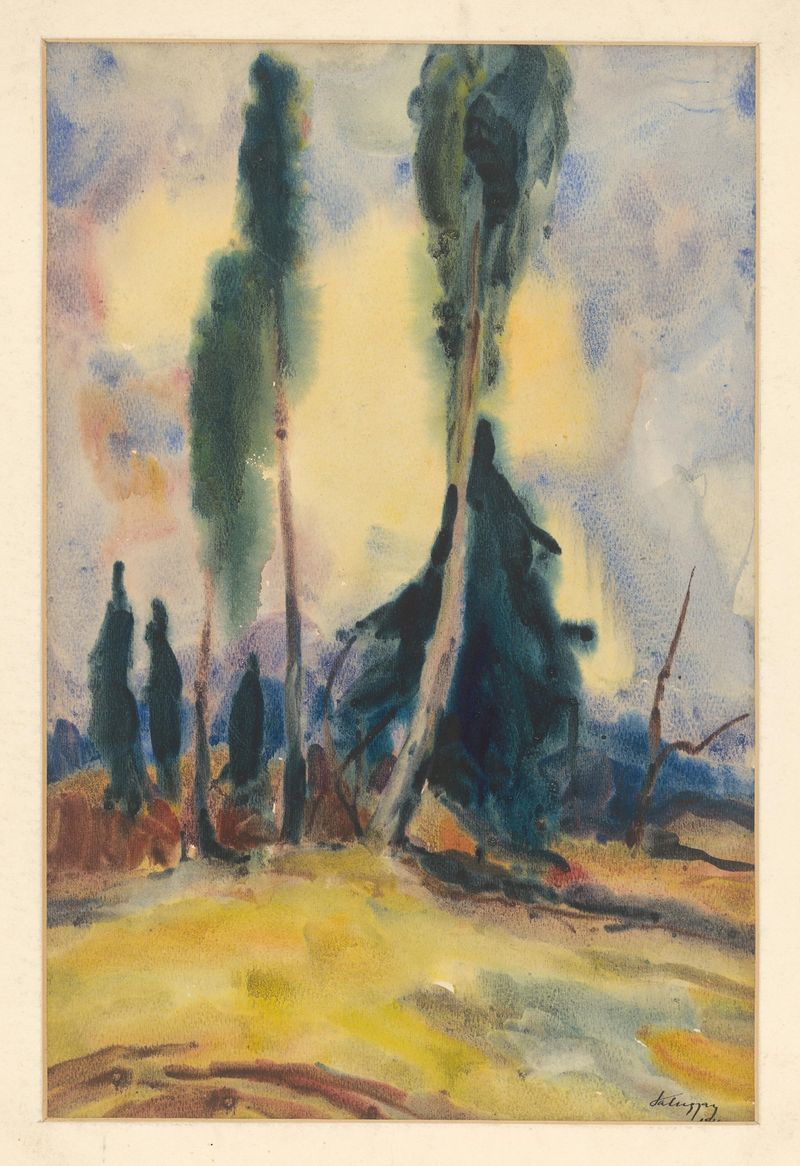
Three Trees on a Plain
Zolo Palugyay
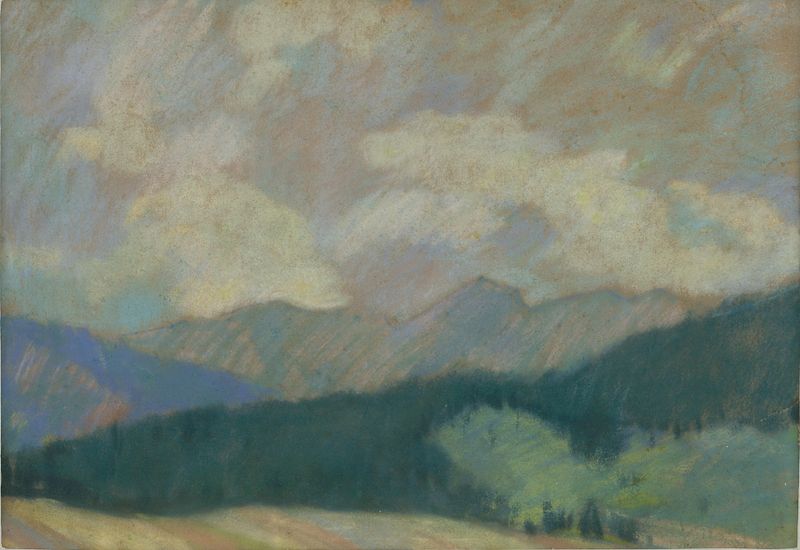
Horská krajina
Zolo Palugyay
Tatra Landscape
Zolo Palugyay
Spring Landscape
Zolo Palugyay





