Krajina s riekou — History & Facts
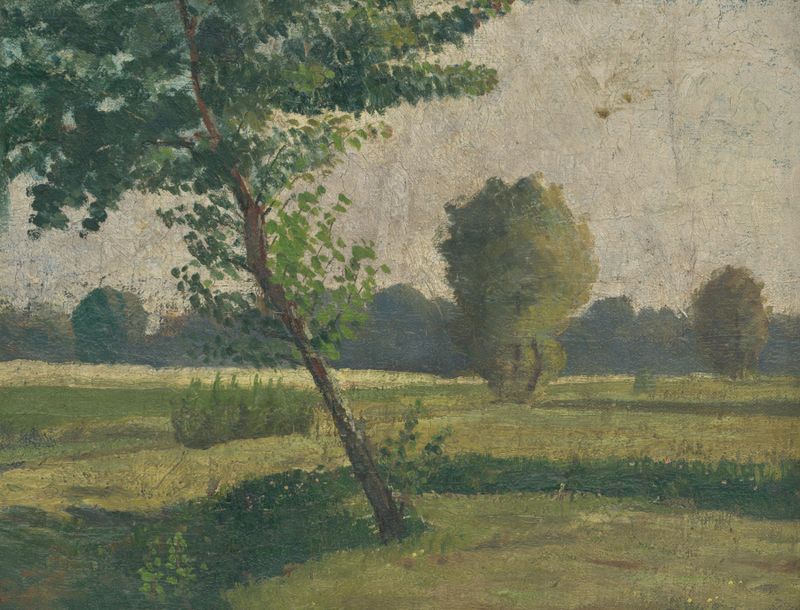
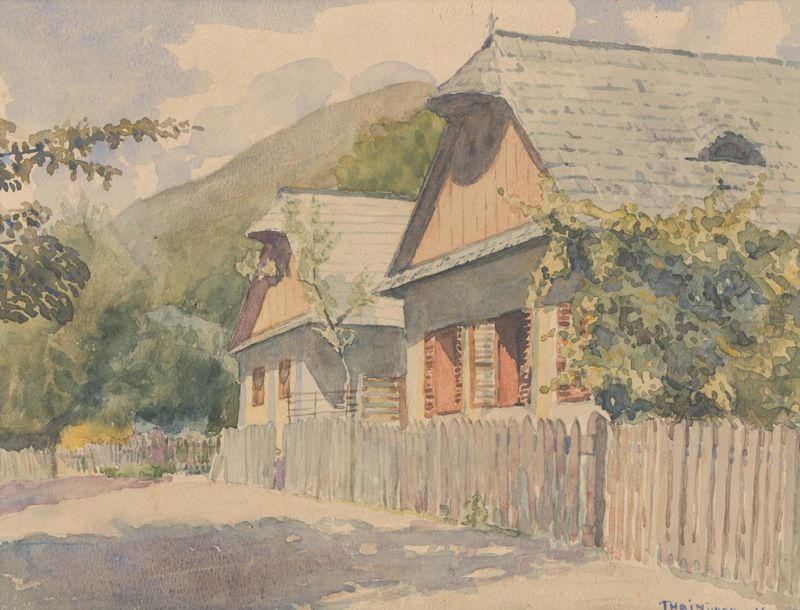
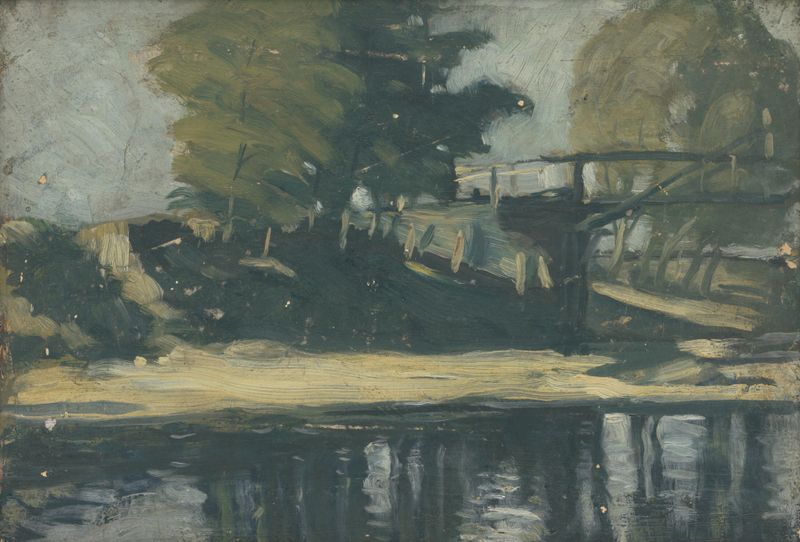
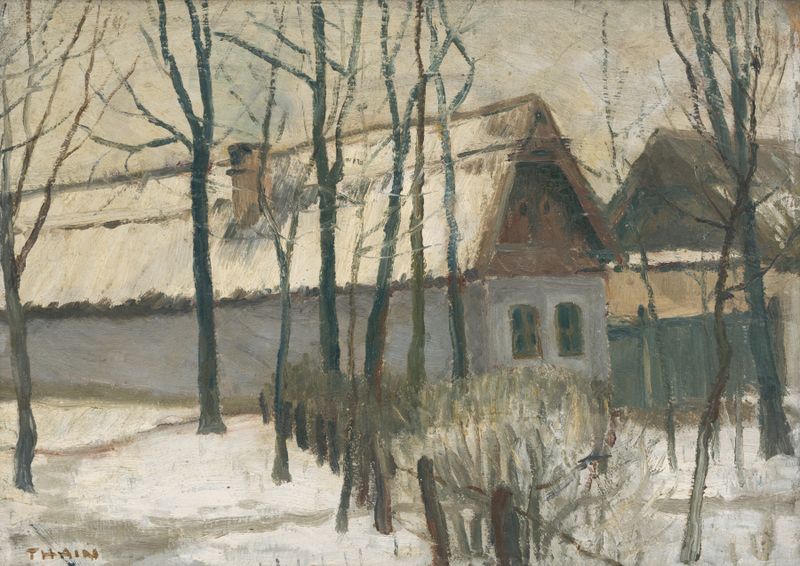
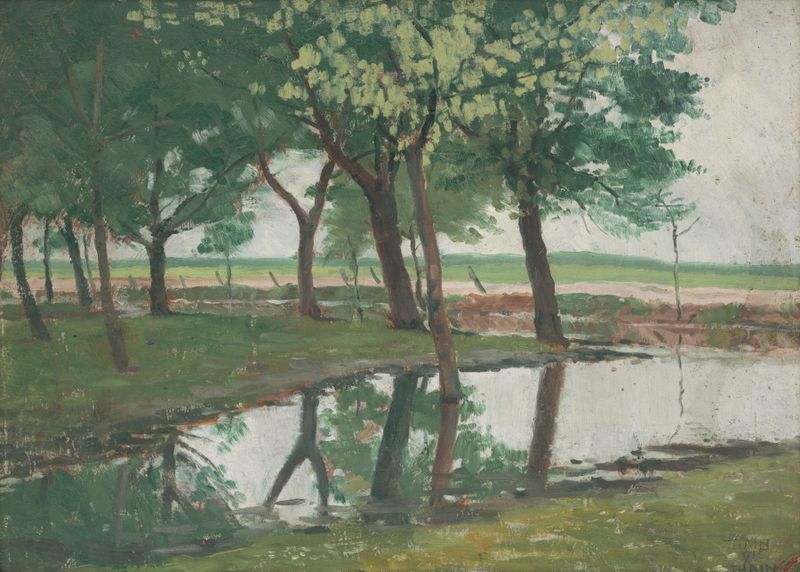
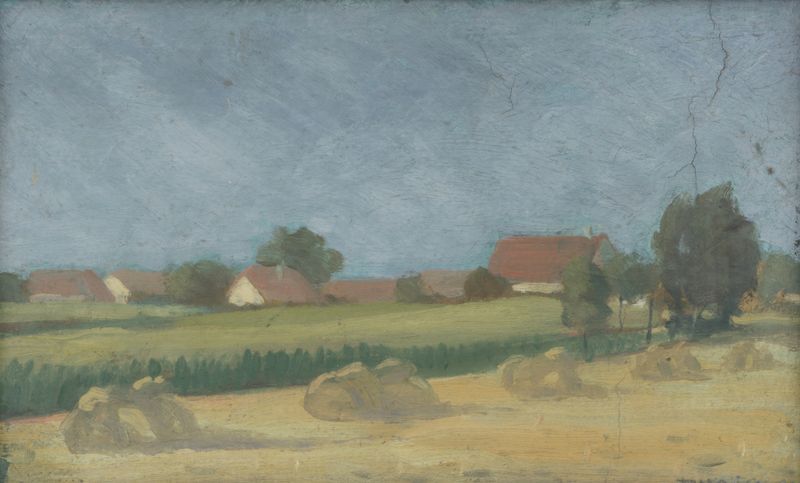
In the heart of Ján Thain's Krajina s riekou, we find a world poised between the memory of loss and the promise of rebirth. This landscape captures not just a place, but a fleeting moment where nature insists on renewal, echoing the rhythms of life itself. Look closely at the tranquil river that snakes through the center of the canvas, reflecting a gentle glimmer of sunlight. The soft hues of green and blue invite your gaze, contrasting with the warm, earthy tones of the banks.
Notice how the brushstrokes dance lightly across the surface, imbuing the scene with a palpable sense of movement as if the foliage breathes in sync with the flowing water. The composition draws you into a serene embrace, a quiet yet powerful reminder of the cycle of nature. Delve deeper, and you’ll uncover the emotional tension woven into the tranquil scene. The juxtaposition of the calm river against a backdrop that hints at tumultuous pasts—perhaps storms or droughts—suggests a narrative of resilience.
The subtle play of light and shadow hints at the passage of time, while the vibrant greens suggest an optimism that promises life over decay. Here, nature emerges as a protagonist in a story of rebirth, silently urging us to remember our own capacity for renewal. In 1908, Thain was exploring the rich landscapes of Slovakia, capturing the essence of a world still healing from the trials of the past century. This period of artistic experimentation saw him embrace the Impressionist techniques that were sweeping Europe, enabling him to translate the nuances of light and color into works that speak to the human experience.
His vision was not just of what lay before him but of what could arise from the ashes of what once was.