
Krijgers en een man met een musket — History & Facts
Could a single brushstroke hold eternity? The tension of violence, both imminent and lingering, permeates the air in Krijgers en een man met een musket. Look to the left at the fierce warriors, their postures taut with anticipation, muscles coiled like springs ready to unleash force. Notice the chaotic interplay of light and shadow that dances across their armor, emphasizing their readiness for confrontation. The rich, earthy palette grounds the scene, while the strategic highlights on the musket hint at the deadly potential it embodies, drawing your eye toward the central figure and the precarious balance between life and death. Within this tumultuous composition, small details emerge that deepen the emotional narrative.
The expressions on the men’s faces reveal layers of fear, aggression, and determination—a vivid contrast to the stillness of the central man, whose calm demeanor evokes both vulnerability and bravery. The quiet power of his stance suggests that violence is not merely an act but a haunting specter that looms over the scene, connecting the warriors’ fervor with an unsettling sense of fate. Wouter Schouten painted Krijgers en een man met een musket around 1660, during a time of political upheaval and conflict in the Netherlands. As a prominent figure in the Dutch Golden Age, Schouten was known for his ability to blend realism with emotional depth.
This period in his life was marked by a growing interest in depicting the human figure amidst dramatic narratives, reflecting the broader themes of valor and conflict that resonated throughout the art world of his era.
More Artworks by Wouter Schouten
Browse all →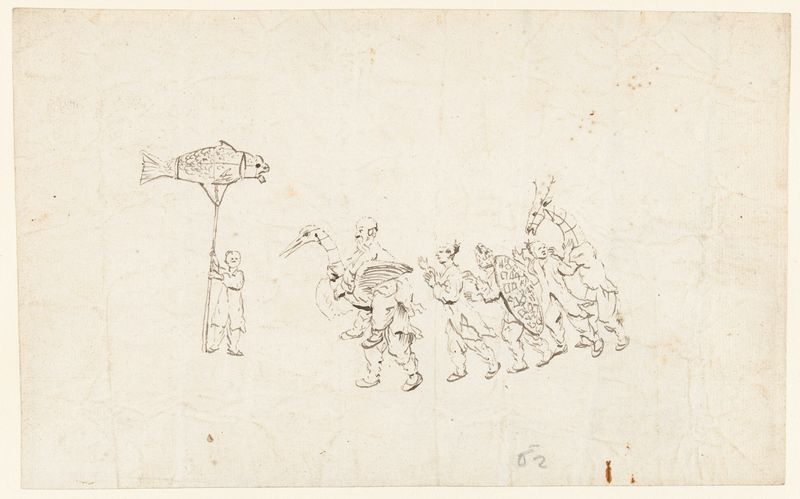
Optocht ter gelegenheid van Chinees Nieuwjaar te Batavia
Wouter Schouten
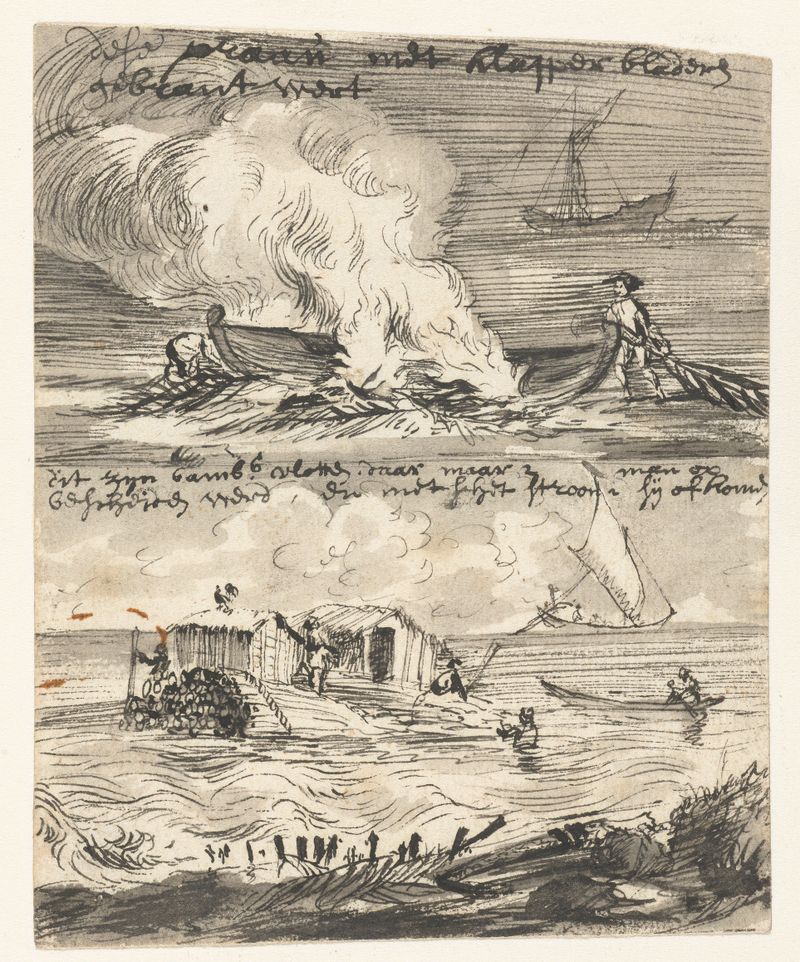
Schetsen van een prauw en twee bamboevlotten
Wouter Schouten
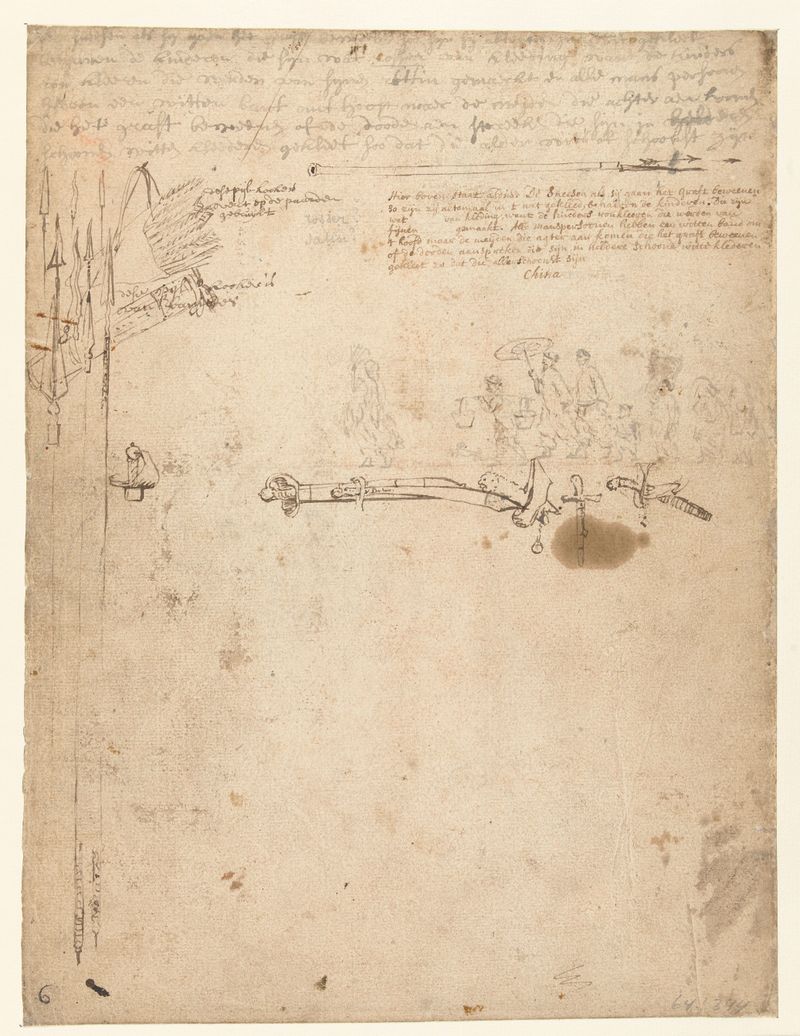
Schetsen van wapens en een groep Chinezen
Wouter Schouten
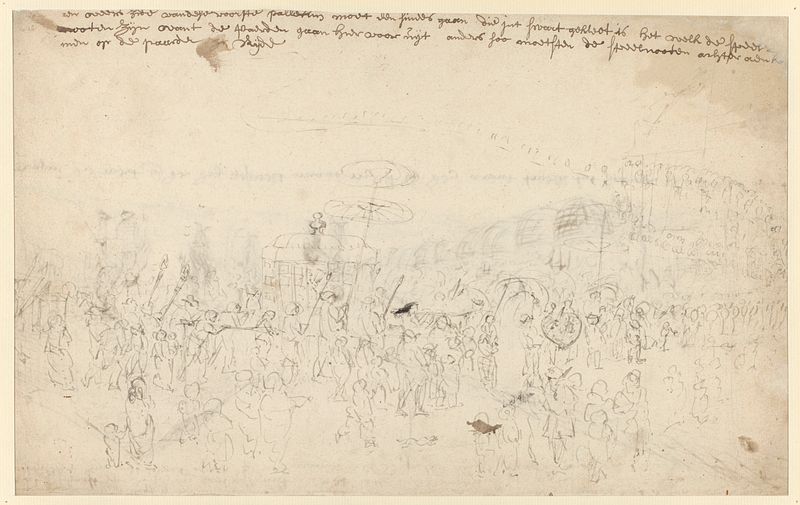
Bruiloftsstoet
Wouter Schouten
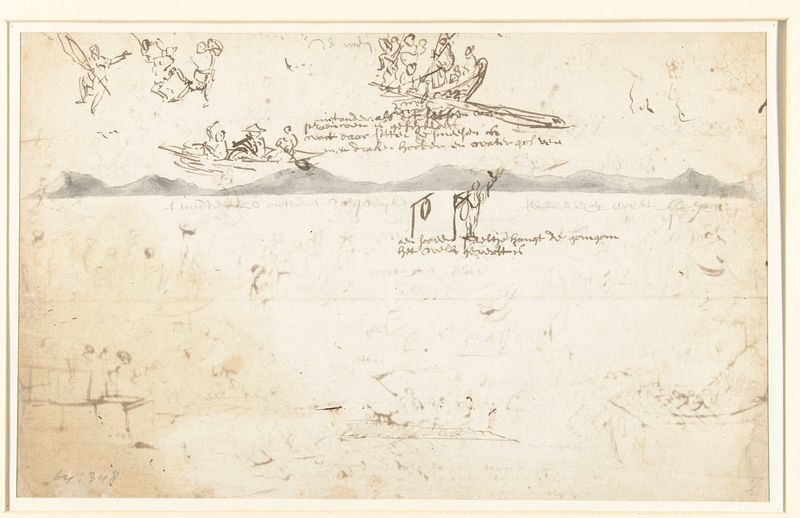
Schetsen van een landschap en figuren in boten
Wouter Schouten
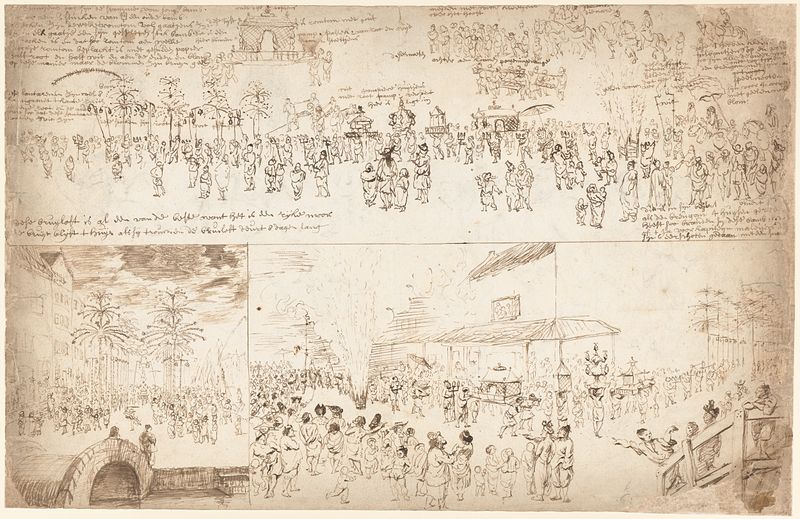
Bruiloftsstoet en een stadsgezicht met veel mensen
Wouter Schouten
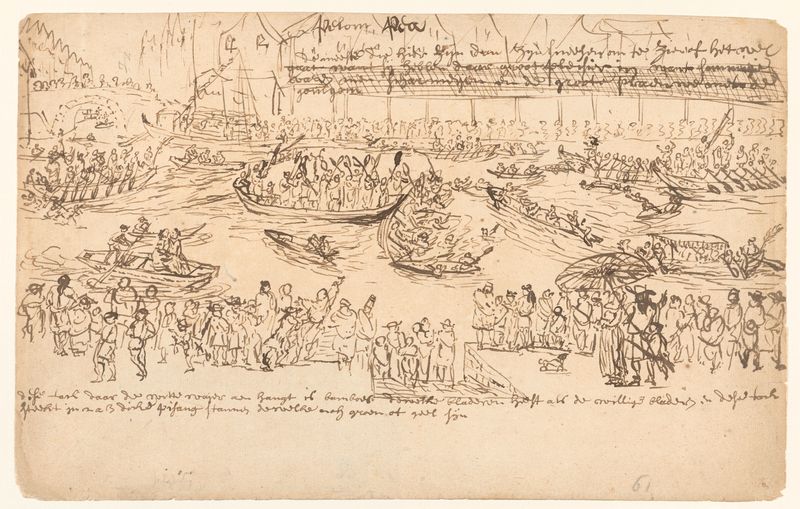
Pelom Pea
Wouter Schouten
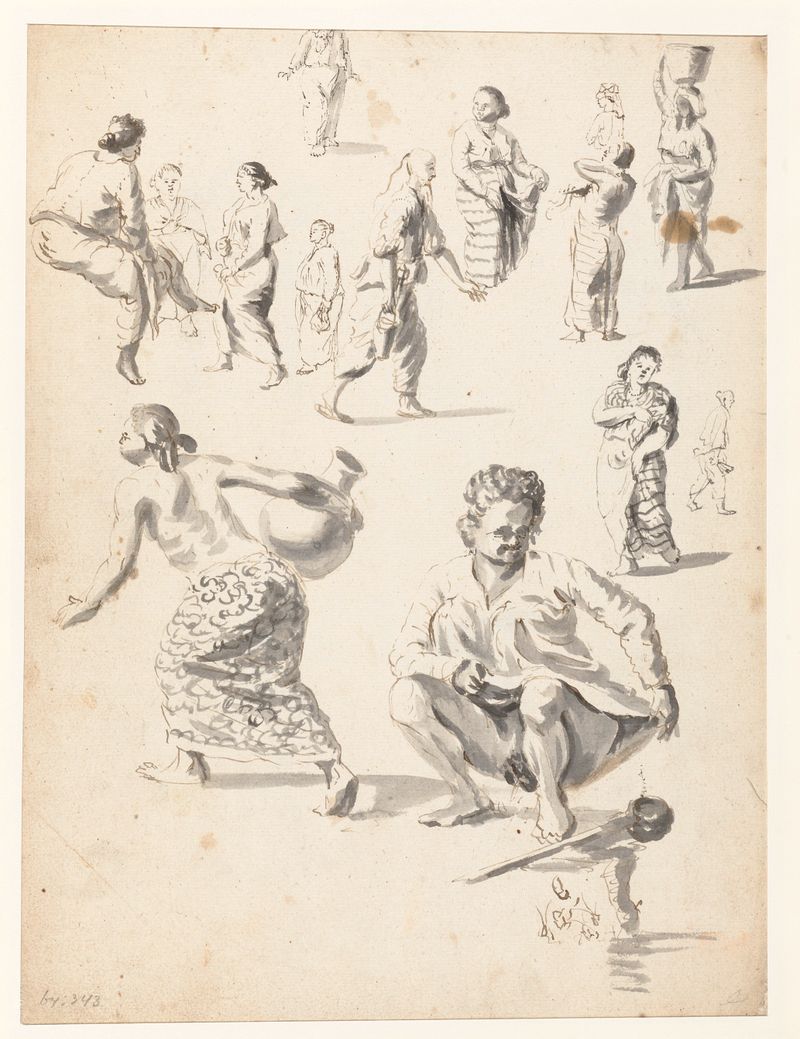
Studies van vrouwen
Wouter Schouten

Schetsblad met vaartgezicht en figuren
Wouter Schouten
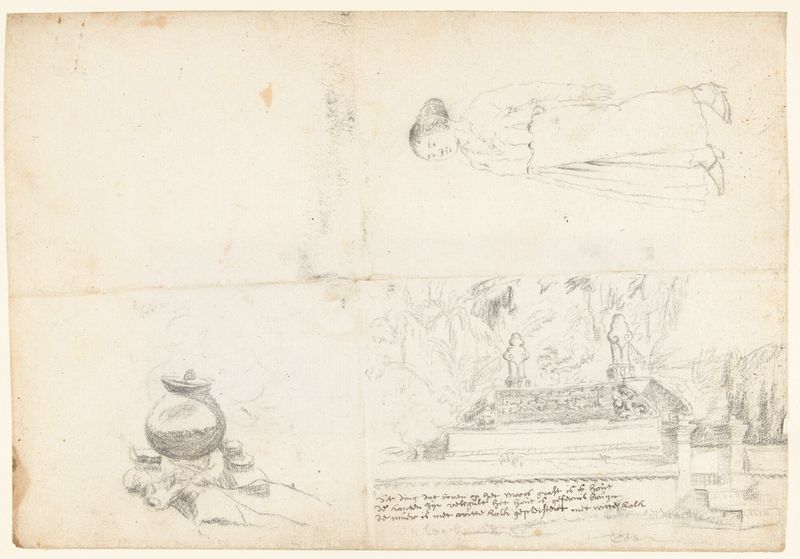
Schetsblad met moors graf en vrouwenfiguur
Wouter Schouten
More Historical Art
Browse all →
The Night Watch Militia Company of District II under the Command of Captain Frans Banninck Cocq
Rembrandt van Rijn

Lincoln Memorial
Henry Bacon

The Third of May 1808
Francisco de Goya

Isaac and Rebecca, Known as ‘The Jewish Bride’
Rembrandt van Rijn

The Charge of the Mamelukes (1814)
Francisco de Goya

De vier ruiters van de apocalyps
Albrecht Dürer