
Kruisdraging — History & Facts
What if beauty was never meant to be finished? The haunting allure of obsession weaves through the intricate details of Kruisdraging, inviting viewers to ponder the relentless pursuit of the sublime. Look closely at the central figure, adorned with a heavy cross, as their burden seems to ripple through the crowd. The delicate lines capture the tension of the moment—the grim determination etched on their face contrasts sharply with the ethereal grace of the drapery. Notice how the artist uses chiaroscuro to create depth; light cascades over the figures, illuminating the anguish and devotion that suffuse the scene, while shadows curl around the onlookers, cloaking them in an air of solemnity. In the background, the multitude of figures illustrates an emotional tapestry, each face a vessel of individual stories and emotions.
This myriad of expressions—from despair to reverence—evokes a collective experience of suffering and hope. The composition breathes with the weight of societal duty and personal sacrifice, suggesting that the act of carrying the cross is more than a physical burden; it embodies the inner turmoil of faith itself. The meticulous attention to detail reveals a fascination with the intersection of beauty and pain, an obsession that transcends mere representation. During the years between 1619 and 1624, the artist was living in Nancy, France, immersed in a world shifting towards Baroque aesthetics.
This period saw the rise of dramatic storytelling in art, and Callot's work sits at the confluence of human emotion and technical mastery. The artist's fascination with the themes of suffering and devotion resonates throughout this poignant piece, reflecting not only his personal engagement with the subject but also the broader spiritual dynamics of his time.
More Artworks by Jacques Callot
Browse all →
Titelprent voor de prentreeks 'De kleine apostelen' (Het martelaarschap van de apostelen)
Jacques Callot
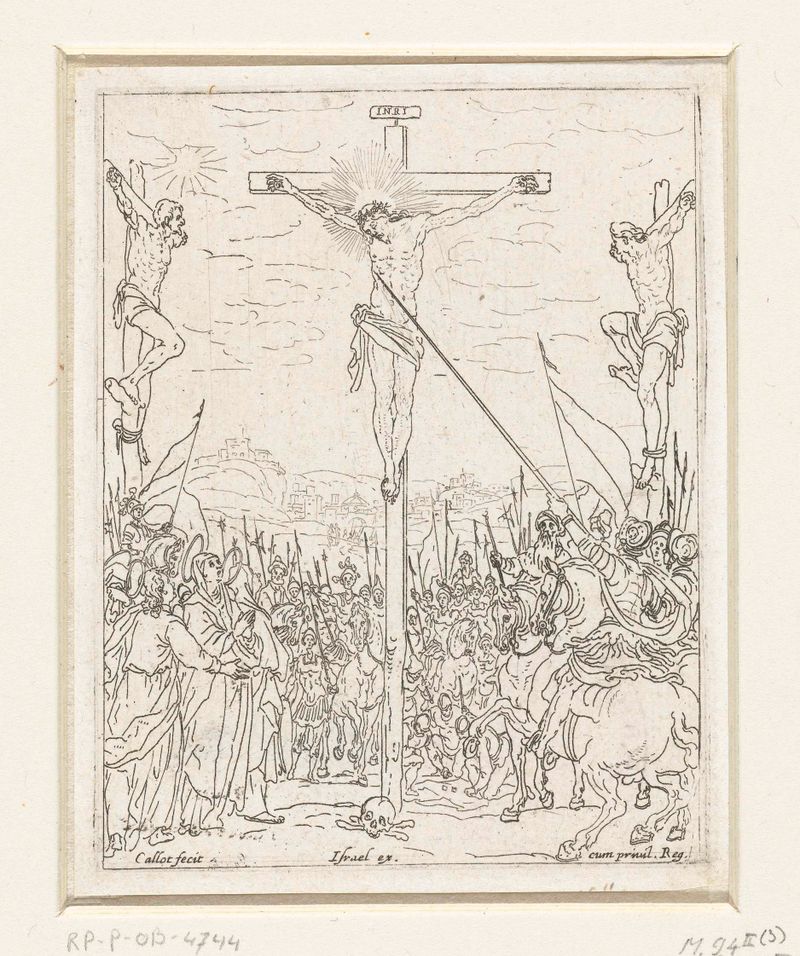
Kruisiging
Jacques Callot

De doortocht door de Rode Zee
Jacques Callot

De verloren zoon als zwijnenhoeder
Jacques Callot

Annunciatie
Jacques Callot
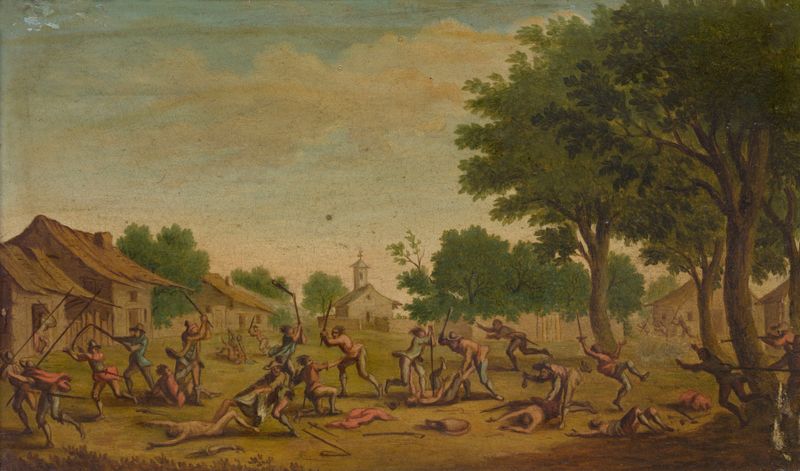
Village Fight
Jacques Callot

Titelprent voor prentreeks 'Het leven van Maria'
Jacques Callot
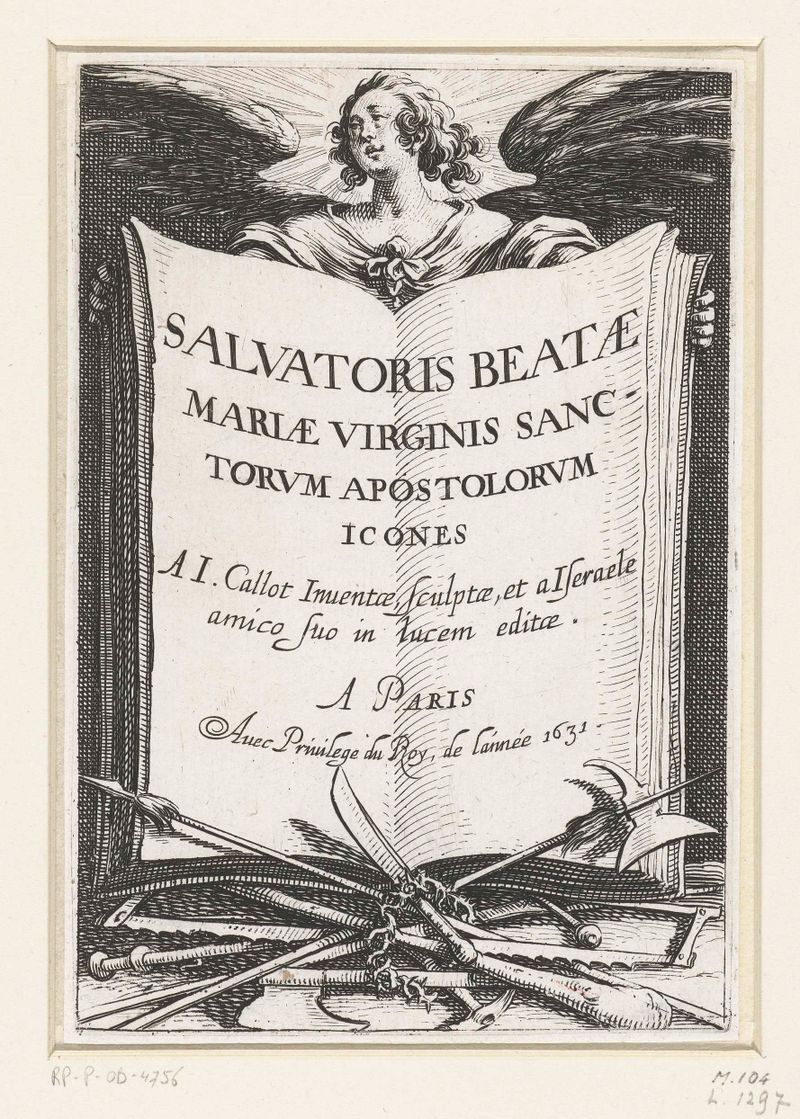
Titelprent voor de prentreeks 'De grote apostelen' (Christus, Maria en de apostelen)
Jacques Callot

Christus aan het volk getoond (Ecce homo)
Jacques Callot
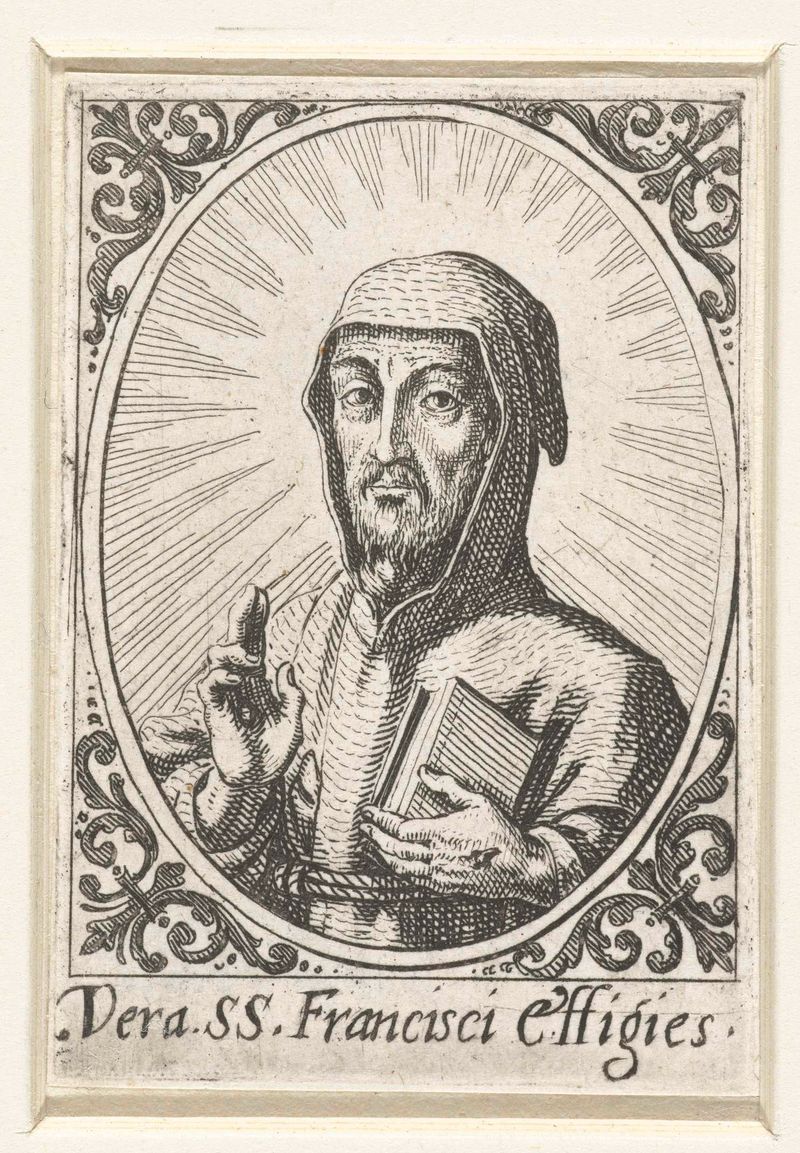
Portret van de Heilige Franciscus
Jacques Callot
More Religious Art
Browse all →
The Return of the Prodigal Son
Rembrandt van Rijn

The Garden of Earthly Delights
El Bosco

Count Orgaz’ funeral
El Greco

The Hundred Guilder Print: the central piece with Christ preaching, the plate arched
Rembrandt van Rijn

The Descent from the Cross
Rogier van der Weyden

The return of the prodigal son
Rembrandt van Rijn